

Do Owls Have Their Own Territory? Exploring the Territorial Lives of Nocturnal Hunters
Do owls have their own territory? Yes, owls are highly territorial creatures, vigorously defending their hunting grounds and nesting sites against intruders, especially other owls of the same species. This territorial behavior is crucial for their survival and reproductive success.

Understanding Owl Territoriality
Owls, those enigmatic lords of the night, are often perceived as solitary creatures. While they may hunt alone, they are anything but asocial. A crucial aspect of their lives revolves around territory. Understanding owl territoriality reveals a complex web of behaviors driven by the need to secure resources and ensure reproductive success. Do owls have their own territory? Absolutely, and the extent of that territory varies based on species, habitat, and prey availability.

Do all amphibians have eyelids?
Why do cuttlefish have W-shaped eyes?
Do all snakes have poison in them?
What is the GREY African clawed frog?
The Purpose of Territory
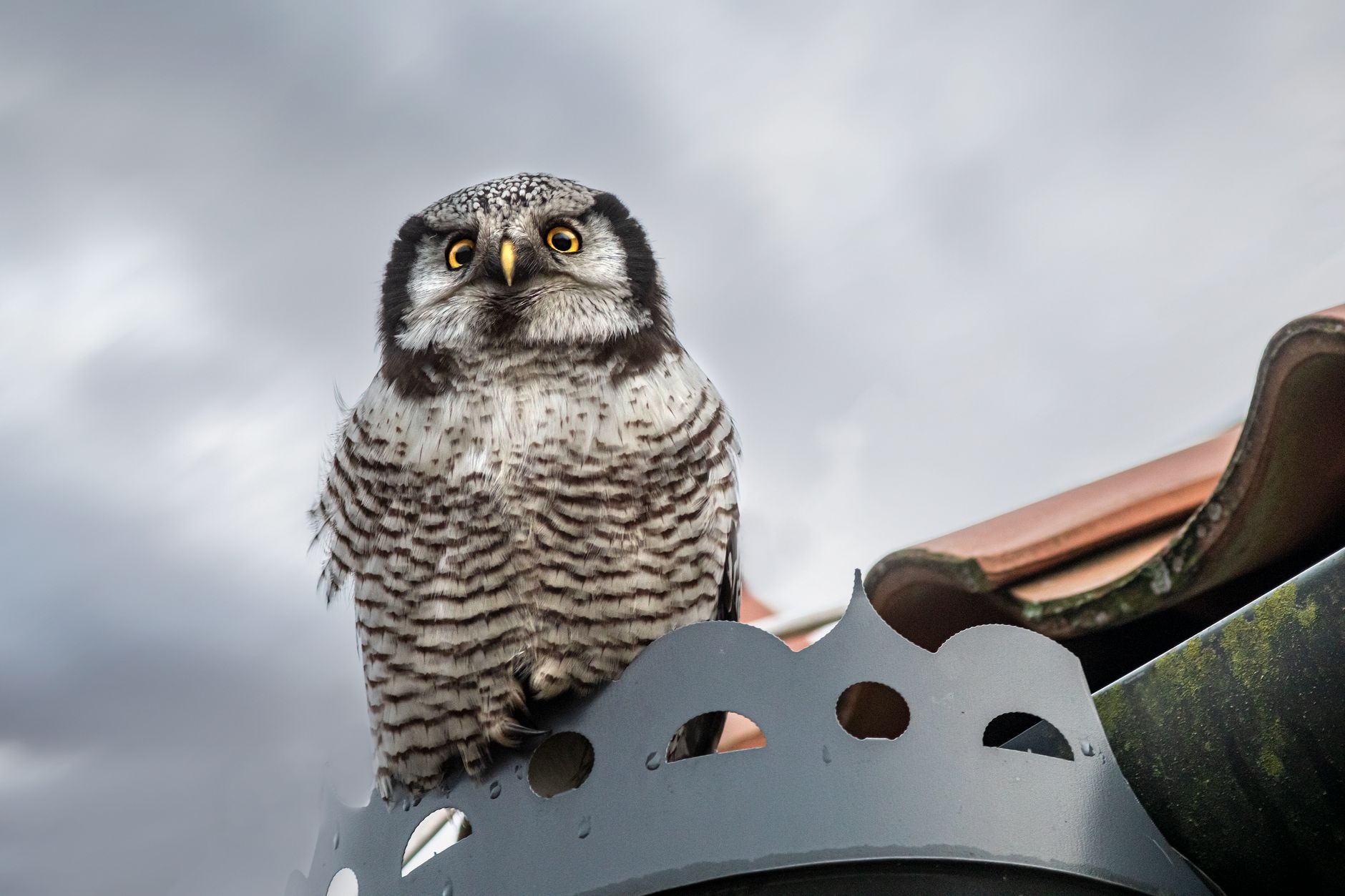
- Resource Control: A primary function of territory is to control access to essential resources, most notably food. A well-defended territory guarantees an owl, and its offspring, a reliable food supply.
- Nesting Security: Territories include safe nesting sites. Owls require secure locations to lay their eggs and raise their young, protected from predators and the elements.
- Mate Attraction: A high-quality territory can also attract a mate. A male owl with a prime hunting ground and secure nesting site is more likely to successfully attract and keep a female partner.
How Owls Establish and Defend Their Territory
Owls employ a range of strategies to establish and maintain their territorial boundaries.
- Vocalization: The most common method is vocalization. Owls are famous for their distinctive calls, which serve as warnings to potential intruders. Different owl species have distinct calls, allowing them to communicate territorial claims across long distances.
- Visual Displays: Some owls use visual displays, such as wing flapping, exaggerated postures, or flight patterns, to assert dominance.
- Physical Confrontation: In some cases, when vocal and visual warnings fail, owls may engage in physical altercations. These confrontations can be brief but sometimes escalate into serious fights. These are rare, because of the risk of injury.
- Scent Marking: Although less well-understood, some evidence suggests owls may also use scent marking to delineate their territories.
Factors Influencing Territory Size
The size of an owl’s territory is not fixed; it depends on several factors:
- Prey Availability: In areas with abundant prey, territories can be smaller. Conversely, where prey is scarce, owls need larger hunting grounds.
- Habitat Quality: Rich habitats with diverse prey species support smaller territories. Degraded or fragmented habitats require larger territories for adequate resource acquisition.
- Owl Species: Different owl species have varying territorial needs. Larger owls generally require larger territories than smaller species.
- Population Density: In areas with a high density of owls, territories may be smaller and more fiercely defended due to increased competition.
The Risks of Territorial Defense
While owning a territory provides numerous benefits, there are also risks associated with its defense.
- Energy Expenditure: Constant vigilance and defending a territory require significant energy.
- Injury Risk: Physical altercations can lead to injuries, potentially impairing an owl’s ability to hunt or defend itself.
- Predator Exposure: Defending a territory can make an owl more vulnerable to predators because it must focus its attention on rivals.
Territory Changes and Flexibility
Owl territories are not always static. They can change due to various factors, including:
- Seasonal Variations: Territories might expand or contract depending on seasonal changes in prey availability or breeding activity.
- Habitat Alterations: Loss or degradation of habitat can force owls to redefine their territories or even abandon them altogether.
- Owl Population Dynamics: Fluctuations in owl populations can lead to shifts in territorial boundaries and increased competition.
The ability to adapt to these changes is crucial for an owl’s long-term survival.
Frequently Asked Questions (FAQs)
What is the typical size of an owl territory?
The size varies dramatically between species. For example, a small screech owl may only need a few acres, while a large great horned owl can require several square miles. The determining factor is prey availability and habitat quality.
How do owls communicate their territorial boundaries?
Owls use a combination of vocalizations, visual displays, and potentially scent marking. Their distinctive hoots and calls are the most common form of territorial communication, serving as a warning to other owls.
Do owls share territories with other owl species?
Generally, owls of different species do not directly compete for the same territory. They often occupy different niches or hunt different prey, minimizing direct conflict. However, overlap can occur, leading to occasional confrontations.
What happens if an owl loses its territory?
Losing a territory can be detrimental to an owl’s survival and reproductive success. They may struggle to find enough food or a safe nesting site, and are more vulnerable to predation and starvation.
How long do owls typically hold onto a territory?
Some owls may hold onto the same territory for many years, even decades, especially if the habitat remains stable and prey is abundant. Others may be forced to relocate due to habitat loss or competition.
Are there any owl species that are not territorial?
While most owl species exhibit territorial behavior, there may be variations in the intensity of that behavior. Some nomadic or migratory owl species might have less clearly defined territories.
How does human development impact owl territories?
Human development, such as urbanization and deforestation, can significantly fragment and degrade owl habitats, leading to a reduction in territory size and increased competition.
What can be done to protect owl territories?
Conservation efforts, such as habitat preservation and restoration, are crucial for protecting owl territories. Reducing pesticide use and promoting sustainable forestry practices can also benefit owl populations.
How does weather affect owl territories?
Severe weather events, like droughts or heavy snowfall, can impact prey availability and force owls to expand their territories or even relocate.
Do young owls inherit their parents’ territories?
In some cases, young owls may inherit part of their parents’ territory, but this is not always the case. They often need to disperse and find their own suitable hunting grounds.
Do owls defend their territories year-round?
Territorial defense is typically most intense during the breeding season when owls are actively seeking mates and raising young. However, they may continue to defend their territories year-round to secure resources.
Do owls use the same nest every year?
Some owl species will reuse the same nest for multiple years in a row. They will often make small repairs. Other species build a new nest each year.