

What Fish Look Like They Are Kissing?
Many fish appear to “kiss” due to their unique feeding behaviors or social interactions, but the true kissing gourami is the species most frequently associated with this behavior. Its thick, fleshy lips, used for scraping algae and establishing social dominance, are responsible for this striking visual.

Introduction to the “Kissing” Phenomenon
The aquatic world is full of fascinating behaviors, and one of the most intriguing is the seemingly affectionate “kissing” seen in certain fish species. While it might appear romantic, this behavior is usually rooted in practicality – either feeding or establishing territory. Understanding the different reasons behind this “kissing” requires a closer look at the anatomy and behavior of these aquatic creatures. This article explores the diverse reasons what fish look like they are kissing?, focusing on the most prominent species exhibiting this behavior and detailing the scientific explanations behind it.

Are fish heads good for the garden?
Can fish hear water?
What is cotton rot in fish?
What colours are fish most attracted to?
Kissing Gouramis: The Quintessential “Kissers”
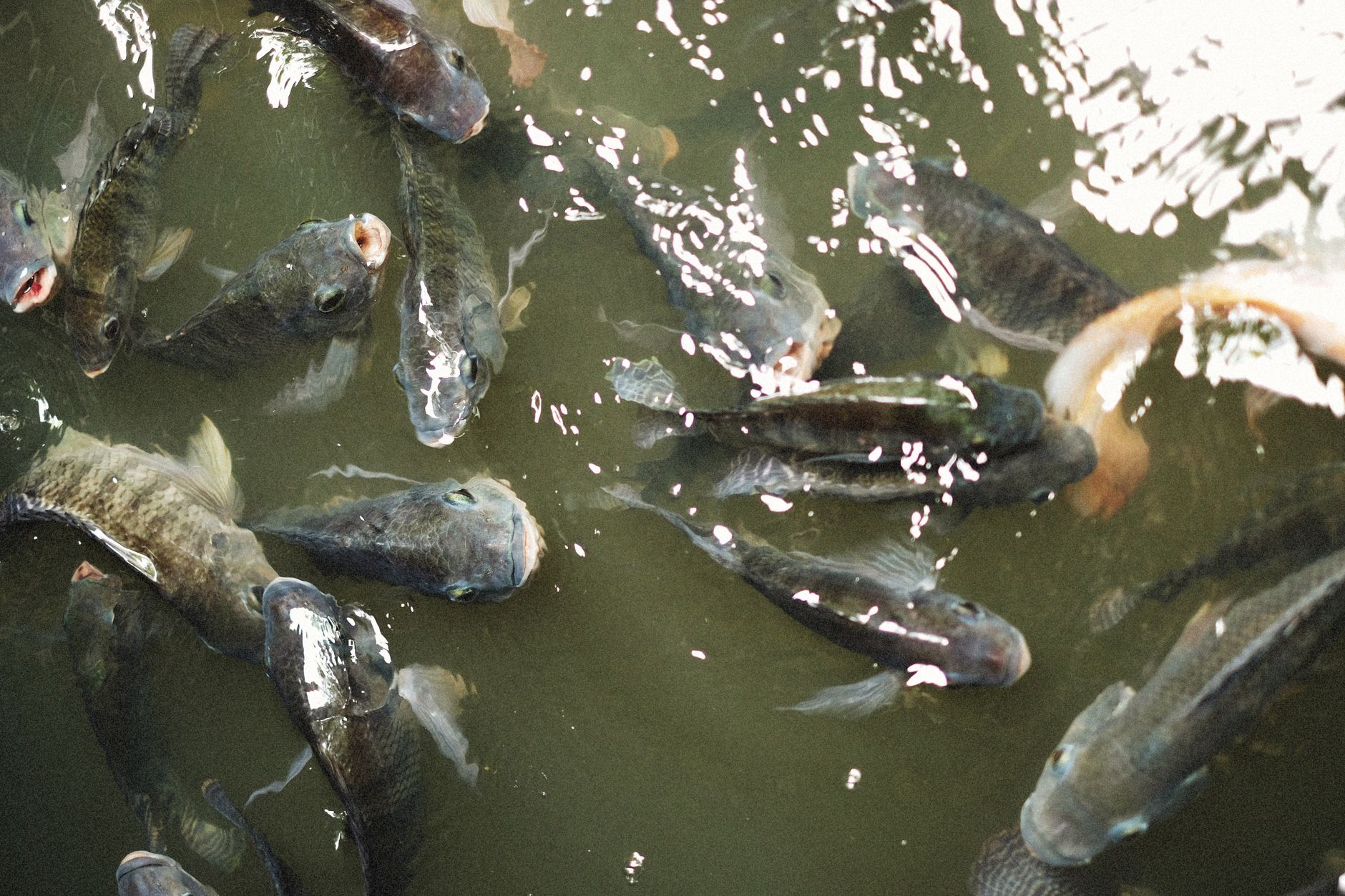
The kissing gourami (Helostoma temminckii) is arguably the most well-known fish species that appears to kiss. This behavior, predominantly observed among these fish, has little to do with affection. Instead, it serves two primary purposes:
- Algae Consumption: Kissing gouramis possess thick, fleshy lips which they use to scrape algae and other organic matter from surfaces. The action of pressing their mouths against objects and “kissing” them facilitates this feeding method.
- Establishing Dominance: Another critical purpose is asserting dominance. Two kissing gouramis will often engage in a mouth-to-mouth “kiss” that can last for extended periods. This is essentially a pushing contest to determine which fish is stronger and more dominant.
Other Fish Exhibiting “Kissing” Behavior
While kissing gouramis are the most famous, several other fish species also display behaviors that can resemble kissing. These include:
- Plecostomus (Plecos): These algae-eating catfish have sucker-like mouths that they use to cling to surfaces and graze on algae. Their movements across the tank glass can appear like they are planting kisses.
- Loricariids (Armored Catfish): Like plecos, these catfish have specialized mouths designed for rasping algae and biofilm, giving the appearance of kissing surfaces.
- Some Cichlids: Certain cichlids engage in mouth-to-mouth contact during courtship rituals or territorial disputes. This behavior, while not identical to the kissing gourami’s actions, can still resemble kissing.
The Science Behind the “Kiss”
The reason what fish look like they are kissing boils down to anatomical adaptations and behavioral strategies.
- Specialized Mouths: The structure of the mouth plays a crucial role. Species like the kissing gourami and plecos have evolved specialized mouths for feeding on algae and other surface-dwelling organisms. Their fleshy lips or sucker-like mouths create the illusion of kissing when they press against objects.
- Behavioral Triggers: The triggering factor for this behavior varies. For the kissing gourami, it’s both feeding and establishing dominance. Other species might exhibit similar behaviors during courtship, defense, or simply as part of their routine feeding habits.
Common Misconceptions About “Kissing” Fish
One of the biggest misconceptions is that the “kissing” behavior is an expression of affection. While fish are capable of complex social interactions, the mouth-to-mouth contact is generally functional rather than emotional.
Another misconception is that all “kissing” fish are the same. There’s significant variation in the anatomy and behavior of different species that exhibit this behavior. Understanding these differences is key to appreciating the diversity of the aquatic world.
Caring for “Kissing” Fish
Proper care is crucial for maintaining the health and well-being of any fish that exhibit “kissing” behavior. Here are some key considerations:
- Tank Size: Kissing gouramis can grow quite large (up to 12 inches), so they require a spacious tank. A minimum of 55 gallons is recommended. Plecos also require large tanks depending on the species.
- Water Quality: Maintaining excellent water quality is essential. Regular water changes and efficient filtration are a must.
- Diet: Provide a varied diet that includes algae-based foods, as well as other plant matter and protein sources.
- Tankmates: Be mindful of compatibility. Kissing gouramis can be territorial, especially towards others of their kind.
| Species | Tank Size (Minimum) | Diet | Temperament |
|---|---|---|---|
| Kissing Gourami | 55 gallons | Algae, plant matter, protein sources | Territorial |
| Plecostomus | 75 gallons+ | Algae, vegetables, sinking pellets | Peaceful (generally) |
| Loricariids | Varies, 20+ gallons | Algae, biofilm, driftwood, vegetables | Peaceful (generally) |
Frequently Asked Questions (FAQs)
What exactly constitutes “kissing” behavior in fish?
“Kissing” behavior in fish generally refers to the action of pressing the mouth against a surface or another fish. This behavior is often associated with feeding, cleaning, or establishing dominance, and it rarely signifies affection. The specific actions and their purpose vary significantly among different species.
Are all fish that “kiss” each other friendly?
No. While some mouth-to-mouth contact may be part of courtship rituals, it’s more commonly a sign of aggression or competition. Kissing gouramis, for example, often “kiss” to determine dominance, and this is not an act of friendship.
Do “kissing” fish require special food?
Fish that exhibit “kissing” behavior, particularly those that graze on algae, benefit from a diet rich in plant matter. Supplementing their diet with algae wafers or fresh vegetables is a good way to ensure they get the nutrients they need. However, a balanced diet remains crucial.
How can I tell if my kissing gouramis are fighting or just “kissing?”
Distinguishing between playful “kissing” and aggressive behavior can be tricky. If the “kissing” is prolonged and involves pushing or wrestling, it’s likely a dominance display. Watch for signs of injury or stress in the fish being targeted.
Is it possible to keep multiple kissing gouramis together?
Keeping multiple kissing gouramis together can be challenging due to their territorial nature. Providing a large tank with plenty of hiding places can help reduce aggression, but it’s not a guarantee of peaceful cohabitation. It’s often best to keep only one or a mated pair.
What other fish species besides the kissing gourami are known for “kissing?”
Besides the kissing gourami, plecos and other algae-eating catfish are often seen “kissing” the glass or decorations in their tanks. Some cichlids also engage in mouth-to-mouth contact, though this is usually for courtship or territorial reasons. Many different species contribute to what fish look like they are kissing.
How large do kissing gouramis typically grow?
Kissing gouramis can grow quite large, reaching up to 12 inches (30 cm) in length. This makes them unsuitable for small tanks.
What are the ideal water parameters for kissing gouramis?
Kissing gouramis prefer a water temperature between 72-82°F (22-28°C), a pH of 6.0-8.0, and moderate water hardness. Maintaining stable and clean water conditions is crucial for their health.
Are “kissing” fish susceptible to any specific diseases?
Like all fish, “kissing” fish are susceptible to common aquarium diseases such as ich, fin rot, and fungal infections. Maintaining good water quality and providing a healthy diet are the best ways to prevent disease.
Do plecos “kiss” each other, or only surfaces?
Plecos primarily “kiss” surfaces to graze on algae. While they might occasionally interact with other fish, their “kissing” behavior is almost always directed at surfaces.
What are the key differences between a kissing gourami and other “kissing” fish?
The main difference lies in the purpose of the “kiss.” Kissing gouramis “kiss” both for feeding and for establishing dominance, while other fish, like plecos, primarily “kiss” for feeding. The anatomy of their mouths also differs, with kissing gouramis having fleshy lips and plecos having sucker-like mouths.
Can I encourage “kissing” behavior in my aquarium?
You cannot directly force “kissing” behavior, but you can create an environment that encourages natural behaviors. For algae eaters, ensuring there’s algae growth (though not an uncontrolled bloom) is helpful. For kissing gouramis, providing a spacious tank with good water quality might allow them to exhibit their natural dominance displays. However, remember that what fish look like they are kissing is often related to dominance challenges that might turn violent in an enclosed area.