

What Fish Have Good Personalities? Unveiling the Charismatic Inhabitants of Our Aquatic World
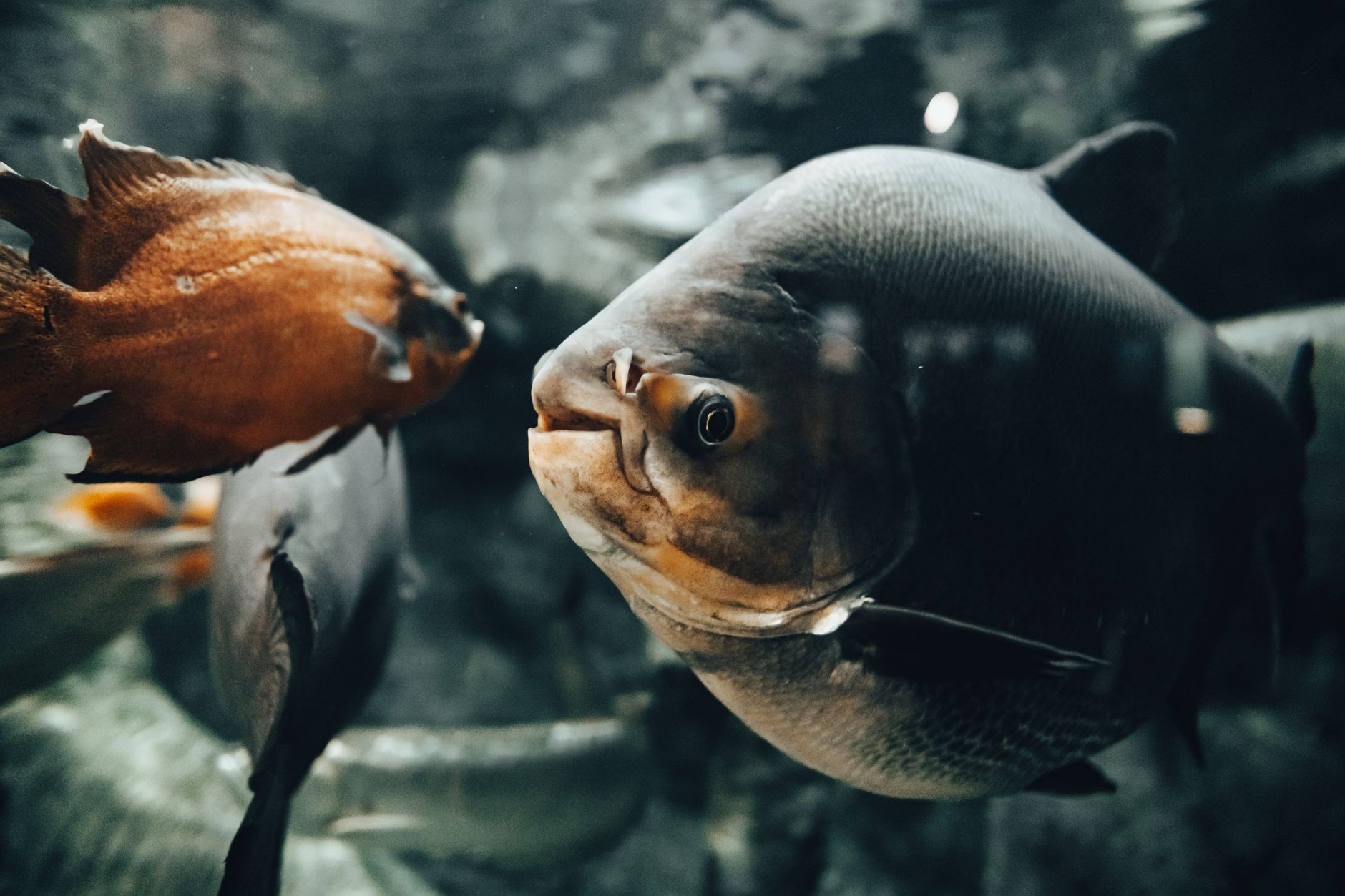
Certain fish, known for their engaging behaviors and interactions, exhibit what could be considered good personalities. These include cichlids, especially Oscars, puffers, bettas, and some species of catfish, each bringing a unique charm to the aquarium.

Understanding Fish Personality: Beyond the Scales
The question of what fish have good personalities? is more nuanced than simply choosing a colorful species. It delves into the fascinating realm of fish behavior, cognition, and the unique ways these creatures interact with their environment and their keepers. While we can’t ascribe human emotions to fish, we can observe behaviors that suggest individual temperaments and preferences, leading us to perceive some as having more engaging or “personable” qualities.
How intelligent are fish?
Are fish heads good for the garden?
Can fish hear water?
What is cotton rot in fish?
Factors Contributing to Fish “Personality”

Several factors contribute to our perception of a fish’s personality:
- Intelligence: Certain fish species, like Oscars and puffers, demonstrate problem-solving abilities and learn from experience, making them appear more intelligent and engaging.
- Interaction with Keepers: Some fish, like bettas and certain cichlids, learn to recognize their keepers and may even respond to them, creating a bond that enhances their perceived personality.
- Unique Behaviors: Playful behavior, curiosity, and individual quirks contribute to a fish’s distinct character. For example, a fish that consistently rearranges its tank decor might be seen as “mischievous.”
- Social Behavior: While some fish are solitary, others exhibit complex social structures and hierarchies, influencing their interactions and perceived personality.
Top Fish Known for Their Distinctive Personalities
Here are some standout species known for their engaging qualities and behaviors:
- Oscars (Astronotus ocellatus): Highly intelligent and interactive, Oscars are often described as “wet pets.” They recognize their keepers, can be trained to perform tricks, and exhibit distinct preferences.
- Pufferfish (Various species): Known for their intelligence and inquisitive nature, puffers are often seen exploring their surroundings and interacting with their environment. They can also be trained to eat from their keeper’s hand.
- Bettas (Betta splendens): Despite their territorial nature, bettas can form bonds with their keepers and exhibit unique behaviors. Their flowing fins and vibrant colors also add to their appeal.
- Cichlids (Various species): Cichlids, particularly South American and African varieties, are known for their complex social behaviors and parental care. They are also highly intelligent and interactive.
- Corydoras Catfish (Corydoras spp.): These peaceful bottom-dwellers are known for their playful and social nature. They are often seen schooling together and engaging in amusing behaviors.
Choosing the Right “Personality” for Your Aquarium
When considering what fish have good personalities? for your aquarium, it’s crucial to consider the following:
- Tank Size: Ensure your tank is large enough to accommodate the specific needs of the fish you choose. Some fish, like Oscars, require large tanks.
- Tank Mates: Research the compatibility of different species. Some fish are aggressive and may not be suitable for community tanks.
- Water Parameters: Maintain appropriate water parameters for the specific fish you choose.
- Diet: Provide a varied and nutritious diet.
- Enrichment: Provide adequate enrichment to stimulate your fish’s mind and prevent boredom. This can include rocks, plants, and other decorations.
Common Mistakes in Assessing Fish Personalities
- Anthropomorphizing: Attributing human emotions and motivations to fish can lead to misinterpretations of their behavior.
- Generalizing: Assuming that all individuals within a species will exhibit the same personality.
- Ignoring Environmental Factors: Failing to consider how environmental factors, such as tank size, water quality, and tank mates, can influence a fish’s behavior.
The Future of Fish Personality Research
As our understanding of fish cognition and behavior grows, we can expect to see further research into the nuances of fish personality. This research could shed light on the genetic and environmental factors that contribute to individual differences in fish behavior, allowing us to better understand and appreciate these fascinating creatures.
Frequently Asked Questions (FAQs)
What makes a fish have a “good” personality?
A “good” personality in a fish is subjective and depends on the observer. Generally, it refers to fish that are interactive, intelligent, exhibit unique behaviors, and are relatively peaceful. These traits make them more engaging and enjoyable to observe and care for.
Are Oscars really as intelligent as people say?
Oscars are known for their intelligence and ability to learn. They can recognize their keepers, be trained to perform tricks, and exhibit problem-solving skills. While it’s impossible to directly compare their intelligence to humans, they are undoubtedly among the most intelligent fish in the aquarium hobby.
Can pufferfish be kept with other fish?
Whether pufferfish can be kept with other fish depends on the species. Some puffers are highly aggressive and should be kept alone, while others are more peaceful and can be kept with carefully selected tank mates. Research the specific species before attempting to keep them in a community tank.
How do I know if my betta is happy?
A happy betta will typically display bright colors, an active and inquisitive nature, and a healthy appetite. They may also build bubble nests, which are a sign of reproductive readiness. Signs of an unhappy betta include dull colors, lethargy, clamped fins, and loss of appetite.
Are cichlids difficult to care for?
Cichlids can be more demanding than some other aquarium fish, requiring larger tanks, specific water parameters, and appropriate tank mates. However, with proper research and care, they can be rewarding and fascinating additions to any aquarium.
Do Corydoras catfish need to be kept in groups?
Yes, Corydoras catfish are social creatures and should be kept in groups of at least six individuals. Keeping them in groups allows them to exhibit their natural behaviors and reduces stress.
Can I train my fish to do tricks?
Yes, some fish, like Oscars and puffers, can be trained to perform simple tricks using positive reinforcement techniques, such as rewarding them with food for performing desired behaviors.
What is the best way to enrich my fish’s environment?
Enrichment is crucial for the well-being of fish. Provide a varied and stimulating environment with rocks, plants, caves, and other decorations. Offer a varied diet and consider training your fish to perform tricks.
How do I choose the right tank mates for my fish?
Research the specific needs and temperaments of the fish you are considering. Ensure that they are compatible in terms of tank size, water parameters, and aggression levels.
Is it cruel to keep fish in aquariums?
Whether it is cruel to keep fish in aquariums is a complex and ethical question. When kept in appropriately sized tanks with proper care and enrichment, fish can thrive and live fulfilling lives. Neglecting their needs or keeping them in unsuitable environments is undoubtedly cruel.
What are the signs of stress in fish?
Signs of stress in fish include loss of appetite, lethargy, clamped fins, erratic swimming, and increased susceptibility to disease. Identifying and addressing the source of stress is crucial for the fish’s health and well-being.
How often should I feed my fish?
The feeding frequency depends on the species and size of your fish. Most fish should be fed once or twice a day with an amount of food that they can consume within a few minutes. Avoid overfeeding, as this can lead to water quality problems.