

How Do I Know If My Dog Is Vitamin Deficient?
Wondering if your furry friend isn’t getting all the vitamins they need? Here’s how to tell: Observing changes in your dog’s energy levels, coat condition, appetite, and overall health can indicate a vitamin deficiency, warranting a checkup with your veterinarian.
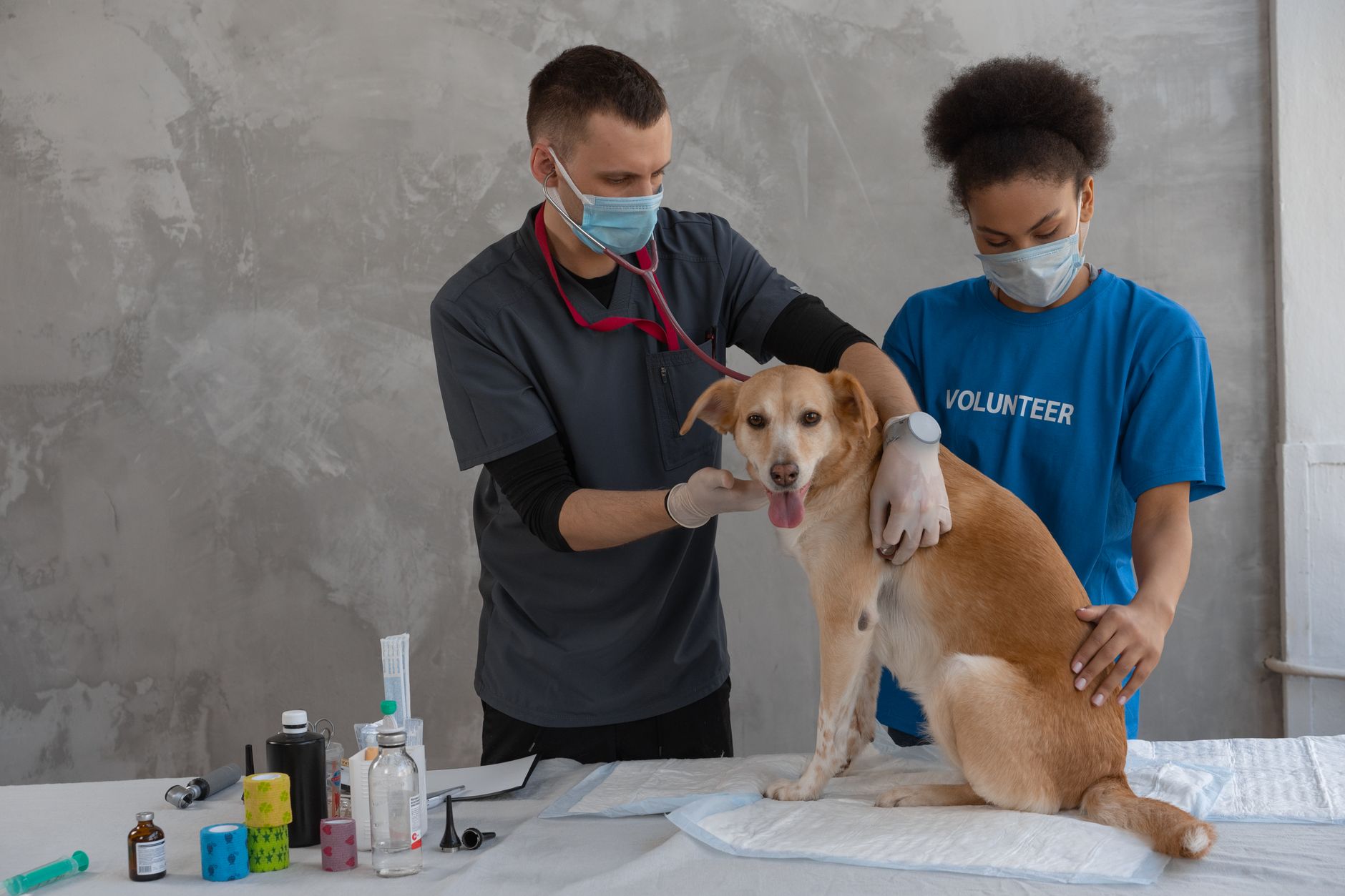
Introduction: Understanding Vitamin Deficiencies in Dogs
Vitamins are essential micronutrients that play a crucial role in maintaining a dog’s overall health and well-being. They support various bodily functions, including immune system function, energy production, cell growth and repair, and nerve function. While most commercial dog foods are formulated to meet a dog’s basic vitamin requirements, certain factors can contribute to vitamin deficiencies. These factors include poor-quality food, digestive issues, underlying medical conditions, and specific life stages (e.g., pregnancy, lactation, growth). Understanding the signs of vitamin deficiency is crucial for ensuring your dog receives the necessary nutrients for optimal health.
Identifying Potential Vitamin Deficiencies
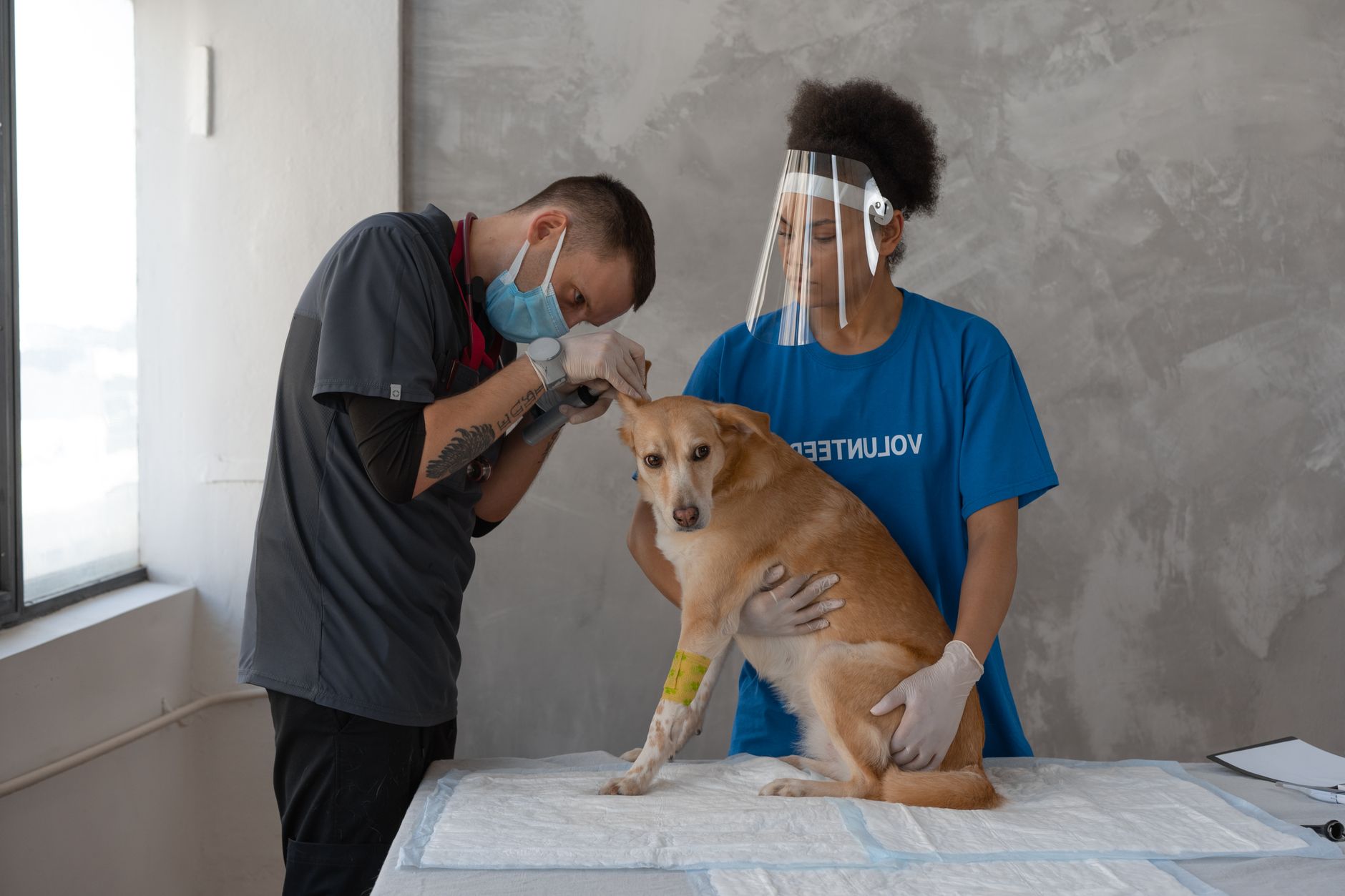
How do I know if my dog is vitamin deficient? Recognizing the signs of a potential vitamin deficiency in your dog is the first step in addressing the problem. Keep in mind that these symptoms can also be indicative of other health issues, so consulting with your veterinarian is crucial for accurate diagnosis.
Here are some common signs that may suggest a vitamin deficiency in your dog:
-
Lethargy and Weakness: A noticeable decrease in energy levels and reluctance to engage in physical activity can be a sign of vitamin deficiency, particularly B vitamins.
-
Poor Coat Condition: A dull, dry, brittle coat, hair loss, or excessive shedding may indicate a deficiency in essential fatty acids (often associated with vitamin E) or B vitamins.
-
Skin Problems: Skin issues like dryness, itching, scaling, and infections can be associated with deficiencies in vitamins A, E, and certain B vitamins.
-
Appetite Changes: A decreased appetite or, conversely, excessive eating (attempting to compensate for nutrient deficiencies) can be a symptom of vitamin imbalances.
-
Digestive Issues: Diarrhea, vomiting, and constipation can be associated with vitamin deficiencies, particularly those affecting the gut’s ability to absorb nutrients.
-
Muscle Weakness or Tremors: Deficiencies in certain vitamins, like vitamin D, can affect muscle function and lead to weakness or tremors.
-
Vision Problems: Vitamin A deficiency can, in severe cases, lead to vision problems.
Diagnosing Vitamin Deficiencies
If you suspect your dog may be vitamin deficient, it’s essential to consult with your veterinarian. Your veterinarian will perform a thorough physical examination, review your dog’s medical history and diet, and may recommend diagnostic tests to determine the cause of the symptoms.
Common diagnostic tests include:
- Blood Tests: Blood tests can help assess vitamin levels and identify any imbalances.
- Urine Analysis: Urine analysis can provide information about kidney function and nutrient excretion.
- Fecal Examination: Fecal examination can help identify digestive issues that may be contributing to nutrient malabsorption.
- Dietary History: A detailed dietary history is crucial to assess the quality and completeness of your dog’s diet.
Addressing Vitamin Deficiencies
The treatment for vitamin deficiencies will depend on the underlying cause and the specific vitamins that are deficient. Your veterinarian may recommend:
- Dietary Changes: Switching to a high-quality, balanced dog food formulated to meet your dog’s specific needs is often the first step.
- Vitamin Supplementation: Your veterinarian may prescribe vitamin supplements to address specific deficiencies. Always follow your veterinarian’s recommendations carefully regarding dosage and duration of supplementation.
- Treatment of Underlying Conditions: If an underlying medical condition is contributing to the vitamin deficiency, it will need to be treated.
Preventing Vitamin Deficiencies
Preventing vitamin deficiencies is always preferable to treating them. Here are some tips for ensuring your dog receives the necessary vitamins:
- Feed a High-Quality Diet: Choose a commercially prepared dog food that is formulated to meet your dog’s specific life stage and activity level. Look for foods that are “complete and balanced” according to AAFCO (Association of American Feed Control Officials) guidelines.
- Avoid Homemade Diets Without Expert Guidance: Homemade diets can be challenging to balance correctly and may inadvertently lead to vitamin deficiencies. If you choose to feed a homemade diet, consult with a veterinary nutritionist to ensure it meets your dog’s nutritional needs.
- Be Mindful of Supplements: While supplements can be beneficial in certain situations, excessive supplementation can be harmful. Always consult with your veterinarian before giving your dog any supplements.
- Regular Veterinary Checkups: Regular veterinary checkups can help identify potential health issues early on, including those that may contribute to vitamin deficiencies.
Vitamin Deficiency: Key Considerations
| Factor | Description |
|---|---|
| Diet Quality | The most important factor. Low-quality foods may lack essential nutrients. |
| Underlying Health | Conditions like intestinal malabsorption can hinder vitamin absorption. |
| Life Stage | Puppies, pregnant dogs, and senior dogs have different vitamin requirements. |
| Supplementation | Use supplements only under veterinary supervision to avoid toxicity. |
| Individual Needs | Breeds can have predispositions. Talk with your vet. |

Frequently Asked Questions (FAQs)
What are the most common vitamin deficiencies in dogs?
The most common vitamin deficiencies in dogs often involve the B vitamins, vitamin D, and vitamin E. These deficiencies can arise from poor diet, malabsorption issues, or underlying health conditions. Supplementation should only occur under the guidance of a veterinarian to prevent toxicity or imbalances.
Can I give my dog human vitamins?
No, you should not give your dog human vitamins without consulting your veterinarian. Human vitamins may contain ingredients that are toxic to dogs, and the dosages may not be appropriate. Always use vitamin supplements specifically formulated for dogs and prescribed by a veterinarian.
How do I know if my dog is getting too much of a certain vitamin?
Excessive supplementation can lead to vitamin toxicity, which can be harmful. Signs of vitamin toxicity can vary depending on the vitamin involved. If you suspect your dog is getting too much of a certain vitamin, contact your veterinarian immediately. Monitor your dog closely for changes.
Are certain breeds more prone to vitamin deficiencies?
Some breeds may be predisposed to certain health conditions that can affect nutrient absorption. For example, breeds prone to gastrointestinal issues may be more susceptible to vitamin deficiencies. Discuss breed-specific concerns with your veterinarian.
My dog eats a high-quality food; can they still be vitamin deficient?
Even dogs eating high-quality food can develop vitamin deficiencies if they have underlying health conditions that affect nutrient absorption, such as inflammatory bowel disease. Regular checkups and diagnostic testing can help identify potential issues.
How long does it take to correct a vitamin deficiency in a dog?
The time it takes to correct a vitamin deficiency depends on the severity of the deficiency and the underlying cause. With appropriate dietary changes and supplementation, improvements may be seen within a few weeks, but it can take several months for full recovery. Consistency is key.
Can stress cause vitamin deficiencies in dogs?
While stress doesn’t directly cause vitamin deficiencies, chronic stress can affect a dog’s immune system and digestive function, potentially leading to reduced nutrient absorption and utilization. Minimizing stress factors is important for overall health.
What are the risks of ignoring a potential vitamin deficiency?
Ignoring a potential vitamin deficiency can lead to serious health problems, including weakened immune system, impaired growth and development, organ damage, and neurological issues. Early detection and treatment are crucial to prevent long-term complications.
Is it okay to add fruits and vegetables to my dog’s diet for extra vitamins?
Adding small amounts of dog-safe fruits and vegetables to your dog’s diet can provide some extra vitamins, but it’s essential to ensure that the majority of their diet comes from a complete and balanced dog food. Consult with your veterinarian regarding appropriate fruits and vegetables to incorporate.
How often should I have my dog’s vitamin levels checked?
The frequency of vitamin level checks depends on your dog’s individual needs and health status. Your veterinarian can advise you on the appropriate schedule based on your dog’s breed, age, health history, and diet. Regular monitoring is recommended for dogs with known health issues.
What is the role of probiotics in vitamin absorption?
Probiotics can help improve gut health by promoting the growth of beneficial bacteria, which can enhance nutrient absorption, including vitamins. Your veterinarian can recommend appropriate probiotics for your dog if needed. Gut health is crucial for vitamin uptake.
How do I know if the vitamin supplement I’m giving my dog is working?
You may notice improvements in your dog’s energy levels, coat condition, and overall health after starting vitamin supplementation. Your veterinarian may also recommend repeat blood tests to assess vitamin levels and monitor the effectiveness of the treatment. Open communication with your vet is critical.