
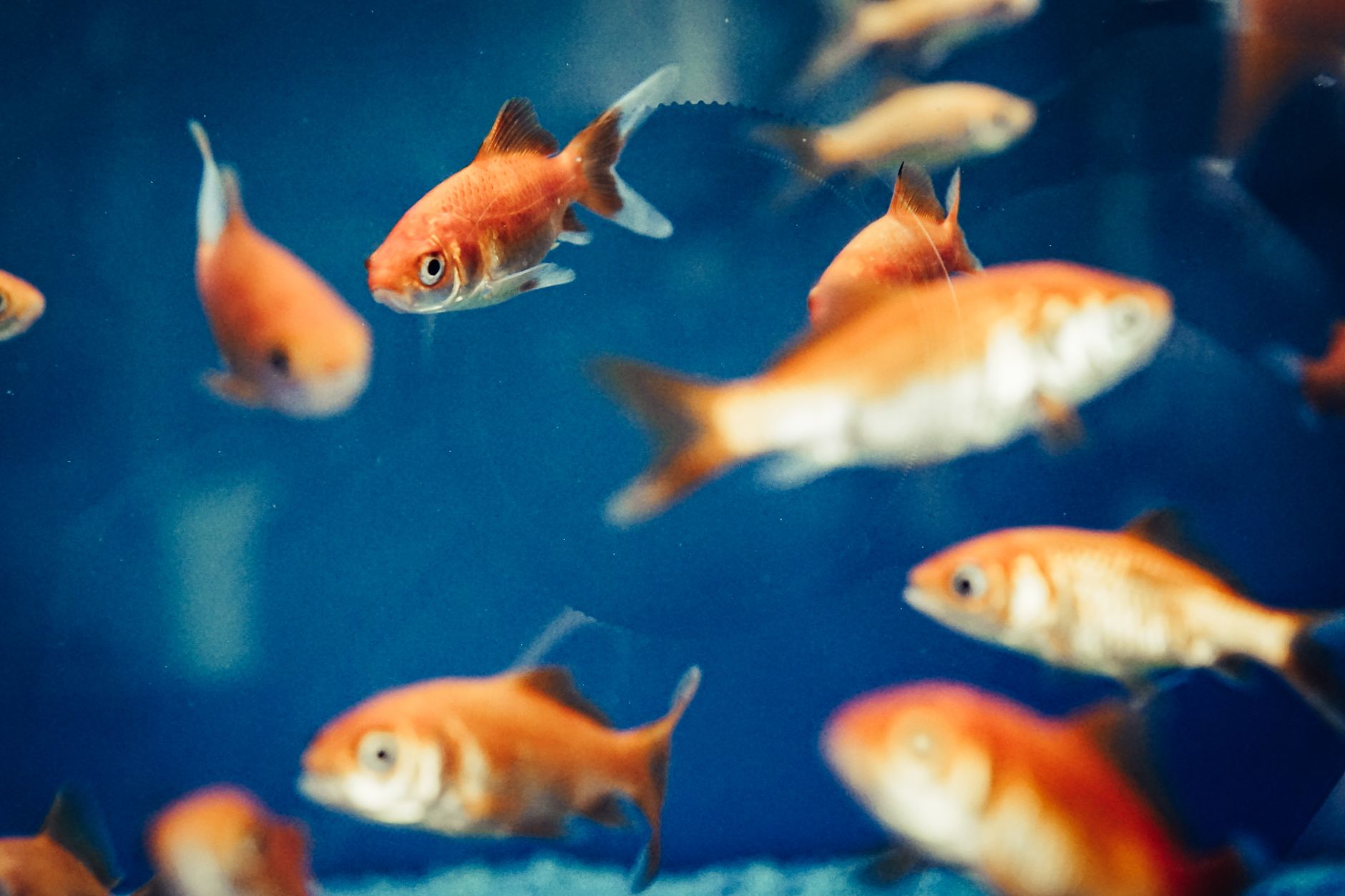
What Fish Can Thrive Solo: A Guide to Solitary Aquatic Life
Many fish species are social creatures, but some thrive in solitude; this article explores what fish can live alone, providing expert insights into species best suited for single-fish aquariums and offering essential care tips for their well-being.

Introduction: The Allure of the Single-Fish Aquarium
The idea of a single fish gracefully navigating a dedicated aquarium is appealing for many aquarists. Whether due to space constraints, a preference for simplicity, or a desire to provide the best possible environment for a specific species, the single-fish setup offers a unique and rewarding experience. However, it’s crucial to understand that not all fish are suited to this solitary existence. Selecting the right species is paramount to ensuring its health, happiness, and longevity. What fish can live alone? The answer lies in understanding their natural behaviors and environmental needs.

Are fish heads good for the garden?
Can fish hear water?
What is cotton rot in fish?
What colours are fish most attracted to?
Understanding Solitary Fish: More Than Just Tolerance
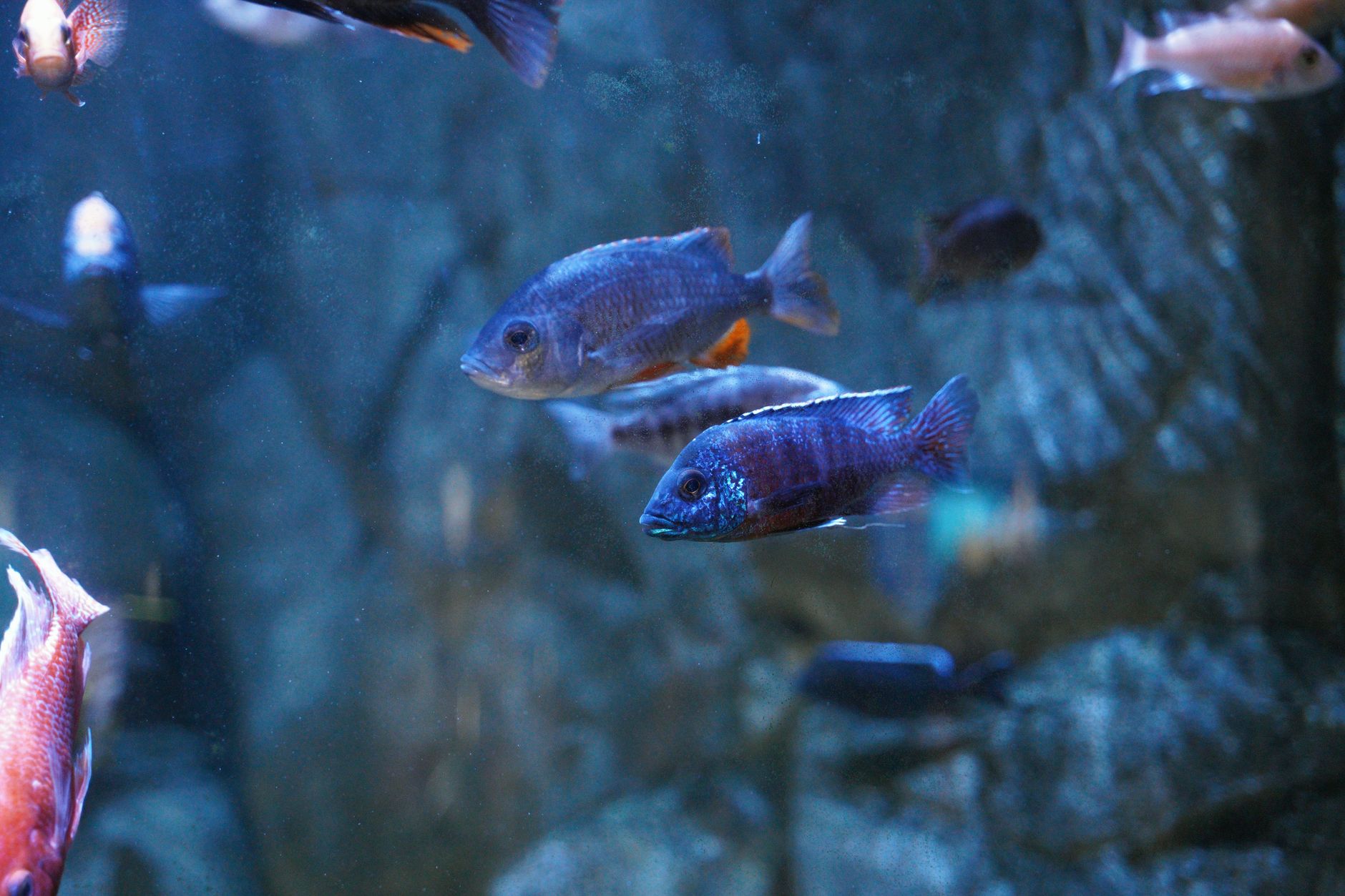
The term “solitary” in the context of aquarium keeping can be misleading. It doesn’t necessarily mean the fish prefers isolation, but rather that it tolerates it, and often even thrives in the absence of tank mates. Some fish are naturally territorial and aggressive towards their own kind or other species, making a solitary environment the most humane option.
- Territorial Aggression: Some fish fiercely defend their territory, engaging in constant battles with other fish, leading to stress and injury.
- Predatory Behavior: Certain species are natural predators and will view smaller fish as food, making cohabitation impossible.
- Sensitivity to Stress: Overcrowding can cause chronic stress in some fish, weakening their immune system and making them susceptible to disease.
Top Fish Species for Solitary Aquariums
Here’s a closer look at some of the most popular and suitable fish for single-fish aquariums:
- Betta (Betta splendens): Also known as the Siamese Fighting Fish, Bettas are renowned for their vibrant colors and flowing fins. Males are highly territorial and should never be kept together. A 5-gallon tank is the minimum recommended size.
- Paradise Fish (Macropodus opercularis): Similar to Bettas in their territorial nature, Paradise Fish are hardy and can tolerate cooler temperatures. A 20-gallon tank is ideal.
- Pea Puffer (Carinotetraodon travancoricus): These small, intelligent puffers can be kept singly in a 5-gallon tank. They require a varied diet and plenty of hiding places.
- Firefish Goby (Nemateleotris magnifica): While sometimes kept in pairs in larger tanks, Firefish Gobies can thrive alone in a 10-gallon tank. They are peaceful but may be bullied by more boisterous fish.
- Golden Wonder Killifish (Aplocheilus lineatus): These surface-dwelling fish are visually stunning and can be kept alone in a 10-gallon tank. They prefer a heavily planted environment.
Setting Up a Solitary Fish Aquarium: Creating the Perfect Environment
Creating the right environment is crucial for the well-being of your solitary fish. Consider the following factors:
- Tank Size: Research the minimum tank size requirements for your chosen species. Overcrowding can lead to stress and health problems.
- Filtration: A reliable filter is essential for maintaining water quality. Choose a filter appropriate for the tank size.
- Heating and Lighting: Provide appropriate heating and lighting to mimic the fish’s natural habitat.
- Substrate and Decoration: Choose a suitable substrate and decorate the tank with plants, rocks, and driftwood to provide hiding places and enrichment.
- Water Parameters: Maintain appropriate water parameters (temperature, pH, ammonia, nitrite, nitrate) through regular testing and water changes.
Diet and Feeding: Ensuring Nutritional Needs are Met
A balanced diet is vital for the health and longevity of your solitary fish. Research the specific dietary requirements of your chosen species.
- Live Foods: Many fish benefit from live foods such as brine shrimp, bloodworms, and daphnia.
- Frozen Foods: Frozen foods are a convenient alternative to live foods.
- Flake or Pellet Foods: Choose high-quality flake or pellet foods specifically formulated for your fish species.
- Feeding Frequency: Feed your fish once or twice a day, providing only as much food as they can consume in a few minutes.
Common Mistakes to Avoid
- Choosing the Wrong Species: Selecting a fish that is naturally social or requires a large tank can lead to problems.
- Overfeeding: Overfeeding can lead to water quality issues and obesity in fish.
- Neglecting Water Changes: Regular water changes are essential for maintaining water quality.
- Inadequate Filtration: A poor-quality filter can lead to the buildup of harmful toxins in the tank.
- Ignoring Signs of Illness: Early detection and treatment of illness are crucial for the health of your fish.
Frequently Asked Questions About Solitary Fish
What are the benefits of keeping a solitary fish?
Keeping a solitary fish simplifies tank maintenance, as you’re managing the needs of only one creature, making it ideal for beginners. Additionally, aggressive or territorial species are better suited for solitary life, preventing stress and injuries caused by tank mates.
Can I put a Betta fish in a community tank?
While sometimes possible with careful planning and a very large, heavily planted tank, it is generally not recommended to keep male Bettas in community tanks. They are highly territorial and prone to aggression, especially toward other brightly colored or long-finned fish. It is much safer and easier to keep them alone.
What size tank does a solitary fish need?
The minimum tank size depends entirely on the specific fish species you choose. Bettas can thrive in a 5-gallon tank, while larger species like Paradise Fish require a 20-gallon tank or larger. Always research the specific needs of your fish before setting up your aquarium.
How often should I perform water changes in a solitary fish tank?
Water change frequency depends on tank size, filtration, and feeding habits. A general guideline is to perform a 25% water change every 1-2 weeks. Regular water testing is crucial to ensure optimal water parameters.
What type of filter is best for a solitary fish tank?
The best filter depends on the tank size. A sponge filter is suitable for smaller tanks, while a hang-on-back filter or canister filter is more appropriate for larger tanks. Choose a filter that provides adequate filtration without creating excessive current.
How can I tell if my solitary fish is happy and healthy?
Signs of a happy and healthy fish include bright colors, active swimming, a good appetite, and no signs of illness. Regularly observe your fish for any changes in behavior or appearance.
Can I add snails or shrimp to a tank with a solitary fish?
This depends on the fish. Bettas, for example, may attack shrimp. Snails are often a safer bet. Pea puffers may eat both. Research compatibility carefully.
How do I prevent my solitary fish from getting bored?
Provide plenty of enrichment in the tank, such as plants, rocks, driftwood, and hiding places. Rearrange the tank periodically to create a new environment. You can also train your fish to perform simple tricks.
What should I do if my solitary fish gets sick?
Identify the symptoms and research potential causes. Isolate the sick fish in a quarantine tank if possible. Treat the fish with appropriate medication. Consult with a veterinarian specializing in aquatic animals if needed.
Are there any fish that absolutely should never be kept alone?
Yes, many schooling fish like tetras, rasboras, and corydoras catfish become stressed and unhealthy if kept without a group. These fish rely on the safety and social interaction of their school for survival.
Can I keep multiple solitary fish in separate tanks near each other?
While you can keep multiple solitary fish in separate tanks, be mindful of their proximity. For example, male bettas housed near each other may become stressed due to constantly displaying aggression.
What is the best way to introduce a solitary fish to its new tank?
Acclimate the fish slowly by floating the bag in the tank for 15-30 minutes to equalize the temperature. Then, gradually add small amounts of tank water to the bag over the next hour to acclimate the fish to the water parameters. Finally, gently release the fish into the tank.