

What Fish Are Overfished: A Deep Dive into Unsustainable Fishing Practices
The unfortunate reality is that many fish populations are being depleted at unsustainable rates; numerous commercially important fish species, like Atlantic cod, bluefin tuna, and orange roughy, are overfished, threatening marine ecosystems and global food security. This article explores the specific fish populations at risk and the urgent need for responsible fishing practices.

Understanding Overfishing: A Looming Threat
Overfishing occurs when fish are caught at a rate faster than they can reproduce and replenish their populations. This depletion of fish stocks can have devastating consequences for marine ecosystems, food webs, and the livelihoods of those who depend on fishing. Understanding the drivers and impacts of overfishing is crucial for implementing effective conservation measures. What fish are overfished? is not just a question of individual species but of entire ecosystems.

Are fish heads good for the garden?
Can fish hear water?
What is cotton rot in fish?
What colours are fish most attracted to?
Key Factors Contributing to Overfishing
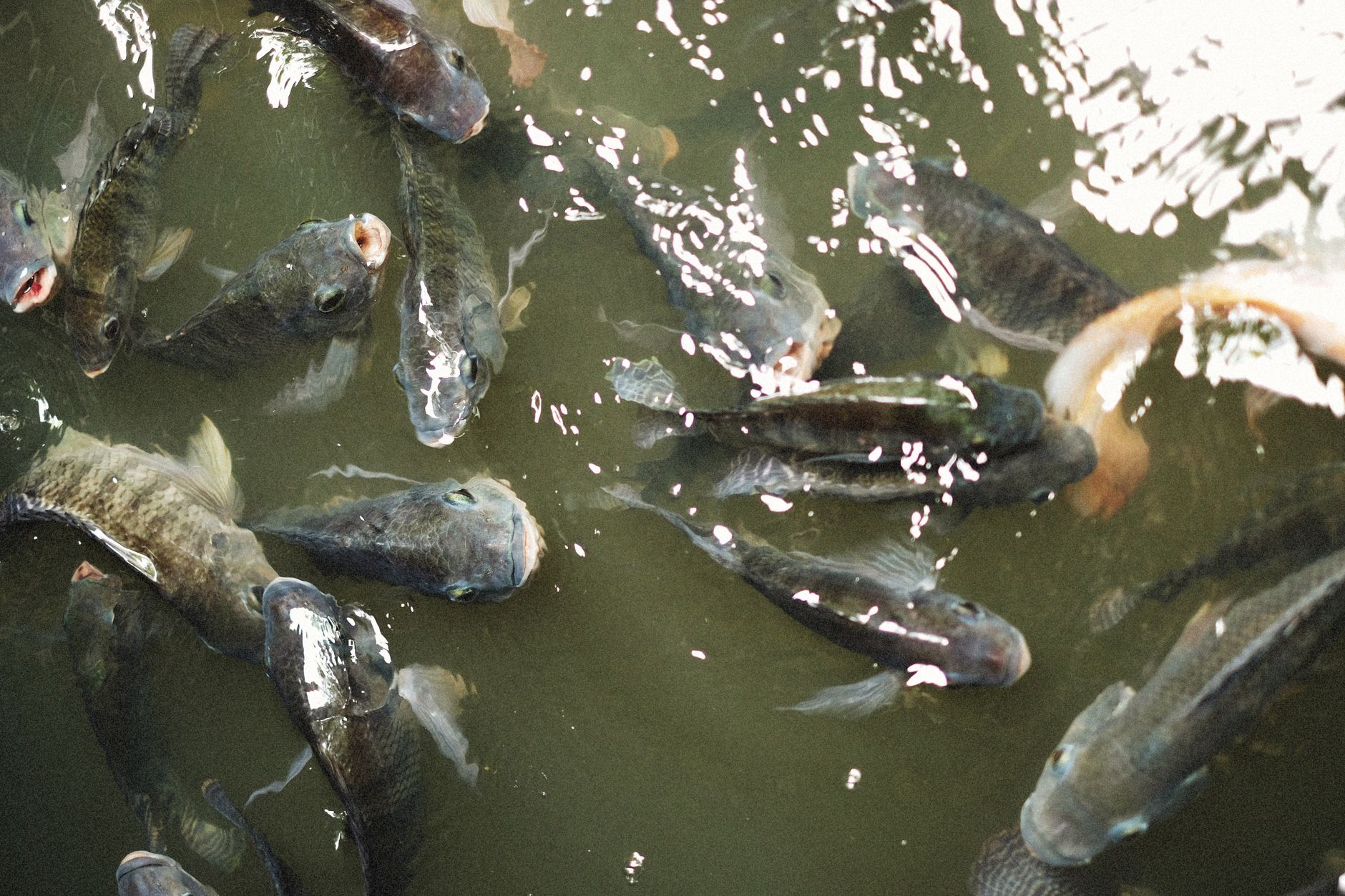
Several factors contribute to the widespread problem of overfishing:
- Increased Demand: Growing global populations and increasing seafood consumption drive the demand for fish, putting pressure on already vulnerable populations.
- Technological Advancements: Modern fishing technologies, such as sonar and large-scale trawling, allow for more efficient harvesting, often beyond sustainable levels.
- Lack of Effective Regulation: Weak enforcement of fishing regulations and inadequate monitoring of fish stocks allow overfishing to continue unchecked in many areas.
- Subsidies: Government subsidies that support fishing industries can incentivize overfishing by making it economically viable even when fish stocks are declining.
- Illegal Fishing: Unreported and unregulated (IUU) fishing contributes significantly to overfishing, circumventing conservation efforts and undermining sustainable fisheries management.
Commonly Overfished Species: A Troubling List
The list of overfished species is extensive and includes many popular seafood choices. Here are some notable examples:
- Atlantic Cod: Historically abundant, Atlantic cod populations have collapsed in many areas due to overfishing. Decades of unsustainable fishing practices have significantly reduced their numbers.
- Bluefin Tuna: Highly prized for sushi, bluefin tuna is severely overfished in both the Atlantic and Pacific oceans. Their slow reproductive rates make them particularly vulnerable.
- Orange Roughy: This deep-sea fish is slow-growing and late-maturing, making it highly susceptible to overfishing. Many orange roughy populations have been depleted to dangerously low levels.
- Shark Species: Many shark species, including hammerheads and oceanic whitetip sharks, are overfished due to demand for their fins and meat. Sharks are also vulnerable due to their slow reproductive rates.
- Grouper: Several grouper species are overfished, especially in tropical and subtropical waters. Their aggregating behavior during spawning makes them easy targets for fishing.
- Swordfish: Swordfish populations have been overfished in the past, but some stocks have recovered due to effective management measures. However, continued monitoring is crucial.
- Haddock: Similar to cod, Haddock populations in some areas have suffered from overfishing.
- Flounder: Several flounder species have seen declines from overfishing.
The Devastating Impacts of Overfishing
The consequences of overfishing extend far beyond the depletion of fish stocks:
- Ecosystem Disruption: Overfishing can disrupt the delicate balance of marine ecosystems, leading to cascading effects throughout the food web.
- Economic Losses: Depleted fish stocks can lead to economic losses for fishing communities and related industries.
- Food Security Concerns: Overfishing threatens global food security, particularly in regions where fish is a primary source of protein.
- Habitat Destruction: Certain fishing practices, such as bottom trawling, can damage sensitive marine habitats like coral reefs and seamounts.
Sustainable Seafood Choices: Making a Difference
Consumers can play a crucial role in promoting sustainable fisheries by making informed seafood choices. Here are some tips:
- Choose Certified Sustainable Seafood: Look for certifications like the Marine Stewardship Council (MSC) label, which indicates that the seafood comes from a well-managed fishery.
- Diversify Your Seafood Choices: Try eating less common species that are not as heavily fished.
- Support Sustainable Fisheries: Purchase seafood from local fishermen who practice sustainable fishing methods.
- Avoid Overfished Species: Consult seafood guides to identify species that are overfished and avoid purchasing them. Resources like the Monterey Bay Aquarium’s Seafood Watch are invaluable.
- Ask Questions: When buying seafood, ask your fishmonger or restaurant about the origin of the fish and how it was caught.
Promoting Responsible Fisheries Management
Effective fisheries management is essential for preventing overfishing and ensuring the long-term sustainability of fish stocks. This involves:
- Setting Catch Limits: Establishing science-based catch limits that prevent overfishing.
- Monitoring Fish Stocks: Regularly monitoring fish populations to assess their health and adjust management measures accordingly.
- Enforcing Regulations: Enforcing fishing regulations and cracking down on illegal fishing.
- Protecting Critical Habitats: Protecting essential fish habitats, such as spawning grounds and nurseries.
- Promoting Sustainable Fishing Practices: Encouraging the use of sustainable fishing methods that minimize bycatch and habitat damage.
- International Cooperation: Addressing overfishing through international cooperation and agreements.
Frequently Asked Questions (FAQs)
Which specific species are currently considered the most overfished globally?
- The list of overfished species varies depending on the region and the source of information. However, some consistently appear on these lists including Atlantic cod, bluefin tuna, orange roughy, various shark species (hammerhead, oceanic whitetip), and certain grouper populations. These species are facing severe depletion due to unsustainable fishing practices.
What is the role of aquaculture in addressing the overfishing problem?
- Aquaculture, or fish farming, can potentially reduce pressure on wild fish stocks by providing an alternative source of seafood. However, it’s crucial that aquaculture practices are sustainable to avoid environmental impacts such as pollution, habitat destruction, and the spread of diseases. When done right, it can significantly reduce the need to determine what fish are overfished.
How does climate change contribute to overfishing?
- Climate change can exacerbate overfishing by altering fish distributions, disrupting marine ecosystems, and affecting fish reproduction and growth rates. As ocean temperatures rise and ocean acidification increases, many fish species are migrating to cooler waters or experiencing reduced reproductive success, making them more vulnerable to overfishing.
What are the best seafood guides to use when making sustainable choices?
- Several reputable organizations provide seafood guides to help consumers make informed choices. The Monterey Bay Aquarium’s Seafood Watch is widely recognized for its comprehensive and science-based recommendations. Other reliable sources include the Marine Stewardship Council (MSC) and the Environmental Defense Fund (EDF).
What are the most damaging fishing practices that contribute to overfishing?
- Certain fishing practices are particularly destructive and contribute significantly to overfishing. Bottom trawling, which involves dragging heavy nets across the seafloor, can destroy sensitive habitats and capture non-target species as bycatch. Other damaging practices include longlining and gillnetting, which can also result in high levels of bycatch.
How can governments effectively combat illegal, unreported, and unregulated (IUU) fishing?
- Combating IUU fishing requires a multifaceted approach. Governments need to strengthen monitoring and enforcement efforts, implement port state measures to prevent illegally caught fish from entering the market, and cooperate internationally to share information and coordinate actions. Technology such as satellite tracking can also be used to monitor fishing vessels and detect illegal activity.
What are the economic consequences of overfishing for fishing communities?
- Overfishing can have devastating economic consequences for fishing communities that depend on healthy fish stocks for their livelihoods. As fish populations decline, fishermen catch less fish, leading to reduced income and job losses. This can also impact related industries such as seafood processing and tourism.
Are there any success stories of fish populations recovering from overfishing?
- Yes, there are some success stories of fish populations recovering from overfishing, demonstrating that recovery is possible with effective management. The Northwest Atlantic scallop fishery and some swordfish stocks have recovered due to strict catch limits, monitoring, and enforcement. These examples provide hope and demonstrate the importance of sustainable fisheries management.
What role do consumers play in preventing overfishing?
- Consumers play a critical role in preventing overfishing by making informed seafood choices. By choosing sustainable seafood options and avoiding overfished species, consumers can create demand for responsibly sourced seafood and incentivize fisheries to adopt sustainable practices. Supporting sustainable fisheries through purchasing power sends a strong signal to the market.
What is the Marine Stewardship Council (MSC) certification, and how does it help address overfishing?
- The Marine Stewardship Council (MSC) is an independent, non-profit organization that certifies fisheries as sustainable based on rigorous scientific standards. MSC certification helps address overfishing by incentivizing fisheries to adopt sustainable practices and providing consumers with a reliable way to identify seafood that comes from well-managed fisheries.
What are the long-term consequences if overfishing continues at the current rate?
- If overfishing continues at the current rate, the long-term consequences could be catastrophic. Marine ecosystems could collapse, leading to the loss of biodiversity and essential ecosystem services. Food security would be threatened, and millions of people who depend on fish for their livelihoods could be displaced. Action is needed to determine what fish are overfished and implement effective conservation measures.
How can technology be used to improve fisheries management and combat overfishing?
- Technology can play a vital role in improving fisheries management and combating overfishing. Satellite monitoring can track fishing vessels and detect illegal activity, while electronic monitoring systems can record catch data and monitor fishing gear. DNA barcoding can be used to verify the species of seafood products and prevent fraud, and artificial intelligence can analyze data to improve stock assessments and management decisions.
Understanding what fish are overfished? is only the first step. We must take action to protect our oceans and ensure a sustainable future for marine life and the communities that depend on them.