
What Fish Are Going Extinct Because of Overfishing?
Overfishing is driving numerous fish species toward extinction. This article details the devastating impact of unsustainable fishing practices and highlights some of the fish species most critically endangered due to overfishing, examining the multifaceted reasons behind their decline and what can be done to mitigate the crisis.
The Grim Reality of Overfishing
Overfishing, defined as harvesting fish faster than populations can naturally replenish, is a global crisis with devastating consequences for marine ecosystems. Beyond simply reducing fish stocks, it disrupts the entire food web, leading to habitat destruction and threatening the livelihoods of millions who depend on the ocean for sustenance. Understanding the scope and severity of this issue is crucial to implementing effective conservation strategies. The query, what fish are going extinct because of overfishing?, deserves a comprehensive response.
Are fish heads good for the garden?
Can fish hear water?
What is cotton rot in fish?
What colours are fish most attracted to?
Identifying Vulnerable Species

Pinpointing the exact number of fish species on the brink of extinction due solely to overfishing is challenging. Many factors contribute to population decline, including habitat loss, pollution, and climate change. However, several species are particularly vulnerable to overfishing pressure due to their life histories, distribution patterns, and the high demand for their meat or other products. These include:
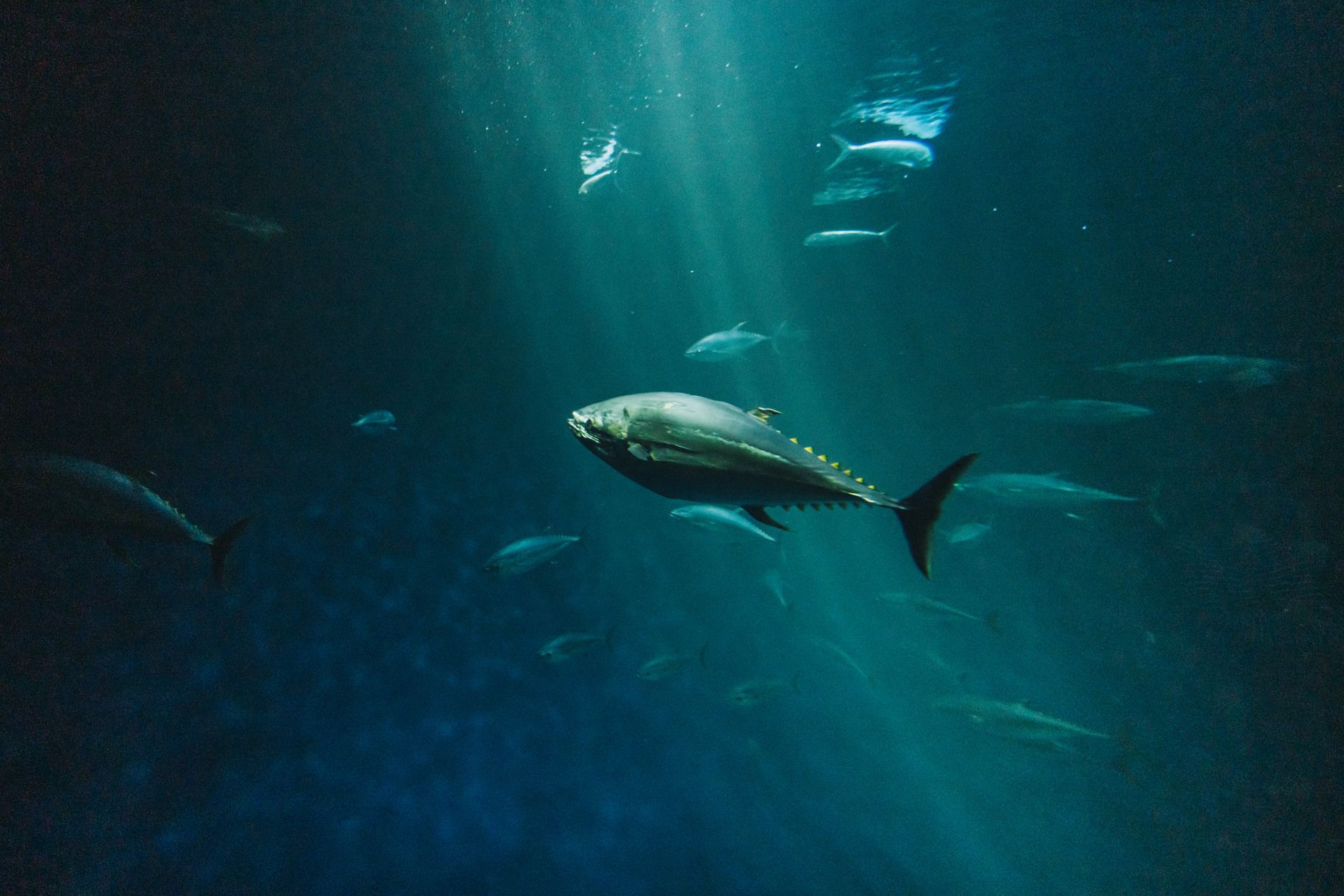
- Atlantic Bluefin Tuna (Thunnus thynnus): Highly prized for sushi, this magnificent fish has suffered drastic population declines in both the Atlantic and Mediterranean. Unsustainable fishing practices combined with slow reproductive rates have pushed it toward the brink.
- European Eel (Anguilla anguilla): Catches have plummeted by over 90% in recent decades. Overfishing, combined with habitat loss and pollution, poses a severe threat to their survival.
- Orange Roughy (Hoplostethus atlanticus): This deep-sea fish is particularly susceptible to overfishing due to its slow growth rate and late maturity. Once abundant, populations have been decimated in many areas.
- Sharks and Rays: As apex predators, sharks and rays play a vital role in maintaining healthy marine ecosystems. Many species are threatened by overfishing, particularly for their fins, meat, and liver oil.
- Some species of Grouper: Popular in many cuisines, grouper are often targeted during spawning aggregations, making them extremely vulnerable to overfishing.
Factors Contributing to Overfishing
Several factors contribute to the overexploitation of fish stocks:
- Increased Fishing Capacity: Modern fishing technology allows vessels to catch enormous quantities of fish quickly and efficiently, exceeding the ocean’s ability to replenish populations.
- Illegal, Unreported, and Unregulated (IUU) Fishing: IUU fishing undermines sustainable fisheries management efforts and exacerbates overfishing.
- Subsidies: Government subsidies to the fishing industry can incentivize overfishing by making it more profitable, even when stocks are depleted.
- Lack of Enforcement: Inadequate enforcement of fisheries regulations allows overfishing to continue unchecked.
- Consumer Demand: High consumer demand for certain fish species drives overfishing, creating a powerful economic incentive to exploit these resources.
The Ecological Consequences
The ecological consequences of overfishing extend far beyond the loss of individual species. It disrupts the delicate balance of marine ecosystems, leading to:
- Trophic Cascades: The removal of apex predators like sharks can lead to an increase in populations of their prey, which in turn can decimate populations of smaller fish and invertebrates.
- Habitat Degradation: Destructive fishing practices like bottom trawling can damage or destroy critical habitats like coral reefs and seagrass beds.
- Reduced Biodiversity: Overfishing reduces the overall biodiversity of marine ecosystems, making them more vulnerable to environmental changes.
- Impaired Ecosystem Functioning: Healthy ecosystems rely on a complex web of interactions between different species. Overfishing disrupts these interactions, impairing the overall functioning of the ecosystem.
Mitigating the Crisis: Strategies for Sustainable Fishing
Combating overfishing requires a multi-faceted approach that addresses the underlying drivers of the problem. Key strategies include:
- Strengthening Fisheries Management: Implementing science-based management plans that set sustainable catch limits and protect critical habitats.
- Reducing Fishing Capacity: Reducing the size and capacity of fishing fleets to match the available resources.
- Combating IUU Fishing: Strengthening monitoring, control, and surveillance to deter illegal fishing activities.
- Eliminating Harmful Subsidies: Reforming fisheries subsidies to remove incentives for overfishing.
- Promoting Sustainable Aquaculture: Developing and promoting sustainable aquaculture practices to reduce pressure on wild fish stocks.
- Empowering Coastal Communities: Involving local communities in fisheries management decisions and providing them with alternative livelihoods.
- Educating Consumers: Raising awareness among consumers about the impacts of overfishing and encouraging them to choose sustainable seafood options.
- Establishing Marine Protected Areas (MPAs): Creating MPAs where fishing is restricted or prohibited to allow fish populations to recover.
The Role of Consumers
Consumers play a crucial role in promoting sustainable fishing practices. By making informed choices about the seafood they consume, they can help to reduce demand for overfished species and support responsible fisheries. Resources like the Monterey Bay Aquarium’s Seafood Watch program can help consumers identify sustainable seafood options.
Frequently Asked Questions (FAQs)
What are the main causes of overfishing?
The main causes of overfishing are complex and interconnected, but they generally stem from increased fishing capacity due to technological advancements, destructive fishing practices like bottom trawling, the pursuit of short-term economic gains over long-term sustainability, illegal, unreported, and unregulated (IUU) fishing, and government subsidies that incentivize overfishing. Ultimately, unchecked consumer demand exacerbates the problem.
Which areas of the world are most affected by overfishing?
While overfishing is a global problem, certain regions are particularly affected. Southeast Asia, parts of Africa, and regions surrounding Europe have significantly depleted fish stocks. Areas with weak fisheries management or high rates of illegal fishing are especially vulnerable. The question of what fish are going extinct because of overfishing? is particularly acute in these regions.
How does overfishing affect marine ecosystems?
Overfishing has profound and cascading effects on marine ecosystems. Removing key species, particularly apex predators, can disrupt food webs, leading to imbalances in population sizes of other species. This can result in the decline of some species and the explosion of others, ultimately reducing biodiversity and ecosystem resilience.
What is IUU fishing, and why is it a problem?
IUU fishing stands for Illegal, Unreported, and Unregulated fishing. It involves fishing activities that violate national or international laws, are not reported to relevant authorities, or are conducted in the absence of effective regulations. IUU fishing undermines sustainable fisheries management efforts, depletes fish stocks, and often involves human rights abuses.
Can aquaculture solve the problem of overfishing?
Aquaculture, or fish farming, can potentially reduce pressure on wild fish stocks if practiced sustainably. However, unsustainable aquaculture practices can create new environmental problems, such as habitat destruction, pollution, and the spread of diseases. Responsible aquaculture, which minimizes these impacts, is essential.
What is bycatch, and how does it contribute to overfishing?
Bycatch refers to the unintentional capture of non-target species during fishing operations. These species are often discarded, resulting in significant mortality. Bycatch can contribute to the decline of vulnerable populations, including marine mammals, seabirds, and endangered fish species.
What are Marine Protected Areas (MPAs), and how do they help?
Marine Protected Areas (MPAs) are designated areas where fishing and other activities are restricted or prohibited. MPAs can provide refuge for fish populations, allowing them to recover and rebuild. They also protect critical habitats and contribute to overall ecosystem health.
What is sustainable seafood, and how can consumers identify it?
Sustainable seafood comes from sources that maintain healthy fish populations and minimize environmental impacts. Consumers can identify sustainable seafood by looking for ecolabels from organizations like the Marine Stewardship Council (MSC) or using seafood guides from organizations like the Monterey Bay Aquarium’s Seafood Watch.
What are the long-term consequences of overfishing if it continues unchecked?
If overfishing continues unchecked, the long-term consequences could be catastrophic. We could face widespread collapse of fish stocks, irreversible damage to marine ecosystems, and significant economic hardship for communities that depend on fishing. The list of answers to “What fish are going extinct because of overfishing?” will unfortunately grow.
How can governments and international organizations work together to combat overfishing?
Governments and international organizations can collaborate to combat overfishing through several measures, including establishing and enforcing international fisheries agreements, sharing data and best practices, providing financial and technical assistance to developing countries, and combating IUU fishing.
What is the role of technology in sustainable fisheries management?
Technology plays a crucial role in sustainable fisheries management. This includes using electronic monitoring systems to track fishing vessel activity, developing selective fishing gear to reduce bycatch, and employing remote sensing technologies to assess fish stocks and habitat conditions.
Are there any success stories of fish populations recovering from overfishing?
Yes, there are some success stories of fish populations recovering from overfishing. Through strict regulations, habitat restoration, and community involvement, some populations of fish like the haddock in the Northwest Atlantic, have shown remarkable recovery. These examples demonstrate that it is possible to reverse the effects of overfishing with effective management strategies, offering hope for other endangered species. The critical question remains: what fish are going extinct because of overfishing?, and what actions are taken now to address this critical issue?