

What Fish Are Betta Scared Of? Understanding Betta Fish Fears
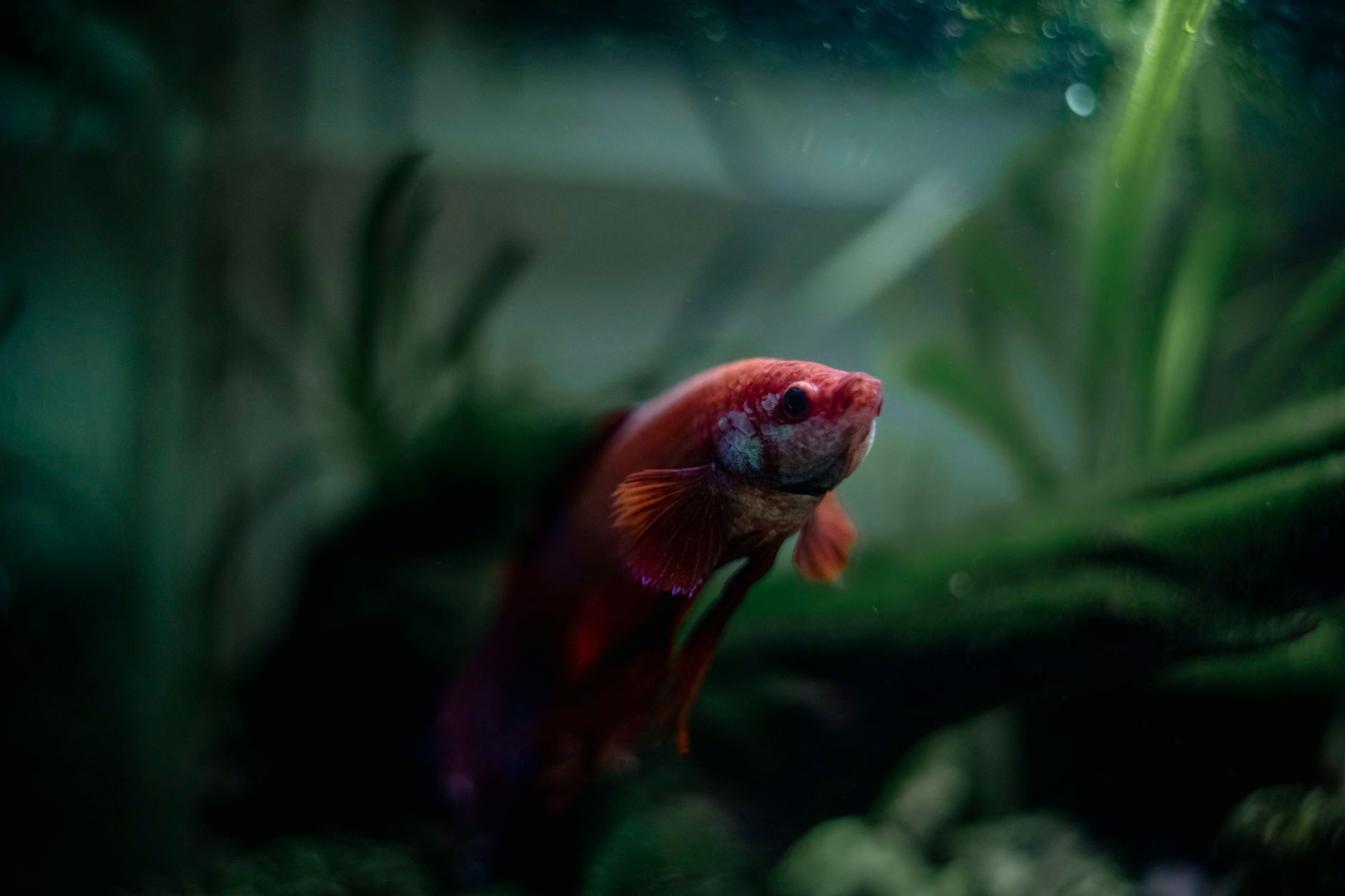
Betta fish, known for their vibrant colors and flowing fins, are territorial and aggressive. Therefore, betta aren’t necessarily “scared” of other fish in the traditional sense, but rather, they perceive many as threats to their territory or rivals, leading to stress and aggression.
Understanding Betta Fish Aggression
The Siamese fighting fish, or betta splendens, has a well-deserved reputation for aggression, especially males. This isn’t always fear, but a defense mechanism against perceived threats. What fish are betta scared of? isn’t just about fear, but also about which fish trigger their defensive instincts. Understanding the root of this aggression is crucial for successfully keeping bettas in a community tank (though, single housing is often recommended).
- Territoriality: Bettas are highly territorial and will defend their space against intruders. This is a primary driver of aggression.
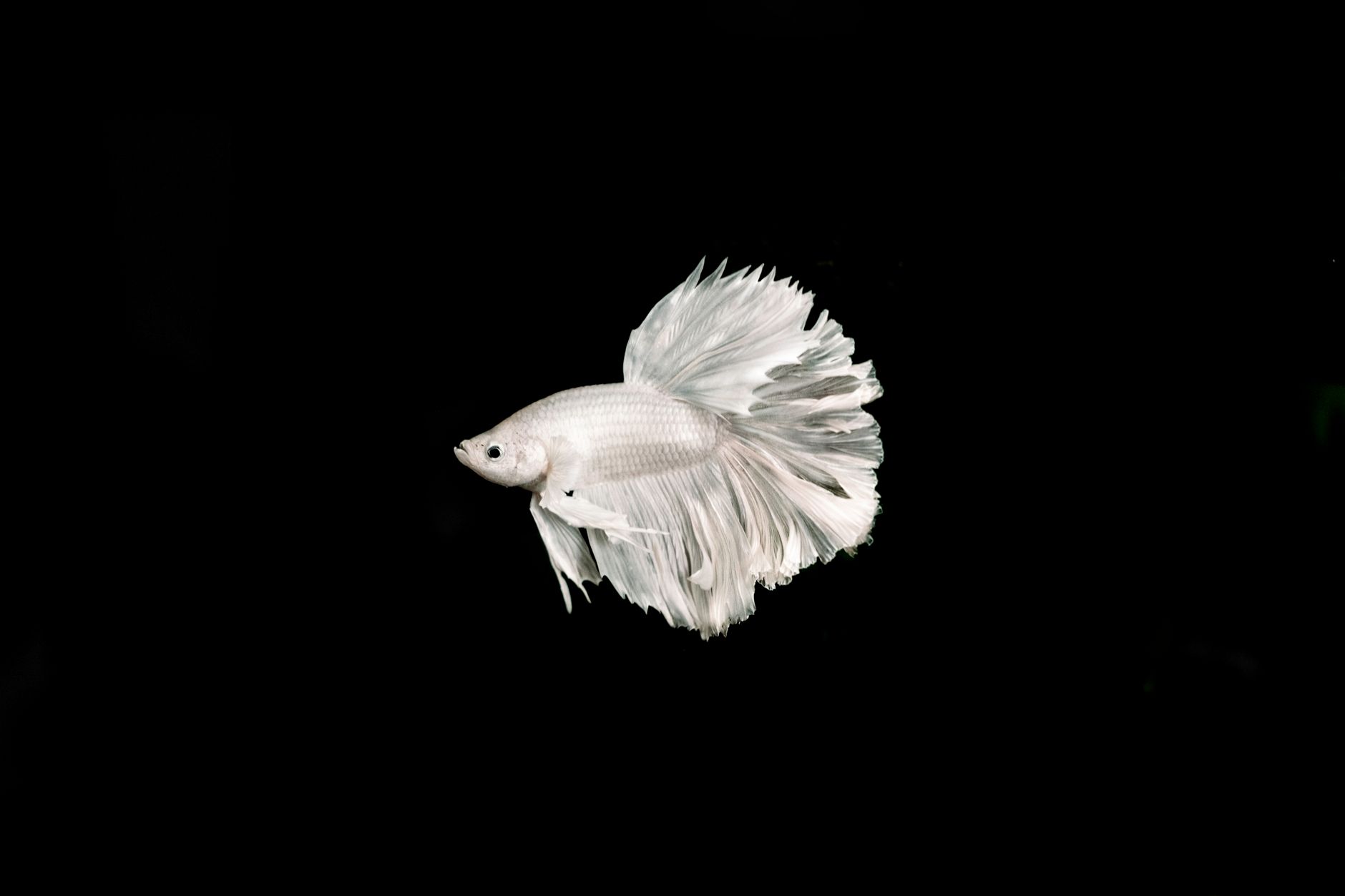
- Appearance: Fish that resemble other male bettas, with long fins and bright colors, are often perceived as rivals.
- Temperament: Aggressive or boisterous fish can stress a betta, leading to defensive aggression.
How intelligent are fish?
Are fish heads good for the garden?
Can fish hear water?
What is cotton rot in fish?
The Culprits: Fish to Avoid Keeping with Bettas
It’s important to understand that compatibility is always a risk, even with seemingly docile fish. However, certain species are known to consistently cause problems.
- Other male bettas: This is a definite no. They will fight to the death.
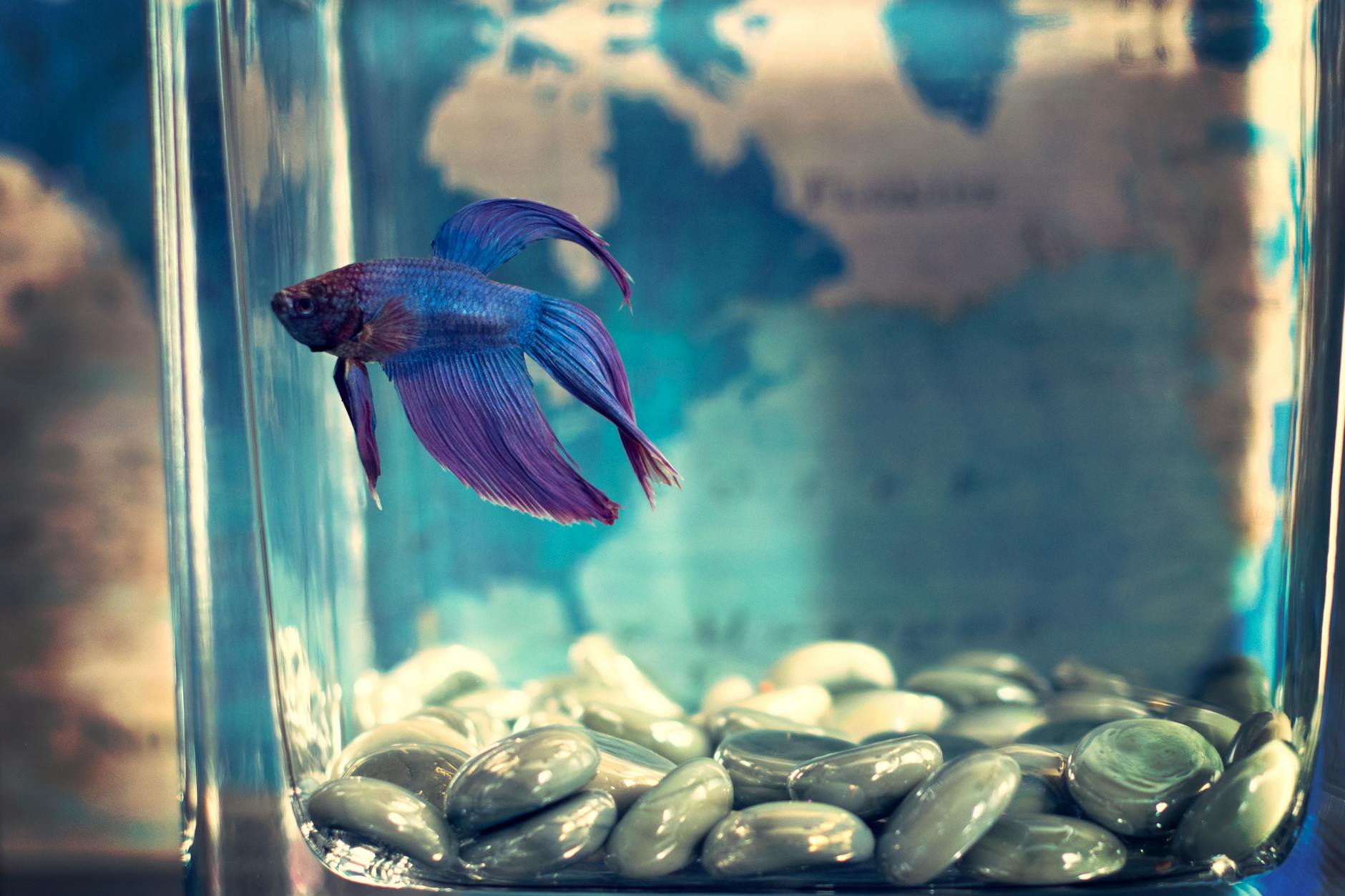
- Similar-looking fish: Fish with long, flowing fins and bright colors, such as fancy guppies or male endlers, can be mistaken for rivals.
- Fin-nipping fish: These fish will target a betta’s long fins, causing stress and injury. Common fin-nippers include:
- Tiger barbs
- Serpae tetras
- Rosy barbs
- Aggressive or boisterous fish: Fish that are naturally aggressive or very active can stress a betta, leading to defensive behavior. Examples include:
- Cichlids (especially African cichlids)
- Some types of gouramis (although some gourami species can coexist, it is not always a certainty)
- Most sharks (Red Tail Sharks, Rainbow Sharks)
Potential Tank Mates: A Risky Proposition
While keeping bettas alone is the safest option, some species may coexist in a large, well-planted tank with plenty of hiding places. The success rate varies widely.
| Fish Species | Compatibility with Bettas | Notes |
|---|---|---|
| Corydoras Catfish | Potentially Compatible | Peaceful bottom-dwellers. Ensure enough space and hiding places. Monitor closely. |
| Kuhli Loaches | Potentially Compatible | Peaceful bottom-dwellers. Monitor closely. |
| Nerite Snails | Generally Compatible | Peaceful algae eaters. |
| Mystery Snails | Generally Compatible | Larger snails that can help control algae. Betta may nip their antenna at first. Monitor closely. |
| Ghost Shrimp | Sometimes Compatible | Can be eaten by bettas. Provide plenty of hiding places. Monitor closely. |
| Harlequin Rasboras | Potentially Compatible | Peaceful schooling fish. Ensure enough space and hiding places. Monitor closely |
| Ember Tetras | Potentially Compatible | Peaceful schooling fish. Ensure enough space and hiding places. Monitor closely |
Creating a Safe Environment
Regardless of the tank mates chosen, a safe and enriching environment is essential for minimizing stress and aggression.
- Tank size: A larger tank (10 gallons or more) provides more space and reduces territorial disputes.
- Hiding places: Plants, caves, and driftwood provide refuge for the betta and other fish.
- Water quality: Maintain excellent water quality through regular water changes and proper filtration.
- Observation: Closely monitor the betta’s behavior and the behavior of its tank mates. Be prepared to separate fish if necessary.
- Cover/Floating Plants: Floating plants like water lettuce or frogbit can create shaded areas that bettas enjoy and provide visual barriers.
Recognizing Signs of Stress
Being able to identify signs of stress in a betta is crucial for intervening before the situation escalates.
- Hiding excessively: Spending most of the time hiding is a sign of stress or illness.
- Loss of appetite: A stressed betta may refuse to eat.
- Faded colors: Dull colors can indicate stress or illness.
- Clamped fins: Holding the fins close to the body is a sign of discomfort.
- Erratic swimming: Darting or twitching can indicate stress or illness.
Frequently Asked Questions (FAQs)
What is the best tank size for a betta fish with tank mates?
A minimum of 10 gallons is recommended for keeping a betta with peaceful tank mates. Larger tanks, such as 20 gallons or more, are even better as they provide more space and reduce the likelihood of territorial disputes. Remember to over-filter the tank if you add more fish.
Can I keep two female bettas together in the same tank?
While sometimes possible, keeping multiple female bettas (a sorority) is risky and requires careful planning and monitoring. It can often fail. It requires a large, well-planted tank with at least 5 female bettas to distribute aggression. There’s always a risk of fighting and injury. Be prepared to separate them if necessary.
How do I introduce a betta to a community tank?
Introduce the betta last to an established community tank. This gives the other fish a chance to establish their territories first. Float the betta in a bag for about an hour to acclimate it to the water temperature and then slowly release it into the tank. Monitor closely for signs of aggression.
What fish are betta scared of in a larger tank?
Even in a larger tank, betta fish can be intimidated by aggressive or boisterous fish. As well as the ones listed earlier, very large fish, even peaceful ones, may intimidate a betta, although actual damage is unlikely. The key is to choose peaceful and non-nippy tank mates.
What are some good hiding places for betta fish?
Good hiding places include live or silk plants, caves, driftwood, and betta logs. Ensure the hiding places are large enough for the betta to comfortably swim into.
How often should I change the water in a betta tank?
For a single betta in a 5-gallon tank, a 25-50% water change should be done weekly. For a community tank with bettas, even with a robust filter, you might need to change 30% of the water twice a week. Always use a dechlorinator to remove chlorine and chloramine from tap water.
Can I keep snails with betta fish?
Generally, yes. Nerite snails and mystery snails are good choices for algae control. However, be aware that some bettas may nip at snail antennae.
Are shrimp good tank mates for betta fish?
It depends. Ghost shrimp may survive if there are plenty of hiding places, but larger shrimp like Amano Shrimp stand a better chance. Small shrimp like cherry shrimp are likely to become food.
What are the signs of fin nipping in betta fish?
Signs of fin nipping include torn or ragged fins, a shorter fin span over time, and the betta appearing stressed or hiding more frequently.
What should I do if my betta is being bullied by another fish?
If your betta is being bullied, immediately separate it from the aggressor. You can use a tank divider or move the betta to a separate tank.
What types of plants are best for betta tanks?
Good plant options include Anubias, Java fern, Amazon sword, and water sprite. These plants provide hiding places and help improve water quality.
If a betta is housed alone, what can stress him?
Even without tank mates, poor water quality, rapid temperature changes, loud noises, and excessive light can stress a betta. Regularly check water parameters and provide a stable environment. Also, avoiding placing the betta tank near busy areas or speakers can help minimize stress.