

Is it OK to Not Let My Cat in My Bedroom?
Ultimately, it is perfectly OK not to let your cat in your bedroom. While some cats may protest initially, setting and maintaining boundaries can be beneficial for both you and your feline friend, leading to a healthier and more harmonious household.
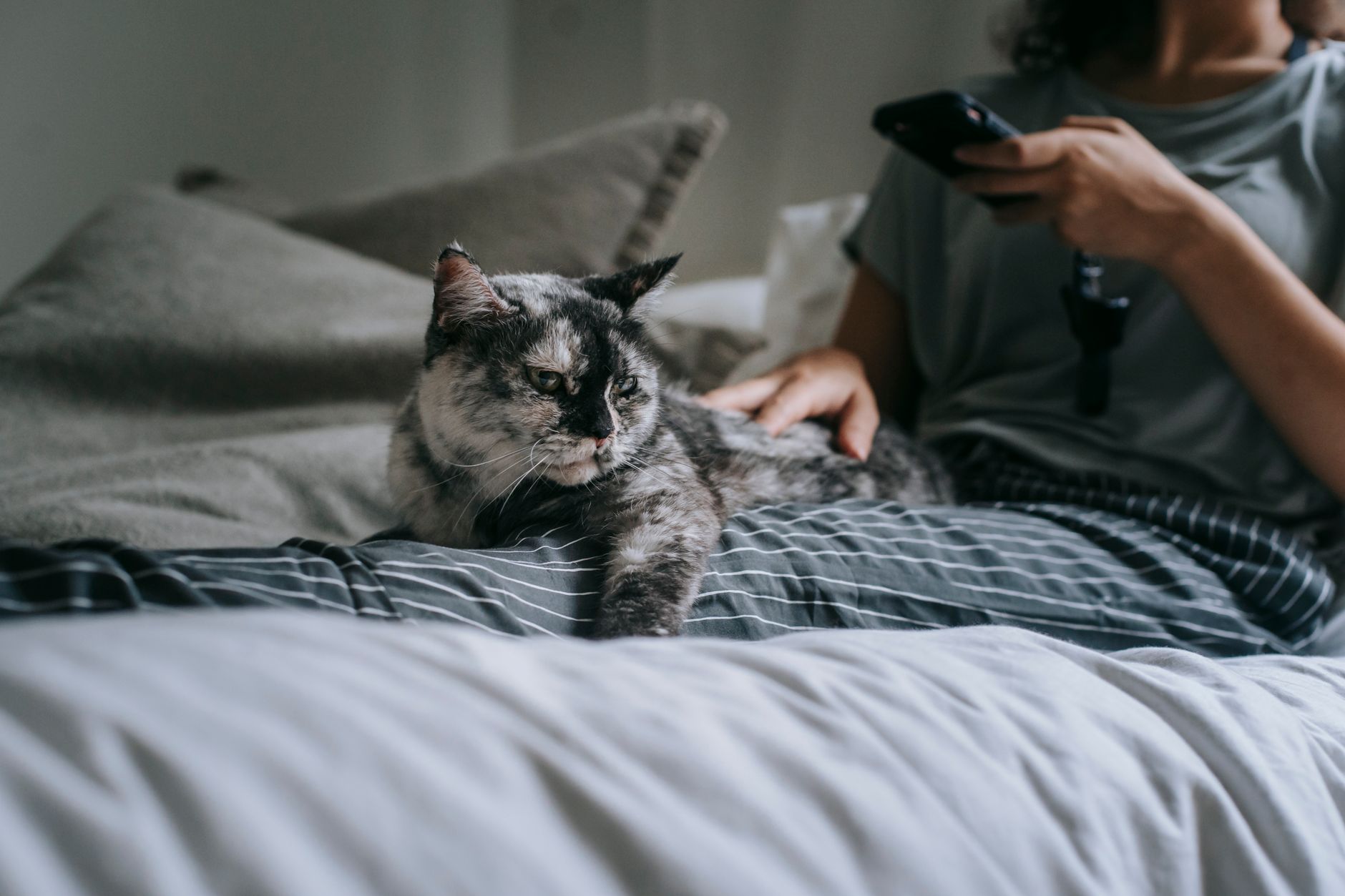
Understanding the Territory
Cats are territorial creatures, and your home, including your bedroom, is their domain. Allowing or disallowing access to certain areas can have a significant impact on their behavior and perceived status within the household. Understanding this dynamic is crucial when deciding whether or not to grant bedroom access. The key question often is: Is it OK to not let my cat in my bedroom? And the answer isn’t always straightforward.
Benefits of Keeping Your Cat Out

Keeping your cat out of your bedroom offers several potential benefits:
- Improved Sleep Quality: Many people find that a cat’s nocturnal activity disrupts their sleep.
- Reduced Allergens: If you suffer from allergies, limiting your cat’s access to your bedroom can reduce allergen exposure during sleep.
- Personal Space: Establishing boundaries creates personal space and can reduce feelings of being overwhelmed by your cat’s presence.
- Reduced Furniture Damage: Cats can scratch furniture, and keeping them out of your bedroom can prevent damage.
- Controlled Territory: You can control which parts of your home are considered prime territory for your cat.
Establishing the Boundary: A Gradual Process
Implementing a “no cats in the bedroom” rule requires patience and consistency. A gradual approach is often more effective than an abrupt change.
- Phase 1: Gradual Exclusion: Start by occasionally closing the door for short periods during the day.
- Phase 2: Positive Reinforcement: Reward your cat with treats and praise when they are outside the bedroom.
- Phase 3: Distraction: Provide alternative comfortable spaces and engaging toys outside the bedroom.
- Phase 4: Consistent Enforcement: Consistently keep the door closed, even when you’re home.
Common Mistakes and How to Avoid Them
Several common mistakes can undermine your efforts to keep your cat out of your bedroom:
- Inconsistency: Giving in occasionally will confuse your cat and make it harder to enforce the rule.
- Punishment: Never punish your cat for trying to enter the bedroom. This can lead to fear and anxiety.
- Lack of Alternatives: Failing to provide alternative comfortable spaces and engaging toys outside the bedroom.
- Ignoring Underlying Issues: Ignoring underlying issues like anxiety or boredom, which may be driving your cat’s desire to enter the bedroom.
Addressing Nighttime Vocalization
One of the biggest challenges is dealing with nighttime vocalization. Cats often meow at the door, especially in the early stages.
- Ignore the Meowing: Resist the urge to open the door when your cat meows.
- Automatic Feeder: Consider using an automatic feeder to provide a small meal at night.
- Playtime Before Bed: Engage in a vigorous play session with your cat before bedtime.
- White Noise: Use a white noise machine to mask your cat’s meowing.
Is it OK to not let my cat in my bedroom? Considerations for Multi-Cat Households
In multi-cat households, establishing boundaries can be more complex. Ensure each cat has its own resources (food bowls, water bowls, litter boxes, scratching posts) to reduce competition and territorial disputes. Consider using pheromone diffusers to create a more harmonious environment.
Alternative Sleeping Arrangements
Consider offering your cat a comfortable alternative sleeping space outside the bedroom, such as:
- A cat bed in a quiet corner.
- A heated cat bed for added comfort.
- A cat tree with a cozy perch.
- A window perch where they can watch the outside world.
| Sleeping Arrangement | Description | Benefits |
|---|---|---|
| Cat Bed | A designated sleeping space for your cat | Provides comfort and security |
| Heated Cat Bed | A cat bed with a built-in heating element | Ideal for colder climates or cats with arthritis |
| Cat Tree | A multi-level structure with perches and scratching posts | Provides climbing, scratching, and resting opportunities |
| Window Perch | A platform attached to a window | Allows your cat to observe the outside world |
Impact on the Cat-Human Bond
Some owners worry that excluding their cat from the bedroom will damage their bond. However, if done correctly, it shouldn’t. Focus on maintaining a strong bond through playtime, grooming, and other forms of positive interaction outside the bedroom. The question of Is it OK to not let my cat in my bedroom? largely depends on how the boundary is enforced and how you compensate with other quality time.
Long-Term Consistency
Once you’ve established the boundary, consistency is key. Continue to reinforce the rule, even when you’re tempted to give in. Over time, your cat will adjust and accept the new routine. Remember to continue providing ample attention, play, and enrichment to keep your cat happy and healthy.
When to Consult a Veterinarian
If your cat exhibits signs of distress, anxiety, or aggression when you try to exclude them from the bedroom, consult a veterinarian or a certified cat behaviorist. These behaviors might stem from underlying medical or behavioral issues that need to be addressed. A professional can help you develop a tailored plan that addresses your cat’s specific needs.
Is it OK to not let my cat in my bedroom? Ethical Considerations
While ultimately a personal decision, ensure your choice doesn’t compromise your cat’s well-being. They should have adequate enrichment, safe spaces, and attention regardless of bedroom access.

Frequently Asked Questions (FAQs)
What if my cat scratches at the bedroom door all night?
- Ignoring the scratching is the best initial strategy. Provide scratching posts outside the bedroom and consider using a pheromone diffuser near the door. If the scratching persists, consult a veterinarian, as it could indicate anxiety.
Is it cruel to keep my cat out of my bedroom?
- It’s not cruel as long as your cat has adequate access to food, water, litter box, safe spaces, and attention. The key is to provide a stimulating and enriching environment outside the bedroom. Is it OK to not let my cat in my bedroom? Yes, when their overall needs are met.
My cat is used to sleeping with me. How can I change this?
- Gradually introduce the change. Start by limiting access during the day and then gradually extend the periods of exclusion. Provide a comfortable alternative sleeping space and reward your cat for using it.
What if my cat has separation anxiety?
- Separation anxiety can make it difficult to exclude your cat from the bedroom. Consult a veterinarian or a certified cat behaviorist for guidance. They may recommend behavior modification techniques or medication.
Will my cat still love me if I don’t let them in the bedroom?
- Yes, your cat can still love you. Focus on building a strong bond through other forms of interaction, such as playtime, grooming, and cuddling outside the bedroom.
My cat is very persistent. How long will it take for them to adjust?
- The adjustment period varies depending on the cat’s personality and habits. It can take anywhere from a few days to several weeks. Consistency is crucial during this time.
What if my cat starts urinating outside the litter box?
- Urinating outside the litter box can be a sign of stress or a medical issue. Consult a veterinarian to rule out any medical problems. If the behavior is stress-related, identify and address the source of the stress.
Can I let my cat in the bedroom sometimes but not others?
- Inconsistency can confuse your cat and make it harder to enforce the boundary. It’s best to be consistent with the rule.
Should I feel guilty for not letting my cat in my bedroom?
- There is no need to feel guilty if you have considered all the factors and made the decision that is best for both you and your cat. Ensure your cat’s needs are met outside the bedroom.
My cat is very old and used to sleeping in my bed. Is it still okay to change the routine?
- Changing routines for older cats can be stressful. Consider the potential impact on their well-being before making a change. If possible, try to create a comfortable and accessible sleeping space near your bed.
Is it OK to use deterrent sprays to keep my cat out of the bedroom?
- Deterrent sprays can be effective, but it’s important to use them safely and responsibly. Choose a cat-safe spray and test it in a small area first.
What are some signs that my cat is not adjusting well to being excluded from the bedroom?
- Signs that your cat is not adjusting well include excessive meowing, scratching at the door, changes in appetite, hiding, aggression, and urinating outside the litter box. Consult a veterinarian or a certified cat behaviorist if you notice these signs.