

What Essential Oils Are Bad for Dogs to Be Around?
Certain essential oils pose significant risks to canine health. The most dangerous essential oils for dogs include tea tree oil, pennyroyal, wintergreen, pine, cinnamon, citrus, peppermint, clove, oregano, thyme, and ylang-ylang.
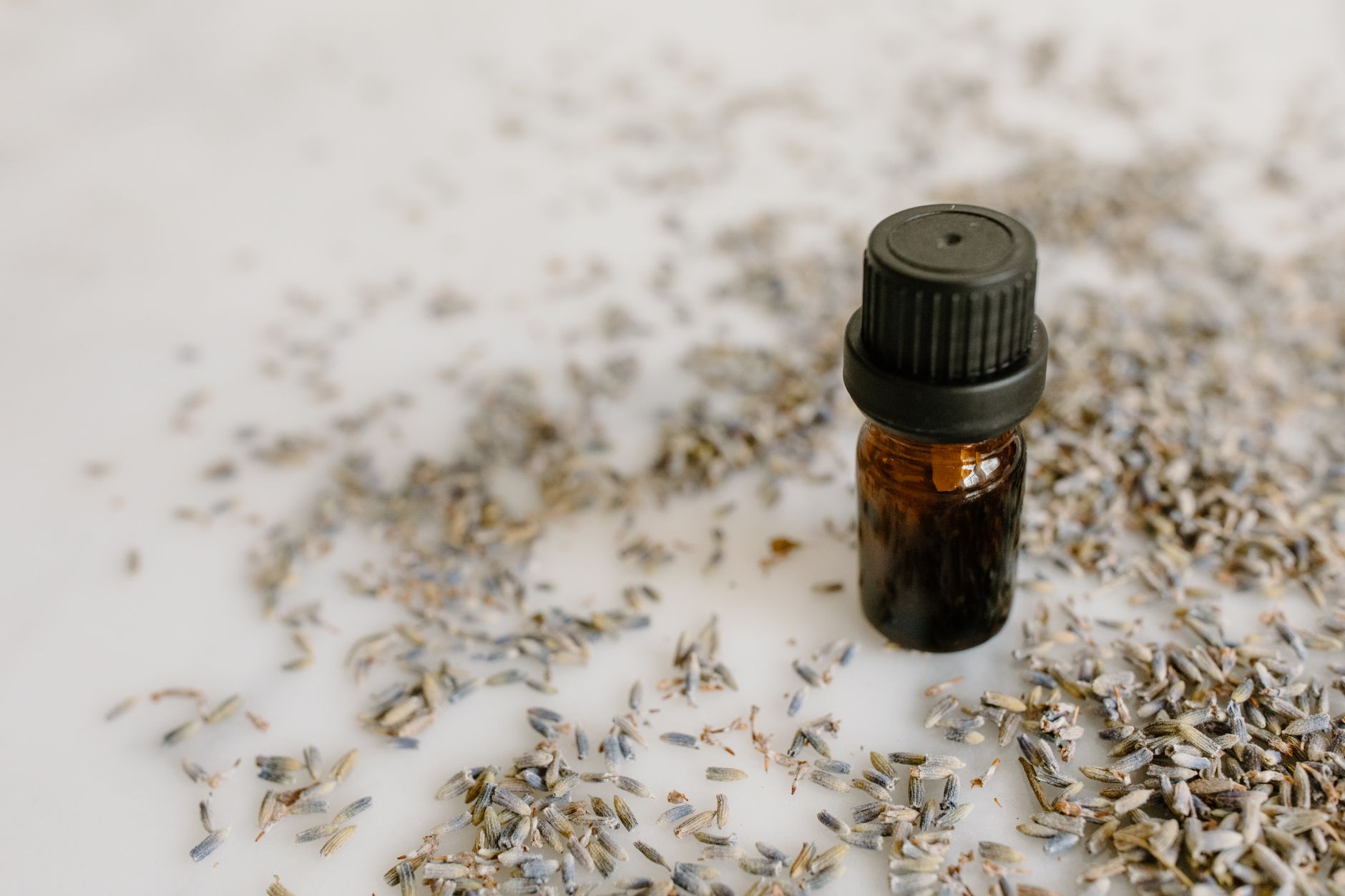
Understanding the Risks: Essential Oils and Your Dog’s Health
The popularity of essential oils for human aromatherapy and various home remedies has skyrocketed in recent years. However, what’s safe and beneficial for humans can be drastically different, and potentially harmful, for our canine companions. Understanding the specific risks associated with essential oils and dogs is crucial for responsible pet ownership. Dogs possess a highly developed sense of smell and unique physiology that makes them more vulnerable to the toxic effects of certain oils.

What colours are fish most attracted to?
Can you put your finger in a trout's mouth?
Is methylene blue anti bacterial?
Does aquarium salt raise pH in aquarium?
Why Essential Oils Are More Dangerous for Dogs

Dogs process substances differently than humans. Their livers lack specific enzymes required to efficiently metabolize some of the compounds found in essential oils. This leads to a build-up of toxins, resulting in adverse reactions. Furthermore, a dog’s respiratory system is far more sensitive than ours. Diffusing essential oils can cause respiratory irritation, even if the oil itself isn’t inherently toxic. Small dogs and puppies are particularly vulnerable due to their smaller size and immature organ systems.
Here’s a breakdown of key factors contributing to the danger:
- Metabolic Differences: Dogs lack crucial enzymes for detoxification.
- Sensitive Respiratory System: Diffusion can cause irritation.
- Increased Absorption: Dogs can absorb oils through the skin.
- Compulsive Grooming: Dogs ingest oils when grooming.
- Smaller Size: Concentrated oils pose a bigger threat to smaller dogs.
The Culprits: Essential Oils to Avoid
What essential oils are bad for dogs to be around? While there’s some debate and ongoing research, the following essential oils are widely considered toxic or highly irritating to dogs:
- Tea Tree Oil (Melaleuca): Extremely toxic, even in small doses.
- Pennyroyal: Can cause liver failure and seizures.
- Wintergreen: Contains methyl salicylate, similar to aspirin, which is toxic.
- Pine: Irritating to the skin and respiratory system; can cause liver and kidney damage.
- Cinnamon: Can cause oral irritation, vomiting, and diarrhea.
- Citrus (Lemon, Orange, Grapefruit): Can cause skin irritation and photosensitivity.
- Peppermint: Can irritate the mucous membranes.
- Clove: Can cause liver toxicity.
- Oregano: Can cause vomiting and diarrhea.
- Thyme: Can cause vomiting and diarrhea.
- Ylang-Ylang: Can cause skin irritation and depression.
This list isn’t exhaustive, and it’s always best to err on the side of caution. When in doubt, consult with your veterinarian or a qualified veterinary aromatherapist.
Modes of Exposure and Severity
The severity of the reaction depends on several factors, including the type of oil, the concentration, the method of exposure, and the dog’s individual health. The primary ways dogs are exposed to essential oils include:
- Inhalation (Diffusion): Breathing in diffused oils.
- Topical Application: Applied directly to the skin.
- Ingestion: Licking or consuming oils.
Ingestion is generally the most dangerous route of exposure, followed by topical application. Diffusion, while generally less harmful, can still pose a risk, particularly for dogs with pre-existing respiratory conditions.
Symptoms of Essential Oil Poisoning in Dogs
Recognizing the signs of essential oil poisoning is vital for prompt treatment. Symptoms can vary depending on the oil and the severity of the exposure, but common signs include:
- Excessive Drooling
- Vomiting
- Diarrhea
- Difficulty Breathing
- Lethargy
- Tremors
- Seizures
- Incoordination (Ataxia)
- Skin Irritation
- Pawing at the Mouth or Face
If you suspect your dog has been exposed to a toxic essential oil, contact your veterinarian or an animal poison control center immediately.
Safe Alternatives and Precautions
While many essential oils pose a risk, some are considered relatively safe for dogs when used appropriately and in diluted forms. Lavender, chamomile, and frankincense are often cited as safer options. However, even these oils should be used with caution and under the guidance of a veterinarian or veterinary aromatherapist.
Precautions:
- Dilution is Key: Always dilute essential oils before use.
- Avoid Direct Application: Never apply undiluted oils directly to your dog’s skin.
- Proper Ventilation: Ensure good ventilation when diffusing.
- Supervise Your Dog: Monitor your dog for any adverse reactions.
- Never Force Inhalation: Do not force your dog to inhale essential oils.
- Store Oils Safely: Keep essential oils out of reach of your dog.
What to Do in Case of Exposure
If your dog is exposed to a potentially toxic essential oil, take the following steps:
- Remove the Source: Immediately remove the oil or diffuser from the area.
- Ventilate: Open windows to improve ventilation.
- Wash the Affected Area: If the oil was applied topically, wash the area with mild soap and water.
- Contact Your Veterinarian: Contact your veterinarian or an animal poison control center immediately. Provide them with information about the oil, the amount of exposure, and your dog’s symptoms.
The Importance of Veterinary Guidance
This article provides general information, but it should not replace professional veterinary advice. Always consult with your veterinarian before using any essential oils around your dog. They can provide personalized recommendations based on your dog’s individual health and breed. Understanding what essential oils are bad for dogs to be around is only the first step in ensuring your pet’s safety.
Choosing Pet-Safe Alternatives
Instead of relying on potentially dangerous essential oils, consider pet-safe alternatives for aromatherapy and home remedies. There are many commercially available products specifically formulated for dogs that are free of harmful ingredients. Always read labels carefully and choose products that are veterinarian-approved. Alternatives include:
- Pet-safe aromatherapy diffusers.
- Veterinarian-approved calming treats.
- Synthetic pheromone diffusers (e.g., Adaptil).
- Increased exercise and mental stimulation.
- Positive reinforcement training.
Long-Term Effects of Essential Oil Exposure
Chronic exposure to even low levels of toxic essential oils can have long-term health consequences for dogs. These consequences can include liver damage, kidney damage, respiratory problems, and neurological issues. It is crucial to avoid prolonged or repeated exposure to any potentially harmful oils.
Frequently Asked Questions (FAQs)
Why is tea tree oil so dangerous for dogs?
Tea tree oil contains compounds called terpenes, which are highly toxic to dogs. Even a small amount of tea tree oil can cause severe neurological symptoms, including tremors, seizures, and incoordination. It affects the nervous system directly, leading to rapid and potentially fatal consequences. Always avoid any products containing tea tree oil around your dog.
Can I diffuse essential oils in a room if my dog isn’t in it?
While isolating your dog can reduce the risk, it’s still not entirely safe. Essential oil molecules can linger in the air and on surfaces, and your dog can still be exposed through skin contact or by licking surfaces. It’s best to avoid diffusing potentially toxic oils altogether.
Are all citrus oils bad for dogs?
While some citrus oils, like lemon and orange, are generally considered less toxic than others, they can still cause skin irritation and digestive upset. Photosensitivity is another concern, making your dog more vulnerable to sunburn. It’s best to exercise caution and consult your vet before using any citrus oils around your dog.
What are the signs of liver toxicity from essential oils?
Signs of liver toxicity include loss of appetite, vomiting, diarrhea, jaundice (yellowing of the skin and eyes), and lethargy. If you notice these symptoms after your dog has been exposed to essential oils, seek immediate veterinary care. Liver damage can be life-threatening.
Is lavender oil safe for dogs?
Lavender is often cited as a safer option, but it’s not entirely risk-free. It should always be used in diluted form and in a well-ventilated area. Some dogs may still be sensitive to lavender and experience skin irritation or respiratory issues. Observe your dog closely for any adverse reactions.
What should I do if my dog licks essential oil off the floor?
If your dog licks essential oil off the floor, immediately contact your veterinarian or an animal poison control center. Provide them with the name of the oil, the approximate amount ingested, and any symptoms your dog is exhibiting. Do not induce vomiting unless specifically instructed by a veterinarian.
Are essential oil diffusers safe to use around dogs?
The safety of essential oil diffusers depends on the type of oil being diffused. Diffusing potentially toxic oils is never safe, even with proper ventilation. Even with safer oils, continuous diffusion can still cause respiratory irritation in sensitive dogs.
Can I use essential oils in my dog’s shampoo or grooming products?
Using essential oils in dog shampoos or grooming products is generally not recommended. The concentrated nature of these products and the potential for ingestion during grooming increase the risk of toxicity. Choose grooming products specifically formulated for dogs and free of harmful ingredients.
How long do essential oil symptoms last in dogs?
The duration of symptoms varies depending on the severity of the exposure and the dog’s individual health. Mild symptoms may resolve within a few hours, while more severe cases can last for days or even weeks and require intensive veterinary care.
What is the best way to clean up an essential oil spill?
The best way to clean up an essential oil spill is to use a detergent-based cleaner and thoroughly rinse the area with water. Avoid using steam cleaners or other methods that could vaporize the oil and increase the risk of inhalation exposure. Keep your dog away from the area until it is completely dry.
Can essential oils cause seizures in dogs?
Yes, certain essential oils, particularly tea tree oil and pennyroyal, can cause seizures in dogs. These oils contain neurotoxic compounds that disrupt the nervous system. If your dog experiences a seizure after exposure to essential oils, seek immediate veterinary care.
Where can I find reliable information about essential oil safety for pets?
Consult your veterinarian, a board-certified veterinary toxicologist, or a qualified veterinary aromatherapist. You can also find information on reputable veterinary websites and animal poison control center websites. Avoid relying on anecdotal evidence or unqualified sources. Always prioritize your pet’s safety by seeking professional advice. Remembering what essential oils are bad for dogs to be around can save your pet’s life.