

What Eats Hard Clams? The Predators of Mercenaria mercenaria
The Mercenaria mercenaria, or hard clam, faces a surprisingly diverse range of predators, from marine invertebrates like crabs and snails to vertebrate predators like birds and fish. This article delves into the predators of hard clams and the ways they impact these vital members of the marine ecosystem.

Introduction: The Hard Clam’s Place in the Food Web
The hard clam, also known as the quahog, is a keystone species in many coastal ecosystems. These bivalves filter water, contributing to its clarity and overall health. They also serve as a crucial food source for a variety of animals. Understanding what eats hard clams is essential for comprehending the intricate dynamics of these ecosystems and managing clam populations effectively. From tiny larvae to mature adults, hard clams are vulnerable to predation at every stage of their life cycle. This constant pressure shapes their behavior, distribution, and abundance.

What colours are fish most attracted to?
Can you put your finger in a trout's mouth?
Is methylene blue anti bacterial?
Does aquarium salt raise pH in aquarium?
Common Predators of Hard Clams
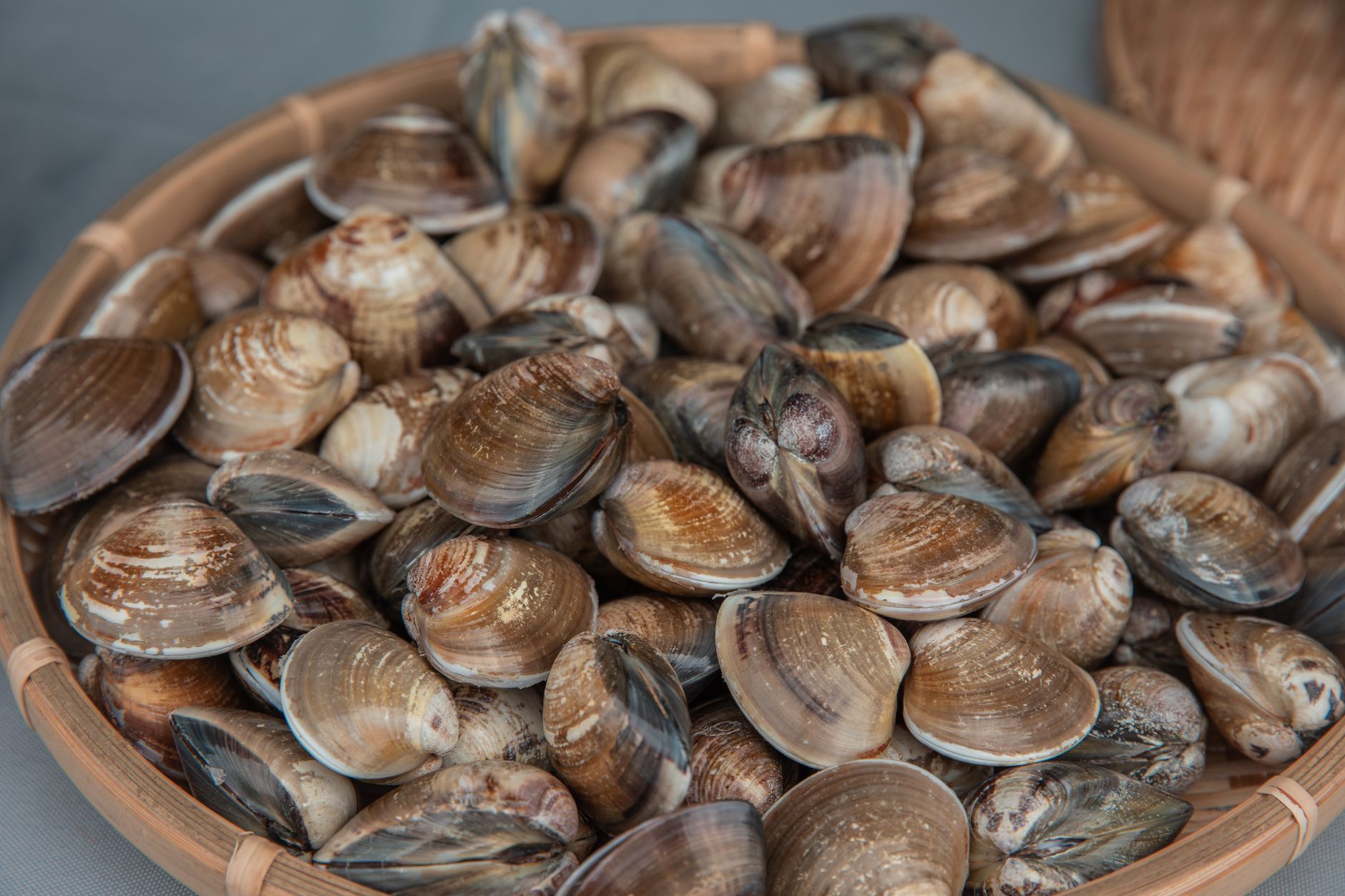
Several predators routinely target hard clams, each employing different strategies to access this buried treasure.
-
Crabs: Blue crabs (Callinectes sapidus) are notorious clam predators, using their powerful claws to crack open the shells of smaller clams. Larger crabs can even chip away at the edges of larger clam shells over time. Other crab species, such as mud crabs, also prey on juvenile clams.
-
Snails: Moon snails (Euspira heros) are highly specialized clam predators. They bore a perfectly round hole through the clam’s shell using a radula and enzymatic secretions, then consume the soft tissues inside.
-
Birds: Various seabirds, including gulls and oystercatchers, target exposed clams in shallow waters. They often drop clams onto hard surfaces to crack them open.
-
Fish: Certain fish species, such as tautog and black sea bass, are known to consume small clams. These fish have strong jaws and teeth adapted for crushing shells.
-
Whelks: Like moon snails, whelks use a radula to bore holes in clam shells and consume the soft tissues.
-
Starfish: While not as common as other predators, starfish can prey on hard clams, particularly in areas where starfish populations are high.
The Impact of Predation on Clam Populations
Predation has a significant impact on hard clam populations. Heavy predation can limit clam abundance, alter size distributions, and influence their spatial distribution. For example, clams in areas with high crab densities may exhibit faster growth rates to reach a size that is less vulnerable to predation. Additionally, clam aquaculture efforts must consider predator control to ensure successful harvests.
Hard Clam Defenses
Hard clams have evolved several defense mechanisms to protect themselves from predators.
-
Burial: Clams burrow into the sediment, making it more difficult for predators to access them.
-
Shell Thickness: A thicker shell provides greater protection against predators that attempt to crush or bore through the shell.
-
Rapid Closure: Clams can quickly close their shells when disturbed, preventing predators from entering.
-
Escape Response: Some clams can use their foot to make small jumps to escape immediate danger.
Factors Influencing Predation Rates
Several factors can influence predation rates on hard clams.
-
Clam Size: Smaller clams are generally more vulnerable to predation than larger clams.
-
Predator Abundance: Higher predator densities can lead to increased predation rates.
-
Habitat Type: Clams in muddy or sandy substrates may be more vulnerable to predators than clams in rocky or vegetated areas.
-
Water Temperature: Warmer water temperatures can increase the activity and feeding rates of some predators.
Management Strategies to Protect Hard Clams
Effective management strategies are crucial for protecting hard clam populations from excessive predation.
-
Predator Control: In aquaculture settings, predator control measures, such as netting and physical barriers, can help reduce predation rates.
-
Habitat Restoration: Restoring natural habitats, such as eelgrass beds, can provide clams with refuge from predators.
-
Stock Enhancement: Stocking programs can help increase clam densities in areas where predation is high.
-
Size Restrictions: Implementing size restrictions on clam harvests can protect larger, more fecund individuals from being removed from the population.
The Future of Hard Clam Populations
The future of hard clam populations will depend on how effectively we manage their resources and address the challenges they face, including predation. By understanding what eats hard clams and the factors that influence predation rates, we can develop more effective strategies to protect these valuable resources for future generations. Careful monitoring and adaptive management are essential to ensure the long-term sustainability of hard clam fisheries and the health of the ecosystems they inhabit.
Frequently Asked Questions (FAQs)
What is the primary predator of juvenile hard clams?
The primary predator of juvenile hard clams is the mud crab. These small crabs are abundant in intertidal areas and can easily prey on the small, thin-shelled juveniles. Predation by mud crabs can significantly impact the survival of newly settled clams.
How do moon snails bore through a hard clam shell?
Moon snails use a specialized organ called a radula, which is a ribbon-like structure with rows of teeth. They also secrete enzymes that help to dissolve the calcium carbonate of the shell. The process takes several hours, and the resulting hole is perfectly round.
Are all crab species equally effective at preying on hard clams?
No. Blue crabs are particularly effective at preying on hard clams due to their large size and powerful claws. Other crab species, such as mud crabs and green crabs, may prey on smaller clams but are less capable of handling larger individuals.
Do hard clams have any defenses against moon snail predation?
The primary defense against moon snail predation is a thick shell. Clams with thicker shells are more difficult for moon snails to bore through. Some clams may also exhibit behavioral responses, such as burrowing deeper into the sediment, to avoid detection by moon snails.
How do changes in water temperature affect predation rates on hard clams?
Warmer water temperatures generally increase the metabolic rates of predators, leading to increased feeding activity and higher predation rates. However, extremely high temperatures can also stress clams, making them more vulnerable to predation.
Can human activities influence predation rates on hard clams?
Yes, human activities can significantly influence predation rates. For example, habitat destruction, such as the loss of eelgrass beds, can remove refuge areas for clams, making them more vulnerable to predators. Pollution can also weaken clams, making them more susceptible to predation. Overfishing of predators, like tautog, can indirectly cause an increase in clam populations.
What role do birds play in hard clam predation?
Birds, particularly gulls and oystercatchers, can be significant predators of hard clams, especially in intertidal areas. They often drop clams onto hard surfaces to crack them open and consume the soft tissues.
Are there any specific habitats where hard clams are more vulnerable to predation?
Hard clams are generally more vulnerable to predation in muddy or sandy substrates, where they are less able to bury themselves effectively. They are also more vulnerable in areas with high predator densities.
How does hard clam aquaculture address the issue of predation?
Hard clam aquaculture typically employs various predator control measures, such as netting to exclude crabs and birds. Additionally, clams are often grown in mesh bags that provide physical protection from predators. Site selection also plays a key role; choosing locations with lower predator densities helps improve survival rates.
What is the long-term impact of heavy predation on hard clam populations?
Heavy predation can lead to a decline in clam abundance, alter size distributions, and reduce overall productivity. It can also have cascading effects on the ecosystem, as hard clams play an important role in water filtration and nutrient cycling.
How can researchers study predation rates on hard clams?
Researchers use various methods to study predation rates, including field observations, exclosure experiments (where predators are excluded from certain areas), and gut content analysis of predators. They also use stable isotope analysis to track the flow of energy through the food web and identify the primary food sources of predators.
Beyond the animals already mentioned, what other organisms might occasionally eat hard clams?
While the previously mentioned predators are the most common, other organisms like certain types of sea turtles, especially when young, and even some larger marine worms might occasionally consume small hard clams or scavenge on damaged ones. It’s important to remember that what eats hard clams can vary slightly depending on the specific geographic location and the overall health of the ecosystem.