
What Eats Aquatic Plants? A Submerged Salad Bar
The aquatic ecosystem is a bustling hub of life, and understanding which creatures dine on its plant life reveals crucial insights into its delicate balance. Many organisms, from microscopic invertebrates to large herbivores, eat aquatic plants, playing a vital role in energy flow and ecosystem regulation.

Introduction to the Aquatic Herbivore World
Aquatic plants, also known as macrophytes, form the foundation of many freshwater and marine ecosystems. They provide shelter, oxygen, and, of course, food. The consumption of these plants, known as herbivory, is a complex process involving a diverse range of organisms with varying feeding strategies. What eats aquatic plants? The answer extends far beyond simple grazing fish and delves into the fascinating world of invertebrates, mammals, and even birds.
What colours are fish most attracted to?
Can you put your finger in a trout's mouth?
Is methylene blue anti bacterial?
Does aquarium salt raise pH in aquarium?
The Vital Role of Aquatic Plants

Aquatic plants are more than just underwater vegetation. They’re ecosystem engineers, providing a multitude of benefits:
- Oxygen Production: They release oxygen during photosynthesis, essential for aquatic life.
- Habitat Creation: They provide shelter and breeding grounds for fish, invertebrates, and amphibians.
- Nutrient Cycling: They absorb excess nutrients, preventing algal blooms.
- Sediment Stabilization: Root systems help stabilize sediments and prevent erosion.
- Food Source: As we’re exploring, they are a crucial food source for many aquatic animals.
Diverse Herbivores of the Aquatic Realm
The range of creatures that consume aquatic plants is surprisingly broad:
- Invertebrates: Snails, insects (larvae and adults), crayfish, and shrimp are major herbivores. Mayfly nymphs, for example, are voracious algae grazers.
- Fish: Certain fish species, such as grass carp and some tilapia, are highly specialized herbivores, capable of consuming large quantities of aquatic plants. Others, like some catfish, feed on algae and detritus associated with plants.
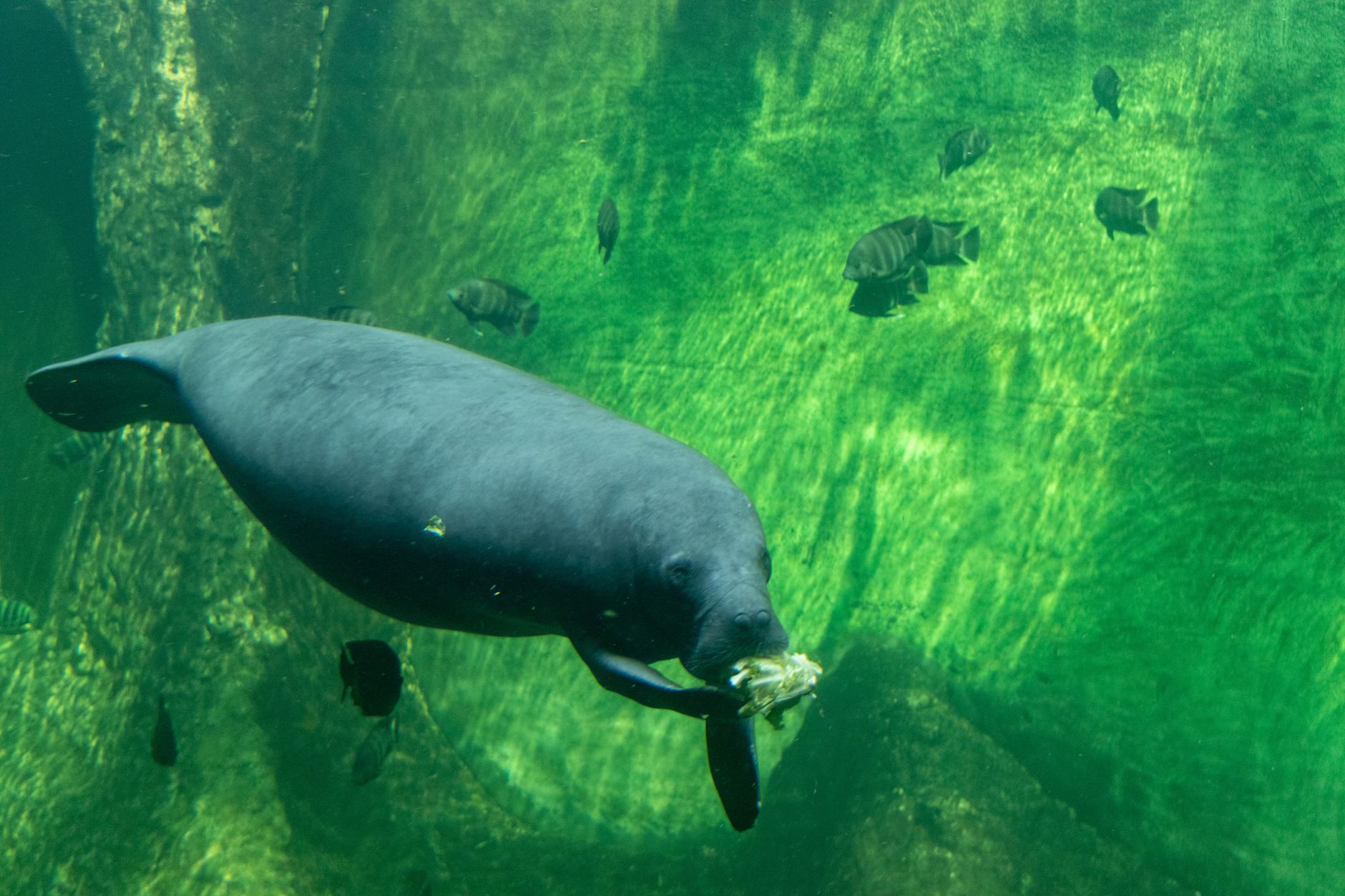
- Mammals: Manatees, muskrats, and beavers all rely on aquatic plants as a significant part of their diet.
- Birds: Ducks, geese, and coots often graze on aquatic plants, especially during migration.
Feeding Strategies and Preferences
Not all herbivores consume aquatic plants in the same way. Different species have evolved specific adaptations and preferences:
- Grazing: Snails and some fish graze on algae and biofilms growing on plant surfaces.
- Leaf Chewing: Insects like caterpillars and some beetle larvae chew on leaves.
- Root Consumption: Muskrats and beavers often consume the roots and rhizomes of aquatic plants.
- Filter Feeding: Some organisms, like certain zooplankton, filter algae and other microscopic plants from the water column.
The Impact of Herbivory on Aquatic Ecosystems
Herbivory plays a critical role in shaping aquatic ecosystems. It can influence:
- Plant Community Structure: Selective grazing can alter the composition of plant communities.
- Nutrient Cycling: Herbivores release nutrients back into the water column through excretion.
- Algal Blooms: By controlling algal growth, herbivores help prevent blooms.
- Ecosystem Stability: A balanced herbivore community contributes to the overall stability of the ecosystem.
Overgrazing and its Consequences
While herbivory is essential, excessive grazing can have negative consequences. Overgrazing can lead to:
- Loss of Plant Habitat: Depletion of aquatic plants can eliminate vital habitat for other species.
- Increased Turbidity: Loss of plant cover can increase sediment suspension, reducing water clarity.
- Altered Nutrient Cycles: The absence of plants can disrupt nutrient cycling processes.
- Reduced Biodiversity: The simplification of the plant community can lead to a decline in overall biodiversity.
Management Strategies for Aquatic Plant Herbivores
Managing herbivore populations is crucial for maintaining healthy aquatic ecosystems. Strategies include:
- Introduction of Natural Predators: Introducing predators of herbivores can help control their populations.
- Habitat Restoration: Restoring degraded habitats can provide alternative food sources for herbivores, reducing pressure on aquatic plants.
- Controlled Herbicide Use: Targeted herbicide applications can be used to manage excessive plant growth, reducing the need for large herbivore populations.
- Stocking Control: Careful management of stocking rates for herbivorous fish like grass carp is essential.
The Future of Aquatic Herbivory Research
Research into aquatic herbivory continues to evolve, focusing on:
- Understanding Species Interactions: Delving deeper into the complex interactions between herbivores and aquatic plants.
- Predicting Ecosystem Responses: Developing models to predict how changes in herbivore populations will affect aquatic ecosystems.
- Developing Sustainable Management Strategies: Creating more effective and environmentally friendly management approaches.
FAQs about Aquatic Herbivores
What are the primary types of organisms that eat aquatic plants?
The primary organisms that eat aquatic plants include invertebrates (snails, insects, crustaceans), fish (grass carp, tilapia), mammals (manatees, muskrats, beavers), and birds (ducks, geese, coots). Each group has species adapted to different types of plants and feeding strategies.
How do aquatic herbivores contribute to the food web?
Aquatic herbivores play a critical role in transferring energy from plants to higher trophic levels. They consume aquatic plants, converting plant biomass into animal biomass, which then becomes food for predators such as fish, birds, and other carnivores.
Are there any aquatic plants that are resistant to herbivory?
Yes, some aquatic plants have developed defense mechanisms against herbivory. These can include physical defenses, such as thorns or tough leaves, and chemical defenses, such as toxins or unpalatable compounds.
How does water quality affect aquatic plant herbivory?
Water quality significantly affects aquatic plant herbivory. Polluted water can stress plants, making them more susceptible to herbivore damage. Additionally, nutrient enrichment can lead to algal blooms, which can shade out aquatic plants and alter herbivore feeding patterns.
What role do invasive species play in aquatic plant herbivory?
Invasive herbivore species can have devastating impacts on native aquatic plant communities. They may lack natural predators, allowing their populations to explode and overgraze native plants, disrupting the ecosystem balance.
How can I tell if my pond or lake has an overpopulation of aquatic herbivores?
Signs of an overpopulation of aquatic herbivores include a rapid decline in aquatic plant cover, increased turbidity (cloudiness) of the water, and a noticeable increase in the abundance of herbivores, such as snails or fish.
What is the impact of climate change on aquatic herbivory?
Climate change can impact aquatic herbivory by altering water temperatures, changing the distribution of aquatic plants, and affecting the growth rates and feeding habits of herbivores. Warmer temperatures may favor certain herbivore species, leading to increased grazing pressure on vulnerable plants.
How do different types of aquatic plants affect the herbivore community?
Different types of aquatic plants support different herbivore communities. Plants with soft, palatable leaves tend to attract a wider range of herbivores, while those with tougher or less nutritious leaves may only be consumed by specialized feeders. Plant structure also plays a role, providing habitat and refuge for certain herbivores.
What is the difference between a generalist and a specialist aquatic herbivore?
A generalist aquatic herbivore can feed on a wide variety of aquatic plants, while a specialist aquatic herbivore has a more restricted diet, often feeding on only one or a few plant species. Specialist herbivores are often highly adapted to consuming specific plant types.
How do humans influence aquatic herbivory rates and populations?
Humans influence aquatic herbivory in many ways, including introducing invasive species, altering nutrient levels through pollution, managing herbivore populations through stocking and harvesting, and modifying aquatic habitats through dredging and dam construction.
Why is it important to understand what eats aquatic plants?
Understanding what eats aquatic plants is crucial for managing aquatic ecosystems. Knowing which organisms are consuming plants, their feeding habits, and how they interact with their environment helps us maintain healthy plant communities, prevent overgrazing, and protect biodiversity.
Are there any benefits to aquatic plants being consumed?
Yes, the consumption of aquatic plants has several benefits for the ecosystem. It helps to recycle nutrients, prevent excessive plant growth, and maintain a balanced food web. Herbivory also promotes plant diversity by preventing any single species from dominating.