

What Does the Wolf Symbolize in Native American Culture? An Exploration of Meaning and Reverence
The wolf holds a profound and multifaceted significance in Native American culture, symbolizing loyalty, strength, family, communication, intelligence, and guidance, often viewed as a pathfinder and teacher. Understanding what the wolf symbolizes in Native American culture provides valuable insight into the deep respect and interconnectedness with nature that permeates these traditions.

Introduction: The Revered Wolf
Across the diverse tapestry of Native American tribes, the wolf emerges as a powerful and resonant figure. It is far more than just another animal; it is a spirit guide, a teacher, a symbol of both individual strength and the importance of community. The wolf’s presence in tribal stories, art, and ceremonies speaks volumes about its respected place in the Native American worldview. Understanding what the wolf symbolizes in Native American culture unlocks a deeper appreciation for the traditions and beliefs of these communities.

What colours are fish most attracted to?
Can you put your finger in a trout's mouth?
Is methylene blue anti bacterial?
Does aquarium salt raise pH in aquarium?
The Wolf as a Symbol of Family and Loyalty
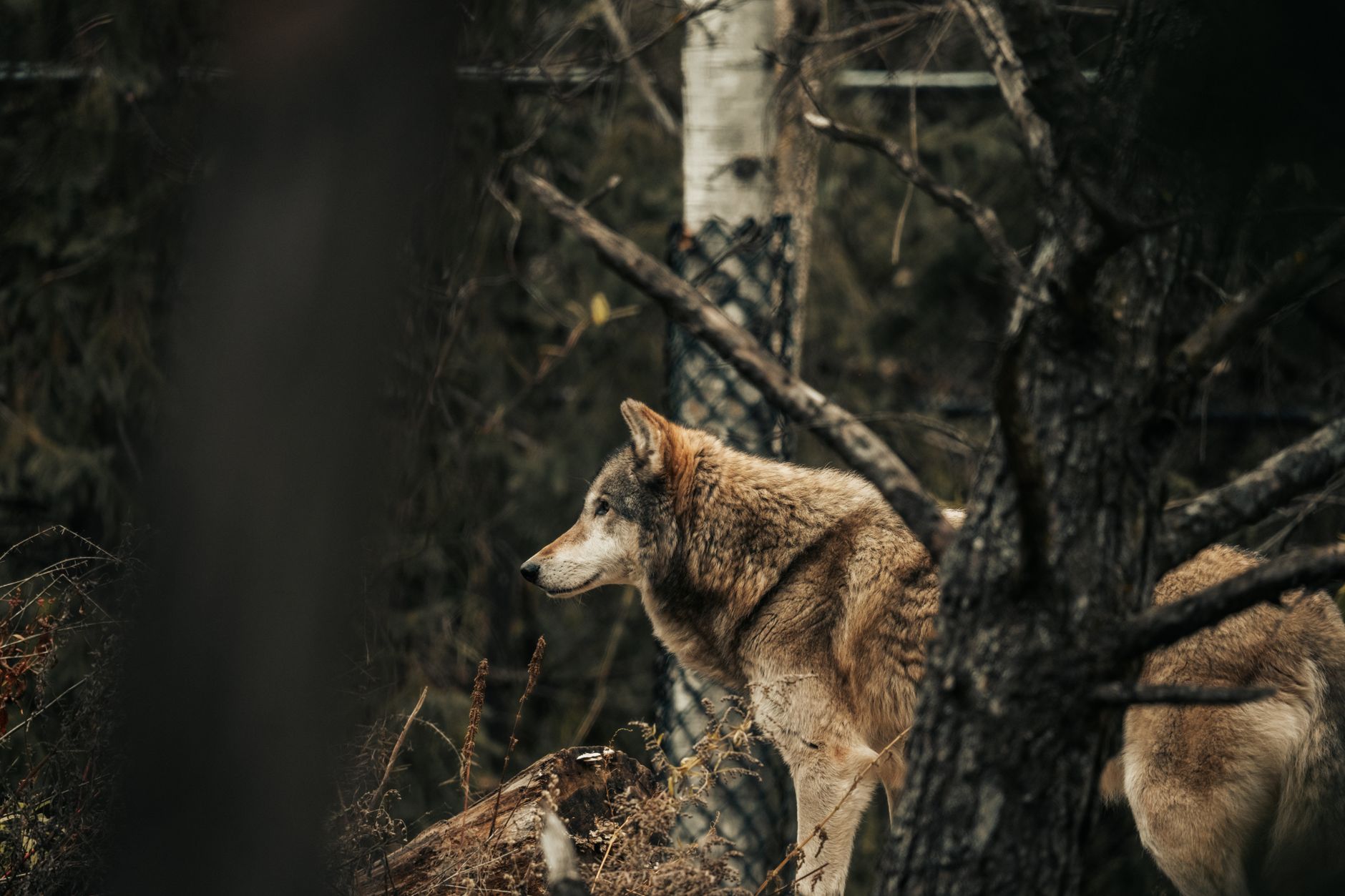
Wolves are pack animals, known for their close-knit family structures and unwavering loyalty to one another. This aspect of wolf behavior deeply resonates within Native American culture, where family and community ties are paramount.
- The wolf serves as a reminder of the importance of protecting and providing for one’s family.
- It embodies the value of cooperation and working together for the common good.
- The bond between wolves mirrors the strong bonds sought within Native American tribes.
The Wolf as a Path Finder and Guide
The wolf’s keen senses and ability to navigate vast territories have earned it the reputation of a pathfinder. In Native American lore, the wolf often leads lost souls or guides individuals on spiritual journeys. What the wolf symbolizes in Native American culture is frequently linked to leadership and finding the right path in life.
- The wolf represents intuition and the ability to follow one’s instincts.
- It serves as a guide through challenging times, both physically and spiritually.
- Many tribes associate the wolf with dreams and visions, believing it can lead to deeper understanding.
Communication and Intelligence Embodied by the Wolf
Wolves are highly intelligent creatures with sophisticated communication skills. Their howls, body language, and scent markings convey a range of messages, from warnings to expressions of affection. This communication prowess has cemented the wolf’s position as a symbol of intelligence and clear communication in Native American traditions.
- The wolf teaches the importance of listening carefully and understanding unspoken cues.
- It encourages individuals to express themselves clearly and authentically.
- The ability of wolves to work together strategically highlights their intelligence and problem-solving skills.
The Wolf as a Teacher and Protector
Many tribes view the wolf as a powerful teacher, capable of imparting wisdom and knowledge to those who are willing to learn. The wolf’s protective nature is also highly valued, as it diligently safeguards its pack from harm. This duality of teaching and protection makes the wolf a cherished figure in Native American culture.
- The wolf’s lessons often revolve around survival, respect for nature, and the importance of community.
- It is seen as a guardian spirit, offering protection and guidance to individuals and families.
- Stories of wolves helping humans, or even raising them, underscore their role as benevolent protectors.
Regional Variations in Wolf Symbolism
While the core symbolism of the wolf remains consistent across many Native American tribes, there are regional variations in how the wolf is portrayed and revered. These variations reflect the specific environments and historical experiences of different tribes. Understanding these nuances enhances our appreciation of what the wolf symbolizes in Native American culture.
| Region | Common Associations |
|---|---|
| Plains Tribes | Courage, hunting prowess, connection to the Great Spirit |
| Woodlands Tribes | Family unity, guidance through the forest, respect for elders |
| Northwest Tribes | Transformation, healing, connection to ancestors |
| Southwest Tribes | Strength in the desert, ability to survive harsh conditions, perseverance |
Cultural Appropriation vs. Appreciation
It’s crucial to approach the symbolism of the wolf in Native American culture with respect and sensitivity. Avoid cultural appropriation by:
- Refraining from using wolf imagery in a way that is disrespectful or trivializes Native American beliefs.
- Educating yourself about the specific traditions and beliefs of the tribe you are referencing.
- Supporting Native American artists and businesses that promote their own cultural heritage.
- Understanding that simply liking wolves doesn’t give one the right to use sacred symbols.
Honoring the Wolf in Modern Times
We can honor the wolf in modern times by:
- Supporting wolf conservation efforts and protecting their natural habitats.
- Learning about the vital role wolves play in maintaining healthy ecosystems.
- Promoting responsible wolf management practices that prioritize coexistence between humans and wolves.
- Continuing to explore and share the rich cultural significance of the wolf in Native American traditions with respect and reverence.
Frequently Asked Questions (FAQs) About the Wolf in Native American Culture
What is the origin of the wolf’s symbolism in Native American culture?
The wolf’s symbolism stems from centuries of close observation and interaction with these animals in the wild. Native American tribes recognized the wolf’s unique abilities, social structure, and intelligence, incorporating these traits into their spiritual beliefs and cultural narratives. The deep respect for nature and the interconnectedness of all living things solidified the wolf’s prominent role. The very essence of what the wolf symbolizes in Native American culture originates from this close bond.
Are there any specific tribes where the wolf is particularly revered?
Yes, many tribes revere the wolf, but some examples include the Lakota, Pawnee, and Cheyenne of the Plains; the Ojibwe and Menominee of the Woodlands; and the Kwakiutl and Tlingit of the Northwest Coast. Each tribe has its own unique stories and traditions surrounding the wolf, further illustrating the diverse expressions of what the wolf symbolizes in Native American culture.
How is the wolf represented in Native American art?
The wolf is frequently depicted in Native American art, often in forms of carvings, paintings, and woven textiles. The imagery often portrays the wolf in connection with other animals, humans, or supernatural beings, emphasizing its role as a guide or protector. The depictions often include stylized representations that convey strength, intelligence, and spiritual power.
Does the wolf appear in any significant Native American ceremonies?
Yes, the wolf plays a role in various ceremonies, including those related to hunting, healing, and spiritual guidance. These ceremonies often involve dancing, singing, and storytelling, and sometimes incorporate wolf masks or other symbolic representations. The ceremonies serve to honor the wolf and to invoke its power and wisdom.
Is it considered disrespectful for non-Native Americans to use wolf imagery?
Using wolf imagery is not inherently disrespectful, but it becomes problematic when it is done in a way that is insensitive to or trivializes Native American culture. It’s crucial to avoid appropriating sacred symbols or misrepresenting the beliefs and traditions of Native American tribes. Instead, focus on learning and appreciating the true meaning of what the wolf symbolizes in Native American culture.
What is the significance of the wolf’s howl in Native American traditions?
The wolf’s howl is often interpreted as a form of communication with the spirit world or as a way to connect with other members of the pack. Some tribes believe that the howl carries prayers or messages to the Great Spirit. The howl can also symbolize guidance, protection, or a call to action.
Are there any negative connotations associated with the wolf in Native American culture?
While the wolf is generally viewed as a positive symbol, there may be some instances where it is associated with trickery or danger, depending on the specific tribe and the context of the story. However, these negative connotations are rare and do not negate the overall reverence for the wolf.
How do Native American stories about the wolf teach moral lessons?
Many Native American stories about the wolf teach valuable moral lessons about the importance of family, loyalty, cooperation, and respect for nature. These stories often illustrate the consequences of selfishness, greed, or disrespect, and they emphasize the importance of living in harmony with the natural world.
What is the difference between a wolf spirit animal and a wolf clan?
A wolf spirit animal is a personal guide or protector that can appear in dreams or visions. A wolf clan, on the other hand, is a group of people who share a common ancestor and identify with the wolf as their clan symbol. Both concepts highlight the deep connection between humans and wolves in Native American culture.
How can I learn more about the wolf’s symbolism in specific Native American tribes?
The best way to learn more about the wolf’s symbolism in specific tribes is to consult with Native American elders, cultural experts, or tribal historians. Reliable online resources, museum exhibits, and academic publications can also provide valuable information. Remember to approach this topic with respect and a willingness to learn from authentic sources.
Why is it important to understand the cultural significance of animals like the wolf?
Understanding the cultural significance of animals like the wolf helps us appreciate the diverse perspectives and values of different cultures. It also promotes respect for the natural world and encourages us to protect the environment and its inhabitants. It broadens our understanding and reminds us of our shared responsibility to preserve these cultural treasures.
How are modern Native Americans preserving the wolf’s cultural significance?
Modern Native Americans are preserving the wolf’s cultural significance through storytelling, art, ceremonies, and educational programs. They are also actively involved in wolf conservation efforts and advocate for responsible wolf management practices that respect both the needs of humans and the well-being of wolves. These efforts ensure that the traditions surrounding what the wolf symbolizes in Native American culture continue to thrive.