

What Does it Mean When Your Hermit Crabs Legs Fall Off?
Hermit crab leg loss is rarely a good sign, and usually indicates a significant stressor or underlying health issue. It’s often a sign of molting difficulties, injury, poor environmental conditions, or even disease, and requires immediate attention to improve the crab’s chances of survival.

Understanding Hermit Crab Leg Anatomy and Function
Hermit crabs are fascinating creatures, and understanding their anatomy is crucial for responsible pet ownership. They aren’t born with shells; they find them and live inside for protection. Their bodies are divided into two main parts: the cephalothorax (head and thorax combined) and the abdomen. The legs are attached to the cephalothorax, and they play vital roles in movement, feeding, and defense. What does it mean when your hermit crabs legs fall off? It’s usually a symptom of something going wrong in one of these critical life processes.
- Walking Legs: Typically, they have four pairs of walking legs, which they use to move around.
- Chelipeds (Claws): One claw is larger than the other and is used for defense, digging, and manipulating objects.
- Smaller Legs (Maxillipeds): Near the head, these are used for feeding and cleaning.

What colours are fish most attracted to?
Can you put your finger in a trout's mouth?
Is methylene blue anti bacterial?
Does aquarium salt raise pH in aquarium?
Potential Causes of Leg Loss
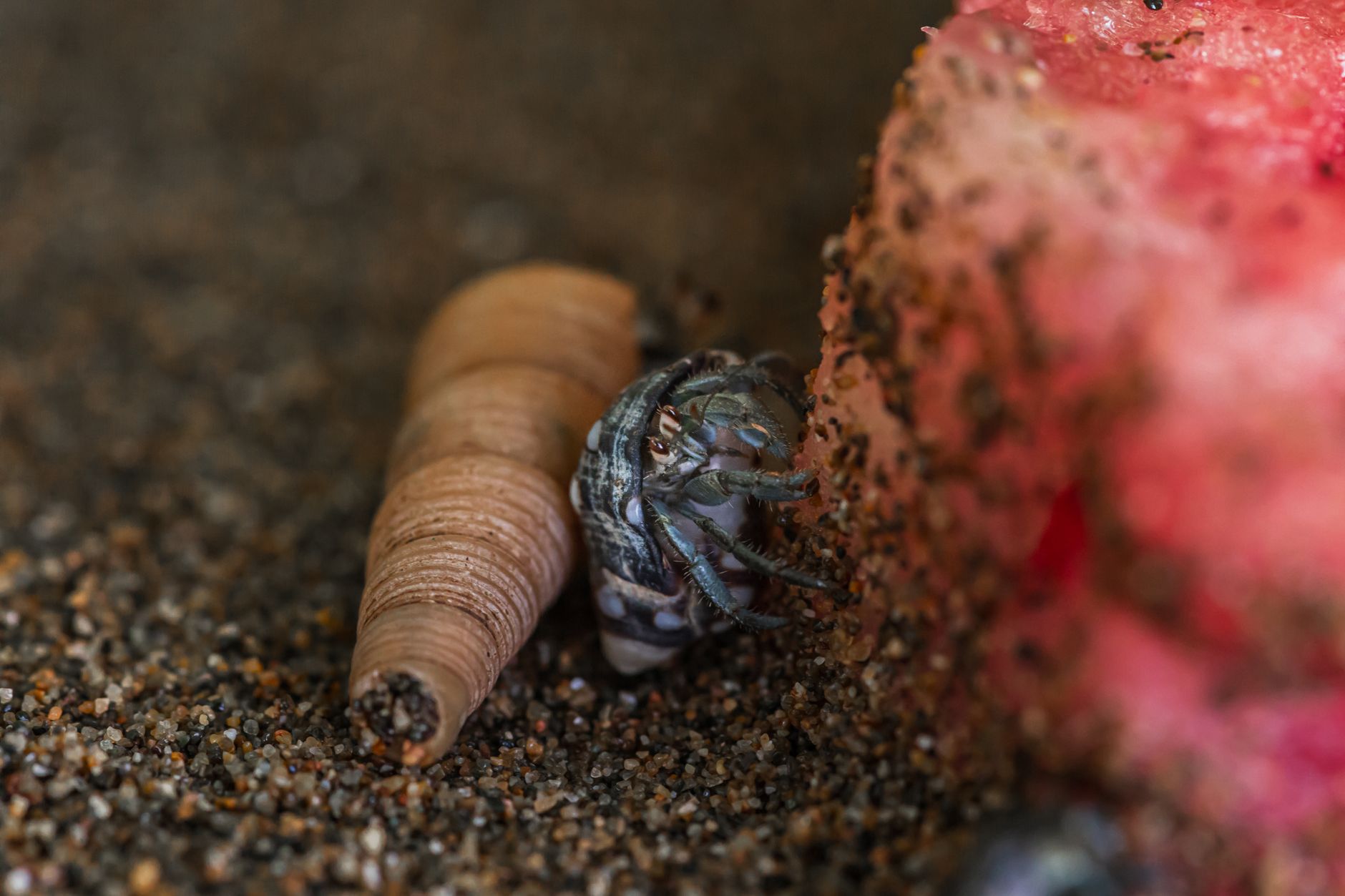
Several factors can contribute to a hermit crab losing a leg. It’s essential to identify the cause to provide the appropriate care. Ignoring the issue can lead to further health problems and even death.
- Molting Difficulties: Molting is a stressful process for hermit crabs, and problems during molting can lead to leg loss.
- Injury: Fights with other crabs or falls from their enclosure can result in injuries that lead to leg loss.
- Poor Environmental Conditions: Inadequate humidity or temperature can stress the crab and make them more susceptible to health problems.
- Nutritional Deficiencies: A poor diet can weaken the crab and increase the likelihood of leg loss.
- Disease: Bacterial or fungal infections can also cause leg loss, though this is less common.
The Molting Process and its Challenges
Molting is the process by which a hermit crab sheds its exoskeleton to grow. It’s a vulnerable time for the crab, and several things can go wrong. If humidity is too low, the crab can become stuck in its old exoskeleton, leading to stress and potential limb loss.
- Preparation: The crab will bury itself in the substrate and prepare for molting.
- Shedding: The old exoskeleton is shed, and the new one is soft and vulnerable.
- Hardening: The new exoskeleton hardens over time, and the crab emerges.
| Stage | Description | Potential Problems |
|---|---|---|
| Preparation | The crab buries itself and prepares to shed its exoskeleton. | Insufficient substrate depth, lack of hiding places. |
| Shedding | The old exoskeleton is shed, and the new one is soft. | Low humidity, leading to a stuck molt. |
| Hardening | The new exoskeleton hardens over time, and the crab emerges. | Insufficient calcium or minerals for proper exoskeleton hardening. |
Providing Optimal Environmental Conditions
Maintaining the correct environmental conditions is crucial for hermit crab health. This includes appropriate temperature, humidity, and substrate depth.
- Temperature: Maintain a temperature of 70-80°F (21-27°C).
- Humidity: Keep humidity levels between 70-80%.
- Substrate: Use a mix of sand and coconut fiber at least 6 inches deep.
Nutritional Needs and Dietary Requirements
A balanced diet is essential for hermit crab health and proper molting. Provide a variety of foods, including commercial hermit crab food, fruits, vegetables, and protein sources.
- Commercial Food: Provides essential vitamins and minerals.
- Fruits and Vegetables: Offer a variety for additional nutrients.
- Protein: Essential for growth and exoskeleton development.
Signs of Stress and Illness
Besides leg loss, other signs of stress or illness in hermit crabs include lethargy, lack of appetite, and reluctance to come out of their shell. If you notice any of these signs, take immediate action. Knowing what does it mean when your hermit crabs legs fall off helps you monitor them for other problems.
- Lethargy: Reduced activity and movement.
- Lack of Appetite: Refusal to eat.
- Shell Abandonment: Leaving their shell.
First Aid and Care for a Hermit Crab with a Missing Leg
If your hermit crab loses a leg, the first step is to isolate it from other crabs to prevent further injury. Provide a shallow dish of fresh water and a variety of food. Monitor the crab closely and maintain optimal environmental conditions. Remember that the reason what does it mean when your hermit crabs legs fall off is so important, is because it puts the crab at risk.
Prevention Strategies
Preventing leg loss in hermit crabs involves providing optimal care and addressing potential problems early. This includes maintaining proper environmental conditions, providing a balanced diet, and monitoring their behavior for signs of stress or illness.
Frequently Asked Questions (FAQs)
Can a hermit crab regrow a leg that has fallen off?
Yes, hermit crabs can regrow lost limbs during the molting process. It may take several molts for the leg to fully regenerate, and the new leg may initially be smaller than the original. This process is one reason what does it mean when your hermit crabs legs fall off is a little more complex.
What should I do if I find a leg in my hermit crab enclosure?
Remove the leg from the enclosure to prevent other crabs from eating it. Observe the crab that likely lost the leg and provide optimal care to support its recovery. Look for other signs of stress or illness.
How can I prevent my hermit crabs from fighting and injuring each other?
Provide plenty of space, multiple shells of varying sizes, and adequate food and water to reduce competition and aggression. Make sure to isolate any crab showing aggression.
What are the ideal temperature and humidity levels for hermit crabs?
The ideal temperature range is 70-80°F (21-27°C), and the ideal humidity level is 70-80%. Use a thermometer and hygrometer to monitor these conditions.
What kind of substrate should I use for my hermit crab enclosure?
A mixture of sand and coconut fiber is ideal. The substrate should be at least 6 inches deep to allow for burrowing and molting.
What should I feed my hermit crabs?
Provide a varied diet that includes commercial hermit crab food, fruits, vegetables, and protein sources. Avoid foods that are high in salt or preservatives.
How often should I change the substrate in my hermit crab enclosure?
Spot clean the substrate regularly to remove any waste or uneaten food. Change the entire substrate every 6-12 months, or as needed.
How can I tell if my hermit crab is preparing to molt?
Signs of molting include burying themselves in the substrate, lethargy, and a cloudy appearance to their exoskeleton.
What should I do if my hermit crab gets stuck in its shell?
Gently try to assist the crab in removing itself from the shell. If it’s truly stuck, and especially if you have experience, you can try gently breaking the old shell using specialized tools, but be extremely careful not to injure the crab. Maintaining proper humidity can help prevent this issue.
Is it normal for a hermit crab to hide all the time?
It is normal for hermit crabs to hide, especially during the day. However, if a crab is constantly hiding and not coming out to eat or drink, it may be stressed or ill.
Can hermit crabs drown?
Yes, hermit crabs can drown if they are submerged in water for too long. Provide shallow dishes of water that they can easily climb out of.
How long do hermit crabs typically live?
With proper care, hermit crabs can live for 10-30 years. Proper maintenance makes what does it mean when your hermit crabs legs fall off less of a concern.