

What Does It Mean When a Bearded Dragon Tilts Its Head?
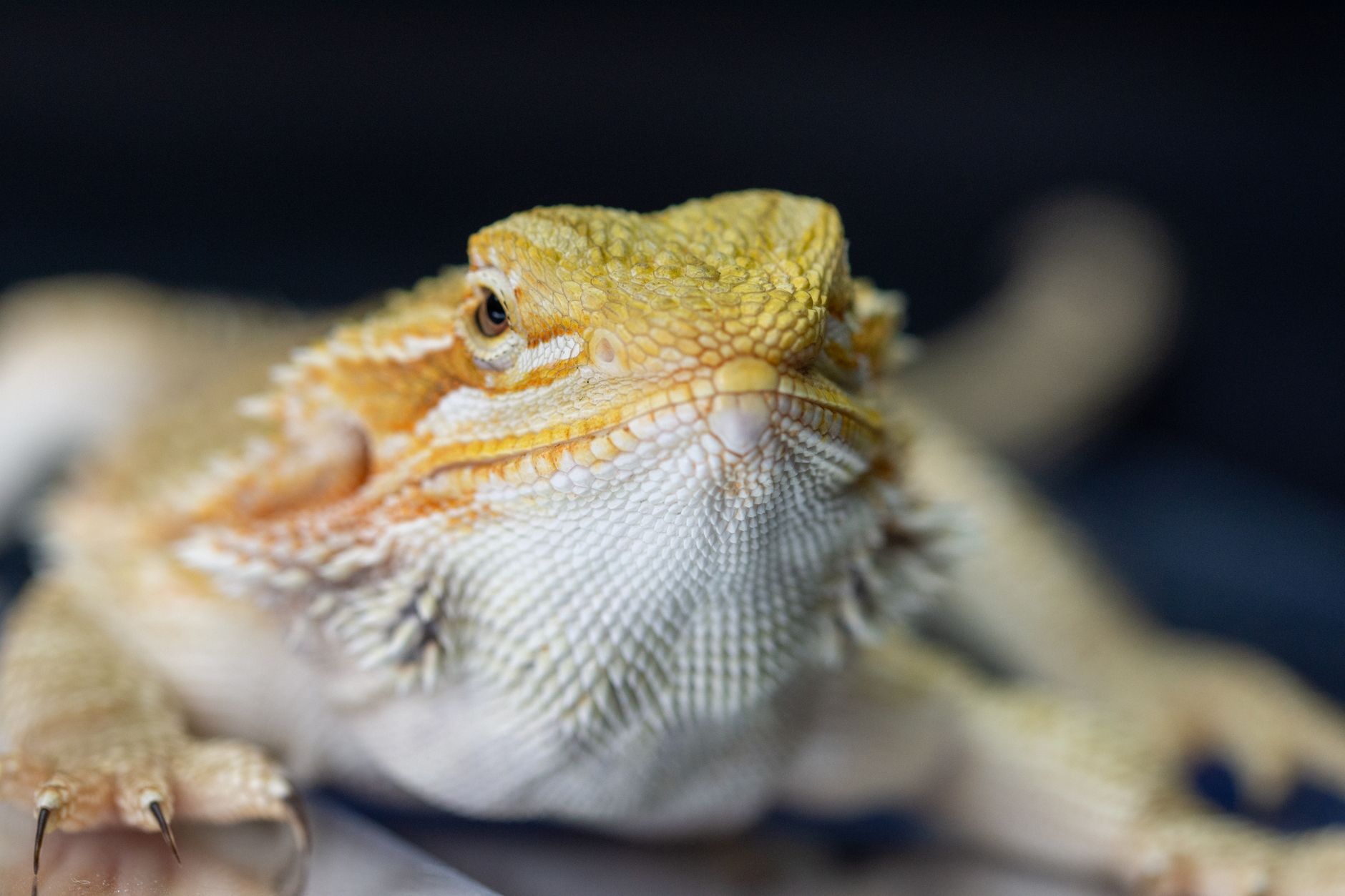
Bearded dragons tilt their heads for a variety of reasons, often related to curiosity, focusing on objects, or even underlying health issues; understanding these reasons is crucial for providing optimal care for your reptile companion. The behavior, what does it mean when a bearded dragon tilts its head?, can range from harmless curiosity to a sign that veterinary attention is needed.
Understanding the Enigmatic Head Tilt
A bearded dragon tilting its head is a surprisingly common behavior, and while it might seem cute or comical, it’s essential to understand the potential causes behind it. By observing accompanying behaviors and environmental factors, you can better determine the reason for the tilt and ensure your dragon’s well-being.
What colours are fish most attracted to?
Can you put your finger in a trout's mouth?
Is methylene blue anti bacterial?
Does aquarium salt raise pH in aquarium?
Possible Reasons for Head Tilting

Several factors can contribute to a bearded dragon’s head tilting. Identifying the correct reason requires careful observation and context.
-
Curiosity and Focusing: Similar to dogs, bearded dragons may tilt their heads to better focus on an object or sound that piques their interest. This is especially true when they are trying to gauge distance or depth.
-
Improving Auditory Perception: Bearded dragons have external ear openings but lack a clear external ear structure like mammals. Tilting the head can help them pinpoint the source of a sound by subtly altering the way sound waves reach their inner ear. This enhances their ability to locate potential prey or perceive threats.
-
Vision Issues: In some cases, a head tilt can indicate a visual impairment. If a dragon is experiencing difficulty seeing clearly, it may tilt its head to compensate for the blurry vision or to adjust its angle of sight. This can be caused by injury, infection, or even neurological problems.
-
Inner Ear Infections: An inner ear infection can disrupt a dragon’s balance, leading to a persistent head tilt. This is often accompanied by other symptoms, such as lethargy, loss of appetite, and difficulty walking.
-
Neurological Issues: While less common, neurological problems such as neurological Inclusion Body Disease (NIBD) can manifest as head tilts, seizures, or other neurological symptoms.
-
Metabolic Bone Disease (MBD): Advanced MBD can weaken bones, affecting the skull and spine and causing postural abnormalities, including head tilting. However, head tilting is rarely the first and only symptom of MBD.
Observing Accompanying Behaviors
Paying close attention to any other symptoms or behaviors that accompany the head tilt can provide valuable clues. Look for these indicators:
- Lethargy or Loss of Appetite: This can indicate illness, infection, or underlying health problems.
- Difficulty Walking or Balancing: This suggests neurological issues or inner ear problems.
- Swelling or Discharge from the Ear: This strongly points toward an ear infection.
- Cloudy Eyes or Obvious Eye Injuries: Indicates visual problems.
- Twitching or Seizures: These are red flags for neurological issues.
- Tremors or Weakness: Could indicate metabolic bone disease or neurological problems.
- Regurgitation: When considering, what does it mean when a bearded dragon tilts its head?, if this is a symptom it could mean the MBD has progressed and the dragon is experiencing pressure.
When to Seek Veterinary Care
Not all head tilts require immediate veterinary attention. However, if the head tilt is persistent, accompanied by other symptoms, or appears to be causing your dragon distress, it’s crucial to consult with a qualified reptile veterinarian. Early diagnosis and treatment can significantly improve the outcome for many underlying conditions. A veterinarian can conduct a thorough physical examination, run diagnostic tests, and recommend the appropriate treatment plan.
Preventive Measures
While you can’t always prevent a head tilt, there are steps you can take to minimize the risk of certain underlying causes.
- Provide a Proper Diet: A balanced diet rich in calcium and vitamin D3 is crucial for preventing MBD. Gut-load feeder insects with nutritious vegetables and dust them with a calcium supplement before feeding them to your dragon.
- Ensure Adequate UVB Lighting: UVB lighting is essential for calcium absorption and bone health. Replace your UVB bulb every six months to ensure optimal output.
- Maintain a Clean Enclosure: A clean enclosure helps to prevent infections. Regularly remove waste and uneaten food, and disinfect the enclosure as needed.
- Regular Veterinary Checkups: Annual veterinary checkups can help to detect potential health problems early on.
Frequently Asked Questions (FAQs)
Can a head tilt be a sign of pain in bearded dragons?
Yes, in some cases, a head tilt can be a sign that a bearded dragon is experiencing pain. Pain related to inner ear infections, neurological problems, or even injuries to the head or neck can cause a dragon to tilt its head to alleviate pressure or discomfort.
How can I tell if my bearded dragon is tilting its head out of curiosity or due to a medical issue?
Observe the frequency and duration of the head tilting. If it’s infrequent, occurs in response to new stimuli, and is accompanied by other curious behaviors, it’s likely due to curiosity. Persistent head tilting, especially with other symptoms like lethargy or balance problems, suggests a medical issue requiring veterinary attention.
What specific tests might a vet perform to diagnose the cause of a head tilt?
A veterinarian might perform a physical examination, blood tests, X-rays, and possibly neurological tests to determine the cause of the head tilt. Blood tests can reveal infections or metabolic imbalances. X-rays can identify bone abnormalities or inner ear problems. Neurological tests can help assess nerve function.
Is Metabolic Bone Disease (MBD) reversible if caught early enough?
Yes, MBD can often be reversed or managed if caught early. Correcting the diet and providing adequate UVB lighting are crucial for restoring calcium levels and bone health. However, severe bone damage may not be fully reversible.
Can stress cause a bearded dragon to tilt its head?
While stress itself doesn’t directly cause head tilting, it can exacerbate underlying conditions. For example, a stressed dragon might show more pronounced symptoms of an ear infection or neurological problem. Minimizing stress is always beneficial for overall health.
What is the typical prognosis for a bearded dragon with an inner ear infection?
The prognosis for a bearded dragon with an inner ear infection is generally good with prompt and appropriate treatment. Veterinarians often prescribe antibiotics or antifungal medications, depending on the cause of the infection.
Are certain breeds or morphs of bearded dragons more prone to head tilting?
There is no evidence to suggest that certain breeds or morphs of bearded dragons are inherently more prone to head tilting. However, genetic predispositions to certain health problems could indirectly increase the risk.
How can I help a bearded dragon that is struggling with balance issues due to a head tilt?
Create a safer and more accessible enclosure. This may involve removing high perches, providing shallow water dishes, and using soft substrates to prevent injuries from falls. Providing food and water within easy reach is also important.
What’s the difference between a head tilt and stargazing in bearded dragons?
While both involve abnormal head positions, they are distinct. Head tilting is a lateral inclination of the head. Stargazing is an upward tilting of the head, often accompanied by a stiff neck and lack of coordination. Stargazing is more often associated with neurological problems.
Can a bearded dragon live a normal life with a permanent head tilt?
In many cases, yes, a bearded dragon can live a relatively normal life with a permanent head tilt, especially if the underlying cause has been addressed and the dragon has adapted to the condition. Adapting the environment to accommodate their needs is crucial.
How often should I clean my bearded dragon’s ears?
Bearded dragons do not require routine ear cleaning unless there is a specific reason, such as a build-up of debris or signs of infection. Excessive cleaning can irritate the ear canal. Consult with a veterinarian if you notice any abnormalities in the ear.
If my bearded dragon stops tilting its head, does that always mean it’s getting better?
Not necessarily. While the cessation of head tilting could indicate improvement, it could also mean the condition has progressed or the dragon is simply no longer able to compensate. It’s crucial to monitor for other symptoms and consult with a veterinarian to ensure the dragon is receiving the appropriate care. What does it mean when a bearded dragon tilts its head? It’s a complex question requiring careful consideration of many factors!