
What Does Deer Meat Taste Like? A Comprehensive Guide
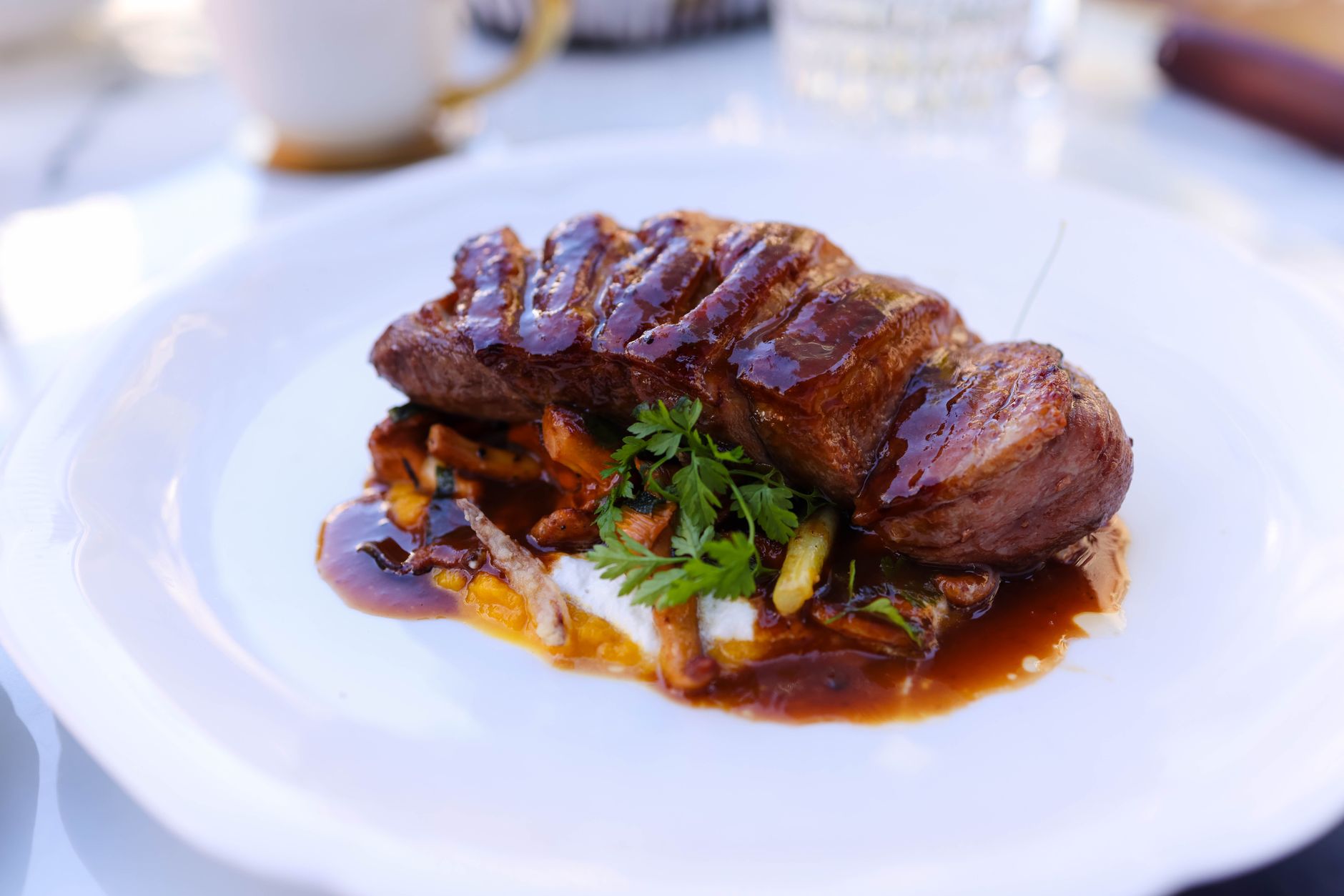
Deer meat, also known as venison, possesses a unique flavor profile that distinguishes it from other red meats like beef or lamb. In short, the taste is often described as earthy, slightly gamey, and leaner than beef.
Unveiling the Flavor Profile of Venison
Deer meat, or venison, is increasingly recognized as a healthy and flavorful alternative to traditional meats. But what does deer meat taste like exactly? Understanding the nuances of venison’s flavor involves exploring several factors, from the deer’s diet and age to the methods of harvesting and preparation. This article delves into the intricacies of venison’s taste, providing a comprehensive guide for those curious about this wild game.

What colours are fish most attracted to?
Can you put your finger in a trout's mouth?
Is methylene blue anti bacterial?
Does aquarium salt raise pH in aquarium?
Factors Influencing the Taste of Deer Meat
Several key factors contribute to the unique flavor of deer meat:
-
Diet: A deer’s diet directly impacts the taste of its meat. Deer that consume a diet rich in acorns, berries, and grasses will generally have a more palatable flavor. Areas with abundant pine trees or bitter vegetation can impart a less desirable, stronger, “gamey” flavor to the meat.
-
Age: Younger deer, often referred to as fawns or yearlings, typically have more tender and milder-tasting meat than older, mature deer. The connective tissues in older deer become tougher, and their meat tends to have a stronger, more pronounced flavor.
-
Sex: While the sex of the deer can theoretically influence the flavor, this is less impactful than diet and age. During the rut (mating season), bucks (male deer) can develop a stronger, musky odor, potentially affecting the taste of the meat if not handled properly.
-
Processing: Proper field dressing and processing are crucial for optimal flavor. Quick and efficient removal of the internal organs after harvesting is essential to prevent the meat from spoiling and absorbing undesirable flavors. Aging the meat properly, either through dry or wet aging, can further enhance its tenderness and flavor.
The Benefits of Consuming Deer Meat
Beyond its unique taste, deer meat offers several nutritional benefits:
-
High in Protein: Venison is an excellent source of lean protein, essential for building and repairing tissues.
-
Low in Fat: Deer meat is significantly lower in fat than beef, making it a healthier option for those watching their fat intake. It also has a more favorable ratio of polyunsaturated to saturated fats.
-
Rich in Nutrients: Venison is packed with essential nutrients, including iron, zinc, and B vitamins.
-
Sustainable Source: When sourced from responsibly managed hunting programs, venison can be a more sustainable and ethical meat choice.
Proper Handling and Preparation for Optimal Taste
To fully appreciate what does deer meat taste like when prepared correctly, consider these guidelines:
-
Field Dressing: Promptly field dress the deer immediately after harvesting. Remove the internal organs, clean the cavity, and cool the carcass as quickly as possible.
-
Aging: Aging the meat for 3-7 days (or even longer under controlled conditions) allows enzymes to break down the muscle fibers, resulting in a more tender and flavorful product. Dry aging is generally preferred.
-
Trimming: Remove any silverskin or excess fat before cooking. Deer fat has a waxy texture and can impart an unpleasant flavor.
-
Cooking Methods: Venison is lean, so it’s best cooked using methods that prevent it from drying out. Marinating, braising, and slow-cooking are excellent options. Sear quickly over high heat and avoid overcooking. The internal temperature should be no more than 145°F for medium-rare.
-
Pairing: Venison pairs well with bold flavors, such as juniper berries, red wine, mushrooms, and root vegetables.
Common Mistakes to Avoid
Several common mistakes can negatively impact the taste of venison:
-
Poor Field Dressing: Delaying field dressing can lead to spoilage and off-flavors.
-
Improper Cooling: Failing to cool the carcass quickly allows bacteria to proliferate.
-
Overcooking: Overcooking venison makes it tough and dry.
-
Incorrect Trimming: Leaving too much fat or silverskin on the meat can result in an unpleasant texture and flavor.
-
Insufficient Marinating: Marinating helps tenderize the meat and add moisture.
| Mistake | Consequence | Solution |
|---|---|---|
| Delayed field dressing | Spoilage, off-flavors | Field dress immediately |
| Improper cooling | Bacterial growth, meat deterioration | Cool the carcass rapidly |
| Overcooking | Toughness, dryness | Cook to medium-rare (145°F) |
| Incorrect trimming | Unpleasant texture and flavor | Remove silverskin and excess fat |
| Insufficient marinating | Dryness, lack of flavor | Marinate before cooking |
Frequently Asked Questions (FAQs)
What is the “gamey” flavor people often associate with deer meat?
The “gamey” flavor is often attributed to the presence of higher levels of iron and branched-chain fatty acids compared to beef. These compounds can create a stronger, more earthy taste. Poor field dressing, improper cooling, or allowing the deer to become stressed before harvesting can exacerbate this flavor.
Is deer meat healthy for you?
Yes, deer meat is considered a very healthy protein source. It is low in fat, high in protein, and rich in essential nutrients like iron, zinc, and B vitamins. It’s generally leaner than beef and contains a favorable ratio of polyunsaturated to saturated fats.
How does the age of the deer affect the taste of the meat?
Younger deer generally have more tender and milder-tasting meat. As deer age, their muscle fibers become tougher, and the meat can develop a stronger, more pronounced flavor. Older deer will typically require longer cooking times and benefit from methods like braising.
Does the deer’s diet affect the taste of the meat?
Absolutely. A deer’s diet has a direct impact on the taste of its meat. Deer that consume a varied diet of grasses, berries, and acorns tend to have a more palatable flavor. A diet heavy in bitter or coniferous vegetation can impart an undesirable taste.
What is the best way to cook deer meat to avoid dryness?
Because deer meat is lean, it’s crucial to use cooking methods that retain moisture. Marinating before cooking is highly recommended. Slow cooking, braising, and searing quickly over high heat before finishing in the oven are all good options. Avoid overcooking; aim for medium-rare.
How should I properly age deer meat?
Aging deer meat helps tenderize it and improve its flavor. You can dry-age or wet-age the meat. Dry-aging involves hanging the carcass in a temperature-controlled environment for 3-7 days (or longer under ideal conditions), while wet-aging involves storing the meat in a vacuum-sealed bag in the refrigerator.
What spices and flavors pair well with deer meat?
Deer meat pairs well with a variety of bold and savory flavors. Consider using herbs like rosemary, thyme, and juniper berries. Mushrooms, red wine, garlic, onions, and root vegetables like carrots and parsnips also complement venison beautifully.
Is it necessary to remove the silverskin from deer meat?
Yes, it’s highly recommended to remove the silverskin and any excess fat from deer meat before cooking. Silverskin is a tough, connective tissue that doesn’t break down during cooking and can make the meat chewy. Deer fat has a waxy texture and can impart an unpleasant flavor.
Can I substitute deer meat for beef in recipes?
Yes, in many cases, you can substitute deer meat for beef in recipes. However, keep in mind that venison is leaner than beef, so you may need to adjust the cooking time and add some extra fat or moisture to prevent it from drying out.
What is the ideal internal temperature for cooking deer meat?
The ideal internal temperature for cooking deer meat is 130-135°F for rare, 135-145°F for medium-rare, and 145-155°F for medium. Overcooking will result in tough, dry meat. Use a meat thermometer to ensure accuracy.
How can I reduce the “gamey” flavor of deer meat?
To minimize the gamey flavor, ensure the deer is properly field-dressed and cooled quickly. Marinating the meat in a mixture of vinegar, wine, or citrus juice can also help. Removing all silverskin and excess fat is crucial.
What should I look for when purchasing deer meat from a butcher?
When purchasing deer meat, look for a deep red color and a firm texture. Avoid meat that appears slimy or has a strong, unpleasant odor. Ask the butcher about the source of the meat and how it was processed. Understanding what does deer meat taste like can also help in asking the right questions.