
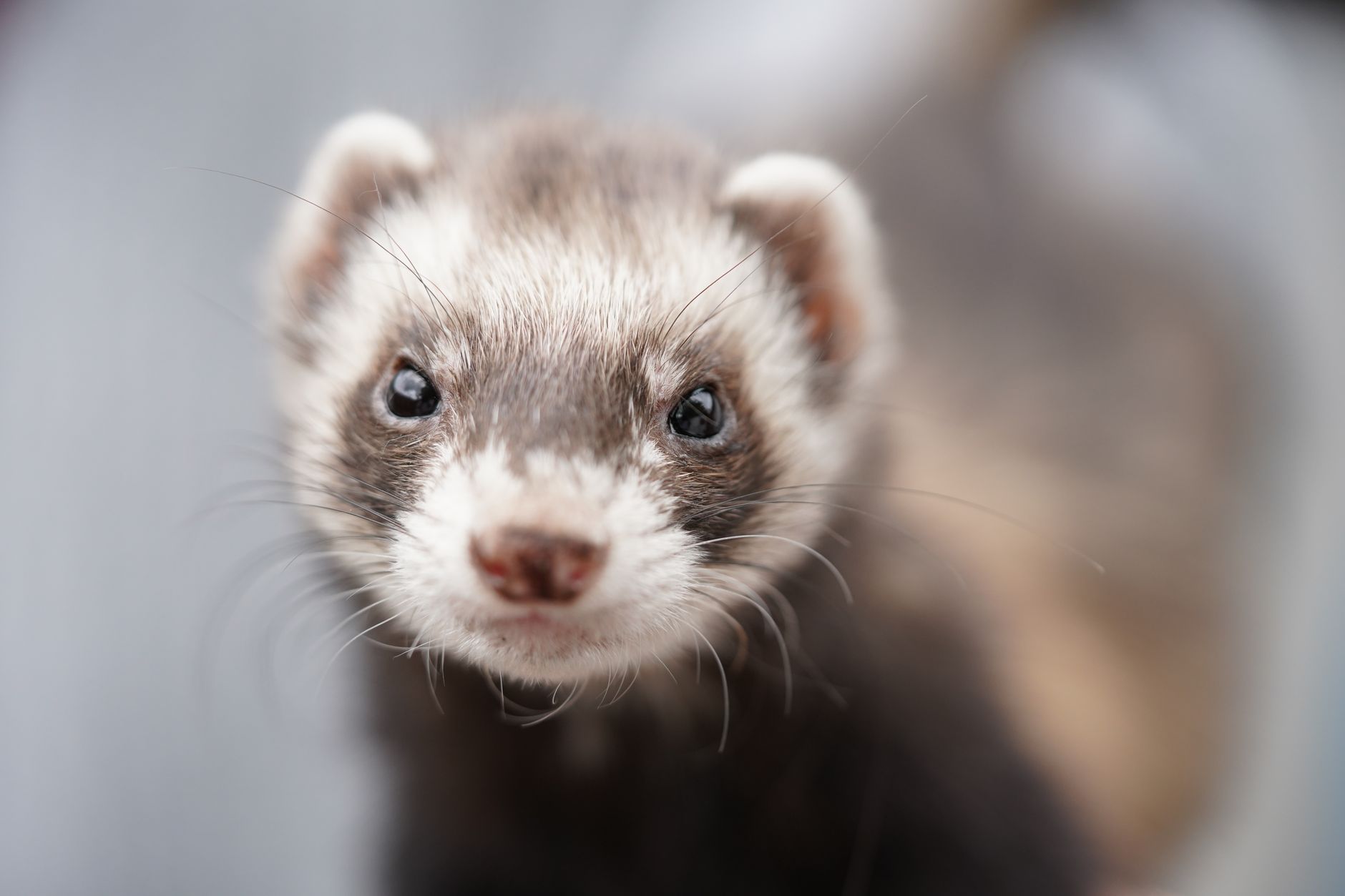
What Does a Stoat or Weasel Look Like? Unveiling the Mystery of these Mustelids
Stoats and weasels are small, elusive members of the mustelid family known for their slender bodies and carnivorous nature; What does a stoat or weasel look like? A stoat is typically larger than a weasel, has a distinct black tip on its tail, and changes to a white coat in winter in colder climates, while a weasel is smaller, lacks the black tail tip (except for the long-tailed weasel of North America), and may or may not change coat color depending on the region.

Introduction to Stoats and Weasels
Stoats and weasels, often confused with each other, belong to the mustelid family, which also includes badgers, otters, and wolverines. These small, carnivorous mammals are found across the Northern Hemisphere and are known for their agility, hunting prowess, and characteristic long, slender bodies. Differentiating between a stoat and a weasel can be tricky, but understanding their key physical differences is essential for accurate identification. What does a stoat or weasel look like? Knowing the differences is vital for wildlife enthusiasts, researchers, and anyone interested in understanding the natural world.
What colours are fish most attracted to?
Can you put your finger in a trout's mouth?
Is methylene blue anti bacterial?
Does aquarium salt raise pH in aquarium?
Physical Characteristics of a Stoat

Stoats, scientifically known as Mustela erminea, are larger than weasels and possess distinct features. Their bodies are elongated and cylindrical, perfectly adapted for navigating narrow burrows and pursuing prey.
- Size: An adult stoat typically measures between 6.7 to 12.8 inches in body length, excluding the tail. Males are generally larger than females.
- Fur: In summer, their fur is a rich reddish-brown color on their back and head, with creamy white underparts. In winter, stoats in colder regions undergo a complete transformation, shedding their brown fur and growing a pure white coat. This camouflage provides excellent protection in snowy environments.
- Tail: The most distinguishing characteristic of a stoat is its tail, which is always tipped with black fur, regardless of the season. This black tip is present even in winter when the rest of the coat is white, making it a reliable identification marker. The tail itself is typically about 3.1 to 5.7 inches long.
- Head: Stoats have a small, triangular head with a pointed snout. Their eyes are dark and beady, providing them with good vision for hunting.
Physical Characteristics of a Weasel
Weasels, specifically the Mustela nivalis, are the smallest members of the Mustelidae family. They are even more slender than stoats, with bodies built for squeezing into incredibly tight spaces.
- Size: Weasels are significantly smaller than stoats, ranging in body length from 6.7 to 9 inches, excluding the tail. Again, males are typically larger.
- Fur: Similar to stoats, weasels have reddish-brown fur on their back and head in summer, with white underparts. However, unlike stoats, only weasels living in colder regions will turn white in winter. In milder areas, their coat remains brown year-round.
- Tail: The key difference is the lack of a black tip on the tail. The tail is relatively short, typically around 1 to 3 inches long, and matches the color of the rest of the body. This is crucial for distinguishing them from stoats. However, the Long-tailed Weasel (Mustela frenata) of North America does have a black-tipped tail, which can add to the confusion.
- Head: Like stoats, weasels have a small, triangular head with a pointed snout and small, dark eyes.
Comparing Stoats and Weasels: A Summary
The following table summarizes the key physical differences between stoats and weasels:
| Feature | Stoat (Mustela erminea) | Weasel (Mustela nivalis) |
|---|---|---|
| Size | Larger (6.7-12.8 inches body length) | Smaller (6.7-9 inches body length) |
| Winter Coat | Turns white in cold climates | Turns white only in cold climates |
| Tail | Black tip always present | No black tip (except in Long-tailed Weasel) |
| Tail Length | Longer (3.1-5.7 inches) | Shorter (1-3 inches) |
Geographical Distribution and Habitat
Stoats and weasels are widely distributed across the Northern Hemisphere, including Europe, Asia, and North America. Their habitat preferences vary, but both species generally thrive in areas with abundant prey, such as rodents and small birds. What does a stoat or weasel look like? is a question often dependent on where one is located because their appearance can vary slightly according to region.
- Stoats: Stoats prefer habitats near water, such as woodlands, grasslands, and marshes. They are adept climbers and swimmers and often hunt along riverbanks and shorelines.
- Weasels: Weasels are more adaptable and can be found in a wider range of habitats, including forests, farmlands, and even urban areas. They are particularly fond of areas with dense vegetation, which provides cover from predators and ample opportunities for hunting.
Diet and Hunting Behavior
Both stoats and weasels are carnivorous predators with a diet primarily consisting of small mammals, such as voles, mice, and rats. They are opportunistic hunters and will also prey on birds, eggs, insects, and even fish if the opportunity arises.
- Hunting Techniques: Stoats and weasels are known for their relentless pursuit of prey. Their slender bodies allow them to follow rodents into their burrows, where they use their sharp teeth and claws to deliver a fatal bite. They are also known for their ability to climb trees and raid bird nests.
- Metabolism: Due to their small size and high activity levels, stoats and weasels have extremely high metabolisms. They must consume a significant amount of food each day to maintain their energy levels.
FAQs: Stoats and Weasels Demystified
Are stoats and weasels dangerous to humans?
Stoats and weasels are generally not dangerous to humans. They are small animals that prefer to avoid contact with people. While they may bite if threatened or cornered, their bite is unlikely to cause serious injury.
Do stoats and weasels make good pets?
No, stoats and weasels do not make good pets. They are wild animals with specific needs that are difficult to meet in a domestic environment. They require a specialized diet, plenty of space to roam, and enrichment activities to keep them stimulated. Furthermore, owning a stoat or weasel may be illegal in some areas.
How long do stoats and weasels live?
In the wild, stoats and weasels typically live for 1-3 years. Their lifespan is limited by predation, disease, and habitat availability. In captivity, they may live slightly longer, but their lifespan is still relatively short.
What is the difference between a stoat and an ermine?
An ermine is simply a stoat in its winter coat. When a stoat turns white in winter, it is referred to as an ermine. The term “ermine” is also used to describe the luxurious white fur of the stoat, which has historically been used in royal garments.
Do stoats and weasels mate for life?
No, stoats and weasels are not known to mate for life. They are typically solitary animals that only come together during the breeding season. The males do not participate in raising the young.
How many babies do stoats and weasels have?
Stoats and weasels typically have 4-8 kits per litter. The kits are born blind and helpless and are cared for by the mother until they are old enough to hunt on their own.
What are the predators of stoats and weasels?
Stoats and weasels are preyed upon by a variety of animals, including birds of prey, foxes, coyotes, and larger mustelids like fishers. They rely on their agility and camouflage to avoid predation.
Do stoats and weasels damage property?
Stoats and weasels can occasionally cause damage to property. They may enter buildings in search of food or shelter and may damage insulation or wiring. However, they are generally less destructive than larger rodents like rats or squirrels.
Are stoats and weasels protected animals?
The conservation status of stoats and weasels varies depending on the region. In some areas, they are protected by law due to declining populations or habitat loss. In other areas, they are considered pests and may be controlled or hunted.
How can I attract stoats and weasels to my property?
Attracting stoats and weasels to your property is generally not recommended, as they are predators that may prey on pets or livestock. However, if you want to observe them in the wild, you can create a suitable habitat by providing plenty of cover and a reliable food source (such as attracting rodents).
What are the conservation concerns for stoats and weasels?
The main conservation concerns for stoats and weasels include habitat loss, fragmentation, and persecution. As their natural habitats are destroyed or degraded, they are forced to compete for resources and are more vulnerable to predation. They are also sometimes targeted by humans due to concerns about their impact on game birds or livestock.
How do stoats and weasels contribute to the ecosystem?
Stoats and weasels play an important role in controlling rodent populations and maintaining the balance of the ecosystem. By preying on small mammals, they help to prevent overpopulation and reduce the spread of disease. They also serve as a food source for larger predators. What does a stoat or weasel look like? isn’t just about aesthetics; their role is critical to their ecosystems.