

What Does a Murdering Hornet Look Like? Understanding Asian Giant Hornets
The Asian giant hornet, often referred to as the “murder hornet,” is a truly imposing insect. What does a murdering hornet look like?? They are characterized by their large size, prominent yellow-orange head, and distinctive black and orange banding on their abdomen.

Introduction: A Closer Look at Vespa mandarinia
The Asian giant hornet, scientifically known as Vespa mandarinia, is the world’s largest hornet species. Native to East Asia, these insects have garnered significant attention and concern due to their potential impact on honeybee populations and, albeit rarely, their ability to inflict painful stings on humans. Understanding their physical characteristics is crucial for identification and awareness.

What colours are fish most attracted to?
Can you put your finger in a trout's mouth?
Is methylene blue anti bacterial?
Does aquarium salt raise pH in aquarium?
Size and Proportions: A Giant Among Hornets
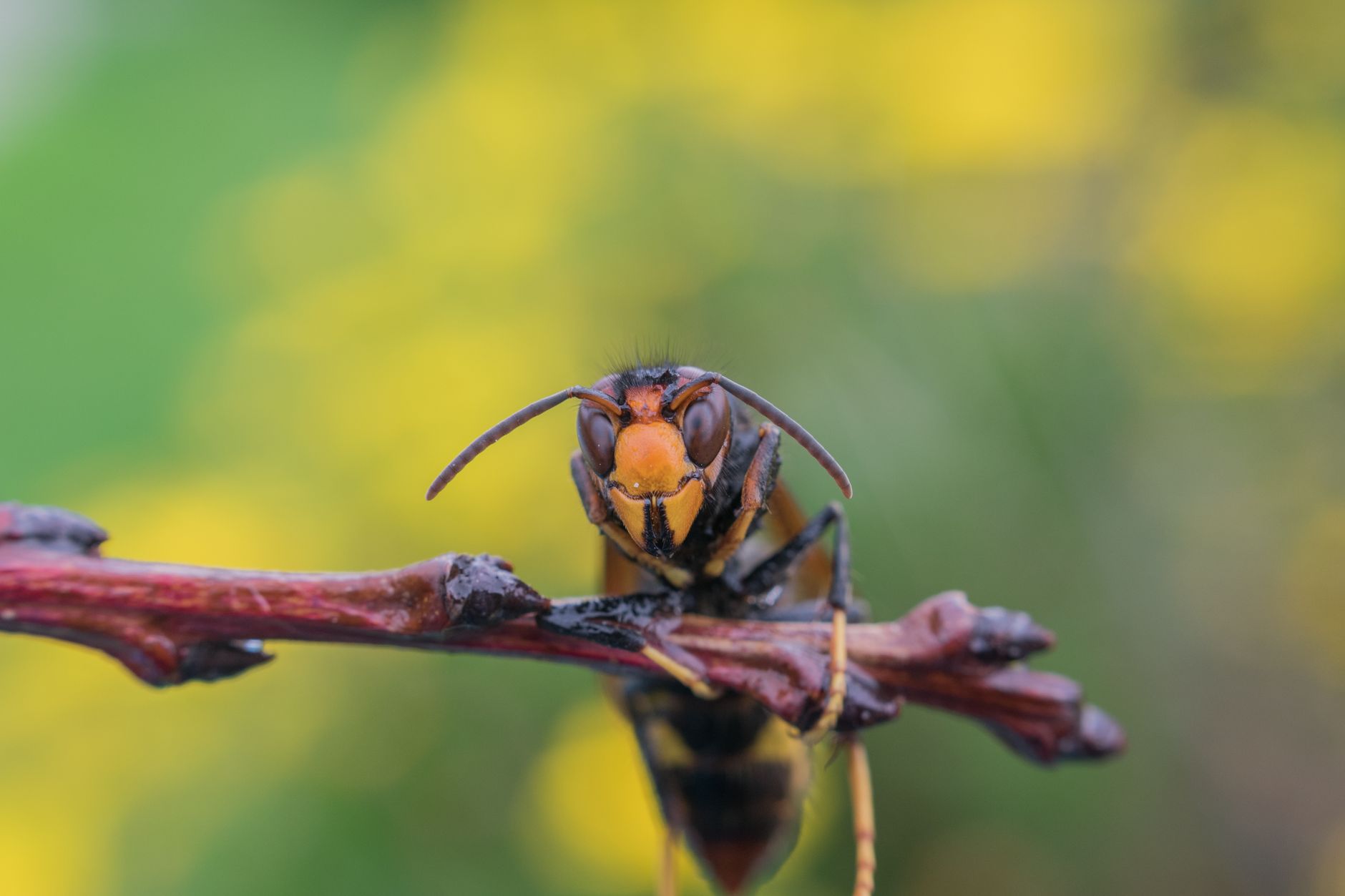
One of the defining features of the Asian giant hornet is its size.
- Queen: The queen hornet can reach lengths of up to 2 inches (5 cm) or more.
- Workers: Worker hornets are generally smaller, but still substantial, measuring between 1.4 to 1.6 inches (3.5 to 4 cm) long.
- Wingspan: Their wingspan can reach up to 3 inches (7.5 cm), making them visibly larger than typical wasps and hornets found in North America and Europe.
Their size immediately distinguishes them from most native insects, contributing to the “murder hornet” moniker.
Head and Facial Features: Identifying Markers
The head of the Asian giant hornet is a key identifying feature.
- Color: The head is typically a bright yellow or orange color.
- Eyes: They possess large, prominent compound eyes.
- Mandibles: They have strong mandibles (jaws) used for capturing prey and, in some cases, destroying beehives.
Thorax and Abdomen: Banding and Coloration
The thorax (the section between the head and abdomen) and abdomen also offer vital clues for identification.
- Thorax: The thorax is usually dark brown or black.
- Abdomen: The abdomen is characterized by alternating bands of dark brown or black and orange or yellow. This banding pattern is a distinctive feature, although the exact pattern can vary slightly between individuals.
Stinger and Venom: A Potent Defense
The Asian giant hornet possesses a long, potent stinger.
- Length: The stinger can be up to 0.25 inches (6 mm) long.
- Venom: Their venom contains a neurotoxin called mandaratoxin, which is significantly more potent than that of honeybees or other common wasps.
- Multiple stings: Unlike honeybees, Asian giant hornets can sting multiple times.
Comparison with Native Species: Avoiding Misidentification
It’s essential to differentiate Asian giant hornets from native species. Many native insects are beneficial and should not be harmed. What does a murdering hornet look like compared to, say, a European Hornet?
| Feature | Asian Giant Hornet (Vespa mandarinia) | European Hornet (Vespa crabro) | Yellowjacket (Vespula spp.) |
|---|---|---|---|
| Size | 1.4-2 inches (3.5-5 cm) | 0.8-1.4 inches (2-3.5 cm) | 0.4-0.6 inches (1-1.5 cm) |
| Head Color | Yellow/Orange | Yellow/Orange | Yellow/Black |
| Abdomen Pattern | Dark bands with Orange/Yellow bands | Black/Brown with Yellow patches | Yellow/Black bands |
| Nest Location | Underground | Above ground in cavities | Underground or in structures |
| Aggressiveness | Aggressive towards beehives | Less aggressive unless provoked | Can be aggressive near nests |
Habitat and Behavior: Understanding Their Ecology
Understanding their habitat and behavior aids in identifying potential sightings.
- Native Range: Native to East Asia, including Japan, Korea, China, and parts of Russia.
- Nesting: They typically nest underground, often in abandoned rodent burrows or rotting tree roots.
- Diet: They are predatory insects, primarily feeding on other insects, including honeybees.
- Beehive Raids: They are notorious for raiding beehives, killing the bees and stealing their larvae as a food source for their own young.
FAQ: Unveiling More About Asian Giant Hornets
What are the key physical characteristics to distinguish a murdering hornet from other insects?
The key characteristics are their large size (up to 2 inches), bright yellow or orange head, and distinctive dark and orange banding on the abdomen. They are significantly larger than most native wasps and bees.
Are Asian giant hornets a significant threat to humans?
While their sting is painful and can be dangerous, especially for those with allergies, they are not typically aggressive towards humans unless threatened or their nest is disturbed.
How can I identify a murdering hornet nest?
Asian giant hornets typically nest underground, often in abandoned rodent burrows or rotting tree roots. The nest entrance may be a small hole in the ground.
What should I do if I encounter an Asian giant hornet?
Maintain distance. Do not approach or disturb it. Report the sighting to your local agricultural authorities or entomologists.
Are Asian giant hornets the same as wasps or bees?
No. While they are related, Asian giant hornets are a distinct species. They belong to the hornet genus (Vespa), which is different from wasps and bees.
How do Asian giant hornets affect honeybee populations?
They are a significant threat to honeybee populations. They raid beehives, killing the bees and stealing their larvae as food. A small number of hornets can decimate an entire hive.
What measures are being taken to control or eradicate Asian giant hornets in areas where they are not native?
Efforts include trapping, nest location, and nest destruction. Monitoring programs are also in place to track their spread.
What is the best way to protect myself from Asian giant hornet stings?
Avoidance is key. If you know they are present in your area, wear protective clothing when working outdoors. If stung, seek medical attention, especially if you experience an allergic reaction.
Are all hornets aggressive?
No, not all hornets are aggressive. Aggressiveness varies by species. Asian giant hornets are particularly aggressive towards beehives, but most hornets are not aggressive towards humans unless provoked.
Where have Asian giant hornets been found in North America?
They have been found in Washington state and British Columbia, Canada. Eradication efforts are ongoing in those areas.
What role do Asian giant hornets play in their native ecosystems?
In their native ecosystems, they are predators that help control insect populations. They are also a food source for other animals.
Can I mistake a cicada killer for a murdering hornet?
Yes, cicada killers are large wasps that are often confused for murdering hornets. However, they are generally solitary and much less aggressive than Asian giant hornets. Also, they are usually darker in color.
Conclusion: Importance of Awareness and Reporting
Understanding what does a murdering hornet look like is critical for both protecting ourselves and safeguarding our ecosystems. By knowing their identifying features, recognizing their potential impact, and reporting any sightings, we can contribute to the efforts aimed at managing this invasive species. Awareness and vigilance are crucial in mitigating the potential damage caused by these imposing insects.