

What Does Coyote Scat Look Like? Unveiling the Secrets of Wild Canid Droppings
Coyote scat typically appears as a twisted, rope-like dropping, often containing undigested fur, bones, seeds, and other remnants of their varied diet, helping identify their presence in an area.

Introduction: Decoding the Wild West in Your Backyard
Coyotes, the adaptable survivors of the North American landscape, are increasingly common sights in urban and suburban environments. While direct encounters are rare, the evidence they leave behind – most notably their scat – can tell a detailed story about their presence, diet, and overall health. Understanding what does a coyote scat look like is a valuable skill for homeowners, hikers, and anyone interested in wildlife observation. Identifying coyote scat allows us to better understand the ecosystem around us and manage human-wildlife interactions responsibly.

What colours are fish most attracted to?
Can you put your finger in a trout's mouth?
Is methylene blue anti bacterial?
Does aquarium salt raise pH in aquarium?
The Appearance: A Detailed Examination
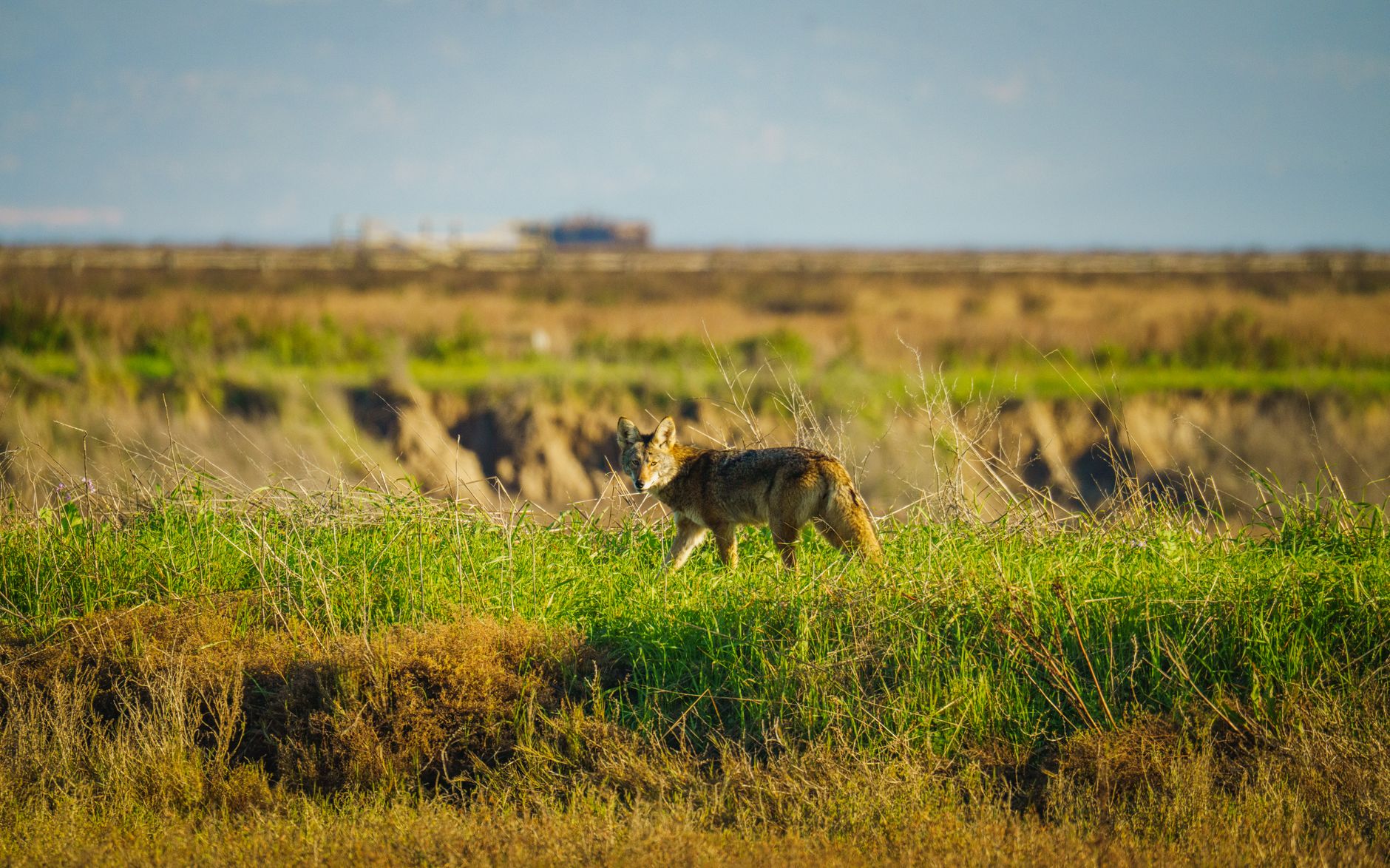
What does a coyote scat look like? The answer isn’t always straightforward, as its appearance can vary based on diet and location. However, there are several key characteristics to look for:
-
Shape and Size: Coyote scat is typically cylindrical and rope-like, ranging from 3 to 5 inches in length and about 1 inch in diameter. It often has a tapered end.
-
Color: Fresh scat can range in color from dark brown to almost black. As it ages and dries, it tends to lighten to a grayish or whitish color, particularly after exposure to sun and rain.
-
Composition: This is perhaps the most telling characteristic. Coyote scat is characteristically filled with undigested material, reflecting their opportunistic diet. You’ll likely see fur, bones, feathers, seeds, and even insect exoskeletons. This distinguishes it from the smoother, more uniform scat of domestic dogs.
-
Location: Coyotes often deposit scat in prominent locations, such as along trails, at trail intersections, or on rocks and logs. This serves as a territorial marker.
Dietary Clues: Reading the Meal Ticket
Analyzing the contents of coyote scat is akin to reading a menu of their recent meals. This “dietary clue” offers insights into the availability of prey, seasonal food preferences, and even the overall health of the coyote population.
- Small Mammals: Fur and bone fragments are strong indicators of rodents, rabbits, and other small mammals being a significant part of the coyote’s diet.
- Birds: Feathers can point to birds as a food source, particularly during migration seasons.
- Fruits and Vegetables: Seeds and plant matter reveal the inclusion of berries, fruits, and even cultivated crops in their diet, especially during seasons when prey is scarce.
- Insects: Chitinous exoskeletons indicate the consumption of insects, particularly grasshoppers and beetles.
- Human-Related Items: Regrettably, coyote scat may occasionally contain plastic or other human-generated waste, highlighting the impact of human activity on their environment.
Distinguishing Coyote Scat from Dog Scat
While the appearance of coyote and dog scat can sometimes be similar, there are key differences that can help you distinguish between the two:
| Feature | Coyote Scat | Dog Scat |
|---|---|---|
| Composition | Contains undigested fur, bones, seeds, and other remnants | Usually more uniform and less likely to contain identifiable prey remnants |
| Shape & Size | Twisted, rope-like, typically 3-5 inches long | More varied, often larger, and may be formed |
| Location | Prominent locations for marking territory | More random locations, often in yards or along sidewalks |
| Smell | Often a strong, musky odor | Less pungent or sometimes smells of dog food |
Health and Safety Considerations
While observing wildlife scat can be fascinating, it’s crucial to prioritize health and safety. Coyote scat can potentially carry parasites and diseases, such as tapeworms, roundworms, and parvovirus, that can be transmitted to humans and pets.
- Avoid Direct Contact: Never handle coyote scat with bare hands.
- Wear Gloves: Use disposable gloves when collecting or examining scat.
- Disinfect: Clean and disinfect any surfaces that may have come into contact with scat.
- Wash Hands: Thoroughly wash your hands with soap and water after handling scat or being in areas where coyote scat is present.
- Keep Pets Away: Prevent pets from coming into contact with coyote scat.
FAQ: Decoding Coyote Droppings
Is it dangerous to touch coyote scat?
Yes, it’s potentially dangerous to touch coyote scat without protection. It can contain parasites and diseases that are transmissible to humans and pets. Always wear gloves and wash your hands thoroughly afterwards.
How can I tell if the scat is fresh?
Fresh coyote scat is usually dark brown to black and moist. It will also have a stronger odor. Older scat will be lighter in color and drier.
What does it mean if the scat is all bones?
If the scat is primarily composed of bones, it indicates that the coyote’s diet has been heavily reliant on bone-rich prey such as rodents or rabbits. This can be more prevalent during times when other food sources are scarce.
Does coyote scat smell different from dog scat?
Yes, coyote scat typically has a stronger, muskier odor than dog scat. This is due to their different diets and digestive processes.
Can I use coyote scat to identify individual coyotes?
While scat alone cannot identify individual coyotes, DNA analysis of scat samples can be used to track individual animals and study their population dynamics.
What should I do if my dog eats coyote scat?
If your dog eats coyote scat, monitor them for signs of illness, such as vomiting, diarrhea, or lethargy. Contact your veterinarian immediately, as they could have ingested parasites.
Does the presence of coyote scat mean there are coyotes nearby?
Yes, the presence of coyote scat strongly suggests that coyotes are active in the area. However, the scat itself might be a few days or weeks old.
How can I discourage coyotes from leaving scat in my yard?
To discourage coyotes, you can remove potential food sources, such as pet food or fallen fruit. You can also use motion-activated lights or sprinklers.
What do coyotes eat other than meat?
Coyotes are omnivores and will eat a variety of foods, including fruits, vegetables, seeds, and insects. Their diet depends on what is available in their environment.
Is coyote scat good fertilizer?
No, coyote scat is not recommended as fertilizer. It can contain harmful pathogens that can contaminate soil and pose a health risk.
What time of year is coyote scat most common?
Coyote scat can be found year-round, but it might be more visible during seasons when vegetation is less dense, such as winter and early spring.
Can I get sick from breathing in dried coyote scat?
While the risk is low, it’s possible to get sick from inhaling dust particles from dried coyote scat, especially if it contains fungal spores or other pathogens. Always take precautions when handling scat.
By understanding what does a coyote scat look like and the information it holds, we can become more attuned to the natural world around us and better equipped to coexist with these fascinating creatures.