

What Do You Feed a Baby Opossum? A Comprehensive Guide
Feeding a baby opossum properly is critical for its survival and healthy development. What do you feed a baby opossum? Specialized milk replacers designed for marsupials, tailored to their age and weight, are the foundation of their diet.

The Unique Nutritional Needs of Baby Opossums
Baby opossums, also known as joeys, are born incredibly undeveloped and require a diet that mimics their mother’s milk. Unlike placental mammals, marsupials have a very short gestation period and complete much of their development in their mother’s pouch. This means their nutritional needs are highly specific and require careful attention to detail.

What colours are fish most attracted to?
Can you put your finger in a trout's mouth?
Is methylene blue anti bacterial?
Does aquarium salt raise pH in aquarium?
Why You Can’t Just Use Cow’s Milk
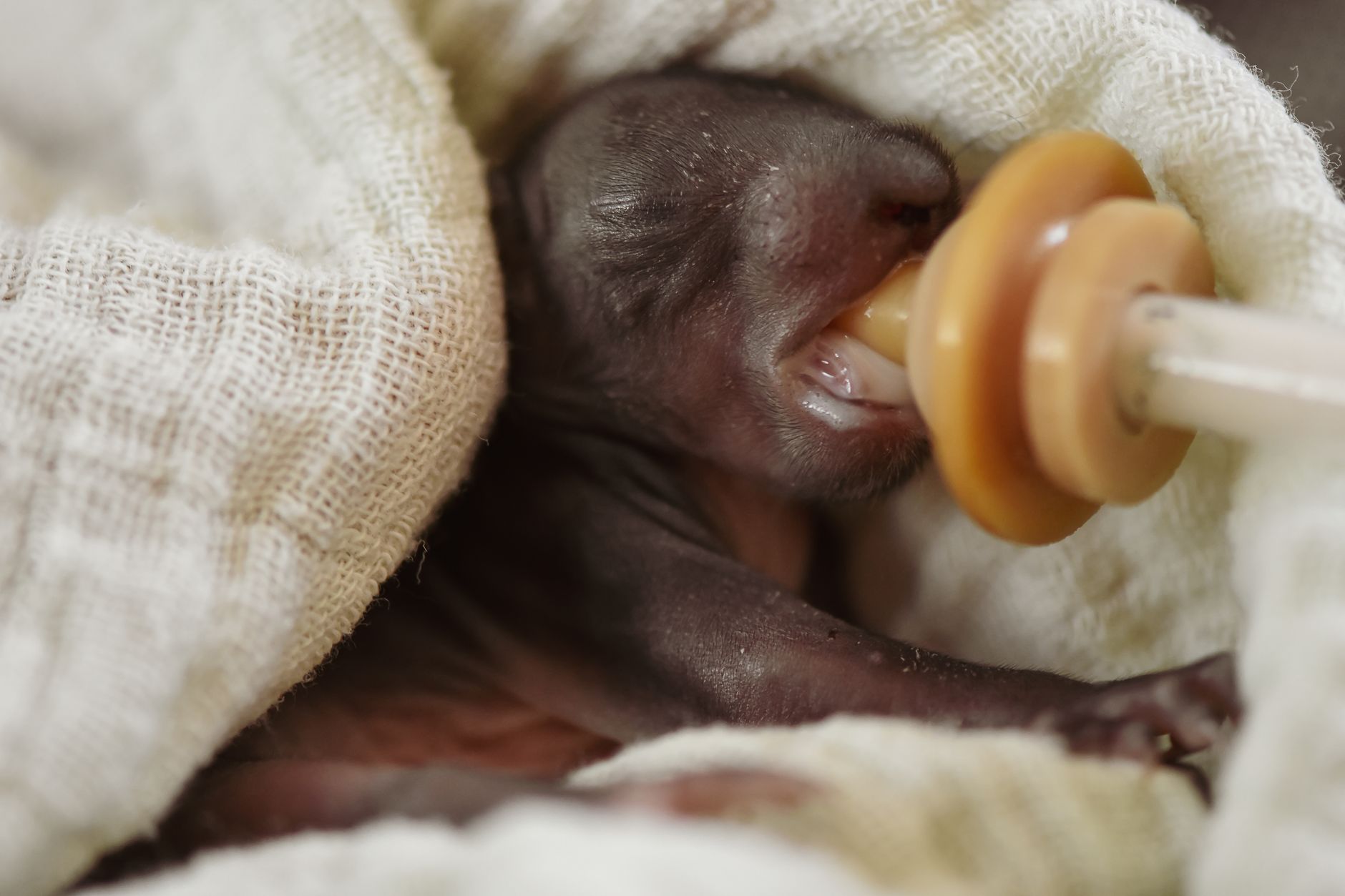
Cow’s milk is entirely unsuitable for baby opossums. Its composition is significantly different from opossum milk, containing too much lactose and not enough fat and protein. Feeding a baby opossum cow’s milk can lead to diarrhea, dehydration, malnutrition, and ultimately, death. Commercial milk replacers specifically formulated for marsupials are essential.
The Best Milk Replacers for Opossums
The gold standard for feeding orphaned baby opossums is commercially available marsupial milk replacer. Some trusted brands include:
- Wombaroo Impact Milk Replacer
- Zoologic Milk Matrix 33/40
- Fox Valley Day One Formula 33/40
Always follow the manufacturer’s instructions for mixing the formula. Ensure it’s properly diluted and warmed to the correct temperature.
Feeding Schedule and Amounts
The frequency and amount of feedings depend on the opossum’s age and weight. A general guideline is:
- Newborns (eyes closed, few grams): Feed every 2-3 hours around the clock.
- Older joeys (eyes open, increasing weight): Gradually increase the intervals between feedings to every 4-6 hours.
Consult a wildlife rehabilitator or veterinarian for specific feeding recommendations based on the individual opossum’s needs. Overfeeding can be just as dangerous as underfeeding, leading to bloat and other digestive issues. Use a small syringe or eyedropper to administer the milk, being careful to avoid aspiration (milk entering the lungs).
Transitioning to Solid Foods
As the baby opossum grows, you can gradually introduce solid foods. This usually begins around 8-10 weeks of age. Start with small amounts of easily digestible options, such as:
- Mashed fruits: Banana, avocado, cooked sweet potato
- Cooked vegetables: Squash, peas, green beans
- High-quality kitten food (wet and dry): Ensure it’s grain-free and high in protein.
- Mealworms and crickets: A great source of protein.
Always offer fresh water alongside solid foods. Gradually increase the amount of solid food while decreasing the amount of milk replacer.
Common Mistakes When Feeding Baby Opossums
- Using the wrong formula: Cow’s milk or homemade formulas are almost always detrimental.
- Overfeeding or underfeeding: Measure carefully and adjust based on the opossum’s weight and condition.
- Feeding too quickly: This can cause aspiration pneumonia, a potentially fatal condition.
- Not stimulating urination and defecation: Baby opossums need help eliminating waste after each feeding, especially when very young. Gently stroke their anal area with a damp cotton ball to stimulate them.
- Ignoring signs of illness: Diarrhea, lethargy, and loss of appetite are red flags that require immediate veterinary attention.
Understanding Opossum Development Stages
| Stage | Characteristics | Feeding |
|---|---|---|
| Newborn | Eyes closed, pink skin, very small, attached to nipple. | Frequent feedings of marsupial milk replacer every 2-3 hours. |
| Pouch Joey | Eyes open, fur starting to grow, still primarily dependent on milk. | Milk replacer every 4-6 hours, gradually decreasing frequency. |
| Independent | Larger, fully furred, exploring, transitioning to solid foods. | Solid foods introduced, milk replacer gradually reduced, fresh water always available. |
FAQs
What is the correct temperature for warming opossum milk replacer?
The ideal temperature for warming opossum milk replacer is between 95-100°F (35-38°C). This mimics the mother’s body temperature and prevents burns. Always test the temperature on your wrist before feeding to ensure it’s not too hot.
How do I stimulate a baby opossum to urinate and defecate?
After each feeding, gently stroke the baby opossum’s anal-genital area with a warm, damp cotton ball or soft cloth. This mimics the mother’s licking and stimulates urination and defecation. Continue until they have eliminated waste.
What are the signs of aspiration pneumonia in a baby opossum?
Signs of aspiration pneumonia include coughing, wheezing, labored breathing, nasal discharge, and lethargy. If you suspect aspiration, seek immediate veterinary care.
Can I use a pet bottle to feed a baby opossum?
While small pet bottles can be used, they can also increase the risk of aspiration. A small syringe or eyedropper allows for better control over the flow of milk.
How much milk replacer should I feed a baby opossum at each feeding?
The amount of milk replacer depends on the opossum’s weight and age. A general guideline is to feed approximately 5% of the opossum’s body weight at each feeding. Consult a wildlife rehabilitator or veterinarian for specific recommendations.
What if the baby opossum refuses to eat?
If the baby opossum refuses to eat, try warming the formula slightly more or offering it in a quiet, stress-free environment. Dehydration is a serious concern, so if they continue to refuse food, seek veterinary advice immediately.
How do I know if I am overfeeding a baby opossum?
Signs of overfeeding include bloating, diarrhea, and regurgitation. Reduce the amount of formula at the next feeding and monitor closely.
Can I give a baby opossum treats?
While it’s tempting to give treats, it’s best to stick to the recommended diet of milk replacer and appropriate solid foods. Avoid giving human food, sweets, or processed snacks.
What is the best way to keep a baby opossum warm?
Baby opossums need to be kept warm, especially when they are young and lack fur. Use a heating pad set on low under a portion of their enclosure, or a warm water bottle wrapped in a towel. Ensure they have the option to move away from the heat source if they get too warm.
When should I start introducing solid foods to a baby opossum?
Start introducing small amounts of solid foods around 8-10 weeks of age, when the opossum starts showing interest in exploring and foraging.
What type of enclosure is best for a baby opossum?
A small, secure enclosure with soft bedding, such as a plastic tote or a wire cage, is suitable for a baby opossum. Provide hiding places, such as a small box or pouch, to help them feel secure.
Where can I find a qualified wildlife rehabilitator if I need help?
You can find a qualified wildlife rehabilitator by contacting your local animal control, humane society, or state wildlife agency. They can provide expert guidance and care for orphaned or injured opossums. Remember, raising a wild animal requires specialized knowledge and permitting in many jurisdictions.