
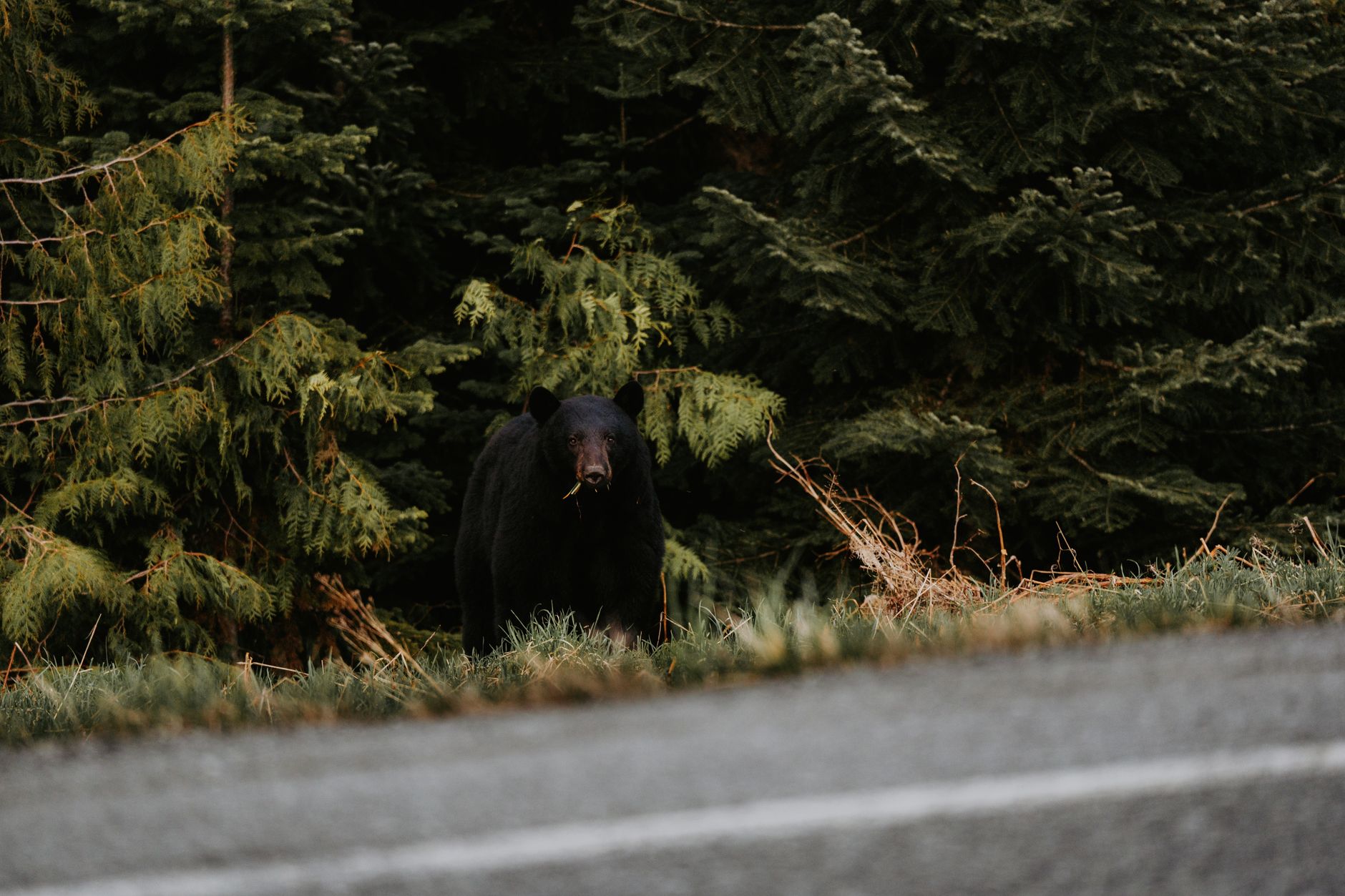
What to Do With a Black Bear After You Shoot It: A Comprehensive Guide
After successfully harvesting a black bear, the responsible hunter must immediately take steps to ensure the safe handling and proper utilization of the animal. What do you do with a black bear after you shoot it? The primary actions involve field dressing the bear, reporting the harvest as required by local regulations, and properly preserving the meat and hide for consumption or taxidermy.

Understanding the Responsibilities of a Bear Hunter
Successfully hunting a black bear comes with significant responsibilities. More than simply pulling the trigger, ethical and legal obligations demand that hunters handle the animal with respect and utilize it to the fullest extent possible. This involves understanding the necessary post-harvest procedures, complying with all applicable regulations, and making informed decisions about processing and preserving the bear.

What colours are fish most attracted to?
Can you put your finger in a trout's mouth?
Is methylene blue anti bacterial?
Does aquarium salt raise pH in aquarium?
Immediate Post-Harvest Procedures: Safety First

The moments immediately following a successful shot are critical for safety and responsible game management.
- Approach with Caution: Even after a seemingly fatal shot, a bear can still pose a threat. Approach slowly and cautiously, observing for any signs of movement. Ensure the bear is deceased before approaching closely.
- Confirm Death: Once safely close, confirm the bear is deceased. Never assume a bear is dead without thorough visual inspection.
- Mark the Location: Immediately mark the precise location of the bear. This is essential for accurate reporting and retrieval. Use GPS coordinates, flagging tape, or other reliable methods.
Field Dressing: Preparing the Bear for Transport
Field dressing is the process of removing the internal organs to prevent spoilage and reduce weight for transport. This should be done as quickly and efficiently as possible.
- Gather Supplies: You will need a sharp knife, game bags (breathable cloth bags), water, and gloves.
- Position the Bear: Place the bear on its back.
- Make the Initial Incision: Carefully make a shallow incision from the sternum to the vent. Be extremely cautious not to puncture any internal organs, especially the intestines, which can contaminate the meat.
- Open the Cavity: Carefully cut through the muscle and skin along the initial incision.
- Remove the Organs: Sever the esophagus and trachea. Carefully pull out the internal organs, keeping them intact as much as possible.
- Inspect for Disease: Examine the organs for any signs of disease or abnormalities. Report any concerns to your local wildlife agency.
- Clean the Cavity: Wipe the body cavity clean with water. Use game bags to keep the meat clean and protect it from insects.
- Cool the Carcass: Cooling the carcass as quickly as possible is essential to prevent spoilage. Elevate the carcass to allow for airflow.
Legal Requirements: Reporting the Harvest
All jurisdictions have specific regulations regarding the reporting of harvested bears. It is crucial to understand and comply with these requirements. Failure to do so can result in fines, penalties, and loss of hunting privileges.
- Tagging: Most jurisdictions require immediate tagging of the harvested bear.
- Reporting: Report the harvest to the appropriate wildlife agency within the specified timeframe. This may involve phone calls, online forms, or physical check-in stations.
- Harvest Data: Be prepared to provide information such as your hunting license number, the location of the harvest, and details about the bear (sex, weight, approximate age).
- Tooth Collection: Some jurisdictions require the submission of a tooth for aging purposes.
Preserving the Meat: Safe Handling and Storage
Black bear meat is a valuable resource, and proper handling is essential to ensure its safety and quality.
- Cooling: Rapid cooling is paramount. Get the carcass to a cooler or freezer as soon as possible.
- Processing: Process the meat into steaks, roasts, and ground meat.
- Freezing: Wrap the meat tightly in freezer paper or vacuum seal it to prevent freezer burn.
- Cooking: Black bear meat must be cooked to an internal temperature of 160°F (71°C) to kill Trichinella spiralis, a parasite that can cause trichinosis.
- Fat Removal: Bear fat tends to be strong-flavored. Consider removing as much fat as possible before cooking.
Hide Care: Options for Taxidermy or Tanning
The hide of a black bear can be used for taxidermy, rugs, or leather products. Proper care is essential to preserve its quality.
- Cooling: Keep the hide cool to prevent hair slippage.
- Salting: Salt the hide liberally with non-iodized salt to draw out moisture. Use plenty of salt, and ensure it covers all surfaces of the hide.
- Fleshing: After salting, flesh the hide to remove any remaining meat or fat.
- Tanning: Send the hide to a professional tannery for tanning.
Common Mistakes and How to Avoid Them
Several common mistakes can compromise the quality of bear meat and hides. Being aware of these pitfalls can help hunters avoid them.
- Delaying Cooling: Delaying cooling is a significant mistake that can lead to spoilage. Act quickly to field dress and cool the carcass.
- Poor Hygiene: Maintaining good hygiene during field dressing is crucial. Wear gloves and wash your hands thoroughly to prevent contamination.
- Insufficient Salting: Insufficient salting of the hide can lead to hair slippage. Use plenty of salt and ensure it covers all surfaces.
- Improper Cooking: Failing to cook bear meat to the proper internal temperature can result in trichinosis. Use a meat thermometer to ensure it reaches 160°F (71°C).
Ethical Considerations: Respecting the Animal
Beyond the legal requirements, ethical considerations are paramount. Show respect for the animal by utilizing as much of it as possible and avoiding waste. This includes utilizing the meat, hide, and skull.
The Circle of Life: Sustainable Hunting Practices
Hunting plays a vital role in wildlife management. By following sustainable hunting practices and adhering to regulations, hunters contribute to the health and sustainability of bear populations.
Frequently Asked Questions
What is the legal responsibility of a hunter after shooting a black bear?
The legal responsibilities after shooting a black bear involve tagging the animal, reporting the harvest to the appropriate wildlife agency within the specified timeframe, and complying with all applicable regulations regarding possession and transportation.
How quickly should I field dress a black bear after harvesting it?
You should field dress a black bear as quickly as possible, ideally within a few hours of harvesting it. This is crucial to prevent spoilage, especially in warmer weather. Rapid cooling of the carcass is essential.
What are the key signs that bear meat has spoiled?
Key signs that bear meat has spoiled include an unpleasant odor, a slimy texture, and discoloration. If you observe any of these signs, it is best to discard the meat to avoid the risk of food poisoning.
Can I eat bear meat rare or medium-rare?
No, never eat bear meat rare or medium-rare. Bear meat must be cooked to an internal temperature of 160°F (71°C) to kill Trichinella spiralis, the parasite that causes trichinosis.
What is the best way to store bear meat for long-term preservation?
The best way to store bear meat for long-term preservation is to wrap it tightly in freezer paper or vacuum seal it and then freeze it at 0°F (-18°C) or lower. This will help prevent freezer burn and maintain the quality of the meat for several months.
How much salt is enough when preserving a bear hide?
When preserving a bear hide, use plenty of non-iodized salt, ensuring it covers all surfaces of the hide, including the edges and areas around the head and paws. A thick layer of salt is essential to draw out moisture and prevent hair slippage.
What is “hair slippage” and why is it bad?
“Hair slippage” refers to the loss of hair from the hide. It is bad because it reduces the value and quality of the hide, making it unsuitable for taxidermy or other uses. It is caused by bacterial decomposition due to improper salting and cooling.
Can I tan a bear hide myself, or should I use a professional?
While it is possible to tan a bear hide yourself, it is generally recommended to use a professional tannery. Tanning is a complex process that requires specialized chemicals and equipment. A professional tannery can ensure the hide is properly tanned and preserved.
What should I do if I suspect a bear I harvested has a disease?
If you suspect a bear you harvested has a disease, contact your local wildlife agency immediately. They can provide guidance on how to handle the carcass and may request samples for testing.
Is bear fat edible?
Bear fat is technically edible, but it has a strong and sometimes unpleasant flavor. Many hunters choose to discard the fat, while others render it for use in soap making or other non-food applications.
What do you do with a black bear after you shoot it if you don’t want to eat it or use the hide?
If you don’t want to eat the meat or use the hide, you are still obligated to follow all reporting requirements and handle the carcass respectfully and responsibly. Some hunters donate the meat to food banks or wildlife rehabilitation centers. Disposing of the carcass legally and ethically is important.
What role does hunting play in black bear population management?
Hunting helps manage black bear populations by controlling their numbers and preventing overpopulation. Regulated hunting seasons and bag limits are designed to ensure the long-term health and sustainability of bear populations while minimizing human-wildlife conflicts. The fees generated from licenses and tags also contribute to conservation efforts.