

What To Do If You Find A Baby Deer Alone: A Comprehensive Guide
Discovering a seemingly abandoned fawn can trigger an immediate emotional response, but knowing the right course of action is crucial. The answer to What do you do if you find a baby deer alone? is usually: Leave it alone and observe from a distance as the mother is most likely nearby and will return.

Understanding Deer Behavior: Why Fawns Appear Abandoned
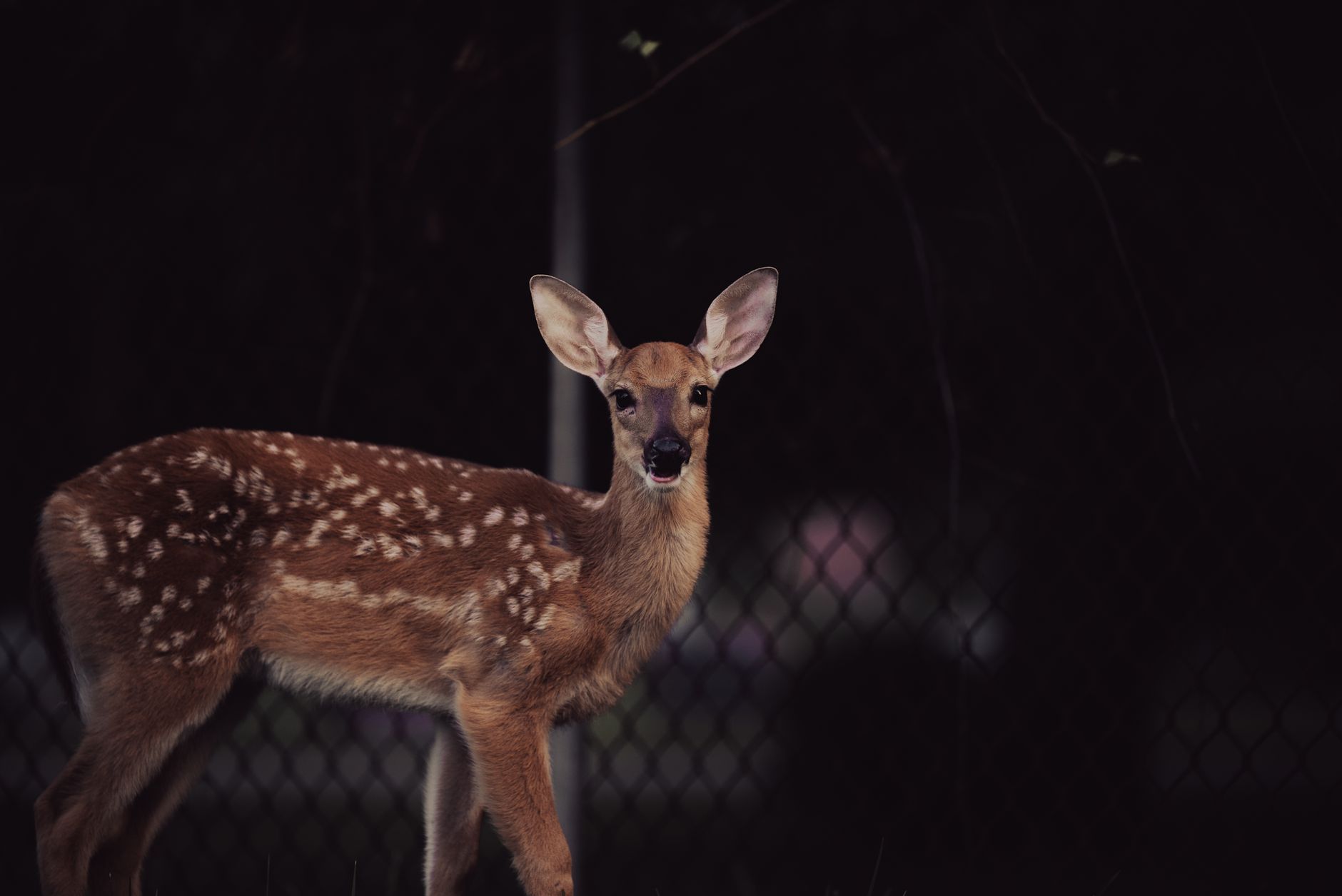
The most common mistake people make is assuming a fawn found alone is orphaned. Deer, particularly does with young fawns, employ a survival strategy that often appears neglectful but is, in fact, quite clever. The doe will leave her fawn hidden in tall grass or underbrush for extended periods while she forages for food. This reduces the scent in the immediate area, making it harder for predators to locate the vulnerable fawn.
What colours are fish most attracted to?
Can you put your finger in a trout's mouth?
Is methylene blue anti bacterial?
Does aquarium salt raise pH in aquarium?
Identifying True Abandonment

It’s important to distinguish between a fawn that is simply waiting for its mother to return and one that truly needs assistance. Look for these signs indicating possible abandonment or distress:
- Visible injuries: Any signs of open wounds, broken bones, or general weakness.
- Emaciation: Visible ribs or a general unhealthy appearance.
- Fly infestation: A significant number of flies swarming the fawn, particularly around wounds.
- Prolonged vocalization: Continuous bleating for an extended period, indicating distress.
- Approachability: A healthy fawn will typically be wary and attempt to flee when approached.
The “Leave It Be” Approach: When Observation is Key
In the vast majority of cases, the best course of action is to leave the fawn undisturbed and observe from a distance – preferably from inside a house or car using binoculars. Avoid approaching the fawn closely, as your scent can deter the mother from returning. Observe for at least 24 hours, or even longer if possible, before concluding that the fawn is truly abandoned.
Contacting Professionals: When Intervention is Necessary
If, after a reasonable observation period, the fawn exhibits signs of abandonment or distress as outlined above, contact your local wildlife rehabilitator or animal control agency. They have the expertise and resources to properly assess the fawn’s condition and determine the appropriate course of action. Do not attempt to capture or move the fawn yourself unless directed to do so by a professional.
The Dangers of Human Intervention
Taking a fawn into your home, even with the best intentions, can have devastating consequences. Fawns require specialized care and nutrition that is difficult to replicate in a domestic setting. Furthermore, human contact can make it impossible to reintroduce the fawn back into the wild. The fawn may become habituated to humans, losing its natural fear and foraging instincts, which are essential for survival.
Considerations for Pets
Keep your pets away from areas where you suspect a fawn may be hidden. Even well-behaved dogs can pose a threat to a vulnerable fawn, either through direct attack or by scaring the mother away.
Summary of Key Actions
| Action | When to Do It | When to Avoid It |
|---|---|---|
| Leave It Alone | The fawn appears healthy, is in a safe location, and you haven’t observed it for a prolonged period. | The fawn is visibly injured, emaciated, covered in flies, or vocalizing continuously. |
| Observe from a Distance | You suspect the fawn might be abandoned but need to confirm. | Observing from a distance puts undue stress on the fawn and could scare away the mother. |
| Contact Wildlife Rehabilitator | After prolonged observation, you are convinced the fawn is truly abandoned or injured. | You haven’t observed the fawn for a reasonable period, or it appears healthy and is in a safe location. |
| Keep Pets Away | Anytime you are in an area where fawns might be present, especially during spring and early summer. | N/A |
What do you do if you find a baby deer alone? Follow these steps.
- Assess the situation: Look for signs of distress or injury.
- Observe from a distance: Give the mother time to return.
- Avoid contact: Do not touch or move the fawn.
- Contact professionals: If the fawn appears abandoned or injured after a reasonable observation period, contact a wildlife rehabilitator.
- Protect pets: Keep pets away from the area.
Frequently Asked Questions (FAQs)
What does a healthy fawn look like?
A healthy fawn will be alert, have bright eyes, and a glossy coat. It will be able to stand and move around, although it may appear wobbly at first. Most importantly, it will be quiet and still, relying on camouflage for protection.
How long will a mother deer leave her fawn alone?
Does will often leave their fawns alone for extended periods, sometimes up to 12 hours at a time. This is a natural behavior and does not necessarily indicate abandonment.
What if it’s raining or cold? Won’t the fawn get sick?
Fawns are surprisingly resilient and adapted to withstand various weather conditions. Their spotted coat provides excellent camouflage, and they have a natural ability to conserve heat. Unless the fawn is showing signs of hypothermia (shivering excessively), it is best to leave it alone.
Will a mother deer reject her fawn if it smells like humans?
While deer have a keen sense of smell, the myth that a mother will automatically reject her fawn if it smells like humans is largely unfounded. However, it’s still best to avoid touching the fawn to minimize any potential disruption to the natural bonding process.
What should I do if I accidentally touched a fawn before I knew better?
Don’t panic. Simply leave the area and allow the mother to return. It’s highly unlikely that your scent will prevent the mother from caring for her fawn.
I saw a fawn lying in my garden. Should I move it to a safer location?
Unless the fawn is in immediate danger (e.g., in the middle of a road), do not move it. The mother knows where she left her fawn and will return to that specific location. Moving it could make it harder for her to find it.
What is the best way to observe a fawn without disturbing it?
The best way to observe a fawn is from a distance, using binoculars. Stay inside your house or car, and avoid making loud noises or approaching the fawn directly.
When is fawn season?
Fawn season typically occurs in the spring and early summer months (May-June in many regions), although it can vary depending on the location and climate.
What should I feed a fawn if I’m convinced it’s abandoned?
Never attempt to feed a fawn without the guidance of a wildlife rehabilitator. Feeding the wrong type of food can cause serious digestive problems and even death.
How do I find a qualified wildlife rehabilitator?
You can find a list of licensed wildlife rehabilitators in your area by contacting your local animal control agency or state wildlife agency. Many state wildlife agencies also have websites with directories of licensed rehabilitators.
Can I keep a fawn as a pet if it’s truly orphaned?
It is illegal to keep a wild animal as a pet in most jurisdictions. Furthermore, raising a fawn in captivity is extremely difficult and rarely successful. The fawn is much better off being cared for by a qualified wildlife rehabilitator who can prepare it for release back into the wild.
What do you do if you find a baby deer alone? and the mother is dead on the road nearby?
This is one of the few instances where intervention is absolutely necessary. Carefully approach the fawn (if safe to do so) and immediately contact a wildlife rehabilitator with details about the location and the situation. They will be able to assess the fawn’s health and determine the best course of action. The fawn will almost certainly need professional care in this situation.