

What Reindeers Do: Unveiling the Secrets of the Arctic’s Iconic Mammals
Reindeer, also known as caribou, are arctic and subarctic ungulates whose lives revolve around surviving in harsh environments, characterized by cyclical migrations, specialized diets, and complex social structures; What do reindeers do?, they thrive in challenging landscapes by adapting uniquely to their surroundings.

Introduction: Beyond the Myth – The Real Lives of Reindeer
Reindeer, often associated with festive holidays and magical sleigh rides, are far more complex and fascinating creatures than popular culture often portrays. Understanding what do reindeers do? goes beyond a simple association with Santa Claus. It involves delving into their crucial role in arctic ecosystems, their intricate social dynamics, and the remarkable physiological adaptations that allow them to thrive in some of the planet’s most unforgiving environments. These animals are integral to the culture and sustenance of many indigenous populations and play a significant role in shaping the landscapes they inhabit.
What colours are fish most attracted to?
Can you put your finger in a trout's mouth?
Is methylene blue anti bacterial?
Does aquarium salt raise pH in aquarium?
The Cyclical Migration: A Journey for Survival

One of the most defining aspects of reindeer life is their long-distance migration. These journeys are driven by the need to find food, avoid predators, and access suitable breeding grounds.
- Following the Food: Reindeer primarily feed on lichen, a slow-growing plant found on the tundra. They must migrate to areas where lichen is abundant, following seasonal growth patterns.
- Escaping the Elements: During winter, reindeer often move south to avoid deep snow, which makes foraging difficult. In summer, they migrate north to escape insect harassment and take advantage of the longer daylight hours.
- Calving Grounds: Migration also takes them to specific calving grounds, where females give birth to their young in relatively safe and undisturbed environments.
These migrations can cover hundreds or even thousands of kilometers, making them one of the most impressive animal movements on Earth. The routes they follow are often passed down through generations, reflecting a deep understanding of the landscape.
Diet and Digestion: Specialized for the Tundra
Reindeer have a highly specialized diet, primarily consisting of lichen, especially in winter. This unique adaptation allows them to survive in environments where other herbivores struggle.
- Lichen Lovers: Lichen is a low-nutrient food source, but reindeer have evolved a specialized digestive system to extract what they need.
- Summer Greens: During the summer months, reindeer also consume grasses, sedges, and leaves, providing a more varied and nutritious diet.
- Rumination: Like other ruminants, reindeer have a four-chambered stomach that allows them to ferment and digest tough plant material.
The ability to survive on lichen, in particular, is a key factor in the reindeer’s success in arctic and subarctic regions.
Social Structure: Herds and Hierarchy
Reindeer are highly social animals, living in herds that can range in size from a few individuals to thousands. The size and structure of these herds vary depending on the season and the environment.
- Seasonal Herds: During migration, reindeer often form large herds for protection and efficiency.
- Breeding Season: During the breeding season (rut), males compete for access to females, establishing a dominance hierarchy.
- Family Groups: Within the larger herds, smaller family groups may form, consisting of mothers and their calves.
This social structure is essential for reindeer survival, providing protection from predators, facilitating foraging, and enabling the transmission of knowledge and skills from one generation to the next.
Physiological Adaptations: Built for the Cold
Reindeer possess remarkable physiological adaptations that allow them to thrive in extremely cold environments. These adaptations include:
- Thick Fur: A dense double coat of fur provides excellent insulation, trapping air and preventing heat loss.
- Specialized Hooves: Reindeer hooves are wide and concave, providing traction on snow and ice. They also have sharp edges for digging through snow to reach food.
- Countercurrent Heat Exchange: A network of blood vessels in their legs allows them to transfer heat from arterial blood to venous blood, minimizing heat loss to the environment.
- Nasal Turbinates: Intricate nasal passages warm and humidify the air before it reaches their lungs, preventing damage from the cold.
- Eyesight: Reindeer eyes are believed to have the ability to see ultraviolet light, which helps them see in the dark arctic winters and spot objects, like predators, against the snow.
These adaptations are essential for reindeer to survive and thrive in the harsh conditions of the Arctic and subarctic. Understanding What do reindeers do? involves appreciating the extent of their evolutionary journey to adapt to this unique biome.
Threats and Conservation: Challenges to Survival
Despite their adaptations, reindeer face a number of threats to their survival, including:
- Climate Change: Warming temperatures are causing changes in vegetation patterns, snow cover, and ice conditions, disrupting migration routes and reducing food availability.
- Habitat Loss: Development, such as logging, mining, and infrastructure projects, is destroying and fragmenting reindeer habitat.
- Overhunting: In some areas, unregulated hunting is contributing to population declines.
- Disease: Reindeer are susceptible to a number of diseases, which can spread rapidly through herds.
Conservation efforts are crucial to protecting reindeer populations and ensuring their long-term survival. These efforts include habitat protection, regulated hunting, disease management, and addressing the impacts of climate change.
Conclusion: A Vital Part of the Arctic Ecosystem
Reindeer are far more than just festive symbols. They are integral to the health and function of arctic ecosystems and the cultures of many indigenous peoples. Understanding What do reindeers do? is essential for appreciating their ecological significance and the challenges they face. By supporting conservation efforts, we can help ensure that these remarkable animals continue to thrive in the Arctic for generations to come.
Frequently Asked Questions About Reindeer
What is the difference between a reindeer and a caribou?
The terms reindeer and caribou refer to the same species ( Rangifer tarandus). In North America, the term caribou is generally used to refer to wild populations, while reindeer is used for domesticated or semi-domesticated populations. In Europe and Asia, the term reindeer is used for all populations.
Where do reindeer live?
Reindeer are found in arctic and subarctic regions of the world, including North America, Europe, and Asia. They inhabit a variety of habitats, including tundra, boreal forests, and mountains.
What do reindeer eat besides lichen?
While lichen is a staple food, especially in winter, reindeer also eat grasses, sedges, leaves, and mushrooms, depending on the season and availability. Their diet varies geographically and seasonally.
How long do reindeer live?
The average lifespan of a reindeer is 15 to 20 years in the wild. In captivity, they may live longer.
How fast can reindeer run?
Reindeer are surprisingly fast runners. They can reach speeds of up to 80 kilometers per hour (50 miles per hour) for short distances.
Do both male and female reindeer have antlers?
Yes, both male and female reindeer grow antlers. This is a unique characteristic among deer species. Male reindeer shed their antlers in the winter, while females shed theirs in the spring or summer.
Why are reindeer important to indigenous cultures?
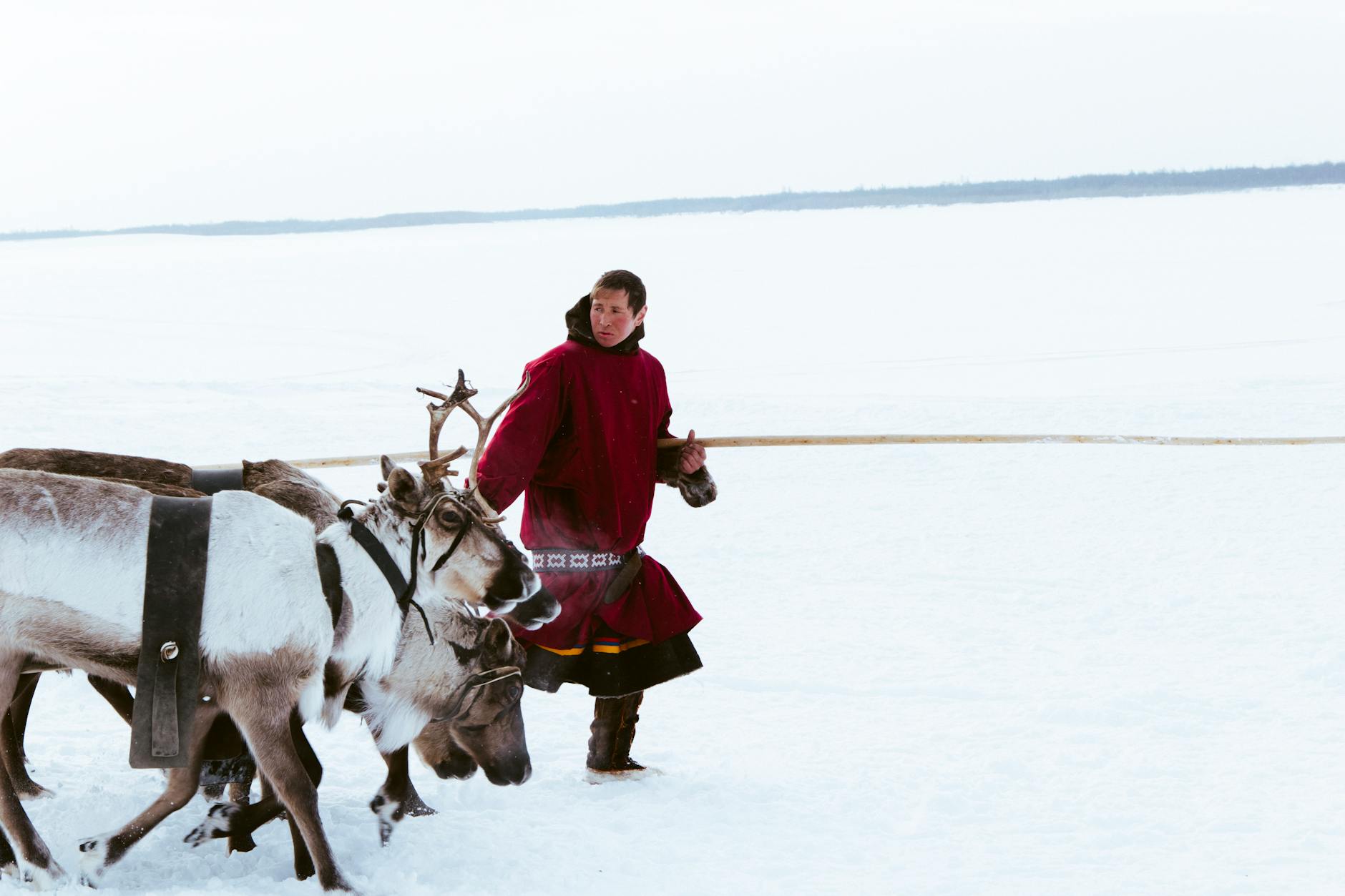
Reindeer have been a vital resource for indigenous cultures for thousands of years. They provide food, clothing, shelter, and transportation. Reindeer herding is an important part of the cultural identity and economic well-being of many indigenous communities.
How do reindeer keep warm in the Arctic?
Reindeer have several adaptations that help them stay warm in the Arctic, including thick fur, specialized hooves, a countercurrent heat exchange system, and nasal turbinates. These adaptations allow them to conserve heat and minimize energy expenditure in cold environments.
What is the rutting season for reindeer?
The rutting (breeding) season for reindeer typically occurs in the fall (September-November). During this time, males compete for access to females, displaying their antlers and engaging in aggressive behavior.
How many subspecies of reindeer are there?
There are several subspecies of reindeer, each with its own unique characteristics. The exact number of subspecies is debated, but some commonly recognized subspecies include the tundra reindeer, woodland caribou, and barren-ground caribou.
Are reindeer populations declining?
In some areas, reindeer populations are declining due to climate change, habitat loss, overhunting, and disease. Conservation efforts are needed to protect these populations and ensure their long-term survival.
What is the role of reindeer in the Arctic ecosystem?
Reindeer play an important role in the Arctic ecosystem. They graze on vegetation, which influences plant communities and nutrient cycling. They also serve as a food source for predators, such as wolves and bears. Additionally, their waste contributes to soil fertility. Understanding their impact clarifies What do reindeers do? and why their presence is crucial for the biodiversity of their region.