

What Perfumers Use Instead of Ambergris: A Modern Alchemy
Perfumers today rely on a fascinating array of synthetic molecules, plant-derived materials, and animal-friendly alternatives to recreate the unique and sought-after scent profile of ambergris, ensuring ethical and sustainable fragrance creation. So, what do perfumers use instead of ambergris?
The Allure and Ethical Concerns of Ambergris
Ambergris, often called “whale vomit,” is a solid, waxy substance produced in the digestive system of sperm whales. Historically prized for its fixative properties in perfumery, ambergris allowed fragrances to last longer on the skin and imparted a distinctive, salty, marine, and subtly animalic scent.
However, the use of ambergris raises significant ethical concerns:
- Animal Welfare: While ambergris is often found washed ashore and considered a natural byproduct, there’s always the risk of illegally obtained ambergris from whale hunting or disturbed whale habitats.
- Legality: The legality of trading ambergris varies widely from country to country, adding complexity and uncertainty for perfumers.
- Sustainability: Relying on a substance produced by a threatened species is inherently unsustainable in the long term.
Therefore, modern perfumery has actively sought out effective and ethical alternatives to replace ambergris.

Is distilled water good for goldfish?
What colours are fish most attracted to?
Can you put your finger in a trout's mouth?
Is methylene blue anti bacterial?
Key Replacements for Ambergris in Perfumery
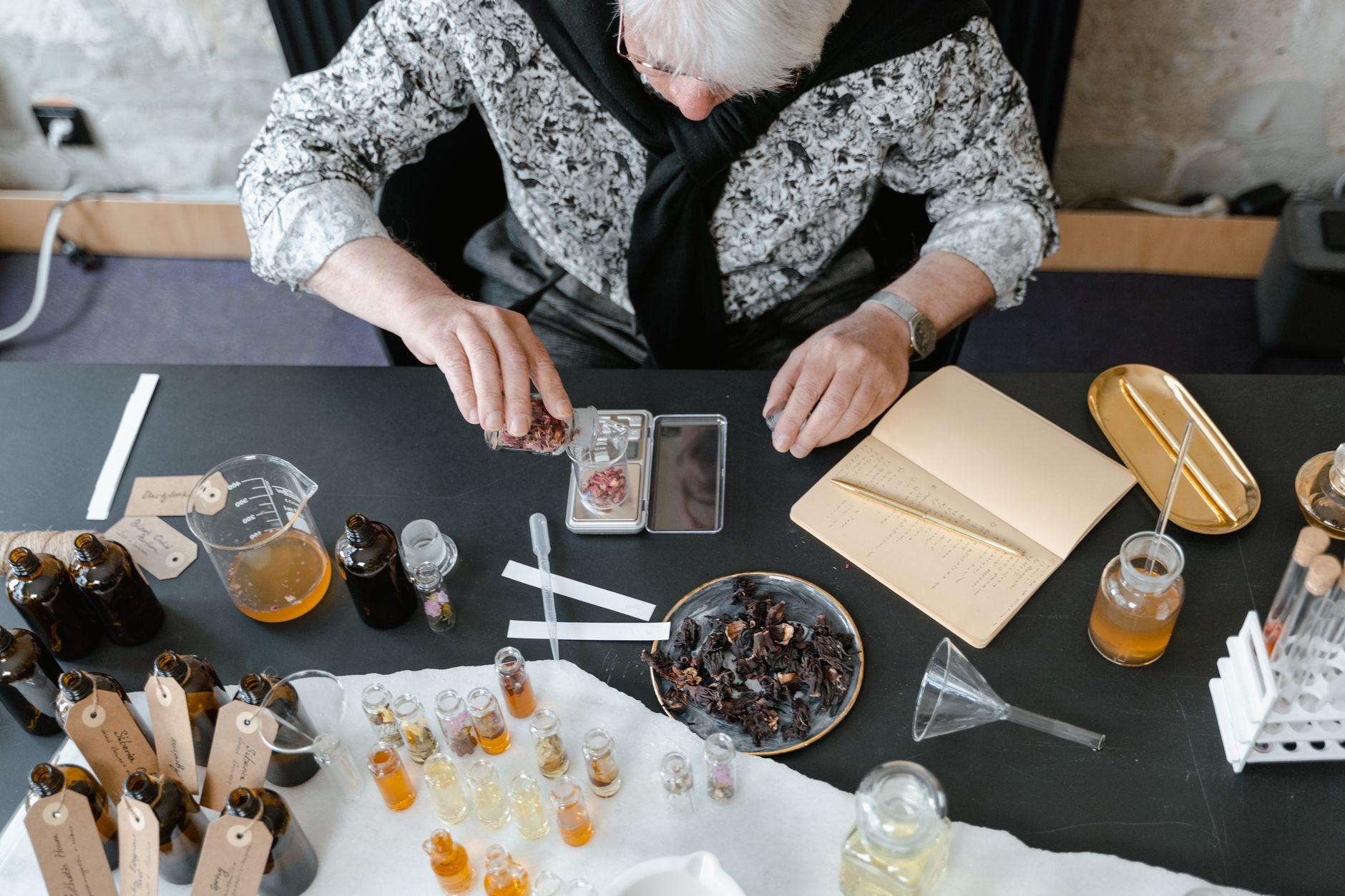
The challenge in replacing ambergris lies in replicating its complex aroma profile, which includes aspects of marine, animalic, sweet, earthy, and musky notes. Perfumers employ various materials, often in combination, to achieve a similar effect:
-
Ambroxan: This synthetic molecule, derived from sclareol (found in clary sage), is perhaps the most widely used ambergris substitute. It provides a clean, woody-ambery scent with a subtle salty edge.
-
Ambrette Seed (Musk Mallow): A plant-derived alternative, ambrette seeds offer a natural musk-like aroma with facets of ambrette and fruit. It provides a smoother, softer, and more natural ambergris impression than some synthetics.
-
Labdanum: A resin derived from the rock rose shrub, labdanum has a complex, leathery, amber-like scent. It adds depth and warmth to fragrance compositions.
-
Cetalox: Similar to ambroxan, Cetalox presents a woody and ambery scent, although less pronounced.
-
Gray Amber Accord: Perfumers frequently create complex accords consisting of several synthetic and natural ingredients designed to mimic the ambergris aroma. These accords typically include elements of ambroxan, labdanum, seaweed absolute, and specific musks.
Understanding Ambergris Substitutes: A Comparison
| Material | Origin | Scent Profile | Key Benefits |
|---|---|---|---|
| Ambroxan | Synthetic | Woody, ambery, slightly salty | Stable, readily available, cost-effective |
| Ambrette Seed | Plant (Seed) | Musk-like, ambrette, slightly fruity | Natural, complex aroma, softer musk profile |
| Labdanum | Plant (Resin) | Leathery, amber, balsamic | Deep, warm, adds complexity |
| Cetalox | Synthetic | Woody, ambery | Stable, subtle aroma |
| Gray Amber Accord | Blended | Varies depending on formulation; typically marine, musky, amber-like | Customizable, can closely mimic authentic ambergris, incorporates various complementary scents |
The Art of Recreating the Ambergris Effect
Perfumers masterfully blend these materials to create nuanced and compelling fragrance compositions. The exact blend depends on the desired outcome, the other ingredients in the fragrance, and the overall artistic vision. The key is balance, ensuring that no single ingredient overpowers the others, but rather harmonizes to create a cohesive and believable ambergris impression.
- Layering: Perfumers carefully layer different ingredients to build the complexity of the ambergris aroma.
- Balancing: They strive to balance the marine, animalic, sweet, and musky aspects to achieve a harmonious scent.
- Fixation: The chosen ingredients must also act as fixatives, helping to extend the longevity of the fragrance on the skin.
The Future of Ambergris Alternatives
As sustainability and ethical considerations become increasingly important, the development of new and innovative ambergris alternatives is ongoing. Biotechnology and green chemistry offer exciting possibilities for producing sustainable and bio-identical replacements. The continuous exploration and refinement of existing alternatives also promise increasingly sophisticated and realistic ambergris recreations in perfumery.
Frequently Asked Questions (FAQs)
Is all ambergris illegal?
No, not all ambergris is illegal. The legality depends on the country and how it was obtained. In some places, the sale of naturally found ambergris (washed ashore) is legal, while in others, it’s completely prohibited.
Are synthetic ambergris alternatives as good as the real thing?
That is subjective. Some perfumers and consumers prefer the unique complexity and nuances of natural ambergris. However, many believe that well-crafted synthetic alternatives are excellent substitutes and can capture the essence of ambergris beautifully while being ethical and sustainable.
What is an “ambergris accord?”
An ambergris accord is a carefully constructed blend of several ingredients (synthetic and/or natural) designed to mimic the scent profile of ambergris. It’s a common technique used by perfumers to create the desired effect without using actual ambergris.
Is ambroxan safe to use in perfumes?
Yes, ambroxan is generally considered safe for use in perfumes. It has been extensively tested and approved by regulatory bodies. However, as with any fragrance ingredient, some individuals may experience sensitivity or allergic reactions.
What gives ambergris its salty scent?
The salty aspect of ambergris is believed to come from the breakdown of certain compounds by exposure to seawater and sunlight. This process creates specific molecules that contribute to the marine and salty characteristics.
Can I make my own ambergris substitute at home?
While you can experiment with blending ingredients like ambroxan, labdanum, and seaweed extracts, recreating the complexity of ambergris requires expertise and specialized ingredients. It’s unlikely you’ll achieve a truly authentic result at home.
Does ambrette seed smell like animal musk?
Ambrette seed provides a plant-derived musk-like aroma, but it’s generally considered smoother, softer, and less intensely animalic than traditional animal musks.
What makes ambergris a good fixative in perfume?
Ambergris contains compounds that slow down the evaporation rate of other fragrance ingredients. This allows the scent to last longer on the skin and improves the overall longevity of the perfume.
Is it possible to tell the difference between real and synthetic ambergris in a perfume?
For experienced perfumers, it can sometimes be possible to distinguish between real and synthetic ambergris based on subtle nuances in the scent profile. However, high-quality synthetic alternatives can be very convincing. For the average consumer, it would be difficult to tell the difference.
Are there any natural sustainable ways to get the same smell as ambergris?
Ambrette seeds and labdanum are natural options, though they offer different aspects of the ambergris aroma. Seaweed absolute and certain algae extracts may also contribute marine notes, which are one part of an ambergris accord.
What is the history of ambergris use in perfumery?
Ambergris has a long history in perfumery, dating back centuries. It was highly prized for its fixative properties and unique scent, and it was considered a valuable ingredient in luxury fragrances.
If I found ambergris on the beach, can I keep it?
The legality of keeping ambergris found on the beach depends on the local laws. In some areas, you may be required to report it to the authorities. Always check the regulations in your specific location before collecting or selling ambergris.