
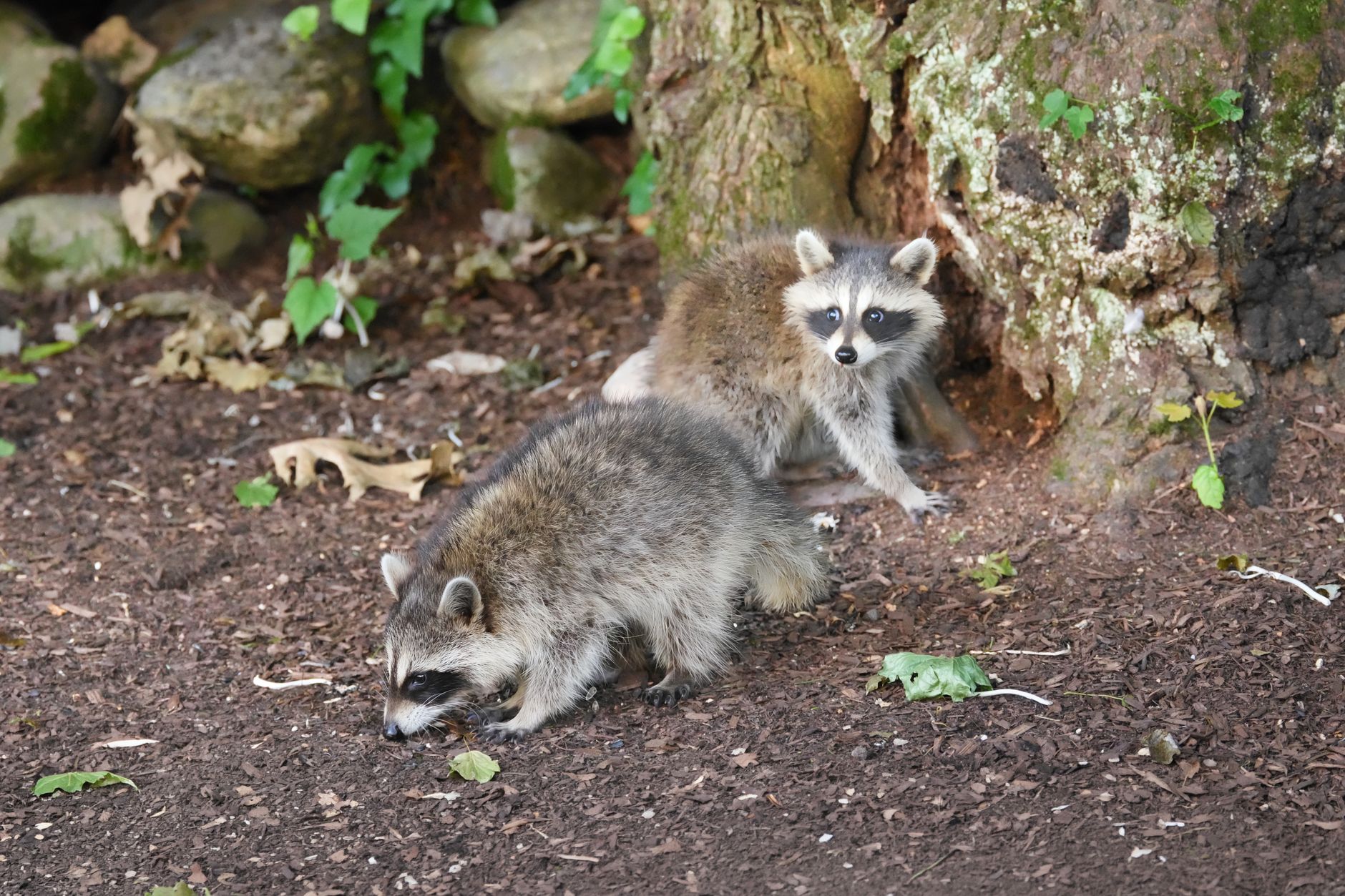
What Do I Feed a Baby Raccoon? A Comprehensive Guide
Feeding a baby raccoon requires specialized knowledge and dedication; carefully selected formulas and gradual dietary changes are crucial for their survival and development. The correct diet, adapted to their age and weight, ensures healthy growth and avoids common nutritional deficiencies.

Introduction: The Delicate Balance of Raccoon Nutrition
Finding a baby raccoon can tug at your heartstrings, and the instinct to help is natural. However, what do I feed a baby raccoon? is a question that demands careful consideration and, ideally, the guidance of a licensed wildlife rehabilitator. While well-intentioned, improper feeding can lead to severe health problems and even death in these vulnerable creatures. Raccoons have specific nutritional needs that change as they grow, and understanding these needs is paramount to providing proper care. This article aims to provide a comprehensive guide to feeding baby raccoons, emphasizing the importance of professional guidance and highlighting the best practices for ensuring their healthy development.

What colours are fish most attracted to?
Can you put your finger in a trout's mouth?
Is methylene blue anti bacterial?
Does aquarium salt raise pH in aquarium?
Understanding Baby Raccoon Development
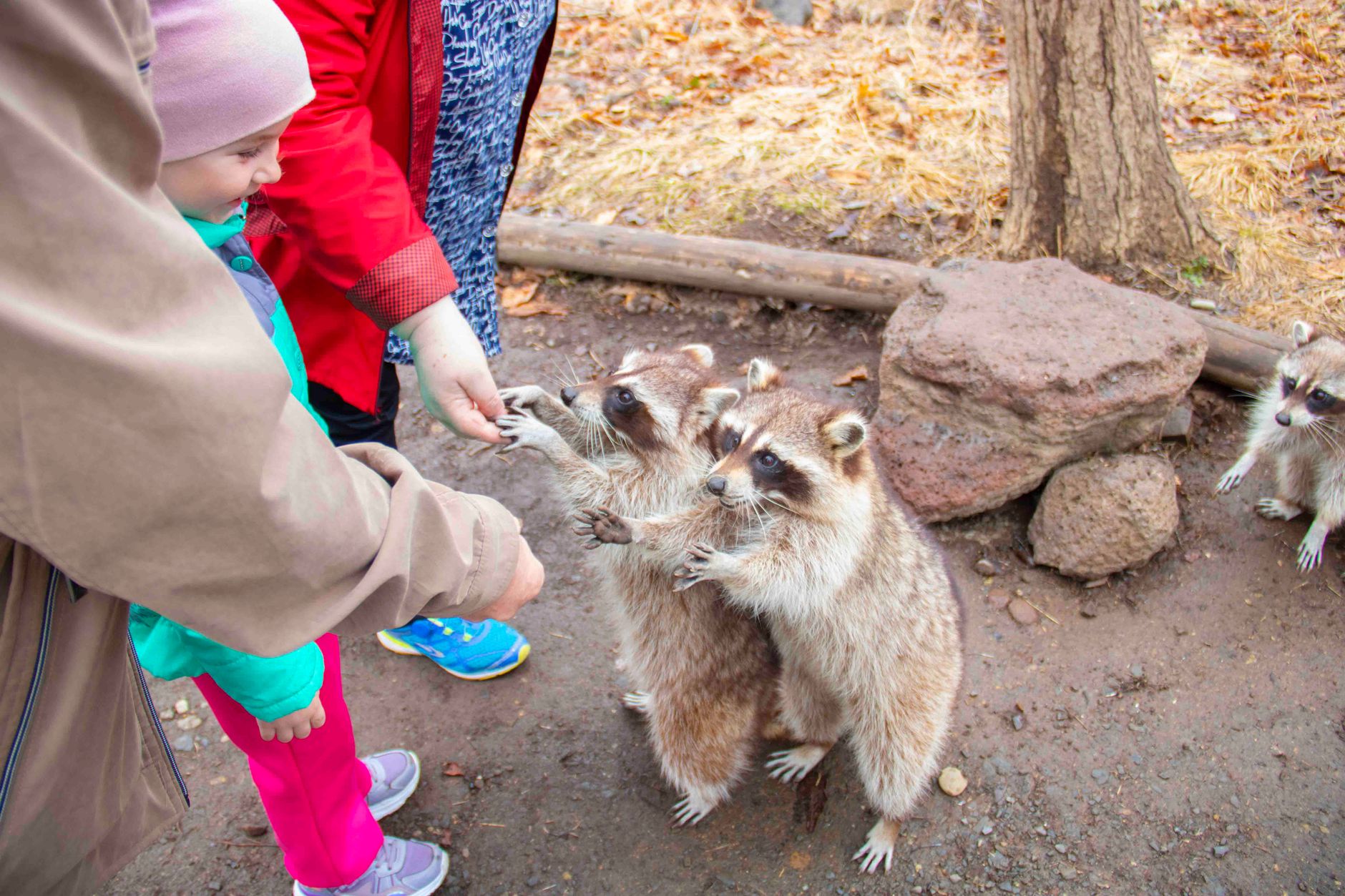
Baby raccoons, or kits, go through several distinct developmental stages, each requiring a different dietary approach.
- Newborn (0-2 weeks): Totally dependent on their mother’s milk. Eyes and ears are closed.
- Infant (2-4 weeks): Eyes open, ears begin to function. Still primarily dependent on milk.
- Young Juvenile (4-8 weeks): Teeth begin to emerge. Can start to introduce solid foods.
- Older Juvenile (8-16 weeks): Increasingly independent. Diet shifts towards solid foods.
Understanding these stages is crucial because what do I feed a baby raccoon? directly depends on their age.
Choosing the Right Formula
If a baby raccoon is orphaned and you must provide initial care, the choice of formula is critical. Cow’s milk is unsuitable and can cause digestive upset. Recommended options include:
- Puppy Milk Replacer (PMR): Many rehabilitators successfully use high-quality PMR, like Esbilac or PetAg. These are generally available at pet stores.
- Kitten Milk Replacer (KMR): While less ideal than PMR, KMR can be used if PMR is unavailable. Supplementation may be necessary.
- Reptile supplement: Though not ideal as a main source of nutrition, reptile supplement for omnivores can be used as an additive for increased nutrient intake.
Regardless of the choice, always follow the manufacturer’s instructions for mixing and preparation.
Feeding Schedule and Techniques
The feeding schedule depends on the raccoon’s age:
| Age (Weeks) | Frequency | Amount per Feeding | Feeding Method |
|---|---|---|---|
| :———- | :—————– | :—————————————————————– | :—————————————————————————————– |
| 0-2 | Every 3-4 hours | 5-10% of body weight per feeding | Syringe or eyedropper; hold the raccoon in a natural position, never on its back. |
| 2-4 | Every 4-6 hours | 10-15% of body weight per feeding | Syringe or eyedropper; gradually increase the nipple hole size as they grow. |
| 4-6 | Every 6-8 hours | 15-20% of body weight per feeding | Shallow dish; continue offering formula from a syringe if needed. |
| 6-8 | 3-4 times per day | 20-25% of body weight per feeding, plus introduction of solids | Shallow dish; encourage exploration of solid foods while ensuring sufficient formula intake. |
- Hygiene: Sterilize all feeding equipment before each use.
- Temperature: Formula should be warmed to body temperature (around 100°F or 38°C).
- Stimulation: After each feeding, gently stimulate the anal area with a warm, damp cloth to encourage urination and defecation, mimicking the mother’s behavior. This is critical for young kits that cannot yet eliminate on their own.
Introducing Solid Foods
Around 4-6 weeks of age, you can gradually introduce solid foods. Start with small amounts and monitor for digestive upset. Good initial options include:
- Moistened Puppy Food: High-quality puppy food, soaked in formula to create a soft, easily digestible consistency.
- Fruits and Vegetables: Mashed bananas, cooked sweet potatoes, and other soft fruits and vegetables.
- Cooked Eggs: Scrambled or hard-boiled eggs, offering a good source of protein.
As the raccoon matures, you can gradually increase the amount of solid food and decrease the amount of formula. Always provide fresh water.
Common Mistakes and Risks
- Overfeeding: Can lead to diarrhea and other digestive problems.
- Underfeeding: Results in malnutrition and stunted growth.
- Feeding Cow’s Milk: Can cause severe digestive issues.
- Ignoring Hydration: Ensure access to fresh water at all times, especially during hot weather.
- Improper Handling: Can cause stress and injury to the raccoon.
- Failure to Contact a Professional: The biggest mistake. Licensed wildlife rehabilitators have extensive experience and can provide the best possible care. What do I feed a baby raccoon? should ideally be answered by them.
Release Considerations
Remember that raising a baby raccoon is only the first step. The ultimate goal is to release the animal back into the wild. This requires careful planning and preparation, including:
- Minimizing Human Contact: Avoid excessive handling and interaction.
- Providing a Suitable Enclosure: Mimicking the natural environment.
- Gradual Introduction to Wild Foods: Encouraging foraging behavior.
- Finding a Safe Release Site: Away from human habitation and with ample resources.
Release should only be attempted with the guidance of a wildlife rehabilitator.
Conclusion: Prioritizing the Raccoon’s Well-being
Caring for a baby raccoon is a significant undertaking, and the responsibility should not be taken lightly. While the urge to help is commendable, it’s crucial to prioritize the animal’s well-being and seek professional assistance whenever possible. Understanding what do I feed a baby raccoon? is just one piece of the puzzle. Proper care also involves providing a safe environment, preventing diseases, and preparing the animal for eventual release back into the wild. When in doubt, always consult a licensed wildlife rehabilitator.
Frequently Asked Questions (FAQs)
What if I can’t get puppy milk replacer right away?
If you can’t immediately obtain PMR, a temporary solution can be made. Mix unflavored Pedialyte with a small amount of plain, unsweetened yogurt. This provides electrolytes and some nutrients but should only be used for a short period (24-48 hours) until proper formula is acquired. Contact a rehabilitator immediately.
How do I know if I’m feeding the baby raccoon enough?
Monitor the raccoon’s weight and body condition. A healthy baby raccoon should gain weight steadily and have a rounded abdomen after feeding. If the raccoon appears thin or lethargic, consult a wildlife rehabilitator. Keep careful records of weight gain and stool consistency.
Can I feed a baby raccoon cat food?
No. Cat food is not nutritionally adequate for baby raccoons and can lead to deficiencies. While adult raccoons in the wild may opportunistically eat cat food, it should never be the sole or primary food source, especially for a growing kit. What do I feed a baby raccoon? is a crucial question to answer correctly.
What if the baby raccoon refuses to eat?
If a baby raccoon refuses to eat, it could be a sign of illness or stress. Try warming the formula slightly or offering it from a different nipple. If the raccoon continues to refuse food, seek immediate veterinary or rehabilitator assistance. Dehydration can rapidly become life-threatening.
Is it legal to keep a baby raccoon as a pet?
In most jurisdictions, it is illegal to keep a raccoon as a pet without proper permits and licenses. Wild animals belong in the wild, and keeping them in captivity can be detrimental to their well-being. Furthermore, raccoons can carry diseases that are transmissible to humans. Always check your local regulations before attempting to care for a wild animal.
How do I prevent the baby raccoon from becoming imprinted on humans?
Minimize human contact as much as possible. Avoid playing with or cuddling the raccoon. Wear gloves and a mask when handling the animal to reduce your scent. The goal is to raise the raccoon in a way that allows it to retain its natural instincts and fear of humans.
What are some signs of illness in a baby raccoon?
Signs of illness can include lethargy, loss of appetite, diarrhea, vomiting, coughing, sneezing, and discharge from the eyes or nose. If you notice any of these symptoms, seek immediate veterinary or rehabilitator assistance. Prompt treatment can significantly improve the raccoon’s chances of survival.
How do I wean a baby raccoon from formula to solid food?
Gradually introduce solid food while simultaneously reducing the amount of formula. Start by offering small amounts of softened puppy food or mashed fruits and vegetables. Monitor the raccoon’s stool consistency and adjust the diet accordingly. The weaning process should be gradual, taking several weeks to complete.
What kind of enrichment should I provide for a baby raccoon?
Provide a variety of enrichment items to stimulate the raccoon’s mind and body. This can include branches for climbing, toys for chewing, and puzzle feeders for problem-solving. Regularly rotate the enrichment items to keep the raccoon engaged.
How do I prepare a baby raccoon for release back into the wild?
Gradually acclimate the raccoon to the outdoors by providing access to an outdoor enclosure. Offer natural foods that it would find in the wild. Avoid excessive human interaction. The goal is to prepare the raccoon for independent survival.
What are the risks of raising a baby raccoon without professional help?
Raising a baby raccoon without professional help can lead to malnutrition, disease, imprinting, and ultimately, the raccoon’s inability to survive in the wild. Wildlife rehabilitators have the expertise and resources necessary to provide the best possible care.
Where can I find a licensed wildlife rehabilitator?
You can find a licensed wildlife rehabilitator by contacting your local animal control agency, humane society, or state wildlife agency. You can also search online directories of wildlife rehabilitators. It is crucial to seek professional assistance as soon as possible if you find a baby raccoon.