

What do heron nests look like? A Detailed Guide
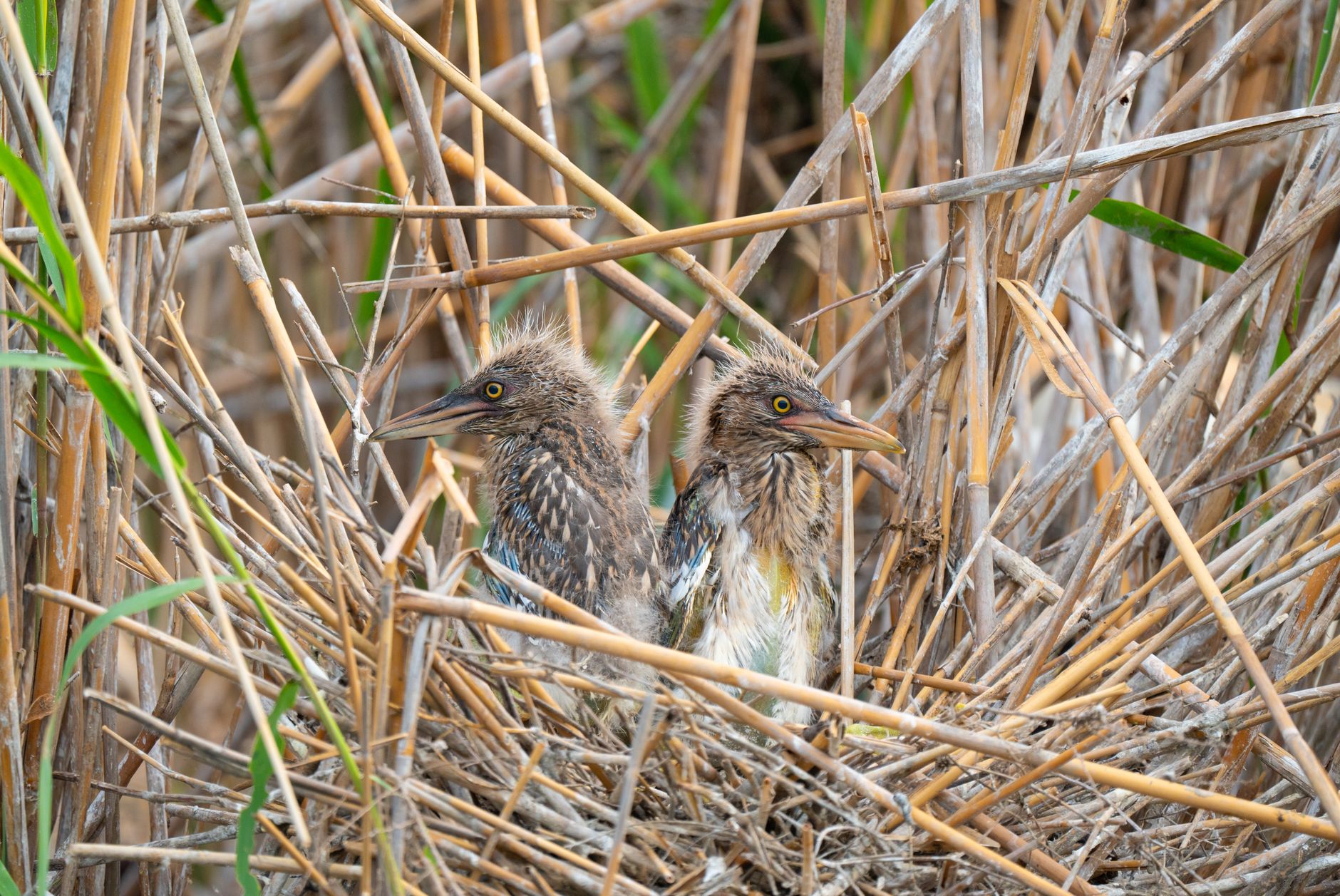
Heron nests are large, platform-like structures of sticks and branches typically located high in trees near water, but they can also be found in bushes or on the ground. These nests are robust constructions, built to withstand the elements and support growing heron families.

Heron nests are fascinating structures, vital for the survival of these elegant birds. Understanding their construction, location, and purpose provides valuable insight into the lives of herons. This comprehensive guide delves into every aspect of heron nests, from their basic appearance to the complex social dynamics surrounding their construction and use.
Background: The Heron and Its Habitat
Herons are wading birds found in various wetland environments around the world. Their diet consists primarily of fish, amphibians, and insects, making them dependent on aquatic ecosystems. Nest building is a crucial part of their breeding cycle, and the type of nest they construct is closely linked to their habitat and social behavior. Different heron species may exhibit variations in nest design.
What colours are fish most attracted to?
Can you put your finger in a trout's mouth?
Is methylene blue anti bacterial?
Does aquarium salt raise pH in aquarium?
The Anatomy of a Heron Nest

A heron nest isn’t simply a haphazard pile of sticks. It’s a carefully constructed platform designed for stability and security. What do heron nests look like? They typically consist of the following components:
- Foundation: Larger branches form the base, interlocked to create a sturdy platform.
- Body: Smaller twigs and branches are woven together to create the bulk of the nest, forming a bowl-like depression.
- Lining: Softer materials like leaves, moss, and grasses provide a comfortable and insulating surface for the eggs and chicks.
Nest Location and Colony Formation
Herons are often colonial nesters, meaning they build their nests in close proximity to one another in a heronry. These colonies can range in size from a few nests to hundreds, offering protection from predators and facilitating social interactions. Nest location is influenced by factors such as:
- Proximity to food: Nests are typically located near foraging areas, such as marshes, rivers, or lakes.
- Protection from predators: Tall trees or islands offer a safe haven from terrestrial predators.
- Availability of nesting materials: Access to branches, twigs, and other building materials is essential.
- Accessibility: Herons need to be able to easily access the nests for raising their families.
Building and Maintaining the Nest
Nest construction is a collaborative effort, with both the male and female heron contributing. The male typically gathers the nesting materials, while the female is responsible for arranging them into the nest structure. The process can take several weeks, and nests are often reused and repaired in subsequent years, growing larger and more substantial with each breeding season. Maintenance is important.
Variations Among Species
While the general design of heron nests is consistent, variations exist among different species. Great Blue Heron nests, for example, are typically larger and located higher in trees than those of smaller species like Green Herons. Learning the differences between species helps with identification.
| Species | Nest Size | Nest Location | Common Materials |
|---|---|---|---|
| Great Blue Heron | Large (3-4 feet) | High in trees | Large sticks, branches |
| Green Heron | Small (1-2 feet) | Lower in trees/bushes | Twigs, small branches |
| Black-crowned Night Heron | Medium (2-3 feet) | Trees, shrubs, ground | Sticks, reeds, grasses |
Challenges and Threats to Heron Nests
Heron nests face a variety of challenges, including:
- Habitat loss: Destruction of wetlands and forests reduces nesting sites.
- Predation: Eagles, hawks, and raccoons prey on eggs and chicks.
- Disturbance: Human activity can disrupt nesting behavior.
- Weather: Strong winds and storms can damage or destroy nests.
- Pollution: Contamination of waterways can affect the health of herons and their offspring.
Conservation Efforts
Protecting heron nests and heronries is essential for maintaining healthy heron populations. Conservation efforts include:
- Habitat preservation: Protecting and restoring wetland habitats.
- Predator control: Managing predator populations in nesting areas.
- Public education: Raising awareness about the importance of heron conservation.
- Regulation of human activities: Minimizing disturbance in nesting areas.
Frequently Asked Questions (FAQs)
What is the average size of a heron nest?
Heron nests can vary in size depending on the species, but they are generally large structures, ranging from 1 to 5 feet in diameter. Great Blue Heron nests, for example, are typically 3 to 4 feet in diameter, while Green Heron nests are smaller, often around 1 to 2 feet.
What materials are used to build heron nests?
Herons primarily use sticks and branches to construct their nests, but they also incorporate other materials such as leaves, moss, and grasses for lining. The specific materials used depend on the availability in the local environment.
Where do herons typically build their nests?
Herons typically build their nests high in trees, often near water. However, some species may nest in bushes or on the ground, depending on the availability of suitable nesting sites and the risk of predation. Location greatly depends on safety.
How long does it take for herons to build a nest?
The time it takes to build a heron nest can vary, but it generally takes several weeks. The process involves gathering materials, constructing the foundation, and lining the nest. Maintenance and renovations continue each year.
Do herons reuse their nests?
Yes, herons often reuse their nests in subsequent years, adding to them and reinforcing the structure. This can result in nests that grow larger and more substantial over time. Reusing saves energy and time.
How many eggs do herons typically lay in a nest?
Herons typically lay between 3 and 5 eggs in a nest, but the number can vary depending on the species and environmental conditions. The eggs are usually pale blue or green in color. Environmental conditions play a part in clutch size.
What do heron chicks look like?
Heron chicks are covered in downy feathers and have a distinctive appearance with their long necks and legs. They are altricial, meaning they are dependent on their parents for food and care.
How long do heron chicks stay in the nest?
Heron chicks typically stay in the nest for several weeks, during which time they are fed and cared for by their parents. They fledge, or leave the nest, when they are able to fly and forage for food on their own. Fledglings need to be able to fly to survive.
Are heron nests protected by law?
Yes, heron nests are generally protected by law under the Migratory Bird Treaty Act, which prohibits the killing, possession, or trade of migratory birds, their nests, and their eggs. This act protects many bird species.
What are some common predators of heron nests?
Common predators of heron nests include eagles, hawks, raccoons, and snakes. These predators may prey on eggs, chicks, or even adult herons. Predators are a constant threat.
How can I help protect heron nests?
You can help protect heron nests by supporting habitat conservation efforts, minimizing disturbance in nesting areas, and reporting any illegal activities that threaten heron populations. Be aware and responsible.
What do heron nests look like? To summarize again, heron nests are large platforms of sticks and branches found in trees or bushes near water, serving as crucial breeding sites for these magnificent birds, and are carefully constructed to be durable and safe for raising their young.