
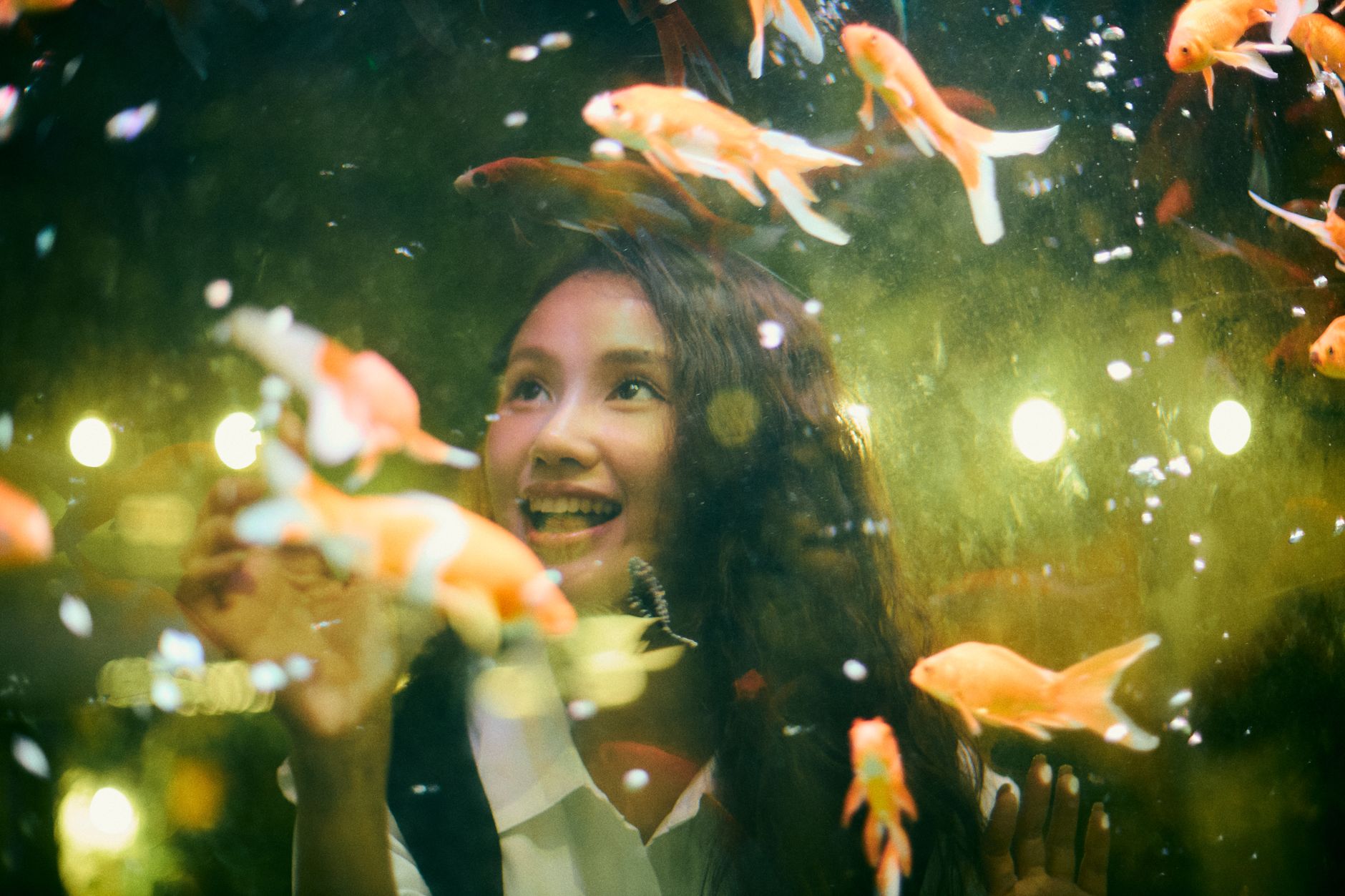
What Do Goldfish Like to Do for Fun? The Aquatic Amusement of Carassius auratus
Goldfish enjoy activities that stimulate their senses and provide enrichment, including exploring their environment, interacting with tank mates, and engaging with food in creative ways. Understanding what do goldfish like to do for fun? is essential for responsible fishkeeping and ensuring a happy, healthy life for your aquatic companion.
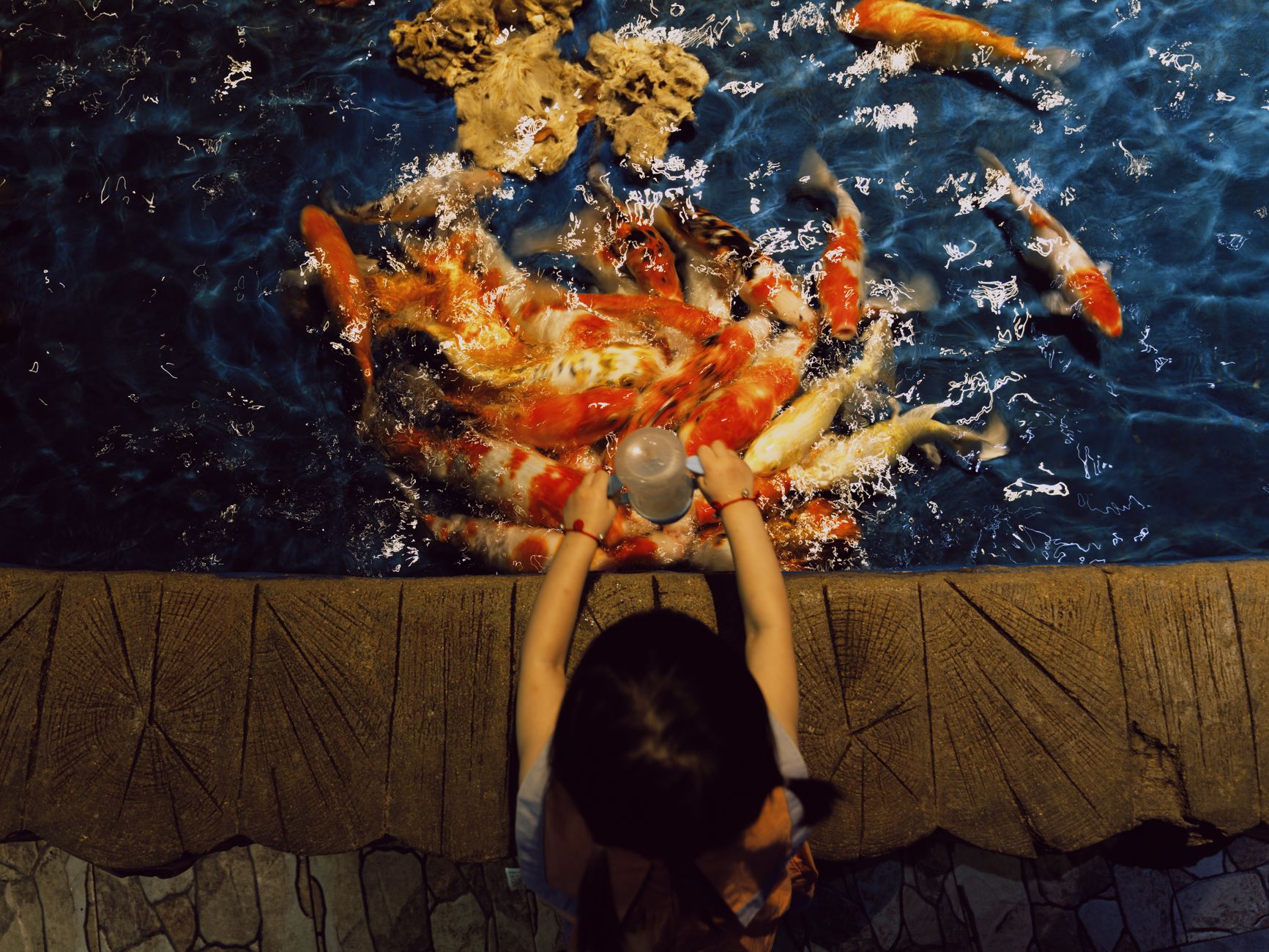
The Secret Life of Goldfish: Beyond the Bowl
For years, goldfish have suffered the reputation of being simple, low-maintenance pets. However, recent research and a growing understanding of their cognitive abilities have revealed a much more complex picture. What do goldfish like to do for fun? The answer is far more nuanced than many realize. They are not simply swimming decorations, but intelligent creatures with a capacity for play, exploration, and even learning.

What is the GREY African clawed frog?
What colours are fish most attracted to?
Can you put your finger in a trout's mouth?
Is methylene blue anti bacterial?
Exploring the Goldfish Playground: Environment Enrichment

The most crucial factor in determining whether a goldfish has fun is its environment. A bare, sterile tank offers little stimulation and can lead to boredom and stress. A well-decorated and appropriately sized tank, on the other hand, provides ample opportunities for exploration and engagement. Consider these elements:
- Substrate: While optional, a smooth gravel substrate allows goldfish to sift through and search for food scraps, mimicking their natural foraging behavior. Avoid sharp or small gravel that could be ingested.
- Plants: Live or artificial plants provide hiding places and visual interest. Goldfish may nibble on live plants, so choose hardy varieties like Anubias or Java fern.
- Decorations: Rocks, driftwood, and ceramic decorations offer shelter and create a more varied landscape. Ensure all decorations are smooth and free of sharp edges that could injure your goldfish.
- Space: Goldfish need plenty of space to swim and explore. A single-tailed goldfish (like a Comet or Common) requires at least a 75-gallon tank, while fancy goldfish need a minimum of 20 gallons per fish. Overcrowding leads to stress, poor water quality, and increased susceptibility to disease.
Feeding Frenzy: Engaging Mealtime Activities
Feeding time doesn’t have to be a mundane routine. There are several ways to make it a more stimulating and enjoyable experience for your goldfish:
- Scatter Feeding: Instead of dropping all the food in one spot, scatter it around the tank. This encourages your goldfish to actively search for their meal and engage in natural foraging behavior.
- Live Food: Offer occasional live food treats like bloodworms or daphnia. The hunt for live food provides a stimulating challenge and a boost of protein.
- Frozen Food: Frozen food, such as brine shrimp or mysis shrimp, can also be a fun and nutritious treat. Thaw the food before feeding to avoid digestive issues.
- DIY Food Dispenser: Create a simple food dispenser using a plastic bottle or container with small holes. The goldfish will have to work to release the food, providing mental stimulation.
Social Interactions: The Importance of Tank Mates
While goldfish can be kept alone, they often benefit from the companionship of other goldfish. Observing their interactions can provide valuable insights into what do goldfish like to do for fun?
- Compatibility: Choose tank mates of similar size and temperament. Avoid housing fancy goldfish with faster-swimming, single-tailed varieties, as the fancy goldfish may struggle to compete for food.
- Group Dynamics: Goldfish often exhibit social behaviors such as swimming together, exploring the tank as a group, and even engaging in playful chasing.
- Observe and Adjust: Monitor your goldfish’s interactions closely and adjust the tank setup or the number of fish as needed to ensure a harmonious environment.
Training Your Goldfish: A Surprising Possibility
Believe it or not, goldfish can be trained! With patience and positive reinforcement, you can teach your goldfish simple tricks, such as swimming through hoops, pushing a ball, or even fetching objects. This provides mental stimulation and strengthens the bond between you and your pet.
Common Mistakes: Avoiding Boredom and Stress
Avoiding common mistakes is just as important as providing enrichment. Here are a few things to keep in mind:
- Small Bowls: Bowls are far too small for goldfish and offer no opportunity for enrichment or exercise.
- Poor Water Quality: Dirty water is stressful and can lead to health problems. Maintain excellent water quality through regular water changes and proper filtration.
- Overfeeding: Overfeeding can lead to obesity, poor water quality, and other health problems. Feed your goldfish a small amount of food once or twice a day.
- Lack of Stimulation: A bare tank with no decorations or enrichment will quickly lead to boredom and stress.
The Benefits of a Happy Goldfish: A Rewarding Experience
Providing enrichment and ensuring that your goldfish have fun is not only good for their well-being but also makes them more engaging and enjoyable pets. A happy goldfish is more active, colorful, and likely to live a longer, healthier life. Understanding what do goldfish like to do for fun? is an investment in their happiness and yours.
| Factor | Bored Goldfish | Happy Goldfish |
|---|---|---|
| Activity Level | Lethargic, sits at the bottom of the tank | Active, swims around the tank exploring |
| Coloration | Dull, faded color | Bright, vibrant color |
| Appetite | Reduced appetite | Healthy appetite |
| Behavior | May exhibit signs of stress, such as flashing | Exhibits playful and curious behavior |
| Lifespan | Shorter lifespan | Longer lifespan |
Frequently Asked Questions (FAQs)
What is the best size tank for goldfish?
The best tank size for goldfish depends on the type of goldfish you have. Single-tailed goldfish, such as comets and commons, require at least 75 gallons per fish. Fancy goldfish, such as orandas and ranchus, need a minimum of 20 gallons per fish. Remember, bigger is always better when it comes to goldfish tanks.
Do goldfish need a filter?
Yes, goldfish need a filter. Goldfish are messy eaters and produce a lot of waste, which can quickly pollute the water. A filter removes waste and toxins from the water, helping to maintain a healthy environment. A good filter is essential for goldfish health and survival.
Can I keep goldfish with other types of fish?
It’s generally not recommended to keep goldfish with other types of fish. Goldfish have specific temperature and water quality requirements that may not be compatible with other species. They are also slow swimmers and may be outcompeted for food by more aggressive fish. Keeping goldfish with only goldfish is generally the best approach.
What do goldfish eat?
Goldfish are omnivores and eat a variety of foods, including commercial goldfish flakes or pellets, vegetables, and occasional treats like bloodworms or daphnia. It’s important to feed them a balanced diet and avoid overfeeding. A varied diet is key to good goldfish health.
How often should I change the water in my goldfish tank?
The frequency of water changes depends on the size of the tank, the number of fish, and the efficiency of the filter. Generally, it’s recommended to change 25-50% of the water every week or two. Regular water changes are crucial for maintaining good water quality.
Do goldfish need light?
Yes, goldfish need light to regulate their natural body processes. Provide them with a consistent day/night cycle by turning on the tank light for 8-12 hours per day. Avoid direct sunlight, as this can cause algae blooms.
Do goldfish sleep?
Goldfish do not sleep in the same way that humans do. However, they do rest and become less active during the night. You may notice them hovering near the bottom of the tank or seeking shelter in plants or decorations. During their resting phase, their coloration may become less vibrant.
How long do goldfish live?
With proper care, goldfish can live for many years. Common goldfish can live for 10-15 years or even longer, while fancy goldfish typically live for 5-10 years. Providing a good environment and proper care is key to maximizing their lifespan.
Can goldfish recognize their owners?
While it’s difficult to say for sure, many goldfish owners believe that their fish can recognize them. Goldfish may learn to associate their owners with feeding time and other positive interactions. Some owners report that their goldfish become more active when they approach the tank.
What are common goldfish diseases?
Common goldfish diseases include ich (white spot disease), fin rot, and swim bladder disorder. These diseases are often caused by poor water quality or stress. Preventing disease is always better than treating it, so maintain excellent water quality and provide a stress-free environment.
How can I tell if my goldfish is happy?
A happy goldfish is active, alert, and has a healthy appetite. They will swim around the tank exploring, interact with their tank mates, and readily accept food. Look for signs of active and engaged behavior.
What do goldfish like to play with?
While goldfish don’t “play” in the same way that mammals do, they enjoy interacting with their environment. They may enjoy swimming through hoops, pushing small balls around the tank, or exploring new decorations. Remember, what do goldfish like to do for fun? often involves interaction and exploration! Provide them with opportunities for exploration and interaction to keep them stimulated and happy.