

What Do Fish Like in Their Tanks?
Fish thrive in tanks that mimic their natural habitats, offering a balanced ecosystem where they can exhibit natural behaviors and remain healthy. The ideal fish tank provides the correct water parameters, appropriate tank size and companions, and stimulating enrichment, all of which are crucial for the well-being of your aquatic pets.
Introduction: The Fundamentals of Fish Tank Happiness
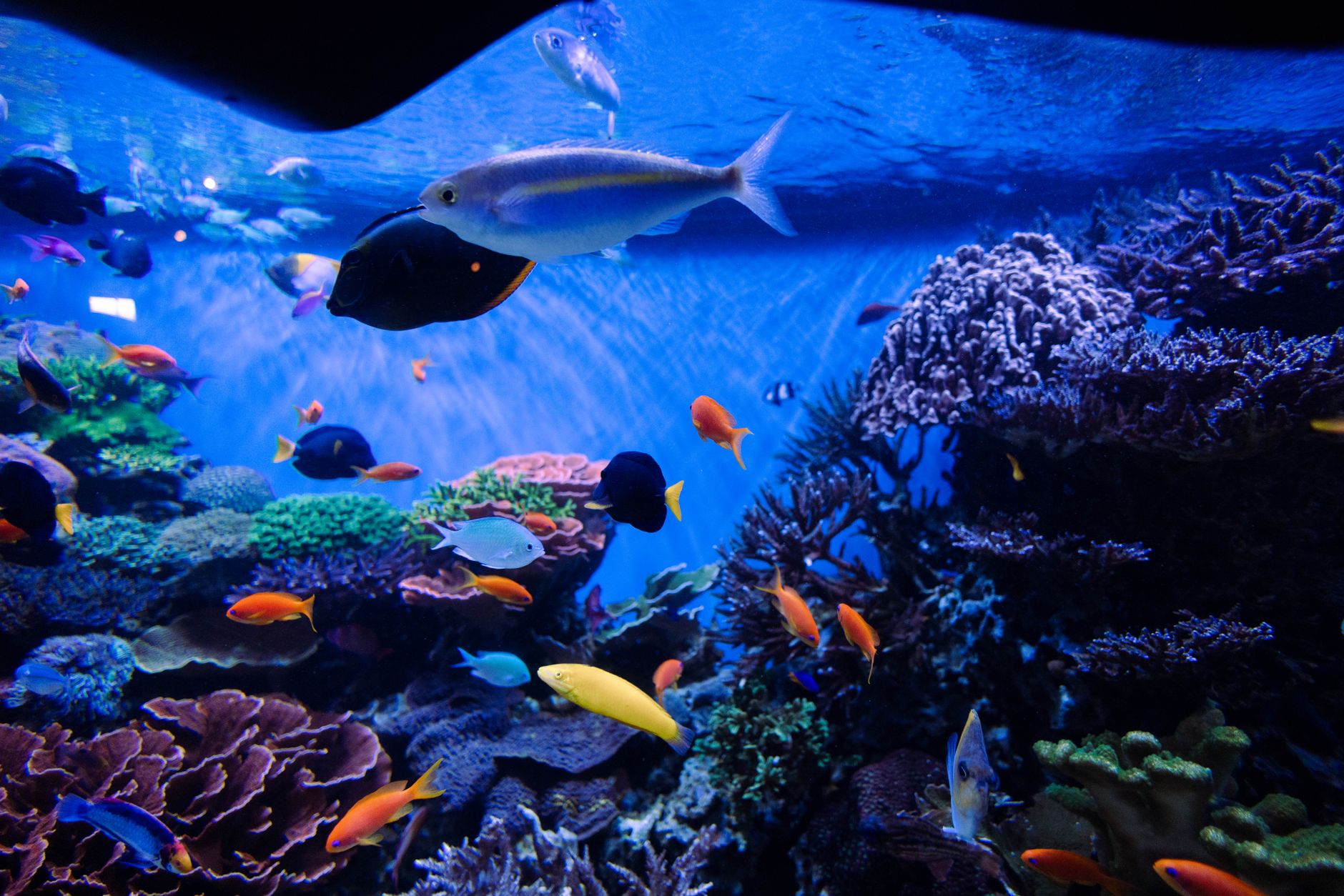
The question “What do fish like in their tanks?” isn’t just about aesthetics; it’s about recreating an environment that allows fish to flourish. A thriving fish tank isn’t merely a decorative object; it’s a microcosm of nature, demanding a nuanced understanding of each species’ specific needs. Providing the appropriate environment ensures their physical and mental health, preventing stress and disease. Understanding and meeting those needs is the key to successfully keeping and enjoying these fascinating creatures.
Are fish heads good for the garden?
Can fish hear water?
What is cotton rot in fish?
What colours are fish most attracted to?
Understanding the Basic Needs
Different species of fish have drastically different needs. From the temperature and pH of the water to the type of substrate on the bottom of the tank, every aspect of the aquarium contributes to a fish’s overall well-being. Neglecting these fundamental needs can result in a stressed, unhealthy, or even deceased fish.
- Water Quality: Maintaining pristine water quality is paramount. Ammonia and nitrite levels should consistently measure zero, while nitrate levels should be kept low via regular water changes.
- Temperature: Each species thrives within a specific temperature range. Research your fish’s requirements thoroughly.
- pH: The acidity or alkalinity of the water is also critical. Again, species-specific research is crucial.
Tank Size and Shape: Space Matters
Choosing the right tank size isn’t simply about fitting it into your living room. It’s about providing adequate swimming space and territory for your fish. Overcrowding leads to stress, aggression, and increased susceptibility to disease. What do fish like in their tanks? They like enough space!
- Surface Area: For many species, the surface area of the water is more important than the overall volume.
- Swimming Patterns: Observe how your fish swim in the wild (if possible) and try to replicate their movement patterns in the tank.
- Territorial Needs: Certain species are highly territorial and require ample space to establish and defend their domains.
Substrate and Decor: Creating a Natural Environment
The substrate (the material at the bottom of the tank) and decor play a crucial role in replicating a fish’s natural habitat and providing essential enrichment. Natural elements are always preferred.
- Substrate Choice: Consider the needs of your fish. Some fish, like corydoras, need a fine sand substrate to sift through for food, while others are more suited to gravel.
- Plants: Live plants provide oxygen, remove waste, and offer hiding places for fish. Choose plants that are compatible with your fish and water parameters.
- Hiding Places: Rocks, caves, and driftwood provide essential refuge for fish, reducing stress and allowing them to feel secure.
Filtration and Aeration: Maintaining a Healthy Ecosystem
Proper filtration and aeration are essential for maintaining a healthy and balanced aquarium environment. They are critical for breaking down harmful toxins and maintaining the water quality that fish like in their tanks.
- Filtration: A good filter removes debris, harmful chemicals, and keeps the water clean.
- Mechanical filtration removes particulate matter.
- Chemical filtration removes dissolved pollutants.
- Biological filtration establishes a colony of beneficial bacteria to convert harmful ammonia and nitrite into less toxic nitrate.
- Aeration: Adequate aeration ensures sufficient oxygen levels in the water, which is essential for fish respiration. This can be achieved with an air stone, powerhead, or filter that agitates the surface of the water.
Lighting: Mimicking Day and Night Cycles
Proper lighting is vital for the well-being of your fish, as it influences their natural rhythms and behavior. Appropriate lighting also promotes healthy plant growth (if you have live plants).
- Day/Night Cycle: Maintain a consistent day/night cycle of approximately 12 hours of light and 12 hours of darkness.
- Light Intensity: Choose lighting that is appropriate for your fish and plants. Some species prefer subdued lighting, while others thrive under brighter conditions.
- Algae Control: Excessive light can promote algae growth. Monitor your tank and adjust the lighting accordingly.
Compatibility: Choosing the Right Tank Mates
Introducing incompatible fish species can lead to stress, aggression, and even death. Research the compatibility of different species before adding them to your tank. What do fish like in their tanks? They certainly don’t like being harassed or eaten!
- Temperament: Avoid mixing aggressive species with peaceful ones.
- Size: Do not keep fish together where one species is small enough to be eaten by another.
- Environmental Needs: Ensure that all tank mates have similar requirements for water parameters, temperature, and lighting.
Feeding: Providing a Balanced Diet
A balanced diet is essential for the health and vitality of your fish. Research the specific dietary needs of each species and provide a variety of foods.
- Food Variety: Offer a mix of flake food, frozen food, and live food to ensure that your fish receive all the necessary nutrients.
- Feeding Frequency: Avoid overfeeding, as it can lead to water quality problems. Feed your fish small amounts two to three times a day.
- Species-Specific Needs: Some fish are herbivores, while others are carnivores. Tailor your feeding regime to the specific needs of each species.
Regular Maintenance: Ensuring a Healthy Environment
Regular maintenance is crucial for maintaining a healthy and stable aquarium environment. Neglecting maintenance can lead to a build-up of toxins and a decline in water quality.
- Water Changes: Perform regular water changes of 25-50% every one to two weeks.
- Gravel Vacuuming: Vacuum the gravel during water changes to remove debris and uneaten food.
- Filter Cleaning: Clean the filter regularly to ensure that it is functioning properly. Do not clean the filter media too thoroughly, as this can remove beneficial bacteria.
Common Mistakes: Avoiding Pitfalls
Many common mistakes can negatively impact the health and well-being of your fish. Being aware of these pitfalls and taking steps to avoid them is crucial.
- Overstocking: Overcrowding the tank is a common mistake that leads to stress, aggression, and disease.
- Poor Water Quality: Neglecting water changes and filtration can result in poor water quality and a build-up of toxins.
- Incompatible Tank Mates: Introducing incompatible fish species can lead to stress, aggression, and death.
Conclusion: Creating a Thriving Aquarium
Creating a thriving aquarium is an ongoing process that requires dedication, research, and attention to detail. By understanding the specific needs of your fish and providing them with a suitable environment, you can create a beautiful and healthy aquarium that will bring you years of enjoyment. Remember, what do fish like in their tanks? The key is mimicking their natural habitat as closely as possible and providing a stable, healthy environment.
Frequently Asked Questions (FAQs)
What is the ideal water temperature for most tropical fish?
The ideal water temperature for most tropical fish generally falls within the range of 75-82°F (24-28°C). However, it’s crucial to research the specific temperature requirements of the particular species you are keeping, as some may prefer slightly cooler or warmer temperatures. Consistency is also key: avoid sudden temperature fluctuations, as these can stress fish.
How often should I perform water changes in my fish tank?
Regular water changes are essential for maintaining good water quality in your aquarium. As a general rule, you should perform water changes of 25-50% every one to two weeks. However, the frequency may need to be adjusted based on the size of your tank, the number of fish, and the efficiency of your filtration system.
What type of filter is best for my aquarium?
The best type of filter for your aquarium depends on several factors, including the size of your tank, the number of fish, and the type of fish you are keeping. Common types of filters include hang-on-back (HOB) filters, canister filters, and sponge filters. Canister filters are generally considered to be the most efficient, but HOB filters are a good option for smaller tanks.
How do I cycle my new aquarium?
Cycling your new aquarium is the process of establishing a colony of beneficial bacteria that will convert harmful ammonia and nitrite into less toxic nitrate. This process typically takes 4-8 weeks. You can cycle your tank using a fishless cycling method or a fish-in cycling method, though the fishless method is generally preferred.
What is the proper pH level for a freshwater aquarium?
The ideal pH level for a freshwater aquarium generally falls within the range of 6.5-7.5. However, the optimal pH level can vary depending on the specific species of fish you are keeping. Research the pH requirements of your fish and adjust the water accordingly if necessary.
Why are my fish always hiding?
If your fish are always hiding, it could be a sign of stress. This could be due to several factors, including poor water quality, incompatible tank mates, or a lack of hiding places. Ensure that your water parameters are within the acceptable range, that your fish are compatible with each other, and that you have provided adequate hiding places in the tank.
What causes algae to grow in my fish tank?
Algae growth is a common problem in aquariums. It is caused by excessive light, high levels of nutrients (such as nitrates and phosphates), and poor water circulation. To control algae growth, reduce the amount of light your tank receives, perform regular water changes, and ensure adequate water circulation.
How do I treat ich in my fish tank?
Ich, also known as white spot disease, is a common parasitic infection that affects fish. It is characterized by small white spots on the body and fins. Ich can be treated with medications that contain malachite green or copper sulfate. Increase the water temperature slightly, and vacuum the gravel thoroughly to remove the parasites.
Can I use tap water in my fish tank?
Tap water can be used in your fish tank, but it must be treated with a water conditioner to remove chlorine and chloramine, which are harmful to fish. Test your tap water for ammonia, nitrite, and nitrate levels before adding it to your tank.
What is the best type of substrate for my aquarium?
The best type of substrate for your aquarium depends on the type of fish you are keeping. Some fish, like corydoras, prefer a fine sand substrate, while others are more suited to gravel. Consider the needs of your fish and choose a substrate that is both aesthetically pleasing and functional.
How many fish can I safely keep in my aquarium?
The number of fish you can safely keep in your aquarium depends on the size of your tank and the size of the fish. A common rule of thumb is one inch of fish per gallon of water, but this is just a guideline. Consider the swimming habits of your fish, their aggression levels, and their waste production.
Is it necessary to have live plants in my fish tank?
While not strictly necessary, live plants offer numerous benefits to a fish tank. They help to improve water quality by absorbing nitrates and producing oxygen, they provide hiding places for fish, and they add a natural aesthetic to the aquarium. Choose plants that are compatible with your fish and water parameters.