

The Elephants’ Silent Farewell: Understanding Grief and Ritual in the Herd
What do elephants do when another elephant dies? Elephants exhibit a complex and profound set of behaviors when one of their own dies, including intense investigation of the body, extended periods of mourning, and sometimes even attempts to revive the deceased, showcasing a remarkable capacity for grief.

Understanding Elephant Social Structure
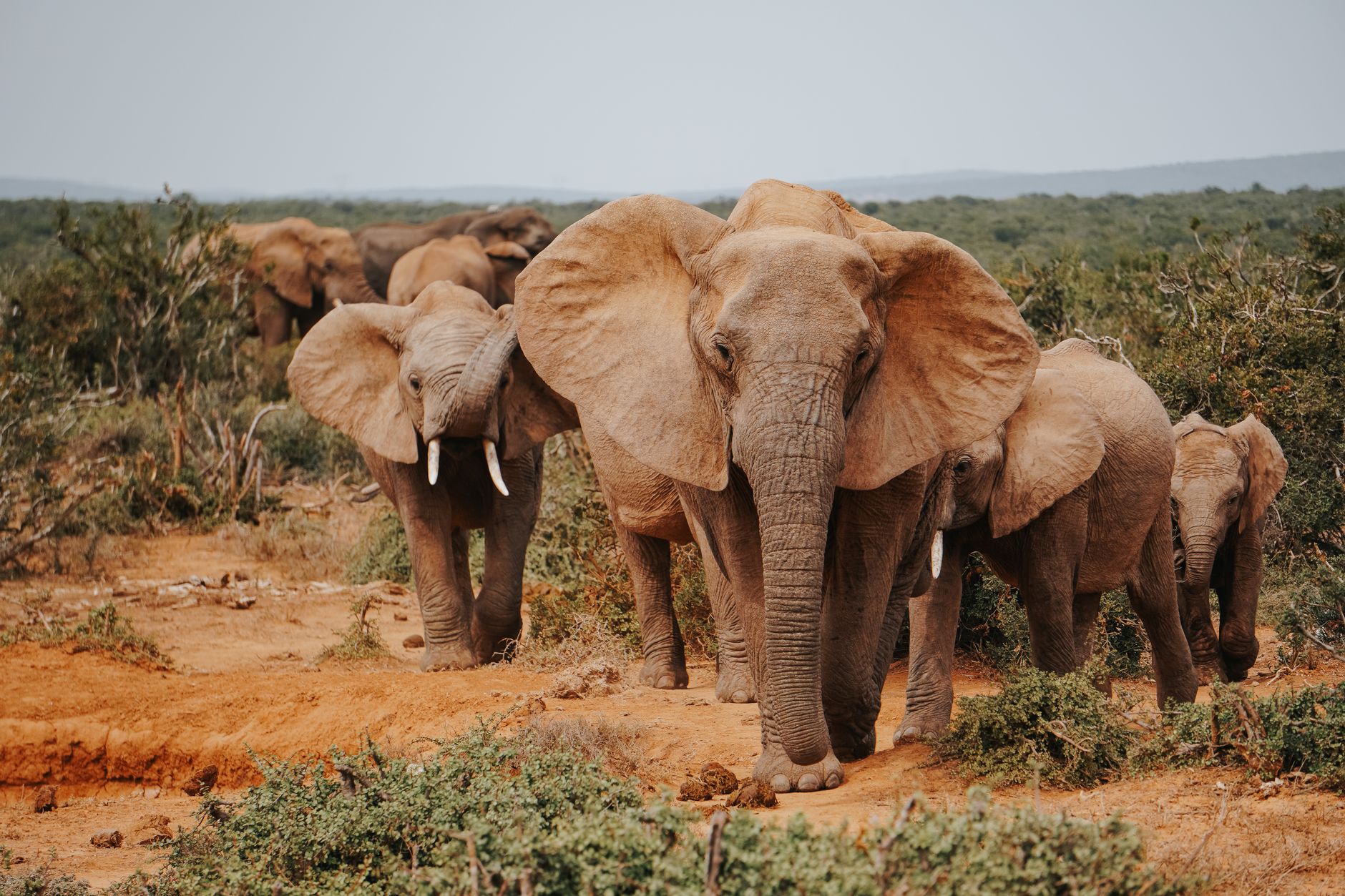
Elephants are known for their complex social structures, matriarchal societies, and deep emotional bonds. Understanding this background is crucial to comprehending their responses to death. Their herds are not simply random groups; they are intricate networks of related individuals, often spanning generations. The matriarch, typically the oldest and wisest female, leads the herd, guiding them through landscapes and passing down vital knowledge. Within these herds, strong familial bonds are forged, contributing to the profound impact of loss.
What colours are fish most attracted to?
Can you put your finger in a trout's mouth?
Is methylene blue anti bacterial?
Does aquarium salt raise pH in aquarium?
The Initial Response: Investigation and Exploration

When an elephant dies, the immediate response from the herd is often a period of intense investigation. This isn’t a detached, clinical assessment; it’s a thorough and emotional exploration. Elephants will:
- Use their trunks to gently touch and prod the body.
- Smell and examine the deceased elephant.
- Emit vocalizations, sometimes high-pitched rumbles or trumpets, that can sound like cries.
This investigation isn’t just about identifying the body; it’s about understanding what happened and confirming the death. Younger elephants often mimic the behavior of adults, further solidifying these practices as part of their learned social repertoire.
Mourning Rituals: A Display of Grief
Following the initial investigation, elephants often engage in behaviors that can be interpreted as mourning rituals. These behaviors can vary but commonly include:
- Standing guard over the body for extended periods, sometimes days.
- Touching the body with their trunks and feet, seemingly as a form of comfort or farewell.
- Attempting to lift or revive the deceased, especially if it’s a calf or a close relative.
- Remaining silent and subdued, reflecting the disruption to the herd’s routine.
These actions are not simply instinctive; they demonstrate a clear understanding of death and its impact on the social structure of the herd.
Unique Interactions with Skulls and Bones
Elephants demonstrate a peculiar interest in the skulls and bones of other elephants, even long after the flesh has decomposed. They are known to:
- Carry bones for long distances.
- Return to the same site repeatedly.
- Gently touch or caress skulls with their trunks.
This behavior suggests that elephants recognize and remember individuals even after they are gone, possibly connecting the remains with the memory of the living elephant. This suggests that the response of what do elephants do when another elephant dies is not a single event, but an ongoing process.
The Importance of Olfactory Cues
Smell plays a vital role in elephant communication and recognition. When an elephant dies, the distinct scent associated with that individual remains. This olfactory cue likely contributes to the herd’s ability to:
- Identify the deceased.
- Trigger emotional responses, such as grief and sadness.
- Maintain a connection to the departed individual.
The sensitivity of their olfactory senses amplifies the experience of loss and contributes to the depth of their mourning behaviors.
Impact on the Herd’s Dynamics
The death of an elephant, particularly the matriarch, can have a significant impact on the herd’s dynamics. This includes:
- Disruption of established routines.
- Changes in leadership structure.
- Increased stress and anxiety among herd members.
- Potential shifts in migration patterns and resource utilization.
The ripple effect of a single death can reverberate throughout the entire herd, highlighting the importance of each individual’s role within the social structure. Furthermore, determining what do elephants do when another elephant dies can give clues to the strength of the group and resilience they possess.
Cultural Variations in Death Rituals
While many behaviors are common across different elephant populations, there can be variations in death rituals based on:
- Geographic location
- Cultural traditions within specific herds
- Individual personalities of elephants within the herd
For instance, some herds may be more vocal in their mourning, while others might exhibit a more subdued response. Understanding these nuances requires long-term observation of individual elephant populations.
Comparing Elephant Grief to Human Grief
While it’s difficult to definitively quantify emotions across species, there are parallels between elephant grief and human grief:
| Feature | Elephants | Humans |
|---|---|---|
| Emotional Display | Visible distress, vocalizations, physical contact | Crying, sadness, emotional withdrawal |
| Social Support | Remaining close to the deceased, guarding the body | Offering comfort, attending funerals |
| Ritual Behavior | Returning to the site, touching bones | Funerals, memorial services |
| Long-Term Impact | Changes in herd dynamics | Changes in family dynamics, ongoing grief |
These similarities suggest a shared capacity for complex emotions and a deep understanding of the significance of death.
Frequently Asked Questions (FAQs)
Why do elephants touch the bodies of dead elephants with their trunks?
Elephants use their trunks as a primary sensory organ, much like we use our hands. Touching the body allows them to gather information about the deceased elephant’s condition, confirm their death, and perhaps express comfort or affection. This tactile exploration is a crucial part of their grieving process.
Do elephants bury their dead?
While there are anecdotal reports of elephants covering dead elephants with leaves or dirt, this behavior is not consistently observed and doesn’t qualify as burial in the human sense. It may be a form of instinctive protection or a symbolic act of farewell.
Do elephants mourn for other species?
There have been documented instances of elephants showing sympathetic behavior towards the remains of other animals, such as buffaloes and rhinoceroses. While the motivations are unclear, it suggests a broader capacity for empathy beyond their own species.
How long does an elephant’s mourning period typically last?
The intensity of the mourning period can vary, but elephants often remain near the body for several days, sometimes even weeks. The long-term effects on herd dynamics can last much longer, influencing social relationships and migration patterns for months or even years.
Do elephants grieve the loss of humans?
There are stories of elephants showing recognition and respect towards humans they have known, even after the human’s death. While these accounts are often anecdotal, they suggest that elephants can form strong bonds with humans and experience grief at their loss.
What happens if the matriarch of a herd dies?
The death of a matriarch can be devastating for the herd. It can lead to confusion, instability, and a loss of crucial knowledge about foraging locations and migration routes. A new matriarch will eventually emerge, but the transition period can be challenging.
Do baby elephants understand death?
Baby elephants learn about death through observation and interaction with their herd. They mimic the behaviors of adults, gradually understanding the significance of death and its impact on the social structure. Young elephants may experience fear and confusion, requiring reassurance from their mothers and other herd members.
How does the age of the deceased elephant impact the herd’s response?
The death of a calf or a young elephant can be particularly traumatic for the herd. The mother is likely to exhibit intense grief and may remain near the body for an extended period. The death of an older elephant, especially the matriarch, also has profound implications due to their experience and knowledge.
Are there any vocalizations specific to mourning?
While elephants use a wide range of vocalizations, some sounds, such as low rumbles and high-pitched trumpets, are often associated with distress and mourning. These vocalizations likely serve as a form of communication within the herd, signaling grief and seeking support.
Do elephants remember the deceased?
Evidence suggests that elephants possess excellent memories and can recognize individuals, even after long periods of separation. Their interactions with the bones of deceased elephants indicate that they retain a connection to the departed and remember their relationship.
Do elephants understand the concept of mortality?
While we cannot definitively know what elephants think or feel, their behavior suggests that they understand the finality of death and its impact on their social structure. Their mourning rituals and interactions with remains demonstrate a level of comprehension that goes beyond simple instinct.
Does poaching affect elephant grief responses?
Absolutely. Poaching often leaves elephants traumatized, both from witnessing the violence and from the loss of family members. The sudden and violent nature of poaching can disrupt traditional mourning rituals and lead to heightened stress and anxiety within the herd. This is an aspect of what do elephants do when another elephant dies that is often overlooked.