

What Dogs Do When They Are Sad: Unveiling Canine Melancholy
When dogs experience sadness, their behavior often shifts; they may exhibit lethargy, withdrawal, and a noticeable decrease in their usual enthusiasm, indicating a state of emotional distress. What do dogs do when they are sad? They often display altered body language, vocalizations, and even eating habits.
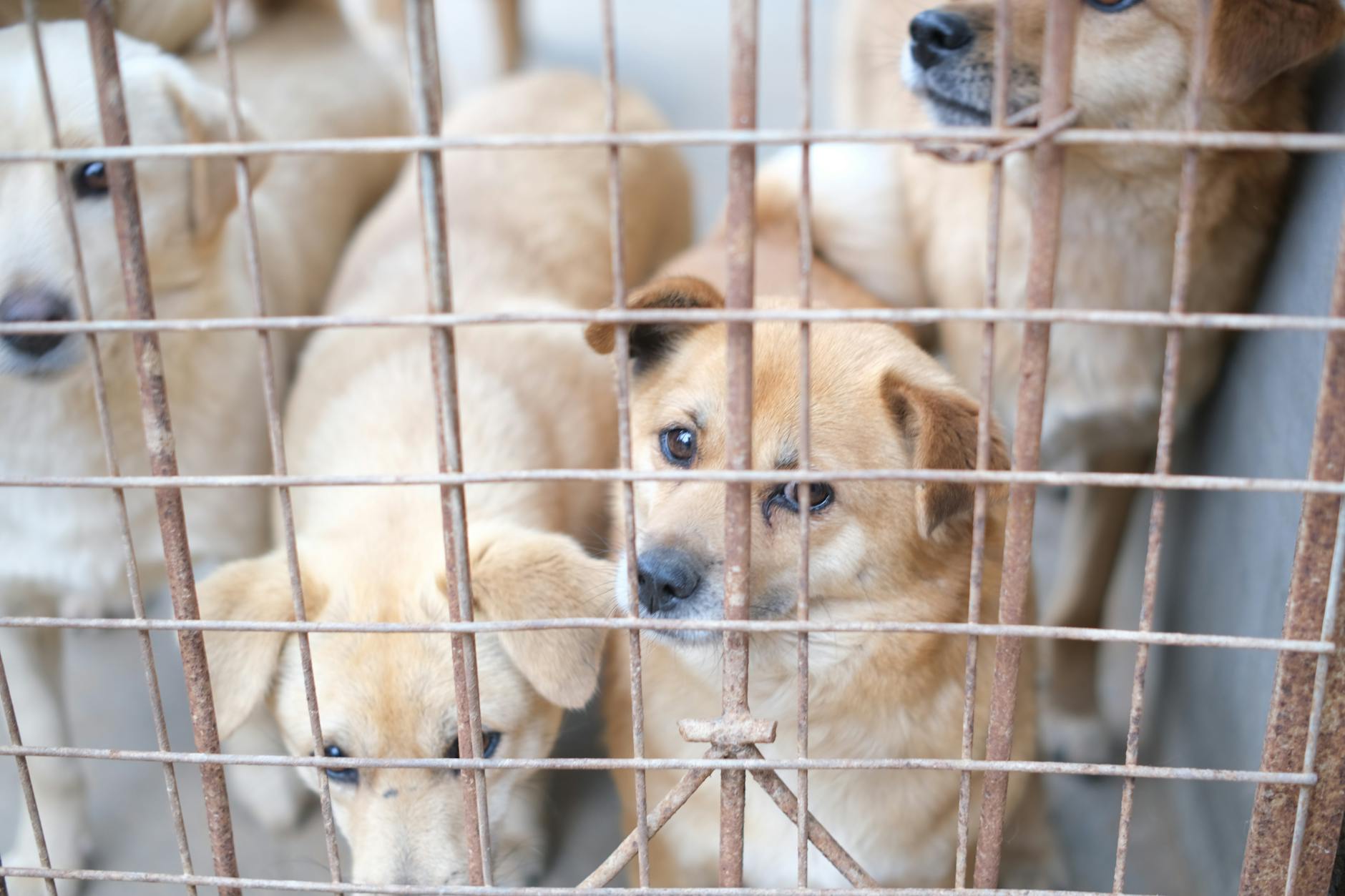
Understanding Canine Sadness: More Than Just a Bad Day
Dogs, like humans, are capable of experiencing a wide range of emotions, including sadness. While they may not experience emotions in the same complex way we do, their capacity for attachment, loss, and disappointment means they can certainly feel down. Recognizing the signs of sadness in your dog is crucial for providing them with the support they need. Understanding the causes and expressions of their sadness allows us to be more responsive and compassionate companions.

What colours are fish most attracted to?
Can you put your finger in a trout's mouth?
Is methylene blue anti bacterial?
Does aquarium salt raise pH in aquarium?
Recognizing the Signs: Decoding Canine Body Language
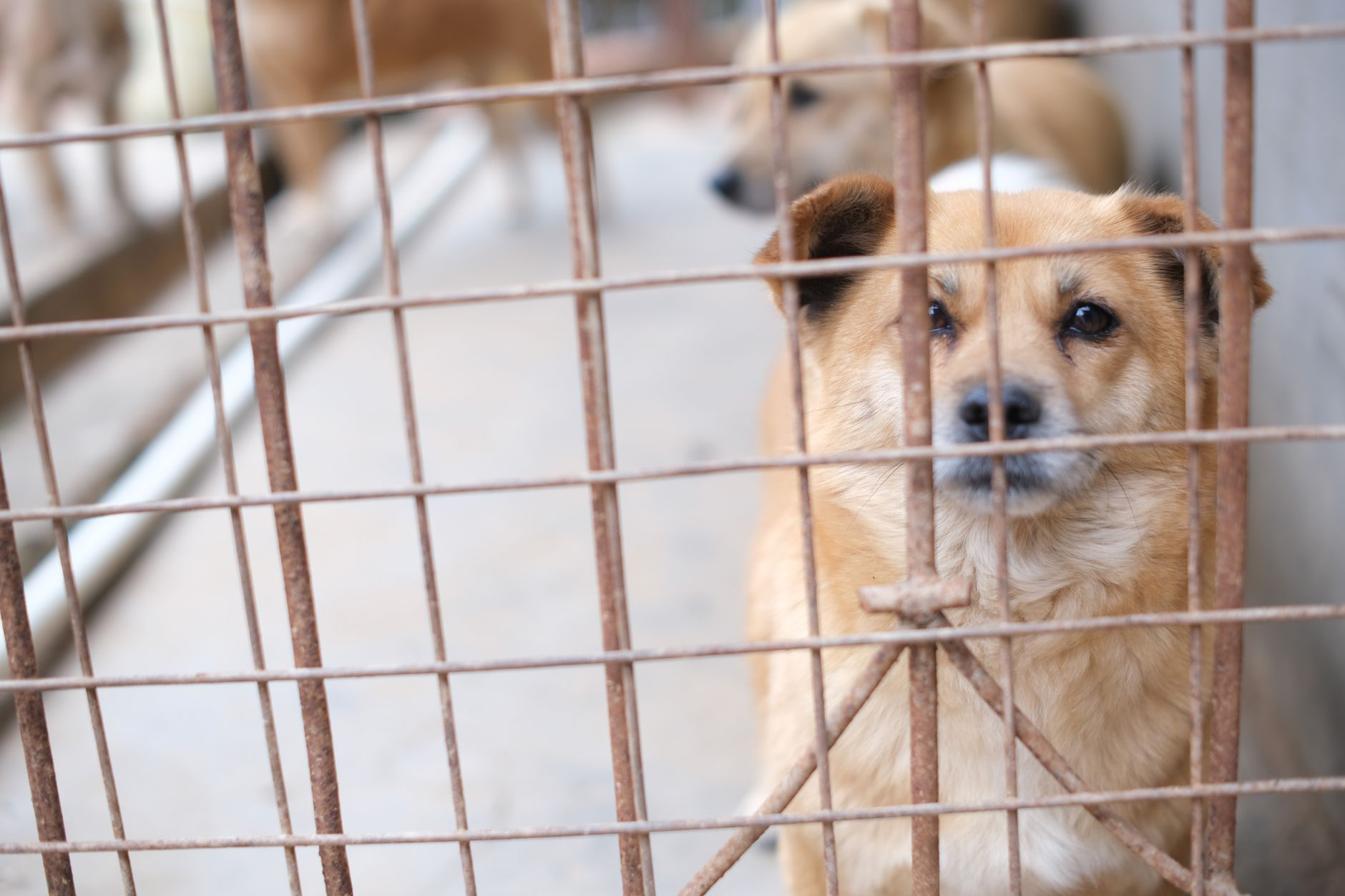
Identifying sadness in dogs requires a keen observation of their behavior and body language. It’s not always obvious, but certain telltale signs can indicate that your furry friend is feeling blue.
- Decreased Activity: A usually energetic dog might become sluggish, uninterested in playtime, or reluctant to go for walks.
- Changes in Appetite: Sad dogs often lose interest in food or may even refuse to eat altogether. This can be a significant indicator, especially if your dog is typically a voracious eater.
- Withdrawal and Isolation: A sad dog may withdraw from social interaction, spending more time alone and avoiding contact with their human family or other pets.
- Altered Body Posture: Look for signs of lowered head and tail, tucked tail between the legs, and drooped ears. These postures often indicate submission or sadness.
- Increased Sleeping: While dogs naturally sleep a lot, an unusually long or frequent napping schedule can suggest sadness or depression.
- Vocalizations: Excessive whining, whimpering, or howling, particularly when alone, can be a sign of distress.
Common Causes of Sadness in Dogs
Understanding why your dog is sad is just as important as recognizing the symptoms. Several factors can contribute to canine sadness.
- Loss of a Companion: The death of a family member (human or animal) can be devastating for dogs, leading to profound grief and sadness.
- Changes in Routine: Dogs thrive on routine. Changes in their daily schedule, such as a new work schedule for their owner or moving to a new home, can be disruptive and lead to sadness.
- Illness or Injury: Physical discomfort can significantly impact a dog’s mood and make them feel depressed.
- Lack of Mental and Physical Stimulation: Boredom and a lack of exercise can contribute to sadness. Dogs need regular opportunities to play, explore, and engage their minds.
- Separation Anxiety: Many dogs experience anxiety when left alone, which can manifest as sadness or depression.
- Changes in Social Dynamics: Introducing a new pet into the household, or changes in relationships within the existing pack, can cause stress and sadness.
Providing Comfort and Support: Helping Your Dog Through Sad Times
Once you’ve identified that your dog is sad and have a sense of the potential cause, you can take steps to help them feel better.
- Increased Affection and Attention: Spend extra time cuddling, petting, and talking to your dog.
- Maintain Routine (as much as possible): If a change in routine has triggered the sadness, try to maintain a consistent schedule for feeding, walks, and playtime.
- Provide Mental and Physical Stimulation: Engage your dog in activities they enjoy, such as playing fetch, going for walks, or solving puzzle toys.
- Consider a Veterinary Checkup: Rule out any underlying medical conditions that could be contributing to their sadness.
- Positive Reinforcement: Use positive reinforcement techniques, such as treats and praise, to encourage positive behavior.
- Consult with a Professional: If your dog’s sadness persists or worsens, consult with a veterinarian or certified professional dog trainer specializing in behavioral issues.
When Sadness Lingers: Recognizing and Addressing Depression
While sadness is a normal emotion, prolonged sadness can develop into depression. If your dog exhibits several signs of sadness for more than a few weeks, it’s important to seek professional help.
| Feature | Sadness | Depression |
|---|---|---|
| Duration | Short-term (days to weeks) | Long-term (weeks to months) |
| Intensity | Mild to moderate | Moderate to severe |
| Impact on Daily Life | Minimal disruption | Significant disruption to daily activities |
| Requires Intervention | Often resolves with support | Requires professional intervention (vet, behaviorist) |
What do dogs do when they are sad for extended periods? Depression in dogs is a serious condition that can affect their overall well-being. A veterinarian can rule out medical causes and may recommend medication or behavioral therapy. A certified dog behaviorist can help address underlying behavioral issues and develop strategies to improve your dog’s mood and overall quality of life.
Preventative Measures: Keeping Your Dog Happy and Healthy
Proactively ensuring your dog’s well-being can help prevent sadness and depression in the first place.
- Regular Exercise: Provide your dog with plenty of opportunities for physical activity.
- Mental Stimulation: Engage your dog’s mind with puzzle toys, training sessions, and interactive games.
- Socialization: Expose your dog to a variety of people, places, and situations in a positive and controlled manner.
- Consistent Routine: Maintain a predictable schedule for feeding, walks, and playtime.
- A Loving and Supportive Environment: Create a safe and comfortable home environment where your dog feels loved, secure, and valued.
Frequently Asked Questions About Canine Sadness
What is the difference between sadness and depression in dogs?
While both are emotional states, sadness is typically a short-term reaction to a specific event, while depression is a more prolonged and pervasive condition that can significantly impact a dog’s overall well-being. Depression often requires professional intervention.
Can dogs grieve like humans?
Yes, dogs can experience grief after the loss of a companion, whether it’s a human or another animal. They may exhibit similar symptoms to sadness, such as loss of appetite, withdrawal, and changes in sleep patterns. Providing extra comfort and support during this time is crucial.
Are some dog breeds more prone to sadness than others?
While any dog can experience sadness, some breeds may be more prone to anxiety or depression due to their genetic predispositions or temperament. For example, breeds prone to separation anxiety may be more likely to experience sadness when left alone. However, individual personality and environmental factors play a significant role.”
How can I tell if my dog’s sadness is caused by a medical condition?
It’s essential to rule out any underlying medical conditions that could be causing your dog’s symptoms. A veterinary checkup can help identify any physical issues and ensure that your dog receives the appropriate treatment. Changes in appetite, energy levels, and sleep patterns can be signs of both sadness and illness.
Can I give my dog human antidepressants?
No, you should never give your dog human antidepressants without consulting with a veterinarian. Many human medications are toxic to dogs, and even those that are safe can require specific dosages and monitoring. Your veterinarian can prescribe safe and effective medications if needed.
How long does canine sadness typically last?
Sadness in dogs can last for a few days to a few weeks, depending on the cause and individual dog. If the sadness persists for longer than a few weeks or worsens, it’s essential to seek professional help. Prolonged sadness can be a sign of depression or another underlying issue.
Can puppies get sad?
Yes, puppies can experience sadness, especially if they are separated from their mother and littermates too early. Providing a loving and supportive environment is crucial for helping puppies adjust to their new homes.
Is it possible for dogs to fake sadness to get attention?
While dogs are intelligent and can learn to associate certain behaviors with rewards, it’s unlikely that they are intentionally “faking” sadness. It’s more likely that they are displaying behaviors that they have learned will elicit attention from their owners. It’s important to address the underlying cause of the behavior and provide them with the attention and support they need in a healthy way.
Can environmental factors affect a dog’s mood?
Yes, environmental factors, such as loud noises, changes in the weather, or stressful situations, can affect a dog’s mood. Creating a calm and comfortable environment can help reduce stress and improve their overall well-being.
What role does exercise play in a dog’s emotional well-being?
Exercise is crucial for a dog’s physical and emotional health. Regular exercise helps release endorphins, which have mood-boosting effects. A lack of exercise can contribute to boredom, frustration, and sadness.”
Are there any specific toys or activities that can help cheer up a sad dog?
Interactive toys, such as puzzle toys or treat-dispensing toys, can help engage a dog’s mind and provide mental stimulation. Activities like playing fetch, going for walks, or learning new tricks can also help improve their mood. Finding activities that your dog enjoys is key.
When should I consider seeking professional help for my sad dog?
If your dog’s sadness persists for more than a few weeks, worsens over time, or is accompanied by other concerning symptoms, such as loss of appetite, significant weight loss, or changes in sleep patterns, it’s essential to consult with a veterinarian or certified dog behaviorist. Early intervention can improve the chances of a successful outcome.