
What Do Clown Fish Hide In? A Deep Dive
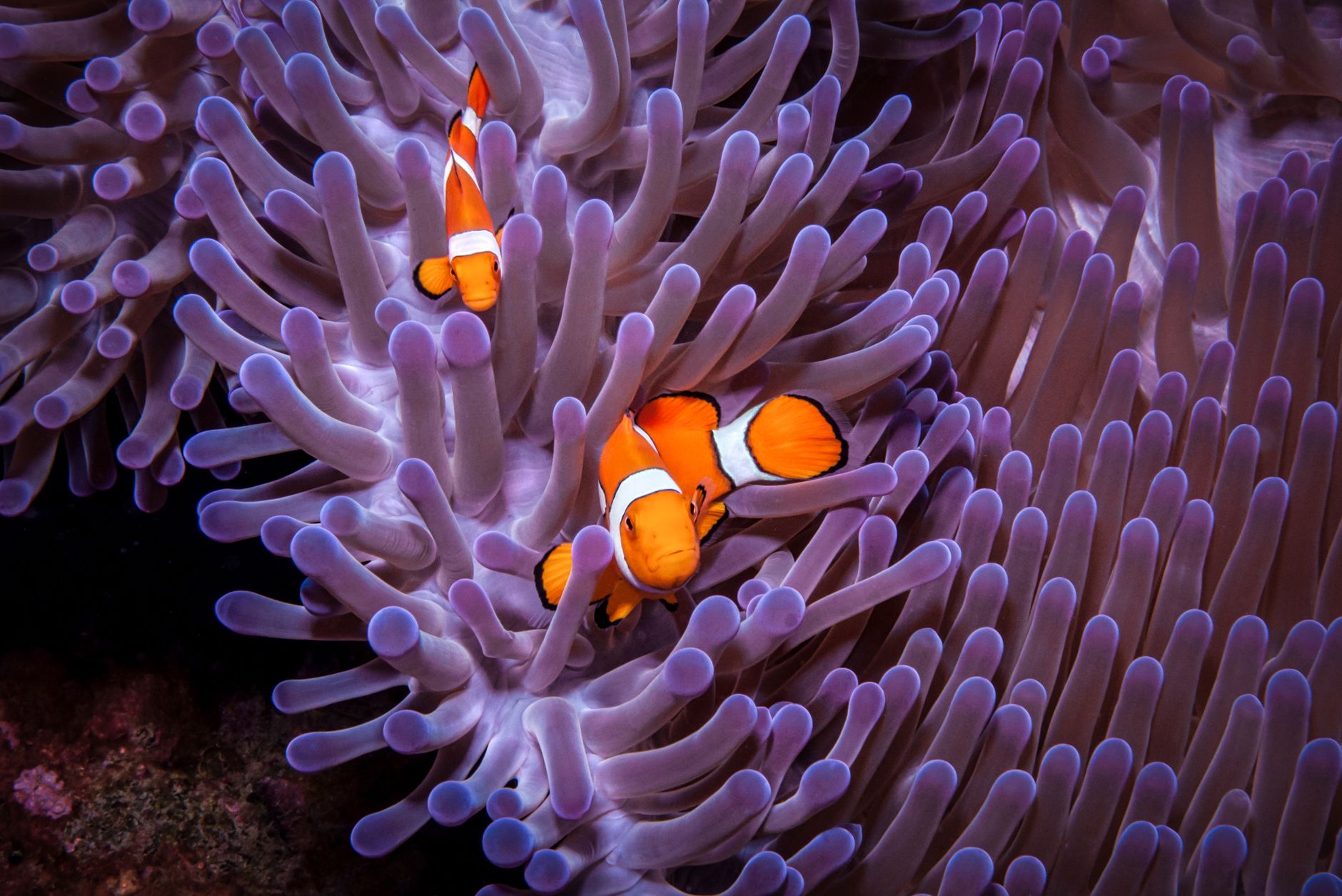
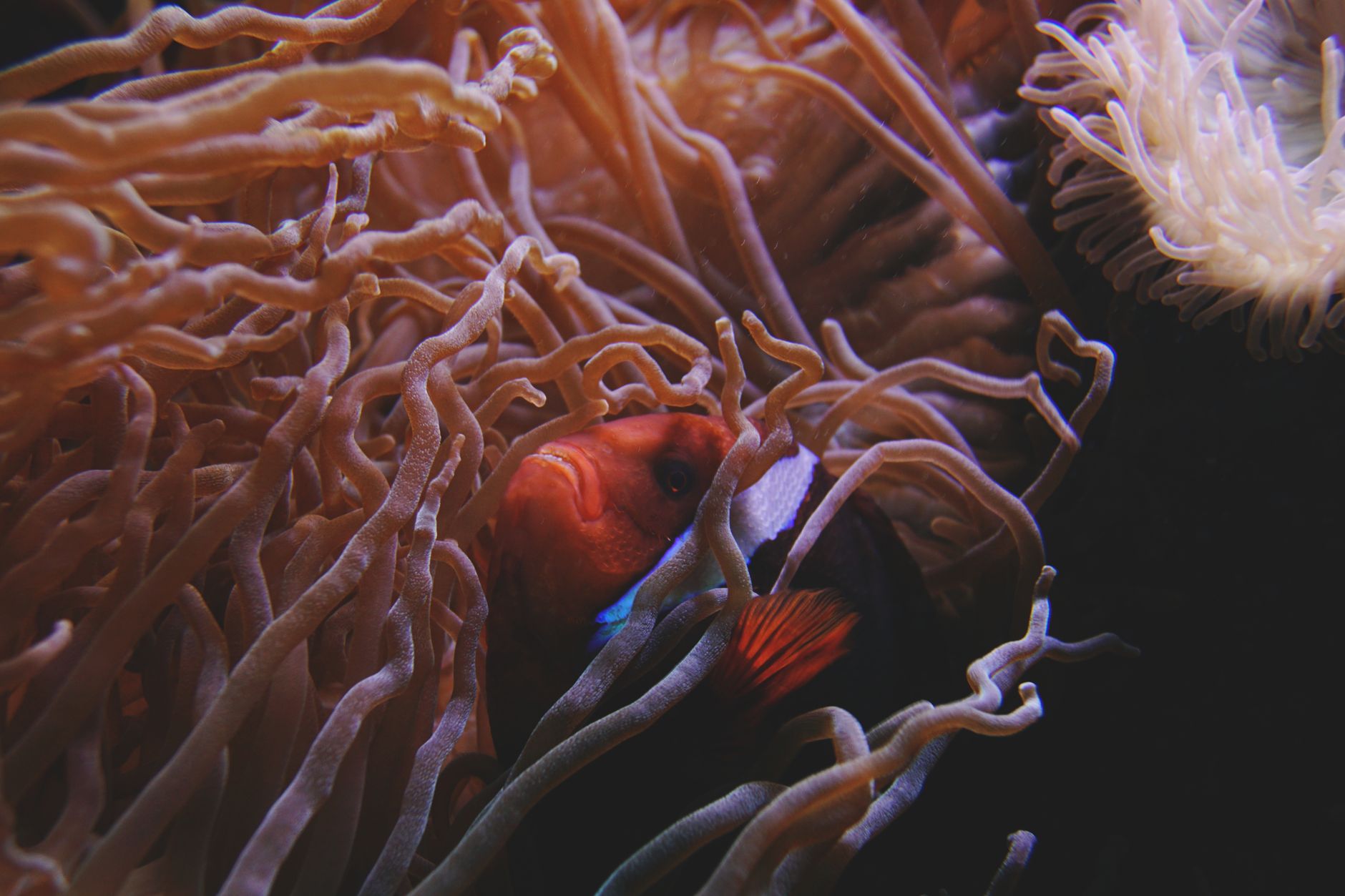
Clownfish primarily seek refuge and shelter within the stinging tentacles of various species of sea anemones, forming a mutually beneficial symbiotic relationship. These vibrant fish are intrinsically linked to their anemone hosts, relying on them for protection from predators and a safe haven for breeding.
Understanding the Clownfish-Anemone Symbiosis
The relationship between clownfish and sea anemones is a classic example of mutualism, a symbiotic interaction where both species benefit. This fascinating partnership allows clownfish to thrive in environments where they would otherwise be vulnerable, while the anemone receives protection and potential cleaning services from its colorful tenant. What do clown fish hide in? They hide in anemones!
Are fish heads good for the garden?
Can fish hear water?
What is cotton rot in fish?
What colours are fish most attracted to?
The Biology of Sea Anemones

Sea anemones are marine invertebrates characterized by their cylindrical bodies topped with a disc of stinging tentacles. These tentacles are armed with nematocysts, specialized cells that inject venom into prey upon contact. While this venom is deadly to many small fish, clownfish have evolved a remarkable resistance.
How Clownfish Develop Immunity to Anemone Stings
The exact mechanism by which clownfish acquire immunity to anemone stings remains a topic of ongoing research. However, the prevailing theory suggests that clownfish gradually acclimate to the anemone’s venom by initially making brief, cautious contact with the tentacles. Over time, they develop a protective mucus coating, composed of glycoproteins, that prevents the nematocysts from firing. This protective layer essentially masks the clownfish from the anemone’s stinging cells.
Benefits for the Clownfish
The benefits for the clownfish are readily apparent:
- Protection from Predators: The stinging tentacles of the anemone provide a formidable defense against potential predators. Many fish avoid approaching anemones due to the risk of being stung.
- Safe Haven for Breeding: Clownfish lay their eggs on a clean, flat surface near the base of the anemone, ensuring that the eggs are protected from predation.
- Food Source: Clownfish may occasionally consume scraps of food dropped by the anemone, or even nibble on dead anemone tentacles.
Benefits for the Anemone
While the benefits for the clownfish are clear, the anemone also gains advantages from the relationship:
- Cleaning Services: Clownfish help to keep the anemone clean by removing parasites and algae.
- Aeration: The clownfish’s movements around the anemone may help to improve water circulation, promoting oxygenation.
- Protection from Anemone-Eating Fish: Some researchers believe that clownfish may defend their anemone host from fish that would otherwise prey on it.
Common Anemone Species Used by Clownfish
Several anemone species commonly host clownfish, including:
- Bubble-tip Anemone (Entacmaea quadricolor)
- Magnificent Anemone (Heteractis magnifica)
- Sebae Anemone (Heteractis crispa)
- Giant Carpet Anemone (Stichodactyla gigantea)
- Merten’s Carpet Anemone (Stichodactyla mertensii)
Challenges to the Symbiosis
Despite the mutually beneficial nature of the relationship, there are challenges:
- Habitat Loss: Degradation of coral reefs, a major source of anemones, threatens the availability of suitable habitats for clownfish.
- Anemone Bleaching: Rising ocean temperatures can cause anemones to expel their symbiotic algae, leading to bleaching and potentially death.
- Over-Collection: The aquarium trade can lead to the over-collection of both clownfish and anemones from wild populations.
The Future of Clownfish-Anemone Symbiosis
The long-term survival of clownfish depends on the health of their anemone hosts. Conservation efforts aimed at protecting coral reefs and mitigating climate change are crucial for ensuring the future of this iconic symbiotic relationship. Understanding what do clown fish hide in is the first step to appreciating their vulnerability to habitat degradation.
Frequently Asked Questions
Why do clownfish wiggle around in the anemone?
Clownfish wiggle and rub against the anemone’s tentacles to help establish their protective mucus coating. This process helps them to become recognized by the anemone and prevents them from being stung. The more they interact, the stronger their immunity becomes.
Can any clownfish live in any anemone?
No. While some clownfish species are generalists and can live in multiple anemone species, others are specialists and are only found in association with a single type of anemone. The choice of anemone is often determined by the clownfish’s species and geographic location.
Do clownfish always live in anemones?
While most clownfish species are obligate symbionts (meaning they require anemones for survival), there have been rare instances of clownfish surviving without anemones in captivity. However, in the wild, anemones are essential for their survival.
What happens if a clownfish is removed from its anemone?
If a clownfish is removed from its anemone, it becomes vulnerable to predators. It also loses its safe haven for breeding and feeding. The clownfish may eventually find another anemone to inhabit, but the transition can be stressful and dangerous.
Do anemones move around the reef?
Yes, anemones can move, although they typically do so very slowly. They use their basal disc (the “foot”) to creep along the substrate. Occasionally, anemones may detach completely and drift to a new location.
How long do clownfish live?
Clownfish can live for a relatively long time in captivity, often exceeding 10 years. In the wild, their lifespan may be shorter due to predation and other environmental factors.
Do both male and female clownfish live in the anemone?
Clownfish exhibit protandrous hermaphroditism, meaning they are born male and can later change to female. A single anemone typically hosts a group of clownfish consisting of a dominant female, a breeding male, and several non-breeding males.
What do clownfish eat?
Clownfish are omnivores, feeding on a variety of algae, small invertebrates, and scraps of food dropped by the anemone. They also help to keep the anemone clean by consuming parasites and debris.
How do clownfish find their anemone?
The precise mechanism is still being studied, but it’s believed that chemical cues released by the anemone attract the clownfish. Juvenile clownfish may also be guided by visual cues or the presence of other clownfish already inhabiting an anemone.
Can I keep a clownfish and anemone in my home aquarium?
Yes, it is possible, but it requires careful planning and maintenance. It is crucial to provide a large enough tank, appropriate water parameters, and a compatible anemone species. Research thoroughly before attempting to keep these animals in captivity. Remember that not all anemones are easily cared for in aquariums.
Are all sea anemones suitable hosts for clownfish?
No, only certain species of sea anemones form symbiotic relationships with clownfish. Attempting to introduce a clownfish to an incompatible anemone can be stressful for both animals and may not be successful.
Why are clownfish called clownfish?
The name “clownfish” likely derives from their bright coloration and distinctive patterns, which resemble the face paint worn by clowns. Their playful behavior may also contribute to the association. Understanding what do clown fish hide in is also understanding how these colourful fish protect themselves.