
What Cats Think When They Go To A Cattery: Decoding Feline Emotions
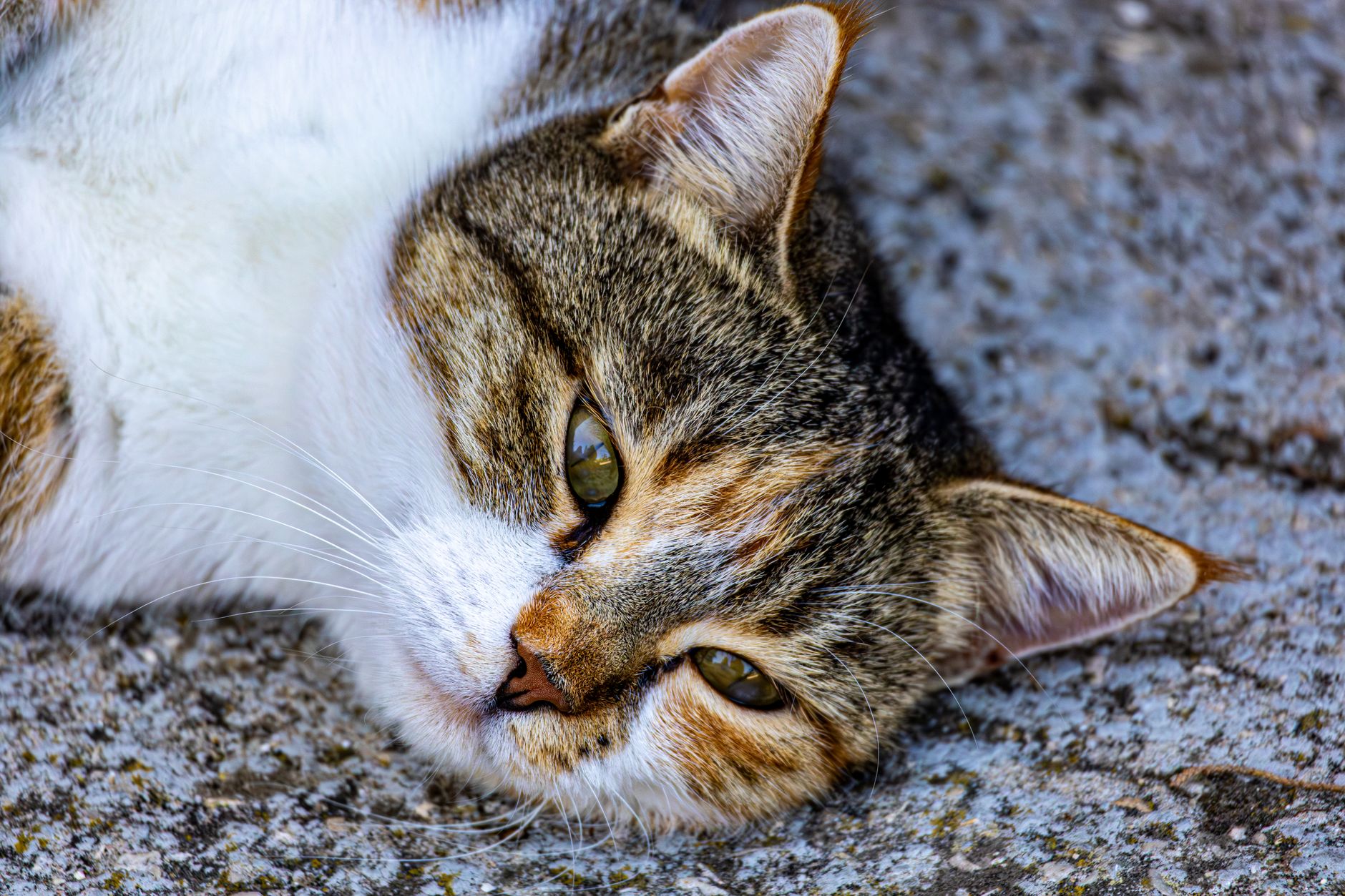
What do cats think when they go to a cattery? While we can’t know for sure, cats likely experience a mix of stress, anxiety, and curiosity when entering a cattery environment, heavily influenced by their individual personality and prior socialization. Understanding these potential emotions is crucial for ensuring their well-being during their stay.
Understanding the Cattery Experience from a Cat’s Perspective
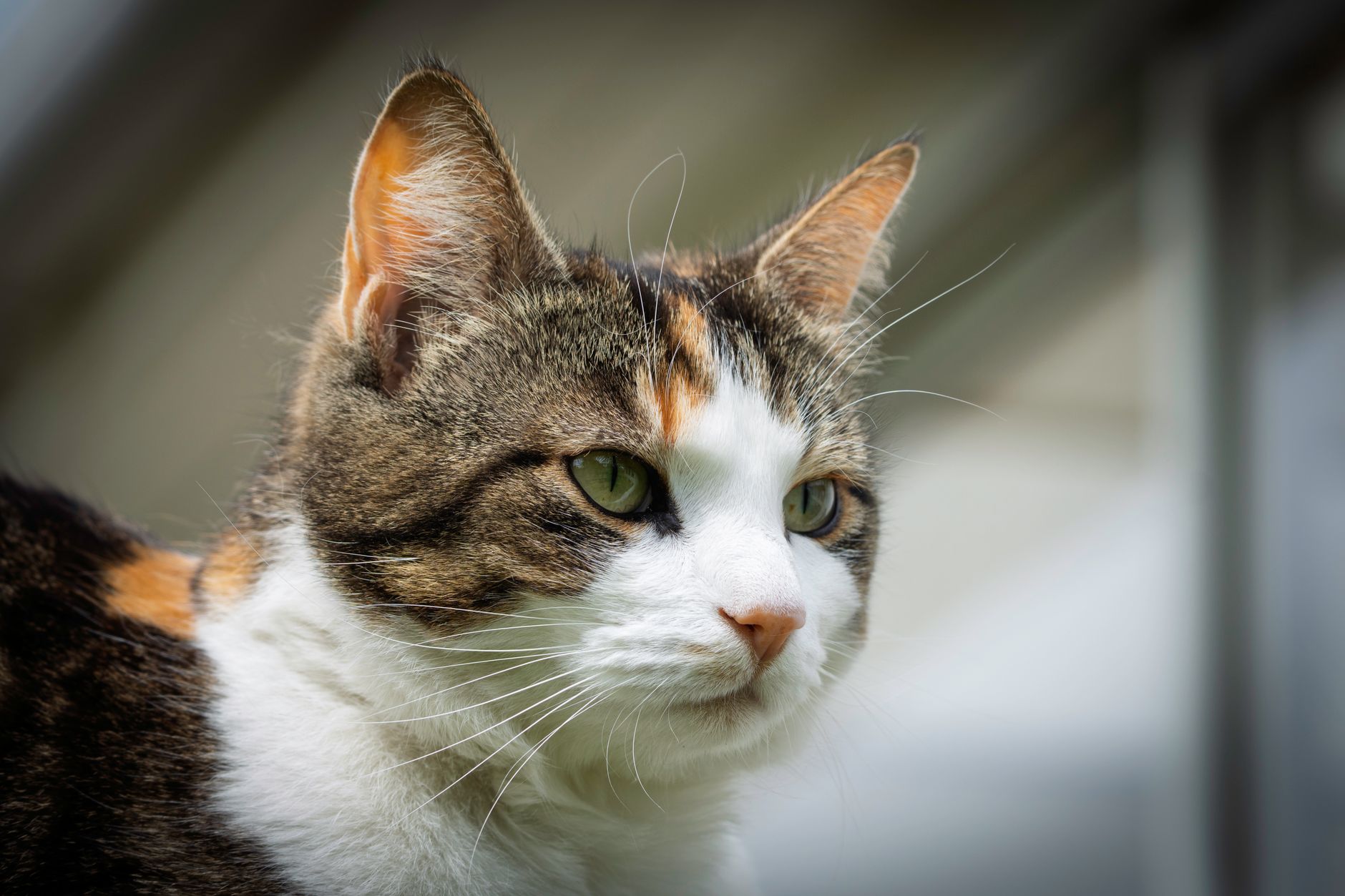
Stepping into the world of a cattery can be a significant event for a cat. Accustomed to their home territories, routines, and familiar humans, the cattery presents a novel and potentially overwhelming sensory experience. What do cats think when they go to a cattery? They’re likely processing a flood of new sights, sounds, and smells, all while separated from their familiar comforts. Understanding the potential emotional and psychological impact is key to ensuring a positive experience.
What colours are fish most attracted to?
Can you put your finger in a trout's mouth?
Is methylene blue anti bacterial?
Does aquarium salt raise pH in aquarium?
The Importance of Scent

Scent is a cat’s primary means of communication and navigation. A cat’s home is filled with its familiar scent markers, providing a sense of security and belonging. In contrast, a cattery is a sensory overload of unfamiliar smells – other cats, cleaning products, and different human scents. This can be disorienting and contribute to anxiety.
Visual and Auditory Input
Catteries are visually and auditorily stimulating environments. Cats are highly sensitive to movement and sound. The presence of other cats, staff activity, and general noise levels can be stressful. The visual layout, including cage or enclosure size and design, also plays a role. Providing visual barriers or hiding places can help reduce anxiety by offering a sense of control.
The Role of Socialization
A cat’s early socialization experiences play a crucial role in how they react to new environments and strangers. Cats that were well-socialized as kittens, meaning they were exposed to a variety of people, places, and experiences, are generally more adaptable and less likely to experience severe stress in a cattery. Conversely, cats with limited socialization histories might find the experience overwhelming.
Mitigating Stress in a Cattery Environment
Several strategies can be employed to minimize stress and improve a cat’s experience in a cattery:
- Familiarization: Encourage owners to bring familiar bedding, toys, or clothing to the cattery. These items carry the cat’s scent and provide a sense of comfort.
- Pheromone Therapy: Synthetic feline facial pheromones, such as Feliway, can help reduce anxiety and promote a sense of calm. These are available as sprays or diffusers.
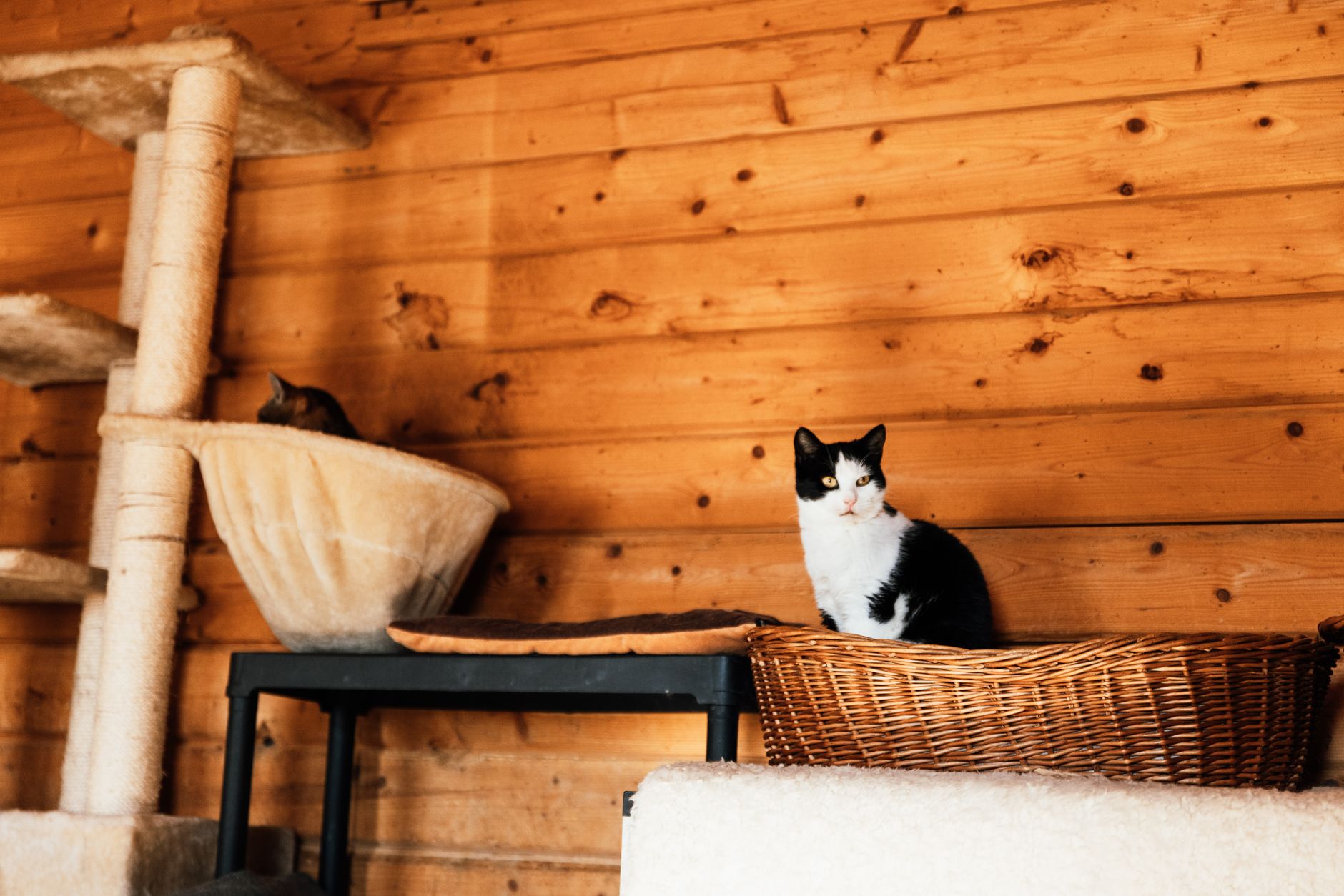
- Enrichment: Provide environmental enrichment, such as scratching posts, toys, and climbing structures, to keep cats mentally stimulated and occupied.
- Individualized Attention: Spend time interacting with each cat, offering gentle petting, talking softly, and providing treats (if allowed).
- Quiet Time: Ensure cats have access to quiet, secluded areas where they can retreat and rest undisturbed.
- Gradual Introduction: For first-time cattery stays, consider a shorter “trial” stay to help the cat acclimate to the environment.
Recognizing Signs of Stress
It’s crucial to be able to recognize the signs of stress in cats. These can include:
- Hiding or withdrawing
- Loss of appetite
- Excessive grooming
- Changes in vocalization (e.g., hissing, growling)
- Eliminating outside the litter box
- Increased aggression
- Pacing or restlessness
Prompt intervention, such as providing a quiet space or consulting with a veterinarian, can help alleviate stress and prevent more serious behavioral problems.
Comparing Cattery Options
When choosing a cattery, consider the following factors:
| Feature | Description | Benefits |
|---|---|---|
| Enclosure Size | The amount of space provided for each cat. | More space allows for greater freedom of movement and reduces feelings of confinement. |
| Enrichment | The availability of toys, scratching posts, climbing structures, and other stimulating items. | Provides mental and physical stimulation, preventing boredom and reducing stress. |
| Hygiene | The cleanliness and sanitation of the cattery. | Reduces the risk of disease and promotes a healthy environment. |
| Staff Interaction | The amount of time staff spends interacting with each cat. | Provides social interaction, affection, and reassurance, reducing anxiety and promoting well-being. |
| Socialization | Whether cats are housed individually or allowed to interact with other cats. | Individual housing reduces the risk of aggression and disease transmission. Socialization can be beneficial for some cats, but stressful for others. |
| Location | Distance from home and ease of access. | Shorter travel times are less stressful for the cat. |
Frequently Asked Questions (FAQs)
What is the most common reason cats get stressed in a cattery?
The most common reason is the change in environment and separation from their owners. Cats are creatures of habit, and a new environment with unfamiliar smells, sounds, and routines can be very unsettling. This disruption of their established territory causes significant anxiety.
How long does it typically take a cat to adjust to a cattery?
The adjustment period varies greatly depending on the individual cat’s personality and prior experiences. Some cats may settle in within a day or two, while others may take a week or longer to feel comfortable. Patience and providing a supportive environment are crucial during this time. What do cats think when they go to a cattery? – They are likely in an adjustment period.
Can I bring my cat’s favorite blanket to the cattery?
Absolutely! Bringing familiar items like a blanket, bed, or toy can significantly reduce anxiety. These items carry the cat’s scent and provide a sense of comfort and security in the unfamiliar environment. This is highly recommended.
Are all catteries created equal in terms of stress reduction?
No, catteries vary greatly in their approach to stress reduction. Some prioritize individual care, enrichment, and a calming environment, while others may focus more on cost-effectiveness. Research and choose a cattery that aligns with your cat’s needs.
What if my cat stops eating at the cattery?
Loss of appetite is a common sign of stress in cats. Inform the cattery staff immediately. They may try offering different types of food, warming the food, or providing hand-feeding. If the problem persists, a veterinary consultation may be necessary.
Is it better to house cats individually or allow them to socialize in a cattery?
This depends on the individual cat’s personality. Some cats enjoy interacting with other cats, while others find it stressful. Individual housing is generally preferred to minimize the risk of aggression and disease transmission, especially for cats from different households. Ask the cattery about their socialization policy.
Can I visit my cat at the cattery?
Some catteries allow visits, while others do not. Visits can be beneficial for some cats, providing reassurance and reducing anxiety. However, for other cats, visits can be disruptive and increase stress. Inquire about the cattery’s visitation policy.
How can I prepare my cat for a cattery stay before the actual day?
Gradually introduce your cat to a carrier a few weeks before the stay. Place treats or toys inside to encourage them to enter voluntarily. You can also spray the carrier with feline pheromones to help reduce anxiety.
Will the cattery staff notice if my cat is stressed?
Reputable catteries have trained staff who are experienced in recognizing the signs of stress in cats. They will monitor each cat’s behavior closely and take appropriate measures to alleviate anxiety.
Should I tell the cattery staff about my cat’s personality and preferences?
Absolutely! Providing detailed information about your cat’s personality, habits, preferences, and any medical conditions is crucial. This will help the staff provide individualized care and address any potential issues effectively.
What happens if my cat gets sick while at the cattery?
Reputable catteries have procedures in place for dealing with sick cats. They will typically isolate the cat and contact a veterinarian for treatment. They will also notify you of the situation and keep you informed of your cat’s progress.
Are there any long-term psychological effects of staying in a cattery?
Most cats recover quickly after a cattery stay. However, some cats may experience lingering stress or behavioral changes. Providing a calm and supportive environment upon their return home can help them readjust. If problems persist, consult with a veterinarian or a certified animal behaviorist. What do cats think when they go to a cattery? – Some may develop short-term anxieties.