

What Do Cats Feel When Euthanized?: Understanding the Experience
This article aims to provide a compassionate and informed exploration of what a cat experiences during euthanasia. The goal of euthanasia is to provide a painless and peaceful passing, and in the vast majority of cases, cats feel minimal discomfort, ultimately experiencing a release from suffering.
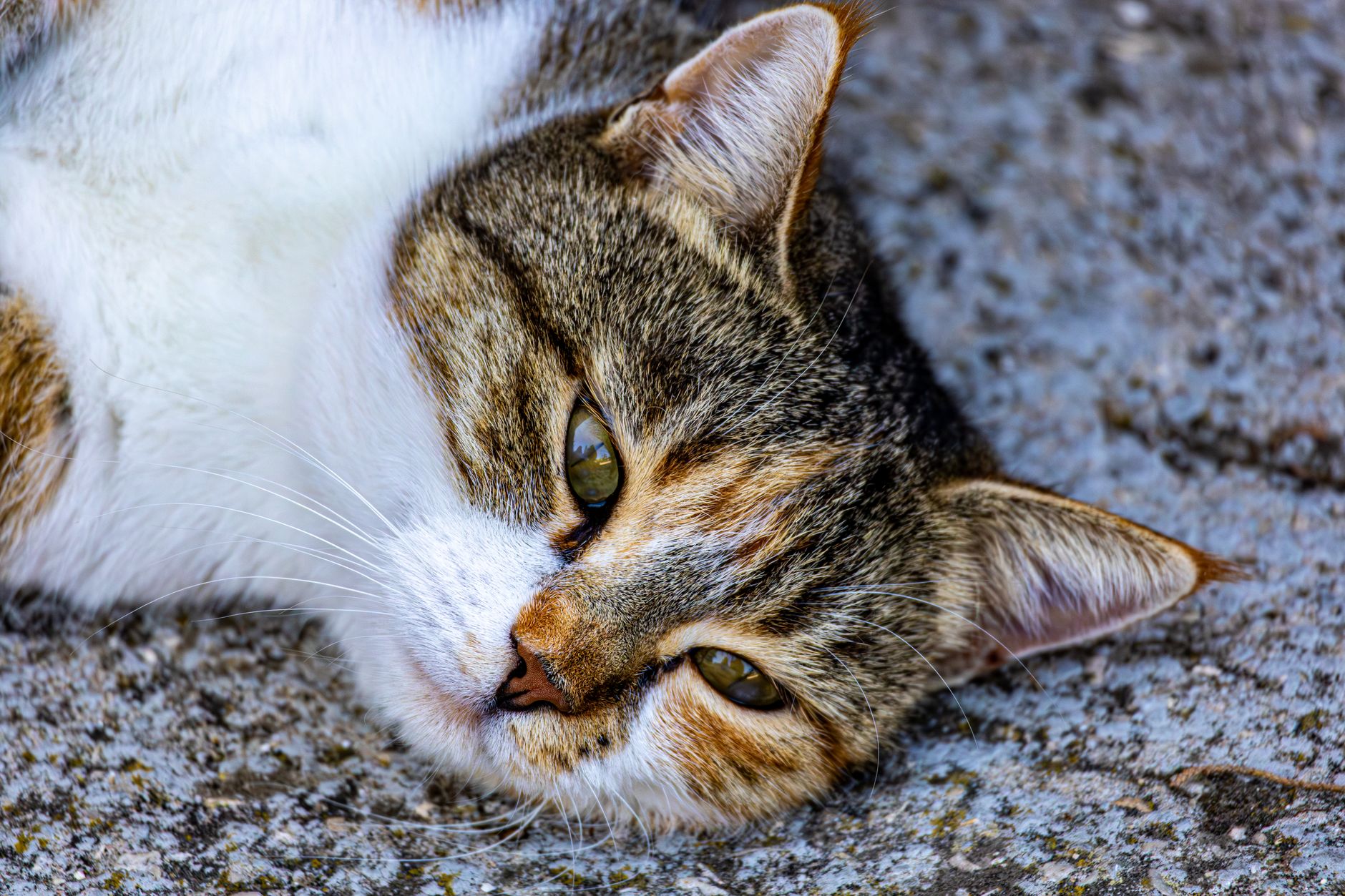
Understanding Euthanasia: A Compassionate Choice
Euthanasia, often referred to as “putting to sleep,” is the humane act of ending an animal’s life to relieve pain and suffering when medical treatment is no longer effective or quality of life is severely compromised. It’s a deeply personal and difficult decision for pet owners, but one often made out of love and concern for their beloved companions. Understanding the process and what your cat might experience can bring some comfort during a difficult time.

What colours are fish most attracted to?
Can you put your finger in a trout's mouth?
Is methylene blue anti bacterial?
Does aquarium salt raise pH in aquarium?
The Euthanasia Process: A Step-by-Step Guide

The procedure typically involves the following steps:
- Consultation with a Veterinarian: This critical step involves a thorough discussion about your cat’s condition, prognosis, and quality of life. The veterinarian will help you determine if euthanasia is the most compassionate option.
- Preparation: The veterinary staff will typically prepare a quiet and comfortable space for the procedure. Often, you’ll be allowed to hold and comfort your cat during this time.
- Sedation (Optional but Recommended): Many veterinarians administer a sedative to help your cat relax and ease any anxiety. This ensures a more peaceful and stress-free experience. This is often given as an injection under the skin.
- Administration of Euthanasia Solution: The veterinarian will then administer an overdose of an anesthetic solution, typically pentobarbital. This is usually given intravenously.
- Passing: The solution quickly depresses brain function, leading to unconsciousness, cessation of breathing, and ultimately, cardiac arrest.
Physical Sensations During Euthanasia
What do cats feel when euthanized? The goal is to ensure the process is as pain-free as possible. With proper sedation, a cat should experience a sense of calm and relaxation before losing consciousness. The pentobarbital solution, when administered correctly, induces a rapid and painless loss of awareness.
However, it’s important to acknowledge potential, albeit rare, scenarios:
- Slight Discomfort at Injection Site: Some cats may experience a brief sting or discomfort at the injection site, particularly if they are sensitive or if the vein is difficult to access.
- Muscle Twitching: Involuntary muscle twitching can sometimes occur as the brain shuts down. This is not indicative of pain or distress but a neurological response.
- Deep Breath or Sigh: Occasionally, a cat might take a deep breath or sigh shortly before passing. Again, this is usually a reflex and not a sign of awareness or suffering.
Ensuring a Peaceful Experience: Key Considerations
Several factors contribute to a peaceful euthanasia experience:
- Experienced Veterinarian: A skilled veterinarian with experience in euthanasia can ensure the procedure is performed smoothly and efficiently.
- Quiet and Comfortable Environment: A calm and familiar environment can help reduce anxiety.
- Presence of Loved Ones: Your presence can provide comfort and reassurance to your cat.
- Adequate Sedation: Pre-sedation is crucial in minimizing any potential discomfort or anxiety.
Common Misconceptions about Euthanasia
Many misconceptions surround the topic of euthanasia, which can add to the emotional distress of pet owners. It’s important to dispel these myths:
- Euthanasia is Cruel: When performed with compassion and proper technique, euthanasia is the most humane way to alleviate suffering when other options are exhausted.
- My Cat Will Know They Are Being Killed: The goal of euthanasia is to induce unconsciousness rapidly, so your cat should not be aware of what is happening.
- There is Always a Cure: Sadly, this isn’t true. Sometimes, the best option is to prioritize comfort and prevent further suffering.
Grief and Coping After Euthanasia
Grief is a natural and valid response to the loss of a beloved pet. Allow yourself time to grieve, and don’t hesitate to seek support from friends, family, or a pet loss support group. Remember the joy and companionship your cat brought into your life, and honor their memory in a way that feels meaningful to you.
Quality of Life Assessment: A Critical Factor
Before considering euthanasia, it’s essential to assess your cat’s quality of life objectively. Tools like the HHHHHMM Scale (Hurt, Hunger, Hydration, Hygiene, Happiness, Mobility, More Good Days than Bad) can help you evaluate your cat’s well-being and make an informed decision in consultation with your veterinarian.
Frequently Asked Questions (FAQs) About Euthanasia in Cats
What exactly is in the euthanasia solution, and how does it work?
The primary ingredient in most euthanasia solutions is pentobarbital, a barbiturate anesthetic. It works by rapidly depressing the central nervous system, leading to unconsciousness, cessation of breathing, and ultimately, cardiac arrest. It essentially shuts down the brain in a controlled and humane way.
Will my cat be aware of what’s happening during the euthanasia process?
The goal of euthanasia is to ensure a painless and stress-free experience. With appropriate sedation, your cat should be calm and relaxed, and the pentobarbital solution should induce rapid unconsciousness, preventing them from being aware of the process.
Is it possible for a cat to experience pain during euthanasia?
While the intention is always to provide a pain-free passing, there’s a possibility of minor discomfort at the injection site. However, proper technique and pre-sedation significantly minimize this risk. Muscle twitching, if it occurs, is a neurological reflex and not an indication of pain.
Can I be present with my cat during the euthanasia procedure?
In most cases, yes, and it’s often encouraged. Your presence can provide comfort and reassurance to your cat, and it can also help you find closure. Talk to your veterinarian about their policies regarding owner presence.
What if my cat is afraid of the vet? Will that make the process more stressful?
If your cat is anxious at the vet, discuss this with your veterinarian beforehand. They can administer a sedative prior to the appointment to help calm your cat and minimize stress during the procedure.
What happens to my cat’s body after euthanasia?
You have several options: cremation (private or communal), burial at home (if local regulations allow), or leaving the body with the veterinary clinic for disposal. Discuss these options with your veterinarian.
How long does the euthanasia process typically take?
The actual administration of the euthanasia solution is very quick, usually taking only a few seconds. The entire process, including preparation and sedation, may take 15-30 minutes.
How do I know if I’m making the right decision to euthanize my cat?
This is a deeply personal and difficult decision. Consult with your veterinarian, assess your cat’s quality of life objectively, and consider your cat’s best interests. Focus on relieving suffering and preventing further decline. The HHHHHMM scale can be helpful.
What is pet loss grief and how do I deal with it?
Pet loss grief is a normal reaction to the loss of a beloved companion. It can manifest in various ways, including sadness, anger, guilt, and disbelief. Allow yourself time to grieve, seek support from others, and remember the joy your cat brought into your life.
What if I can’t afford euthanasia? Are there resources available?
Some veterinary clinics offer payment plans or discounts for euthanasia services. You can also explore options like local animal shelters or rescue organizations, which may offer subsidized euthanasia services.
Is there a difference between euthanasia at a vet clinic and at home?
Both options have their pros and cons. Euthanasia at a vet clinic offers access to immediate medical support, while at-home euthanasia can provide a more peaceful and familiar environment for your cat. Discuss both options with your veterinarian to determine what is best for you and your cat.
After euthanasia, what can I do to honor my cat’s memory?
There are many ways to honor your cat’s memory, such as creating a memorial, planting a tree, donating to an animal charity, or simply remembering the joy and love they brought into your life. Choose something that feels meaningful to you and helps you cope with your grief. This can help you remember what do cats feel when euthanized? — in the best possible way, as a release.