
What Do Cats Do When They Smell Illness in Humans? Unraveling the Feline Sixth Sense
Cats exhibit various behaviors when they detect illness in humans, ranging from increased attentiveness and comforting behaviors to detectable avoidance, all driven by their highly sensitive sense of smell, enabling them to perceive subtle chemical changes associated with disease. What do cats do when they smell illness in humans? is a fascinating question revealing a complex interplay of feline sensory perception and behavioral response.

The Extraordinary Feline Nose: A Primer
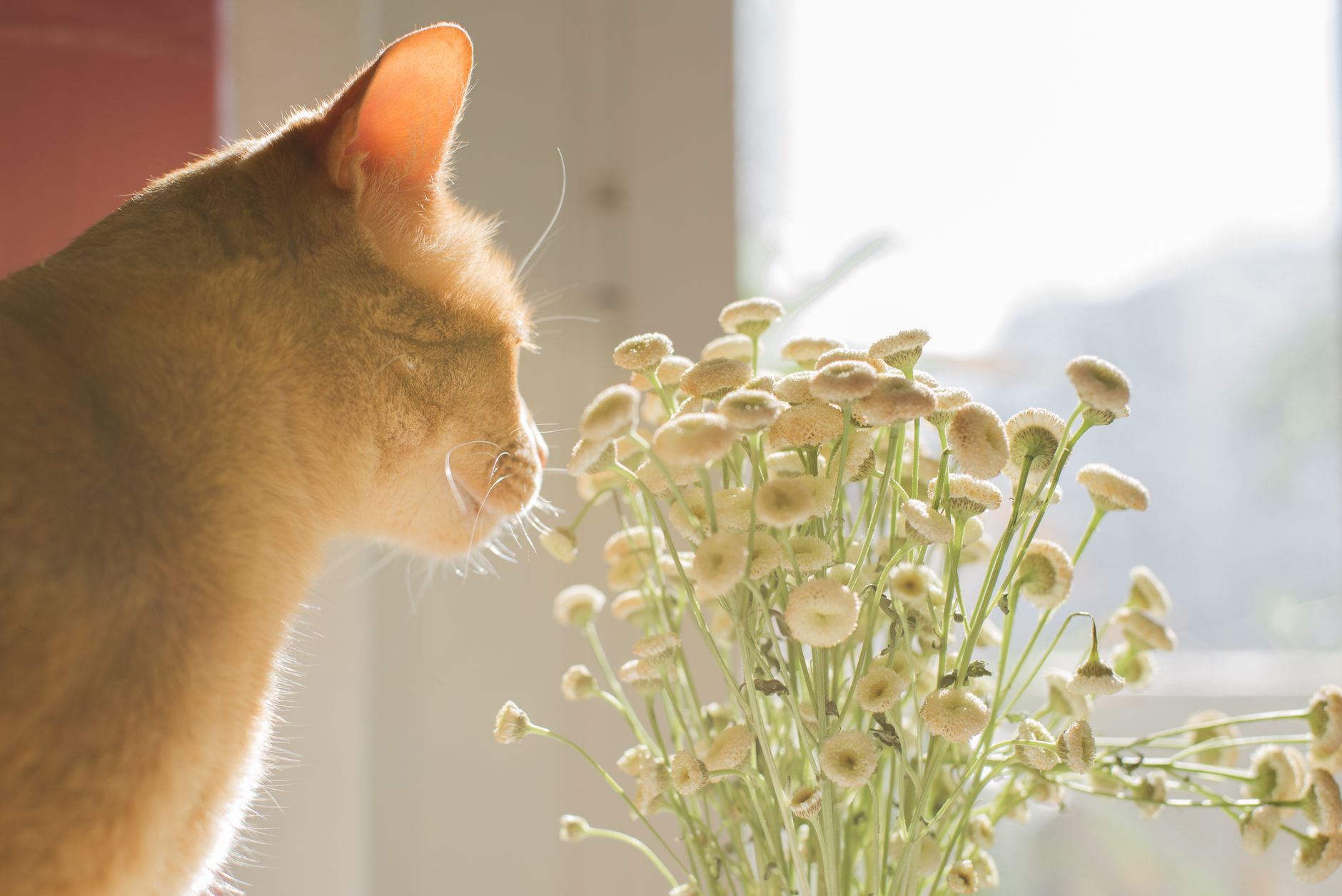
Cats possess an olfactory system far superior to that of humans. Their noses are packed with significantly more scent receptors – around 200 million compared to our measly 5 million. This remarkable sensory capability allows them to detect subtle changes in volatile organic compounds (VOCs) emitted by the human body, often indicative of underlying health issues. These VOCs are released through breath, sweat, and even urine, providing a wealth of information about a person’s physiological state.

What colours are fish most attracted to?
Can you put your finger in a trout's mouth?
Is methylene blue anti bacterial?
Does aquarium salt raise pH in aquarium?
Deciphering the Chemical Signals of Disease

Illnesses, from cancer and diabetes to infections and neurological disorders, can alter the body’s chemical composition, leading to the release of unique VOC signatures. Cats, with their highly attuned sense of smell, can detect these alterations. These signals can indicate the presence of:
- Infections (bacterial or viral)
- Metabolic imbalances (diabetes, kidney disease)
- Cellular changes (cancer)
- Hormonal fluctuations
The specific response of a cat to these smells can vary depending on the individual cat’s personality, its relationship with the human, and the nature of the illness.
Common Feline Reactions to Illness Detection
When a cat detects these unusual scents, several responses are possible:
- Increased Attentiveness and Comforting Behaviors: Many cats become more affectionate when they sense illness in their owners. This can manifest as increased cuddling, purring, and following the person around. They seem to instinctively understand that something is wrong and offer comfort.
- Localized Focus on the Affected Area: Some cats may focus their attention on the area of the body affected by the illness. For example, they may lie on the person’s chest if they have a respiratory infection or near their stomach if they have digestive issues.
- Changes in Vocalization: Cats may become more vocal or, conversely, less vocal when they detect illness. These vocalizations may be different from their usual meows, suggesting a heightened awareness or concern.
- Avoidance Behavior: In some cases, a cat may avoid the person who is ill. This could be due to feeling threatened by the unusual smells or sensing a change in the person’s demeanor.
- Following a specific Individual: Cats may show a preference to follow the ill individual more than others in the household, demonstrating that the cats have sensed the change in the body odor and are drawn to that individual’s health condition.
Factors Influencing a Cat’s Response
Several factors influence what do cats do when they smell illness in humans:
- The Cat’s Personality: Some cats are naturally more empathetic and attuned to their owners’ emotions, making them more likely to offer comfort.
- The Strength of the Bond: Cats with strong bonds to their owners are more likely to exhibit noticeable behavioral changes when they sense illness.
- The Type of Illness: Some illnesses may produce stronger or more distinctive odors than others, eliciting a more pronounced response from the cat.
- The Cat’s Previous Experiences: A cat that has experienced a similar illness in the past may be more likely to recognize the associated smells.
Practical Implications and Limitations
While anecdotal evidence abounds regarding cats’ ability to detect illness, scientific research in this area is still limited. Nevertheless, there’s a growing body of evidence suggesting that cats can, indeed, detect certain diseases through their sense of smell.
- Early Detection: While a cat’s behavior shouldn’t be used as a substitute for medical diagnosis, their attentiveness to changes in your body odor can prompt you to seek professional medical advice earlier than you might have otherwise.
- Emotional Support: Even if they can’t diagnose an illness, a cat’s comforting presence can provide valuable emotional support during a challenging time.
- Research Potential: Further research into cats’ olfactory capabilities could potentially lead to the development of new diagnostic tools for detecting diseases in humans.
Frequently Asked Questions (FAQs)
Can cats actually smell cancer?
Yes, there’s growing anecdotal evidence and some research suggesting that cats can detect cancer through their sense of smell. Certain types of cancer produce specific VOCs that cats can identify, leading to behavioral changes like increased attentiveness or localized focus on the affected area.
How accurate is a cat’s ability to detect illness?
While cats have a remarkable sense of smell, their ability to detect illness isn’t foolproof. It’s essential to remember that their behavior shouldn’t be used as a substitute for professional medical diagnosis. Their behavior should be viewed as a possible indicator.
What specific illnesses can cats potentially detect?
Cats have been reported to detect a range of illnesses, including cancer, diabetes, infections, and even neurological disorders. The key is the presence of unique VOC signatures associated with these conditions.
Why do some cats avoid sick people?
Avoidance behavior can be a result of feeling threatened or overwhelmed by the unusual smells associated with illness. Cats may also sense a change in the person’s demeanor and become wary.
How do cats differ from dogs in their ability to detect illness?
Both cats and dogs possess an exceptional sense of smell, but they may react differently to illness. Dogs are more frequently trained to detect specific diseases, like cancer, due to their trainability and desire to please. Cats detection may vary depending on bond and personality, but is still quite possible.
Is it possible to train a cat to detect specific diseases?
While less common than with dogs, training cats to detect specific diseases is possible, but more challenging. Cats are typically less motivated by external rewards and require a more individualized approach.
What if my cat suddenly starts paying more attention to a specific area of my body?
This could be a sign that your cat has detected something unusual. While it’s not a definitive diagnosis, it’s wise to consult with a medical professional to rule out any underlying health issues.
Can cats detect emotional distress as well as physical illness?
Yes, cats are often highly attuned to their owners’ emotions and can detect changes in mood, stress levels, and anxiety. This can manifest in similar behavioral changes as when they detect physical illness.
Do all cats have the same ability to detect illness?
No, individual cats vary in their sensitivity and ability to detect illness. Factors like breed, age, and personality can influence their olfactory capabilities and behavioral responses.
Should I rely on my cat to tell me if I’m sick?
No, your cat’s behavior should never be your only source of information about your health. Always consult a medical professional for proper diagnosis and treatment.
How does a cat’s sense of smell compare to other animals?
Cats have a significantly better sense of smell than humans, but it is not as advanced as some dog breeds. Some dog breeds have 300 million or more scent receptors compared to the 200 million of a cat.
Does the breed of cat affect the ability to smell diseases?
While there’s no definitive evidence linking specific cat breeds to superior disease-detection abilities, individual variation within breeds is likely more significant. Personalities and bonds, again, are a greater factor in displaying reactions.