

What Disturbing Things Do Hippos Do?
Hippos are often perceived as docile giants, but the reality is far more sinister: they are among the most dangerous animals in Africa, exhibiting aggressive behaviors and possessing surprising means of causing harm. What disturbing things do hippos do? They kill hundreds of people each year, aggressively defend their territory, and even engage in cannibalism and infanticide.

The Illusion of Docility
Hippos, or Hippopotamus amphibius, are often portrayed as comical, even cuddly, creatures. This perception is dangerously misleading. While they may appear slow and lumbering, hippos are surprisingly agile in water and on land. Their massive size and powerful jaws, equipped with impressive canine teeth, make them formidable adversaries. The deceptive calmness often displayed masks a hair-trigger temper and a willingness to aggressively defend their territory and young.

What colours are fish most attracted to?
Can you put your finger in a trout's mouth?
Is methylene blue anti bacterial?
Does aquarium salt raise pH in aquarium?
A Leading Cause of Human Fatalities
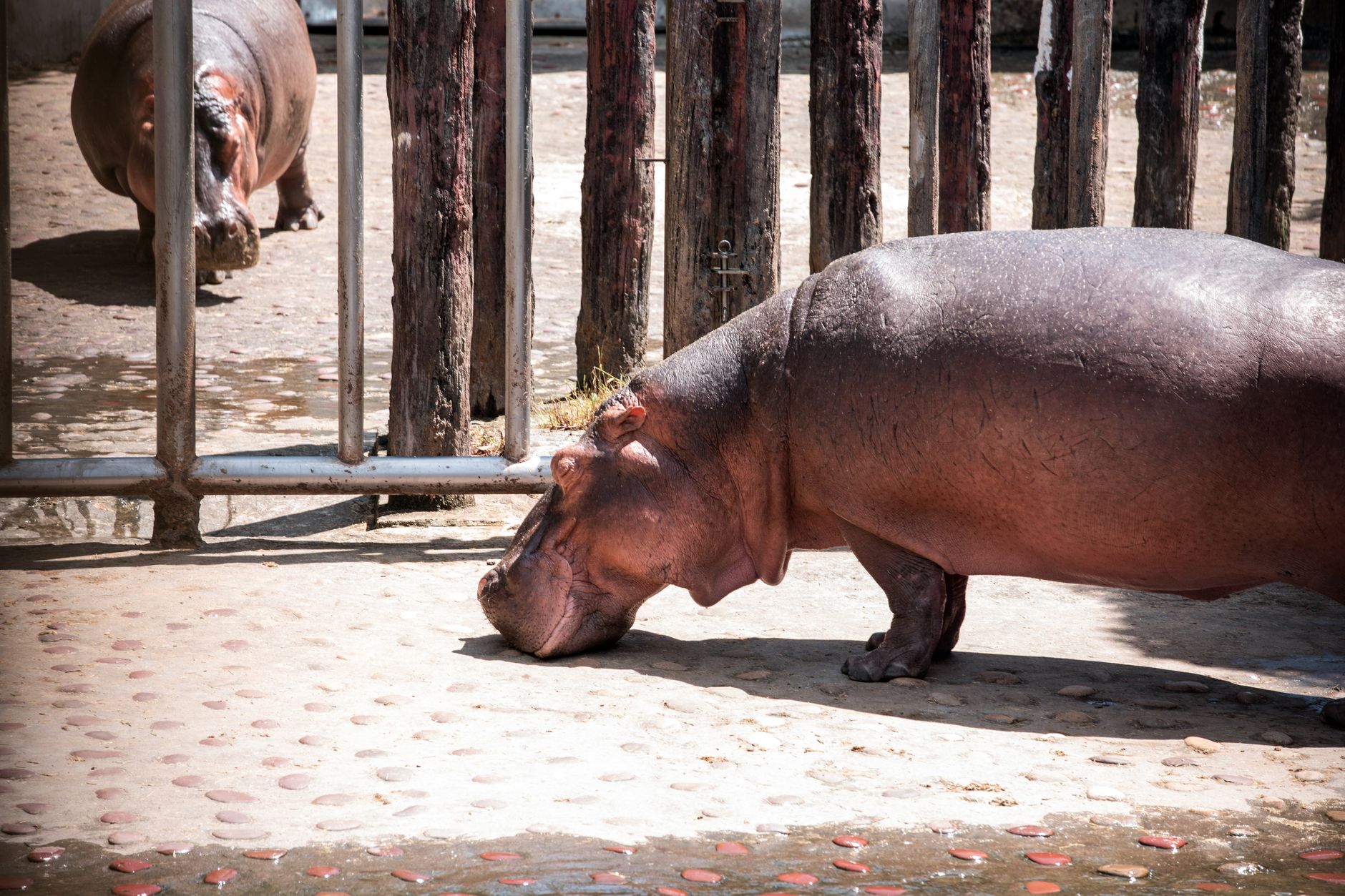
The primary reason what disturbing things do hippos do is considered disturbing is the sheer number of human deaths they cause annually. Estimates vary, but hippos are responsible for an estimated 500 human fatalities in Africa each year, exceeding even lions and crocodiles in many regions. These attacks are often territorial disputes, where humans unknowingly stray too close to a hippo’s water source or pathways.
- The vast majority of attacks occur in or near water.
- Hippos perceive boats as a threat to their territory.
- They can easily capsize small vessels with a single upward thrust.
The Brutal Nature of Territorial Defense
Male hippos are fiercely territorial, and they defend their patch of riverbank or waterhole with unrelenting aggression. Battles between males are common and can be incredibly violent, often resulting in serious injuries and even death. The use of their massive teeth as weapons results in deep lacerations and crushing blows.
- Hippo fights involve biting, tusk slashing, and headbutting.
- The winner of the fight often drives the loser away, sometimes permanently.
- These territorial battles can also spill over, threatening nearby human settlements.
Cannibalism and Infanticide: A Darker Side
Perhaps one of the most shocking aspects of what disturbing things do hippos do is the documented evidence of cannibalism and infanticide. While not fully understood, these behaviors appear to be linked to social stress, overpopulation, and competition for resources.
- Cannibalism is more frequently observed during periods of drought or food scarcity.
- Dominant males have been known to kill and even eat young hippos.
- Infanticide is often a strategy to eliminate rivals and secure mating opportunities.
The Threat of Hippopotamus Dung
The disturbing habits of hippos extend beyond direct aggression. Their fecal matter, which is deposited in enormous quantities into rivers and lakes, has a significant impact on the aquatic ecosystem.
- Hippo dung depletes oxygen levels in the water as it decomposes.
- This deoxygenation can lead to fish kills and disrupt the entire food web.
- In large concentrations, it can make the water undrinkable for both humans and animals.
Comparing Hippo Aggression to Other Dangerous Animals
| Animal | Estimated Annual Human Fatalities | Aggression Level | Primary Cause of Attacks |
|---|---|---|---|
| Hippopotamus | 500+ | High | Territorial defense, perceived threat |
| Lion | 100+ | Moderate | Hunting, territorial defense |
| Crocodile | 1000+ (estimated) | High | Hunting, territorial defense |
| Elephant | 100+ | Moderate | Territorial defense, fear |
Conservation Efforts and Human-Wildlife Conflict
Despite their aggressive tendencies, hippos play a crucial role in their ecosystems. Conservation efforts are underway to protect hippo populations, but this often puts them in direct conflict with human communities. Balancing the needs of both humans and hippos is a complex and ongoing challenge. Sustainable ecotourism and community-based conservation initiatives are vital to mitigating conflict and ensuring the long-term survival of these formidable, yet essential, creatures. Understanding what disturbing things do hippos do is crucial for effective conservation and management strategies.
Frequently Asked Questions (FAQs)
What makes hippos so dangerous to humans?
Hippos are incredibly dangerous due to a combination of factors: their immense size and strength, their aggressive territorial behavior, and their powerful jaws equipped with sharp teeth. They are easily provoked, particularly when humans encroach on their territory, and they are surprisingly quick both in and out of the water. The combination of these factors makes them a significant threat.
Are hippos more dangerous in the water or on land?
Hippos are dangerous in both environments, but attacks are more common in the water. They perceive boats as a threat and are adept at capsizing them. On land, they can charge at surprisingly high speeds, especially when they feel threatened or are protecting their young.
Why do hippos attack boats?
Hippos often view boats as a direct challenge to their territory or a threat to their young. They may attack by ramming the boat from below, capsizing it, or even biting it with their powerful jaws.
Do hippos ever attack for food?
While they may scavenge occasionally, hippos are primarily herbivores. Attacks on humans are almost always territorial or defensive and are not motivated by a desire to eat people.
What should you do if you encounter a hippo in the wild?
The best course of action is to maintain a safe distance and avoid any sudden movements or loud noises. If you are in a boat, try to slowly move away from the hippo’s territory. If you are on land, seek elevated ground or find a sturdy barrier.
How many species of hippos are there?
There are two extant species of hippos: the common hippopotamus (Hippopotamus amphibius) and the pygmy hippopotamus (Choeropsis liberiensis). The common hippopotamus is the larger and more aggressive of the two.
Are pygmy hippos as dangerous as common hippos?
Pygmy hippos are generally less aggressive and dangerous than common hippos. They are smaller and more reclusive, and they are less likely to come into conflict with humans.
What is the role of hippos in their ecosystems?
Hippos play a crucial role in maintaining the health of their ecosystems. Their grazing helps to maintain grasslands, and their dung provides nutrients to the water, supporting the aquatic food web. However, excessive dung can also have negative consequences.
What are the main threats to hippo populations?
The main threats to hippo populations include habitat loss, poaching for their ivory teeth, and human-wildlife conflict.
How can human-hippo conflict be minimized?
Human-hippo conflict can be minimized through a combination of strategies, including community education, improved water management, and sustainable ecotourism.
Are hippos protected animals?
Hippo populations are protected in many countries, but the level of protection varies. They are listed as vulnerable on the IUCN Red List, indicating that they face a high risk of extinction in the wild.
What is the average lifespan of a hippo?
Hippos typically live for 40-50 years in the wild. In captivity, they can live even longer, sometimes reaching 60 years or more.