
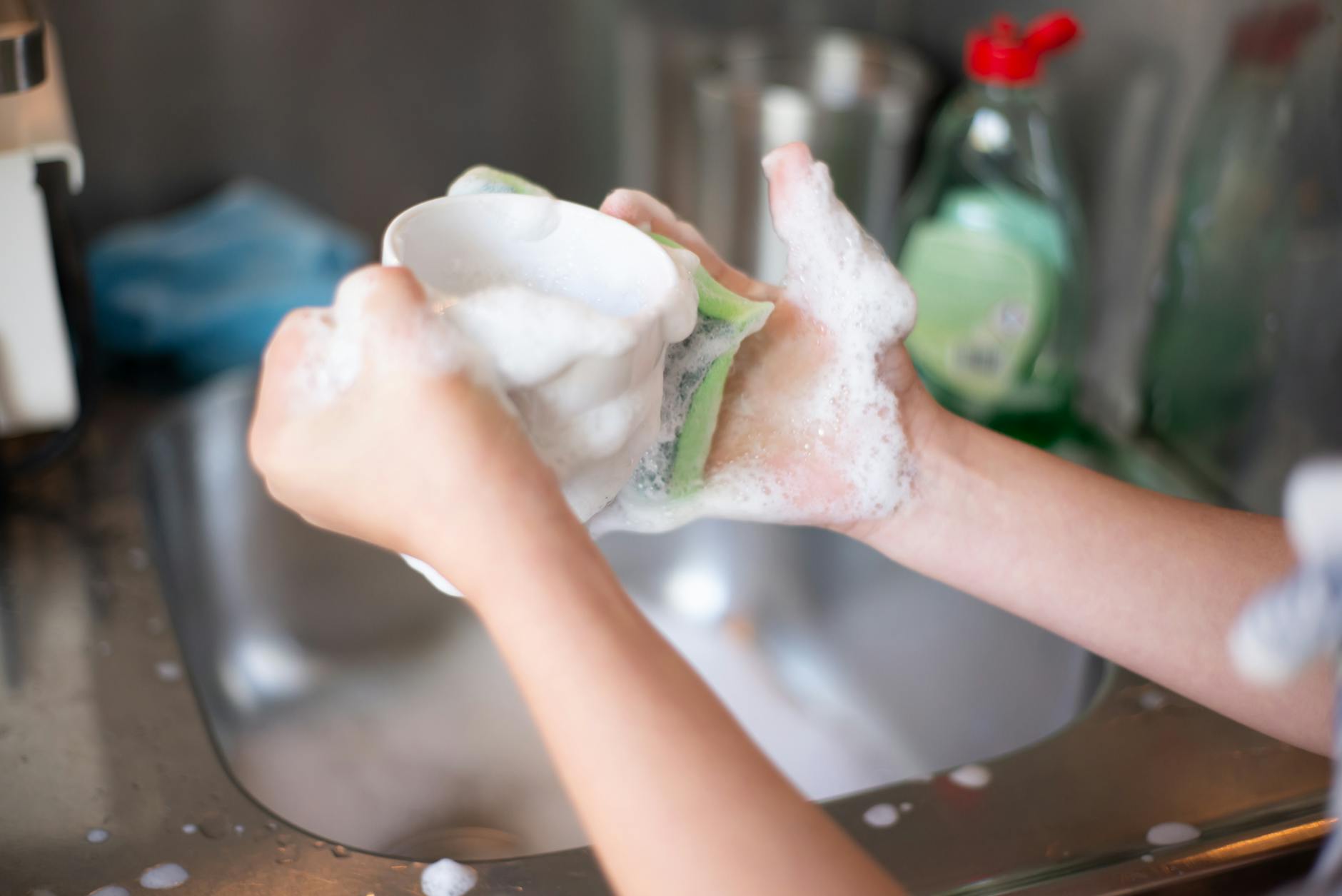
What Dish Soap Is Less Toxic? Unveiling Safer Cleaning Options
Choosing a less toxic dish soap can significantly reduce your exposure to harmful chemicals. Generally, plant-based formulas with minimal ingredients and third-party certifications like EcoLogo or EWG Verified are your safest bet.

Choosing the right dish soap can be surprisingly complex. Beyond simply getting your dishes clean, you’re making a choice about what chemicals come into contact with your food, your skin, and the wastewater system. Many conventional dish soaps contain ingredients linked to skin irritation, hormone disruption, and environmental harm. Luckily, less toxic alternatives exist, offering effective cleaning power without the potential downsides. This article delves into what dish soap is less toxic and provides guidance on making informed choices for your home and the environment.
Understanding the Toxicity of Conventional Dish Soap
Conventional dish soaps often contain a cocktail of synthetic chemicals designed to cut grease and create suds. While effective, many of these ingredients raise concerns:
- Surfactants: Chemicals that reduce surface tension, allowing water to mix with oil and dirt. Some, like sodium lauryl sulfate (SLS) and sodium laureth sulfate (SLES), can be skin irritants and have potential links to environmental concerns.
- Fragrances: Often composed of undisclosed mixtures of synthetic chemicals, fragrances are a common source of allergens and irritants. They can also contribute to indoor air pollution.
- Preservatives: Used to prevent bacterial growth, some preservatives like methylisothiazolinone (MIT) and methylchloroisothiazolinone (CMIT) are known skin sensitizers.
- Dyes: Added for aesthetic appeal, dyes offer no cleaning benefit and can be potential allergens.
- Phosphates: Previously common in dish soap, phosphates contribute to water pollution by promoting excessive algae growth, harming aquatic ecosystems. While now largely phased out, it’s still worth checking labels.
What colours are fish most attracted to?
Can you put your finger in a trout's mouth?
Is methylene blue anti bacterial?
Does aquarium salt raise pH in aquarium?
Identifying Less Toxic Dish Soap Ingredients

Knowing what dish soap is less toxic requires understanding the ingredients to look for and avoid.
- Ingredients to Look For:
- Plant-based surfactants: Examples include coco glucoside, decyl glucoside, and lauryl glucoside, derived from coconut oil, corn, or other plant sources. These are generally milder and biodegradable.
- Essential oils: Used for fragrance, essential oils offer a more natural alternative to synthetic fragrances. However, be mindful of potential allergies.
- Sodium citrate: A natural water softener and cleaning agent.
- Citric acid: A natural acid that helps remove grease and grime.
- Ingredients to Avoid:
- Synthetic fragrances: Look for “fragrance” or “parfum” on the label. These can hide dozens of potentially harmful chemicals.
- Dyes: Listed as “FD&C” or “D&C” followed by a color and number.
- Phosphates: Look for “phosphate-free” on the label.
- SLS/SLES: Sodium lauryl sulfate and sodium laureth sulfate.
- MIT/CMIT: Methylisothiazolinone and methylchloroisothiazolinone.
- Optical brighteners: These chemicals make dishes appear brighter but don’t actually clean them.
Third-Party Certifications: Your Guide to Safer Choices
Navigating ingredient lists can be daunting. Third-party certifications offer an independent verification of a product’s safety and environmental impact. When trying to determine what dish soap is less toxic, look for these certifications:
- EWG Verified: The Environmental Working Group (EWG) assesses products based on their potential health and environmental hazards. EWG Verified products meet strict criteria for ingredient safety and transparency.
- EcoLogo: This certification, now part of UL Environment, evaluates products based on their environmental impact throughout their lifecycle, from manufacturing to disposal.
- USDA Certified Biobased Product: This certification indicates the percentage of a product that is derived from renewable biological resources.
- Leaping Bunny: Ensures that a product is cruelty-free and not tested on animals.
Homemade Dish Soap: A DIY Option
For those seeking maximum control over ingredients, making your own dish soap is a viable option. While homemade recipes may not be as effective as some commercial options on heavily soiled dishes, they offer a simple and less toxic alternative for everyday use.
Here’s a basic recipe:
- 1/2 cup grated castile soap
- 1/4 cup washing soda
- 1/4 cup borax (optional – some people prefer to avoid borax)
- 10-15 drops of essential oil (optional, for fragrance)
Combine all ingredients in a bowl and mix well. Store in an airtight container. Use 1-2 tablespoons per sink of water.
Comparing Less Toxic Dish Soap Brands
The market for less toxic dish soap is growing, with several brands offering safer alternatives. Here’s a comparison of a few popular options:
| Brand | Key Features | Certifications | Price Range |
|---|---|---|---|
| Seventh Generation | Plant-based formulas, readily biodegradable, fragrance-free options | USDA Biobased, Leaping Bunny | $$ |
| Dr. Bronner’s | Multi-purpose castile soap, highly concentrated, organic ingredients | USDA Organic, Fair Trade | $$ |
| Attitude | Plant- and mineral-based formulas, hypoallergenic, EWG Verified | EWG Verified | $$$ |
| Puracy | Plant-based, hypoallergenic, concentrated formula | Leaping Bunny | $$$ |
| Branch Basics | Concentrate that can be diluted for various cleaning purposes, including dish soap | Human Choice | $$$$ |
Note: Price ranges are approximate and may vary depending on location and retailer. ($ = most affordable, $$$$ = least affordable).
Tips for Using Less Toxic Dish Soap Effectively
Switching to a less toxic dish soap may require adjusting your cleaning habits slightly. Here are some tips:
- Use hot water: Hot water helps dissolve grease and grime more effectively.
- Pre-soak heavily soiled dishes: Soaking dishes in hot, soapy water for 15-30 minutes can loosen food particles and make them easier to clean.
- Use a scrub brush or sponge: A good scrub brush or sponge can help remove stubborn food residue.
- Adjust the amount of soap: Less toxic dish soaps may not produce as much suds as conventional soaps. Start with a small amount and add more as needed.
- Rinse thoroughly: Ensure all soap residue is rinsed off dishes to avoid any lingering taste or potential irritation.
Frequently Asked Questions (FAQs)
Is fragrance-free dish soap always less toxic?
While fragrance-free dish soap eliminates potential allergens and irritants associated with synthetic fragrances, it’s important to still check the overall ingredient list. Some fragrance-free formulas may contain other concerning chemicals. Look for short, simple ingredient lists even in fragrance-free options.
Are less toxic dish soaps as effective as conventional ones?
Generally, less toxic dish soaps can be just as effective as conventional ones, but it might require a slight adjustment in usage. Pre-soaking and using hot water are essential for achieving optimal cleaning results with natural formulas. Consider boosting cleaning power by adding a little vinegar.
What is the role of enzymes in less toxic dish soap?
Some less toxic dish soaps incorporate enzymes, which are proteins that break down specific types of stains, such as food residue. Enzymes can be very effective and safe cleaning agents. Check labels for ingredients like protease (for proteins) and amylase (for starches).
How does less toxic dish soap impact the environment?
Less toxic dish soaps typically contain biodegradable ingredients, which break down more readily in the environment. This reduces the potential for water pollution and minimizes harm to aquatic ecosystems. Choosing phosphate-free options is also environmentally responsible.
Can less toxic dish soap be used in a dishwasher?
While some less toxic dish soaps are formulated for dishwashers, it’s crucial to check the product label before using it in your machine. Using the wrong type of soap can damage your dishwasher or leave residue on your dishes. Look for detergents specifically labeled for dishwasher use.
What are the potential skin benefits of using less toxic dish soap?
Using less toxic dish soap can significantly reduce skin irritation and dryness, especially for individuals with sensitive skin. The absence of harsh chemicals like SLS/SLES and synthetic fragrances helps maintain the skin’s natural moisture barrier, leading to healthier hands.
Are all “natural” dish soaps truly less toxic?
The term “natural” is not always regulated, so it’s important to read ingredient labels carefully. Some products labeled “natural” may still contain potentially harmful chemicals. Look for third-party certifications and scrutinize ingredient lists to ensure the product truly meets your standards for safety and environmental responsibility.
How do I properly dispose of empty dish soap bottles?
Always check the recycling guidelines in your local area. Most plastic dish soap bottles can be recycled. Rinse the bottle thoroughly to remove any remaining soap residue. Consider choosing brands that use recycled plastic or offer refill programs to further reduce waste.
Is it possible to be allergic to ingredients in less toxic dish soap?
Yes, it is possible, especially to essential oils. Always review the ingredients list for any known allergens. If you have sensitive skin or a history of allergies, consider doing a patch test before using a new dish soap extensively.
What’s the difference between dish soap and dish detergent?
Technically, soap is made from natural fats and oils, while detergent is made from synthetic chemicals. However, in everyday language, the terms are often used interchangeably. Focus on the ingredient list rather than the specific label terminology to determine toxicity.
How does water hardness affect the performance of less toxic dish soap?
Hard water contains minerals that can interfere with the effectiveness of some soaps and detergents. Adding a natural water softener, like washing soda or borax, can help improve cleaning performance in hard water. Some less toxic dish soaps also include chelating agents that help bind to minerals and prevent them from interfering with cleaning.
Are concentrated dish soaps a less toxic option?
Concentrated dish soaps can be a more eco-friendly option because they require less packaging and transportation. They are not necessarily less toxic, so check the ingredients list. You only need a small amount to effectively clean your dishes.