

What Damage Can Birds Cause?
Birds, while often admired for their beauty and song, can inflict significant damage across various sectors. The damage caused by birds ranges from agricultural losses and property destruction to health risks and ecological imbalances, impacting both humans and the environment.
Introduction: Birds – More Than Just Songbirds
Birds are an integral part of our ecosystems, providing crucial services such as pollination, seed dispersal, and insect control. Their presence enriches our lives, inspiring art, music, and literature. However, certain bird species, particularly when present in large numbers, can cause substantial damage, impacting various aspects of human life and the environment. Understanding the scope and nature of this damage is crucial for implementing effective mitigation strategies. What damage can birds cause? is a multifaceted question with implications for agriculture, infrastructure, public health, and ecological balance.
What colours are fish most attracted to?
Can you put your finger in a trout's mouth?
Is methylene blue anti bacterial?
Does aquarium salt raise pH in aquarium?
Agricultural Damage

Birds can be a significant pest in agricultural settings, causing considerable economic losses.
- Crop Consumption: Birds directly consume seeds, fruits, vegetables, and grains, reducing crop yields and profitability. Species like starlings, blackbirds, and pigeons are notorious for their feeding habits on cultivated land.
- Fouling: Bird droppings contaminate crops, rendering them unmarketable and posing a food safety risk. This is particularly problematic in fruit orchards and vineyards.
- Damage to Infrastructure: Birds can damage irrigation systems, netting, and other agricultural infrastructure through pecking, nesting, and roosting.
Damage to Property and Infrastructure
Beyond agriculture, birds can inflict significant damage on buildings and infrastructure.
- Structural Damage: Nests can block gutters and drainage systems, leading to water damage. Bird droppings are corrosive and can damage paint, stone, and metal surfaces.
- Fire Hazards: Nests built near electrical equipment can create fire hazards, disrupting power supply and causing property damage.
- Aviation Safety: Birds pose a serious threat to aviation safety. Bird strikes can damage aircraft engines and windscreens, potentially leading to accidents.
Health Risks
Bird droppings and nesting materials can harbor pathogens that pose health risks to humans.
- Histoplasmosis: This fungal infection is associated with bird and bat droppings and can cause respiratory illness.
- Salmonellosis: Birds can carry Salmonella bacteria, which can contaminate food and water sources, leading to gastrointestinal illness.
- Cryptococcosis: This fungal infection is associated with pigeon droppings and can cause respiratory and neurological problems, especially in immunocompromised individuals.
Ecological Imbalances
Some bird species can disrupt ecosystems, outcompeting native species and altering habitats.
- Invasive Species: Introduced bird species can displace native birds, disrupting food webs and reducing biodiversity. The European Starling is a classic example of an invasive bird that has had significant impacts on North American bird populations.
- Predation: Certain bird species can prey on endangered or vulnerable animals, further threatening their populations.
- Habitat Modification: Large populations of roosting birds can alter vegetation and soil composition, affecting the health of ecosystems.
Mitigation Strategies
Addressing the damage caused by birds requires a multi-faceted approach involving various mitigation strategies.
- Exclusion: Using netting, bird spikes, and other physical barriers to prevent birds from accessing vulnerable areas.
- Repellents: Applying chemical or visual repellents to deter birds from roosting or feeding in specific locations.
- Habitat Modification: Altering habitats to make them less attractive to pest birds. This can involve removing food sources, trimming vegetation, and modifying water sources.
- Population Control: In some cases, population control measures, such as trapping and relocation or egg destruction, may be necessary to manage bird populations.
Frequently Asked Questions (FAQs)
What are the most common bird species responsible for causing damage?
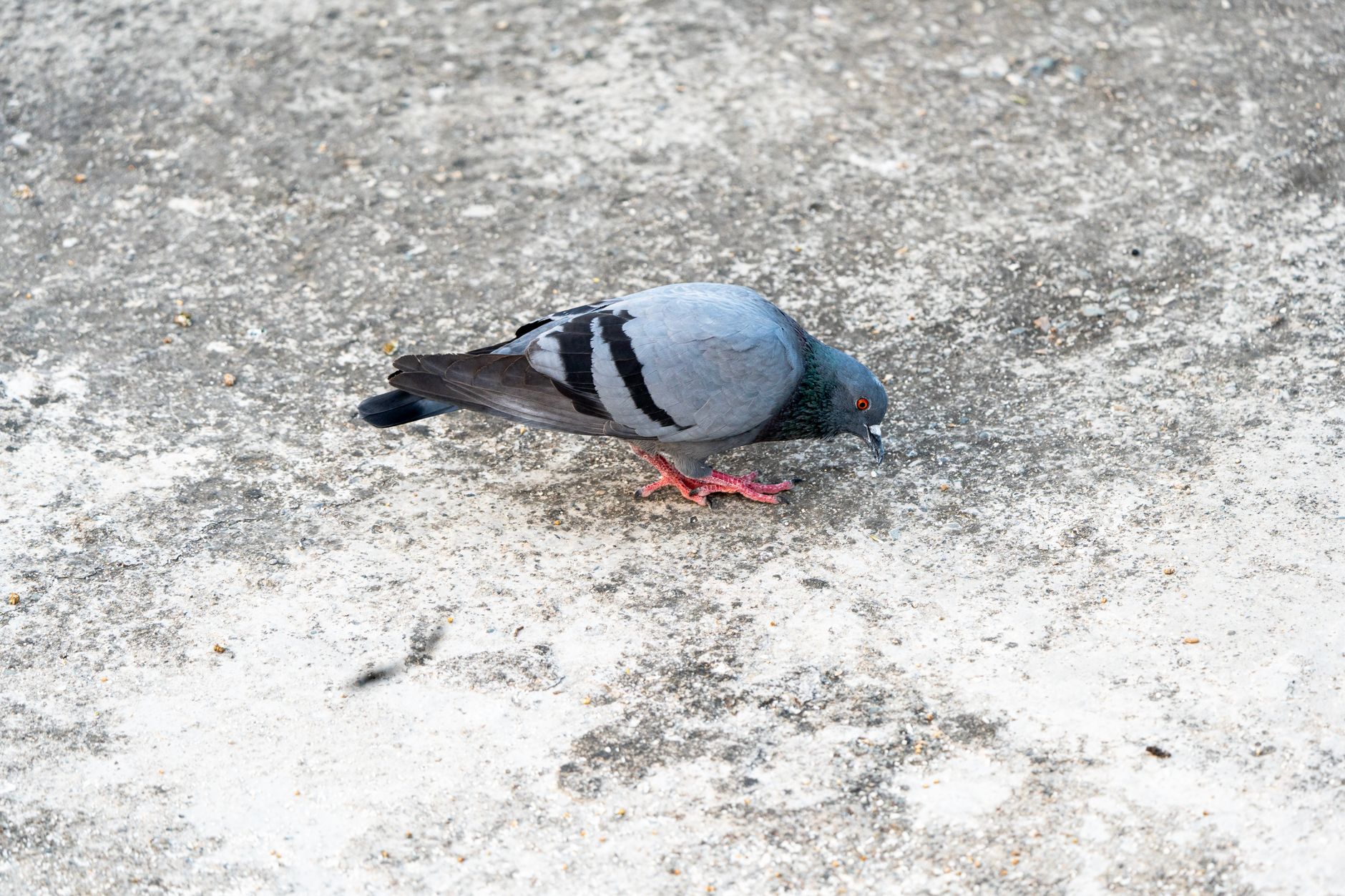
The most common bird species responsible for causing damage include pigeons, starlings, house sparrows, gulls, and blackbirds. These species are often highly adaptable to human environments and can thrive in urban and agricultural settings.
How much economic damage do birds cause annually in the United States?
Estimates suggest that birds cause billions of dollars in economic damage annually in the United States. This includes losses in agriculture, damage to infrastructure, and the costs associated with managing bird populations.
What types of crops are most vulnerable to bird damage?
Crops that are particularly vulnerable to bird damage include fruits (berries, grapes, cherries), grains (corn, wheat, rice), and vegetables (lettuce, tomatoes). The specific crops affected vary depending on the bird species present in the region.
How can bird netting be effectively used to protect crops?
Bird netting should be properly installed to completely enclose the crop, preventing birds from accessing the plants. The mesh size should be small enough to exclude the target bird species, and the netting should be securely fastened to prevent gaps or tears. Regular maintenance is essential to ensure the netting remains effective.
What are the health risks associated with bird droppings?
Bird droppings can carry various pathogens, including bacteria, fungi, and parasites. These pathogens can cause respiratory illnesses (e.g., histoplasmosis, psittacosis), gastrointestinal problems (e.g., salmonellosis), and other infections (e.g., cryptococcosis). Proper sanitation practices are essential to minimize these risks.
How can I safely clean up bird droppings?
When cleaning up bird droppings, wear protective clothing, including gloves and a mask, to avoid inhaling dust and aerosols. Wet the droppings with water or a disinfectant solution before cleaning to reduce the spread of pathogens. Dispose of the contaminated materials properly.
What are some humane methods for deterring birds from nesting on my property?
Humane methods for deterring birds include using bird spikes, netting, and visual repellents (e.g., reflective tape, scarecrows). Regular removal of nesting materials can also discourage birds from establishing nests. Avoid using sticky traps or other methods that can harm birds.
How do birds cause damage to aircraft?
Birds can cause damage to aircraft by striking the engine, windscreen, or other critical components. These strikes can impair engine function, reduce visibility, and cause structural damage, potentially leading to accidents.
What measures are taken to prevent bird strikes at airports?
Airports employ various measures to prevent bird strikes, including habitat management (e.g., grass cutting, wetland management), bird scaring techniques (e.g., using pyrotechnics, trained birds of prey), and radar systems to detect bird movements.
Are there any laws protecting birds that cause damage?
Many bird species are protected under federal and state laws, such as the Migratory Bird Treaty Act. This act prohibits the killing or harming of migratory birds without a permit. However, exceptions may be made for managing birds that pose a threat to agriculture, public health, or safety. Understanding these regulations is crucial before implementing any control measures.
What is the role of professional pest control services in managing bird problems?
Professional pest control services can provide expert advice, implement effective control strategies, and ensure compliance with relevant regulations. They can assess the specific bird problem, develop a tailored management plan, and use specialized equipment and techniques to deter or remove birds.
What are the long-term effects of bird damage on ecosystems?
The long-term effects of bird damage on ecosystems can include reduced biodiversity, altered vegetation patterns, and disruptions to food webs. Invasive bird species can outcompete native birds, leading to declines in native populations. Large roosting populations can damage vegetation and contaminate soil, affecting the health of ecosystems. Addressing the damage caused by birds is therefore crucial for maintaining ecological balance.