
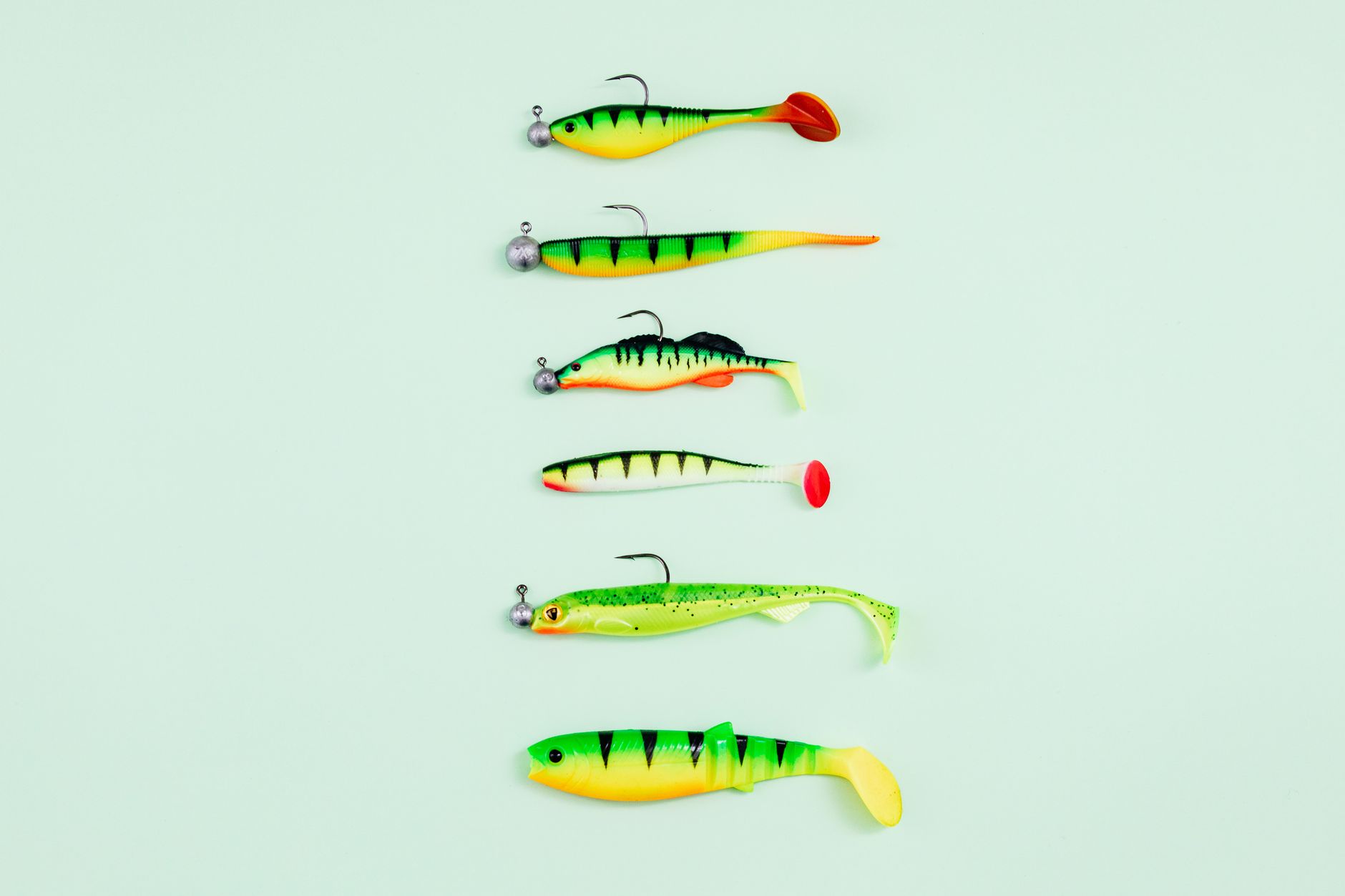
What Colors to Avoid When Fishing?
Knowing what colors to avoid when fishing can significantly improve your catch rate; generally, steer clear of colors that mimic polluted water conditions or blend seamlessly with the underwater environment, rendering your lure invisible to fish.

Introduction: The Importance of Color in Fishing
The world beneath the surface is a realm of filtered light, murky depths, and varying degrees of visibility. Choosing the right lure color is as crucial as selecting the correct bait or mastering the perfect cast. It’s a decision that hinges on understanding how fish perceive color, the clarity of the water, and the depth at which you’re fishing. Many anglers focus on the “hot” colors, but mastering what colors to avoid when fishing can be equally, if not more, important. Selecting the wrong hue can lead to a day of fruitless casting, while a well-informed choice can significantly increase your chances of landing that prized catch.

What colours are fish most attracted to?
Can you put your finger in a trout's mouth?
Is methylene blue anti bacterial?
Does aquarium salt raise pH in aquarium?
Understanding Fish Vision and Color Perception
Fish don’t see the world the same way we do. Their vision is adapted to the aquatic environment, which means they perceive color differently at various depths and water conditions. The color spectrum is absorbed at different rates as light penetrates water. Reds and oranges disappear first, followed by yellows, greens, and finally blues and violets, which penetrate deepest. Furthermore, some fish species are more sensitive to certain colors than others. Understanding this dynamic is fundamental in determining what colors to avoid when fishing.
Factors Influencing Color Selection
Several environmental factors play a critical role in determining the effectiveness of lure colors:
-
Water Clarity: Clear water allows for a broader range of colors to be effective, while murky or stained water requires brighter, more visible hues.
-
Depth: The deeper you fish, the fewer colors remain visible. This affects what colors to avoid when fishing at different depths.
-
Weather Conditions: Overcast days reduce light penetration, requiring brighter lure colors.
-
Time of Day: Dawn and dusk often necessitate different color choices than midday.
-
Local Fish Behavior: Understanding the specific feeding patterns and preferences of the fish in your target location is crucial.
What colors to avoid when fishing Based on Water Conditions
Generally, there are specific colors that perform poorly in certain conditions. Avoiding these can improve your success.
-
Murky or Stained Water: In murky water, avoid natural, muted colors like browns, olives, and subtle greens, as they tend to blend in and become practically invisible. The exception would be if the stained water is naturally dark, in which case a dark lure might be effective.
-
Clear Water: In very clear water, avoid highly fluorescent or unnatural colors that might scare away cautious fish. Overly bright greens and yellows can sometimes spook fish in pristine conditions.
-
Deep Water: Avoid reds and oranges in deep water, as they lose their vibrancy and appear gray or black.
When to Break the Rules
While general guidelines exist, fishing is inherently unpredictable. Sometimes, the fish will inexplicably strike at a color that should be ineffective based on the prevailing conditions.
-
Experimentation is Key: Don’t be afraid to try different colors, even those that seem counterintuitive.
-
Consider the Forage: Match the hatch, meaning imitate the colors of the natural prey available to the fish.
-
Turbidity Can Change Quickly: Be prepared to adapt your color selection as water conditions shift.
Improving Your Chances: Additional Tips
Beyond simply knowing what colors to avoid when fishing, here are some additional tips to enhance your lure presentation:
-
Contrast Matters: Consider using lures with contrasting colors to increase visibility.
-
Add Flash: Incorporate lures with reflective surfaces or spinners to attract attention.
-
Match the Hatch: As mentioned previously, try to mimic the colors of the local forage.
-
Keep Your Lures Clean: A clean lure reflects light better and is more appealing to fish.
Table: Color Guide for Different Water Conditions
| Water Clarity | Best Colors | Colors to Avoid (Generally) |
|---|---|---|
| Clear | Natural greens, browns, blues, silvers, whites | Overly bright or fluorescent colors, especially in highly pressured waters. |
| Murky | Chartreuse, firetiger, oranges, reds (in shallower stained water), blacks, whites | Natural, muted greens, browns, olives, unless specifically matching very dark stained water. |
| Deep | Blues, purples, blacks, glow-in-the-dark | Reds, oranges, yellows (They lose their color quickly with depth). |
Bullet Point Summary of Colors to Avoid
Here’s a quick recap of colors best avoided in specific conditions:
- Murky Water: Muted browns, dull greens, olive colors, unless mimicking very dark natural water.
- Clear Water: Overly bright or fluorescent colors, especially in pressured waters.
- Deep Water: Reds, oranges, and yellows.
- Polluted water/toxic algae bloom: Avoid colors that naturally appear in toxic waters, such as bright green or murky brown.
Frequently Asked Questions
What is the single worst color to use when fishing in all conditions?
While no single color is universally bad, extremely bright, unnatural fluorescent colors in exceptionally clear, heavily fished waters are often considered the least effective. Fish can be easily spooked by artificial hues in these conditions.
Why do red lures sometimes work in clear water, even though red disappears quickly with depth?
In shallow, clear water, red can effectively mimic injured baitfish or crustaceans, triggering a predatory response. Additionally, red is often perceived as a dark color by fish and can provide good contrast in certain lighting. It can be effective for species that are sight feeders.
Does the color of the fishing line matter?
Yes, the color of the fishing line can impact your success. In clear water, use fluorocarbon line, which is nearly invisible underwater. In murky water, the color is less critical, but high-visibility lines can help you detect subtle strikes.
How important is it to match the hatch with lure colors?
Matching the hatch is extremely important, particularly in clear water conditions and heavily fished areas. If the fish are primarily feeding on a specific type of baitfish or insect, using a lure that closely resembles its color, size, and shape can drastically improve your chances of success.
What role does UV light play in lure color visibility?
Some lures are treated with UV-reflective coatings, which make them more visible to fish, especially in low-light conditions or murky water. Fish can often see UV light better than humans, making these lures more attractive. However, some studies suggest that over-use of UV reflective lures can cause fish to spook more easily.
How can I determine the water clarity before selecting a lure color?
A simple method is to lower a white object into the water and note the depth at which it becomes invisible. This provides a rough estimate of visibility and helps you choose appropriate lure colors. There are more sophisticated tools, such as turbidity meters, but the white object method is often sufficient.
Are there specific colors that are better for targeting specific species of fish?
Yes, certain species show a preference for particular colors. For example, bass are often attracted to green pumpkin, bluegill to small brightly colored jigs, and trout to natural browns and greens. Researching the preferences of your target species can be beneficial.
Why do some lures have multiple colors?
Lures with multiple colors can be effective because they offer greater visibility and contrast, mimicking the appearance of natural prey and triggering different predatory instincts. It also gives a more natural look to the lure.
Is it ever beneficial to use a black lure?
Absolutely! Black lures can create a strong silhouette in murky water or low-light conditions, making them easily visible to fish. Black is also effective at night, particularly when surface fishing.
How often should I change my lure color while fishing?
Change your lure color frequently, especially if you are not getting any strikes. Experiment until you find a color that elicits a response from the fish. A good rule of thumb is to change every 20-30 minutes if you’re not getting any action.
What is the difference between “match the hatch” and “go bright?”
“Match the hatch” refers to mimicking the natural food source’s color and size present in the water. “Go bright” means choosing lures with vibrant, highly visible colors like chartreuse or firetiger, especially in murky water where visibility is limited.
Can fishing lure color be a psychological effect that mainly impacts the fisherman?
While it’s true that confidence in a lure can influence an angler’s fishing technique, the impact of lure color on fish behavior is well-documented. Fish do perceive color (though differently from humans), and certain colors can trigger feeding responses or act as deterrents based on environmental conditions and species-specific preferences. It’s a combination of both—the color needs to work, and you need to believe in it.