
What Colors Do Fish Prefer?
While it’s not a simple answer, generally, fish perceive color differently based on their environment and species, with bright, contrasting colors often proving more effective for attracting fish, particularly in murky water, but natural, muted tones being preferable in clear waters.
Understanding Fish Vision: A Colorful World
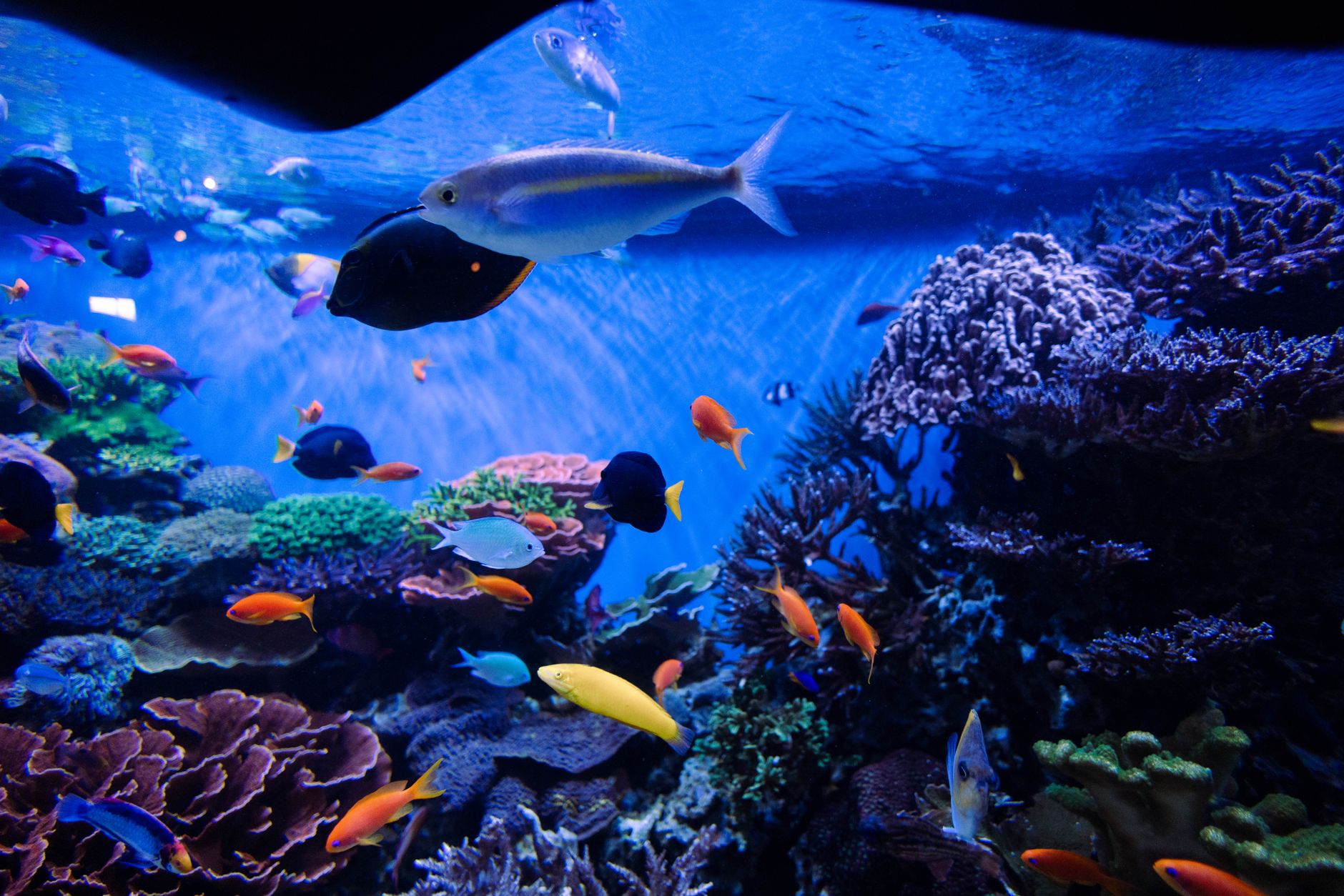
To truly answer the question, What colors do fish prefer?, we must first understand how fish see the world. Fish vision is significantly different from human vision, influenced by factors like water clarity, depth, and the specific species’ adaptation to its environment. What appears vibrant to us might appear dull or even invisible to a fish.

Are fish heads good for the garden?
Can fish hear water?
What is cotton rot in fish?
What colours are fish most attracted to?
Factors Influencing Color Perception in Fish

Several elements influence how fish perceive color:
- Water Clarity: Clear water allows for a broader spectrum of light to penetrate, making colors appear more vibrant. Murky or stained water filters out certain wavelengths, impacting color visibility.
- Depth: As depth increases, light penetration decreases, with red and orange wavelengths being absorbed first. Deeper waters tend to appear blue or green.
- Species: Different fish species have different types of photoreceptor cells in their eyes, determining their sensitivity to various colors. Some species excel at detecting ultraviolet light, while others are more attuned to red or green hues.
Color Preferences Based on Fish Type and Environment
The preference for certain colors varies depending on the species of fish you’re targeting and the environment where they live.
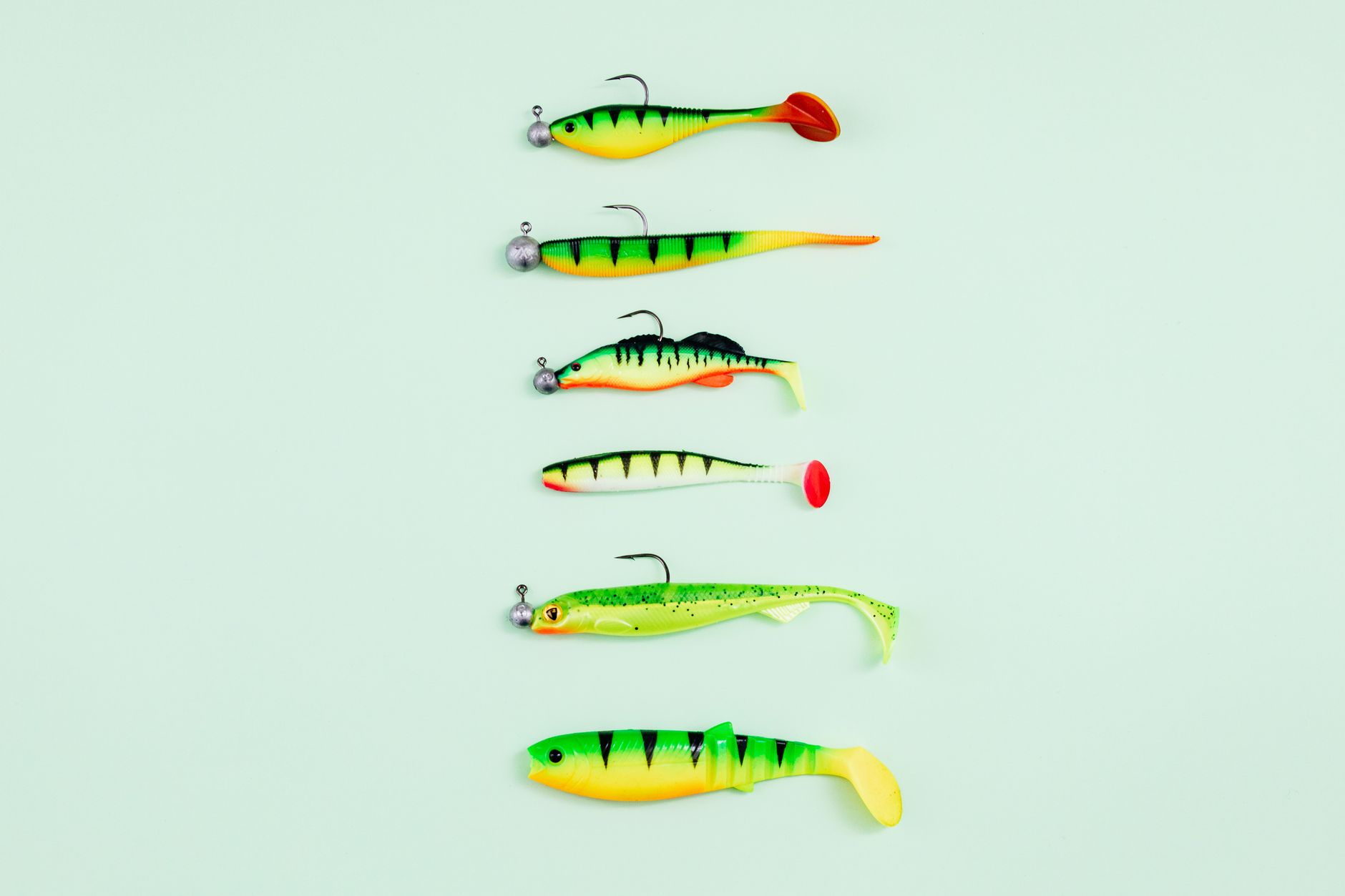
- Predatory Fish: These fish often respond well to bright, contrasting colors that mimic injured or distressed prey. Colors like chartreuse, firetiger, and orange can be highly effective.
- Clear Water Fish: In clear waters, natural colors and patterns tend to be more successful. These colors blend seamlessly with the environment, making lures appear more realistic. Shades of green, brown, and silver are often good choices.
- Murky Water Fish: In murky or stained waters, visibility is key. Use lures with bright colors, such as chartreuse, pink, or white, to increase their visibility and attract fish from a distance.
- Deep Water Fish: Because red light is absorbed at depth, colors that contrast with the prevalent blue light work well. Blue and Green lures in dark environments provide visibility and contrast.
The Role of Lure Color in Fishing Success
Choosing the right lure color is crucial for successful fishing. Consider the following when selecting your lure color:
- Water Clarity: Match the lure color to the water clarity. Bright colors for murky water, natural colors for clear water.
- Light Conditions: On sunny days, use lures with reflective finishes. On cloudy days, use lures with matte finishes.
- Target Species: Research the color preferences of the fish you’re targeting.
- Consider UV: Some lures utilize UV properties to be easily seen by many fish species.
Common Mistakes When Choosing Lure Colors
Fishermen often make mistakes when selecting lure colors:
- Overreliance on Bright Colors: Bright colors aren’t always the best choice, especially in clear water.
- Ignoring Water Clarity: Not adjusting lure color to water clarity is a frequent error.
- Neglecting Light Conditions: Failing to consider light levels impacts lure effectiveness.
- Ignoring Bait Fish: Failing to match the hatch and the color of local baitfish.
| Water Clarity | Ideal Lure Colors |
|---|---|
| Clear | Natural greens, browns, silvers, subtle patterns |
| Murky | Chartreuse, orange, pink, white, contrasting colors |
| Stained | Similar to murky, consider darker shades |
| Deep Water | Blue, green, glow-in-the-dark |
Factors Beyond Color: Size, Shape, and Action
While color is important, it’s just one piece of the puzzle. The size, shape, and action of your lure also play a crucial role in attracting fish. Presenting the lure in a way that mimics natural prey movement can be just as, if not more, important than color.
Frequently Asked Questions (FAQs)
What are the best colors for bass fishing?
For bass fishing, it depends on the water clarity. In clear water, greens, browns, and natural patterns work well. In murky water, chartreuse, black/blue combinations, and other bright colors are effective for visibility.
Do fish see red?
Many fish species can see red, but the depth at which red light penetrates the water is limited. Red lures can be effective in shallow water or when targeting species known to respond well to red, but it fades to grey at deeper depths.
What color is best for night fishing?
For night fishing, lures with glow-in-the-dark or phosphorescent properties are highly effective. These lures emit light, making them visible to fish in the dark. Black also creates a strong silhouette against the night sky.
What role does UV play in lure color?
UV light penetrates water deeper than visible light, meaning some fish have adapted to see UV light. Lures that reflect UV light can be highly visible to fish, even in murky water or at greater depths.
Is lure color more important than lure size?
The relative importance of lure color and size depends on the specific situation. Matching the size of the local baitfish is often more crucial than color, but in murky water, a bright color can make a big difference, regardless of size.
Do different fish species have different color preferences?
Yes, absolutely. Different fish species have varying visual capabilities and preferences. Researching the specific color preferences of your target species is essential for successful fishing.
Does water temperature affect how fish see colors?
While water temperature doesn’t directly affect color perception, it influences fish activity levels and metabolism. Warmer water typically leads to more active fish and increased feeding behavior, meaning they may be more likely to strike at a wider range of colors.
How do I choose the right lure color on a cloudy day?
On cloudy days, the light penetration is reduced, so slightly brighter colors than you would use on a sunny day can be effective. Chartreuse, white, and lighter shades of green are often good choices.
Can fish distinguish between different shades of the same color?
Yes, to some extent. Fish can differentiate between shades of colors. Subtle variations in tone can make a difference, especially in clear water where fish have a clearer view of the lure.
How does depth affect color choice?
As depth increases, red and orange wavelengths are absorbed first, followed by yellow. Deeper water appears predominantly blue or green. Therefore, lures that contrast with these colors, such as blue or green themselves, or those that utilize glow-in-the-dark properties, are often more effective at depth.
What color lures are best for trout?
Trout are often attracted to natural colors that mimic their prey, such as insects and small fish. Brown, green, and silver are good choices for trout fishing, and matching the hatch is very effective.
What is the “match the hatch” principle in fishing?
The “match the hatch” principle refers to the practice of using lures that closely resemble the natural prey that the fish are currently feeding on. This includes matching the size, shape, and color of the prey. By presenting a lure that looks just like what the fish are already eating, you significantly increase your chances of getting a strike. Understanding what colors do fish prefer at a given location requires consideration of this vital concept.