

What Color Is a Mythical Unicorn?
The color of a mythical unicorn is more varied than commonly believed, with depictions ranging from the classic pristine white to silver, grey, and even golden hues, influenced by cultural interpretations, literary descriptions, and artistic license. This article explores the fascinating spectrum of unicorn colors in mythology and art.
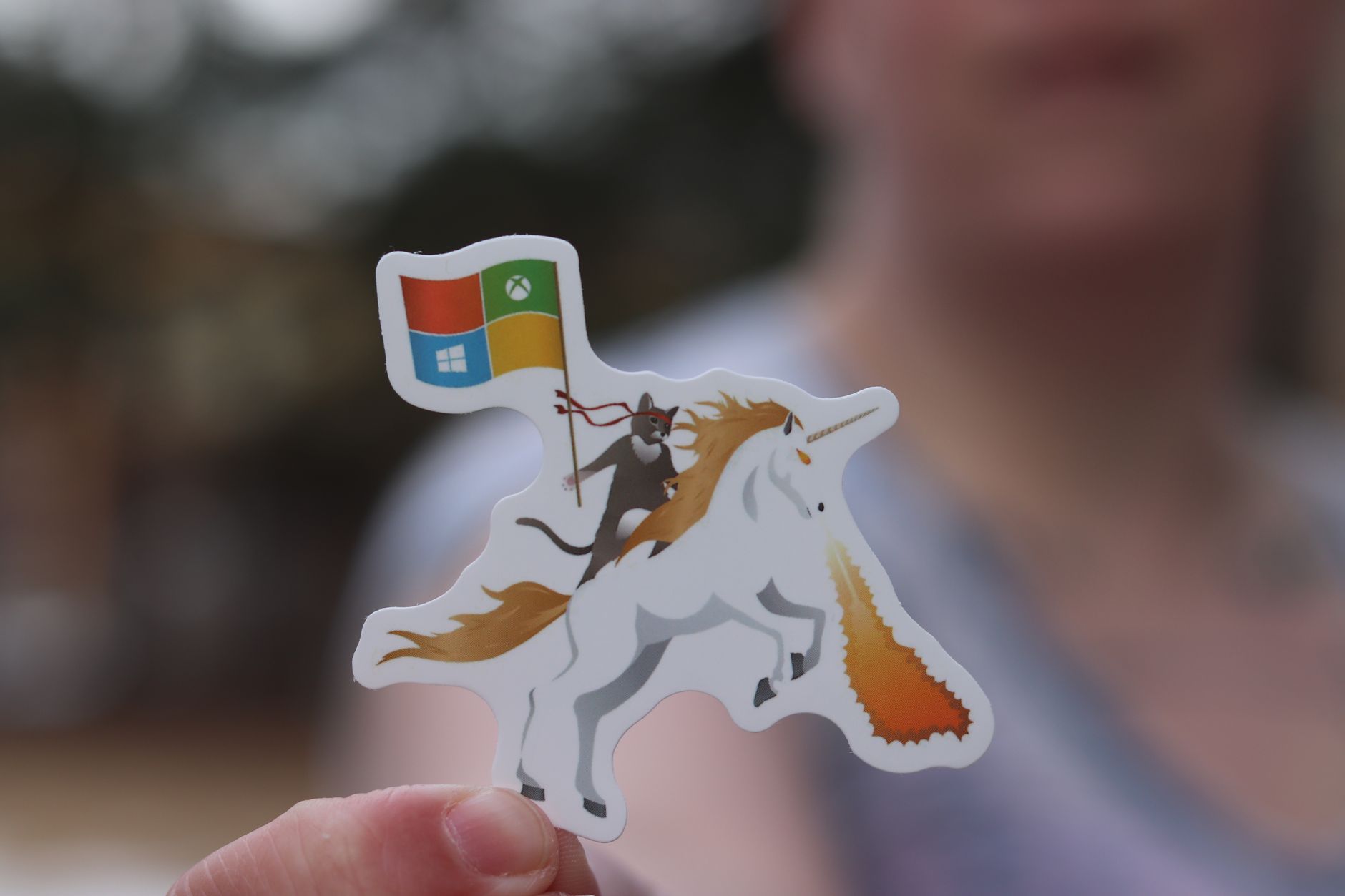
A Journey Through Unicorn Lore
The unicorn, a creature steeped in myth and legend, holds a place of enduring fascination in human culture. Its iconic image, often portrayed as a majestic white horse with a spiraling horn, has evolved through centuries of storytelling, artistic representations, and shifting cultural interpretations. What color is a mythical unicorn? While often associated with pure white, the reality is far more nuanced. Understanding this requires exploring the historical and artistic context that shapes our perception of this mythical beast.

What colours are fish most attracted to?
Can you put your finger in a trout's mouth?
Is methylene blue anti bacterial?
Does aquarium salt raise pH in aquarium?
The Classical and Medieval Unicorn

The earliest accounts of unicorns, dating back to ancient Greece and Rome, depicted them as fierce creatures, more akin to wild asses with a single, often dark-colored horn. These early descriptions rarely focused on the color of the unicorn’s coat, prioritizing instead its strength and untamability.
It was in the medieval period that the unicorn began to transform into the graceful and virtuous being we recognize today. The association with purity and grace led to the increasing portrayal of unicorns with a pristine white coat. This symbolism was further reinforced by Christian allegories, where the unicorn’s horn was likened to Christ’s cross, and its capture represented the Incarnation. The color white, representing innocence and divine grace, became inextricably linked to the unicorn’s image.
Unicorns in Art and Literature
The artistic and literary representations of unicorns have greatly influenced their perceived coloration. In tapestries, illuminated manuscripts, and paintings, unicorns are overwhelmingly depicted as white. This is not simply a reflection of their symbolic purity but also a practical consideration for artists. White paint was readily available and offered a strong contrast against the often-dark backgrounds used in medieval and Renaissance art.
However, variations exist. Silver unicorns, often depicted with silvery manes and tails, also appear in folklore, representing moon magic and intuitive abilities. Similarly, grey unicorns, representing wisdom and experience, can be found in some modern fantasy literature.
Beyond White: A Spectrum of Possibilities
While white remains the dominant color associated with unicorns, it’s crucial to remember that mythology is inherently fluid and subject to interpretation. There is no single, definitive answer to the question, What color is a mythical unicorn?
Consider these possibilities:
- Golden Unicorns: Representing solar energy, prosperity, and power, often depicted in alchemical texts.
- Black Unicorns: Rare but sometimes seen in darker interpretations of the myth, representing hidden knowledge or inner strength. They challenge the typical association of unicorns with innocence.
- Rainbow Unicorns: A more modern invention, often associated with fantasy and imagination, incorporating a multitude of colors.
- Color-Shifting Unicorns: In some modern fantasy settings, unicorns can shift colors based on their mood or magical abilities, adding another layer of complexity.
Cultural Variations and Modern Interpretations
Different cultures have different takes on the unicorn. While European traditions heavily emphasize white, other cultures may associate unicorns with different colors.
| Culture | Typical Color Association | Reason |
|---|---|---|
| European | White | Purity, grace, Christian symbolism |
| Asian (e.g. Qilin) | Multi-colored/Grey | Connected to the elements, good omen |
| Modern Fantasy | Any Color | Creative license, diverse magical attributes |
The Enduring Appeal of the Unicorn
The unicorn’s enduring appeal lies, in part, in its adaptability. The fact that what color is a mythical unicorn is not fixed in stone allows for continuous reinvention and reimagining. The unicorn can be a symbol of purity, power, mystery, or magic, depending on the individual interpretation.
Frequently Asked Questions (FAQs)
What is the most common color associated with unicorns?
The most common and widely recognized color associated with unicorns is undoubtedly white. This stems from its association with purity, innocence, and grace in medieval Christian symbolism and art.
Do unicorns always have white horns?
No, while white horns are frequently depicted, unicorns can have horns of various colors. Ivory, silver, gold, and even black horns have been described in different myths and stories. The color of the horn often reflects the unicorn’s overall magical properties or the element it is associated with.
Are there any historical accounts of non-white unicorns?
Yes, some older accounts, especially those predating the medieval period, describe unicorns that were not white. These unicorns were often depicted as wild and untamed creatures, and their color was less important than their overall power.
What is the significance of a silver unicorn?
Silver unicorns are often associated with moon magic, intuition, and psychic abilities. They represent a more ethereal and mysterious aspect of the unicorn myth.
Can a unicorn be any color of the rainbow?
While less traditional, rainbow-colored unicorns have become popular in modern fantasy and children’s literature. They often symbolize joy, imagination, and the limitless possibilities of magic.
What does a black unicorn symbolize?
Black unicorns challenge the typical association of unicorns with purity and innocence. They can symbolize hidden knowledge, inner strength, or a connection to the darker aspects of magic.
Is there a definitive answer to “What color is a mythical unicorn?”
No. The color of a mythical unicorn is ultimately a matter of interpretation and depends on the specific myth, story, or artistic representation. While white is the most common, the possibilities are endless.
How has Christianity influenced the color of the unicorn?
Christian symbolism greatly contributed to the association of unicorns with the color white. The unicorn’s horn was likened to Christ’s cross, and the animal itself became a symbol of purity, grace, and the Incarnation.
Do different types of unicorns have different colors?
In some fantasy settings, different types of unicorns may have distinct colors associated with their species or magical abilities. This is more common in modern fiction than in traditional mythology.
What is the Qilin, and how does it relate to the unicorn?
The Qilin is a creature from East Asian mythology often translated as “unicorn” due to its horned appearance and association with good fortune. However, the Qilin is typically depicted with a more dragon-like or deer-like body and is often multi-colored or grey.
Why is the unicorn so often depicted in art as white?
White paint was readily available and offered a strong visual contrast in many forms of historical art. Further, it strengthened the symbolic associations with purity. This contributed to establishing that what color is a mythical unicorn is most often white.
Are there any real-world animals that resemble unicorns in color or appearance?
While there are no real-world unicorns, certain animals like white horses, white deer, and narwhals (with their single tusk) may have inspired or contributed to the development of the unicorn myth. The alluring white of these creatures further fuels the popular imagination and connections to unicorns.