

What Color Do Birds Hate? Unveiling Avian Aversions
The answer, while nuanced, points strongly towards blue as a color birds generally avoid, particularly in contexts associated with danger or manipulation, but the real answer is based on contextual and situational cues more than just the color itself.

Introduction: Beyond the Bird Feeder – Understanding Avian Vision and Behavior
Birds, with their exceptional vision, perceive the world quite differently than humans. Understanding how they see color, and how that perception influences their behavior, is crucial to answering the question: what color do birds hate? This article delves into the fascinating world of avian color vision, exploring the complex interplay of light, perception, and behavioral responses that ultimately dictate their preferences and aversions. We’ll examine the scientific basis for bird’s color preferences, exploring why certain colors might trigger avoidance behavior while others attract them.

What colours are fish most attracted to?
Can you put your finger in a trout's mouth?
Is methylene blue anti bacterial?
Does aquarium salt raise pH in aquarium?
The Science of Avian Color Vision
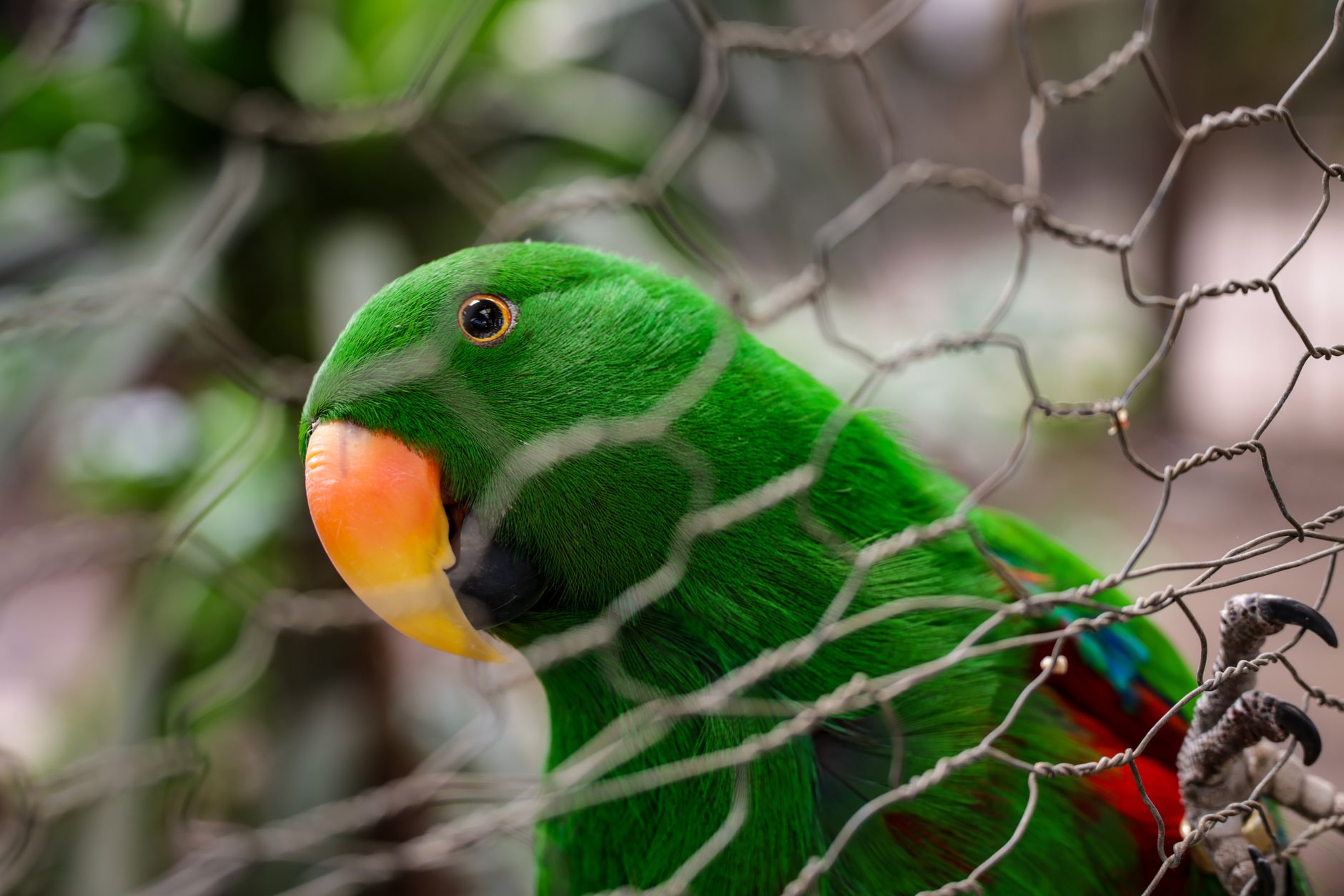
Birds possess tetrachromatic vision, meaning they have four types of cone cells in their eyes, compared to our three (trichromatic). This allows them to perceive a wider range of colors, including ultraviolet (UV) light, which is invisible to humans. The colors birds see are much richer and more nuanced than what we experience. Factors affecting how birds perceive color include:
- Light Source: The spectral composition of the light source dramatically affects color perception.
- Background Contrast: A color’s visibility and impact depend on the surrounding environment.
- Individual Variation: Just like humans, birds may have slight variations in their color perception capabilities.
Decoding Avian Aversion: More Than Just Color
While the initial question focuses on color, it’s important to remember that birds often associate color with specific experiences and stimuli. They don’t “hate” colors in the same way humans dislike certain tastes. Instead, they learn to avoid colors that are consistently linked to negative outcomes, such as danger, unpalatable food, or deceptive environments. For example, while blue is often cited as a deterrent, this is often because humans use blue dyes to make bird food taste nasty, or blue nets to catch birds. In that situation, the blue is associated with something nasty.
The Role of Color in Bird Behavior
Color plays a vital role in various aspects of bird behavior, including:
- Mate Selection: Bright and vibrant plumage is often a sign of health and genetic fitness.
- Foraging: Birds use color to identify ripe fruits, nectar-rich flowers, and palatable insects.
- Predator Avoidance: Some birds have evolved camouflage that blends seamlessly with their surroundings.
- Navigation: Birds use visual landmarks and the polarization of light to navigate during migration.
Why Blue Gets a Bad Rap: Context is Key
The notion that birds “hate” blue often stems from observations related to:
- Pest Control: Blue bird netting or deterrents are used to protect crops from birds. The birds learn to associate blue with a potential trap or negative experience.
- Food Aversion: Some studies suggest birds are more likely to avoid food dyed blue, but this is often due to the association with bitter or unpalatable substances rather than the color itself.
- Mimicry: If an unpalatable insect is colored blue, the bird might generalize that aversion to other objects of a similar color.
Is There A Universal Bird-Hated Color?
The short answer is no. While blue often surfaces as a potential candidate, there is no single color that all birds universally “hate.” A bird’s reaction to a color depends heavily on its species, individual experiences, and the context in which the color is presented. What one bird avoids, another might be attracted to, depending on its learned associations and evolutionary adaptations.
Practical Applications: Leveraging Color in Bird Management
Understanding avian color preferences can be useful in various applications:
- Bird Deterrents: Use colors that birds associate with danger (like blue in certain contexts) to keep them away from sensitive areas.
- Attracting Birds: Employ colors that attract birds to bird feeders or gardens. This often includes bright red, yellow, or orange.
- Wildlife Photography: Use colors strategically to attract birds and capture stunning images.
Frequently Asked Questions (FAQs)
What is tetrachromatic vision and how does it relate to how birds see colors?
Tetrachromatic vision means birds have four types of cone cells in their eyes, allowing them to perceive a wider range of colors than humans, including ultraviolet light. This richer color perception influences their behavior, foraging, and mate selection.
Do all birds see colors the same way?
No, there is variation in color vision among different bird species. Factors such as diet, habitat, and evolutionary history influence their specific color sensitivities and preferences.
Why is blue often associated with bird aversion?
Blue is frequently used in bird deterrents and netting, so birds often learn to associate it with negative experiences, such as being trapped or encountering unpalatable substances. It’s the association, not necessarily the color itself, that drives the aversion.
Are there any colors that universally attract birds?
There isn’t one single color that universally attracts all birds, but bright reds, yellows, and oranges are often associated with nectar-rich flowers and ripe fruits, making them attractive to many species.
How does UV vision impact bird behavior?
UV vision allows birds to see patterns and markings that are invisible to humans, such as the UV patterns on flowers that guide them to nectar, or the UV markings on rodent trails that help raptors find prey.
Can birds be tricked by color?
Yes, birds can be tricked by color mimicry or deception. For example, a harmless insect that mimics the colors of a poisonous species might be avoided by birds.
Does the environment affect how birds perceive colors?
Absolutely. The background context, lighting conditions, and surrounding colors significantly influence how a bird perceives and responds to a particular color. A color that stands out against one background might be completely camouflaged against another.
How do birds use color in mate selection?
Many bird species use color as a signal of health and genetic fitness during mate selection. Bright, vibrant plumage often indicates a strong immune system and good overall condition.
What can I do to attract more birds to my garden?
To attract birds, plant a variety of flowering plants and shrubs that offer a range of colors and food sources, especially bright reds, yellows, and oranges.
Do birds learn to associate colors with specific rewards or punishments?
Yes, birds are highly intelligent and can quickly learn to associate colors with positive or negative experiences. This learned association can influence their foraging behavior, predator avoidance, and other aspects of their life.
What are the ethical considerations when using color to deter birds?
It’s crucial to use bird deterrents responsibly and ethically. Avoid causing harm to birds and prioritize humane methods that discourage them without causing injury or distress.
If not color alone, what are the best ways to deter birds from an area?
Effective bird deterrents often combine multiple strategies: visual cues (sometimes including blue, but depending on context), auditory deterrents (sounds that scare them away), physical barriers (netting), and addressing the underlying reason they are present (removing food sources or nesting sites). A multi-faceted approach is generally the most successful and humane.