
What Cleaner Kills Giardia in Dogs?
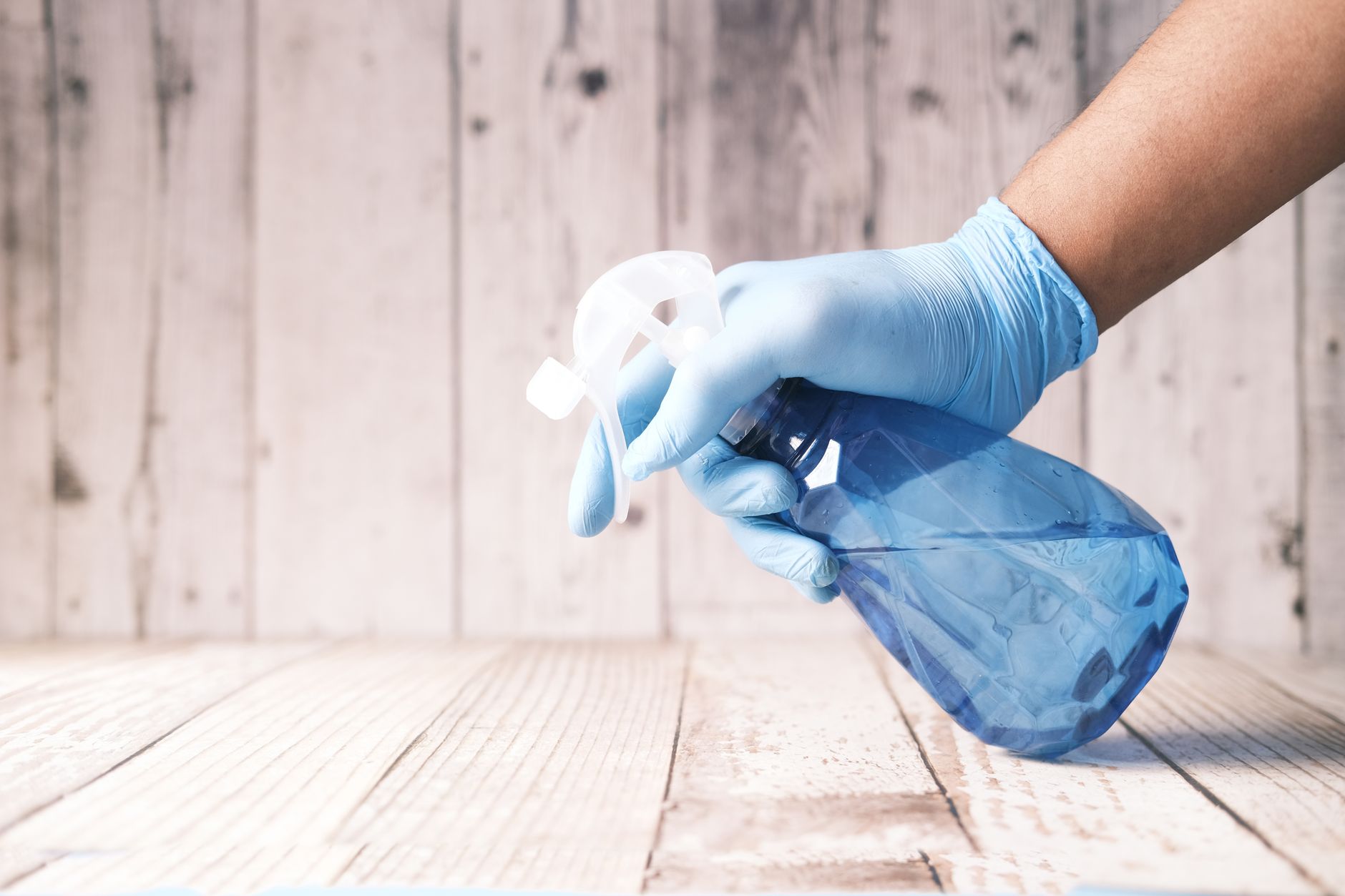
The most effective cleaner to kill Giardia cysts in environments frequented by dogs is a disinfectant containing quaternary ammonium compounds or a diluted bleach solution. Using these properly is crucial for preventing reinfection.
Understanding Giardia and its Impact on Dogs
Giardia is a single-celled parasite that infects the intestinal tract of mammals, including dogs. It causes giardiasis, an illness characterized by diarrhea, vomiting, weight loss, and dehydration. Dogs become infected by ingesting Giardia cysts, which are shed in the feces of infected animals. These cysts can survive in the environment for weeks or even months, especially in cool, damp conditions. Effective sanitation is vital to controlling the spread of Giardia. Cleaning and disinfecting the environment is crucial for preventing reinfection and protecting other animals.

What colours are fish most attracted to?
Can you put your finger in a trout's mouth?
Is methylene blue anti bacterial?
Does aquarium salt raise pH in aquarium?
The Challenge of Killing Giardia Cysts
Giardia cysts are remarkably resistant to many common household cleaners. Their protective outer shell makes them difficult to penetrate. Therefore, standard cleaning with soap and water is usually insufficient. Specific disinfectants with demonstrated Giardia-killing efficacy are needed. The efficacy of any disinfectant also depends on proper contact time, concentration, and application.
Effective Disinfectants for Giardia
Several types of disinfectants can effectively kill Giardia cysts if used correctly:
- Quaternary Ammonium Compounds (Quats): Many commercially available disinfectants contain quats. Look for products specifically labeled as effective against Giardia. These are often used in veterinary clinics and kennels.
- Bleach (Sodium Hypochlorite): A diluted bleach solution is a powerful disinfectant. A concentration of 1 part bleach to 32 parts water (approximately ½ cup of bleach per gallon of water) is generally recommended. Always use caution when handling bleach and avoid contact with skin and eyes. Ensure the area is well-ventilated. Bleach can discolor or damage certain surfaces.
- Steam Cleaning: While not a disinfectant itself, steam cleaning can help kill Giardia cysts by exposing them to high temperatures. This method is best used in conjunction with other disinfectants for thorough cleaning.
Proper Cleaning Protocol to Eliminate Giardia
Effective Giardia control requires a multi-step approach:
- Remove Solid Waste: Thoroughly remove all fecal matter from the affected area. Use disposable gloves and bags.
- Clean the Surface: Wash the area with soap and water to remove any visible debris. This allows the disinfectant to work more effectively.
- Disinfect the Area: Apply the chosen disinfectant according to the manufacturer’s instructions. Pay close attention to the required contact time.
- Rinse (If Necessary): Some disinfectants require rinsing after the contact time. Follow the product label.
- Dry the Area: Allow the area to air dry completely. Giardia thrives in moist environments.
- Dispose of Waste Properly: Seal all waste in plastic bags and dispose of them in a covered trash can.
- Personal Hygiene: Wash your hands thoroughly with soap and water after cleaning.
Precautions and Safety Measures
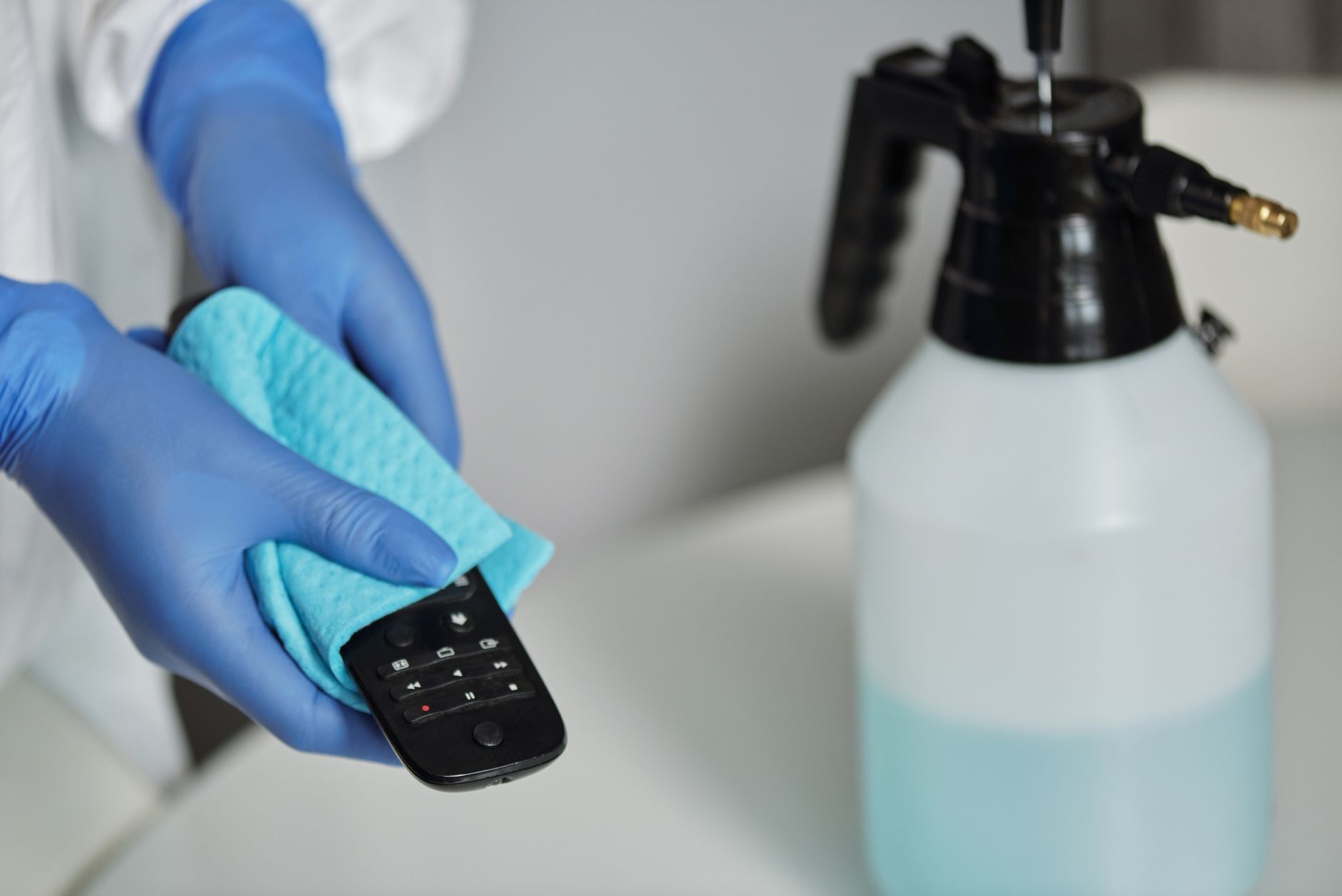
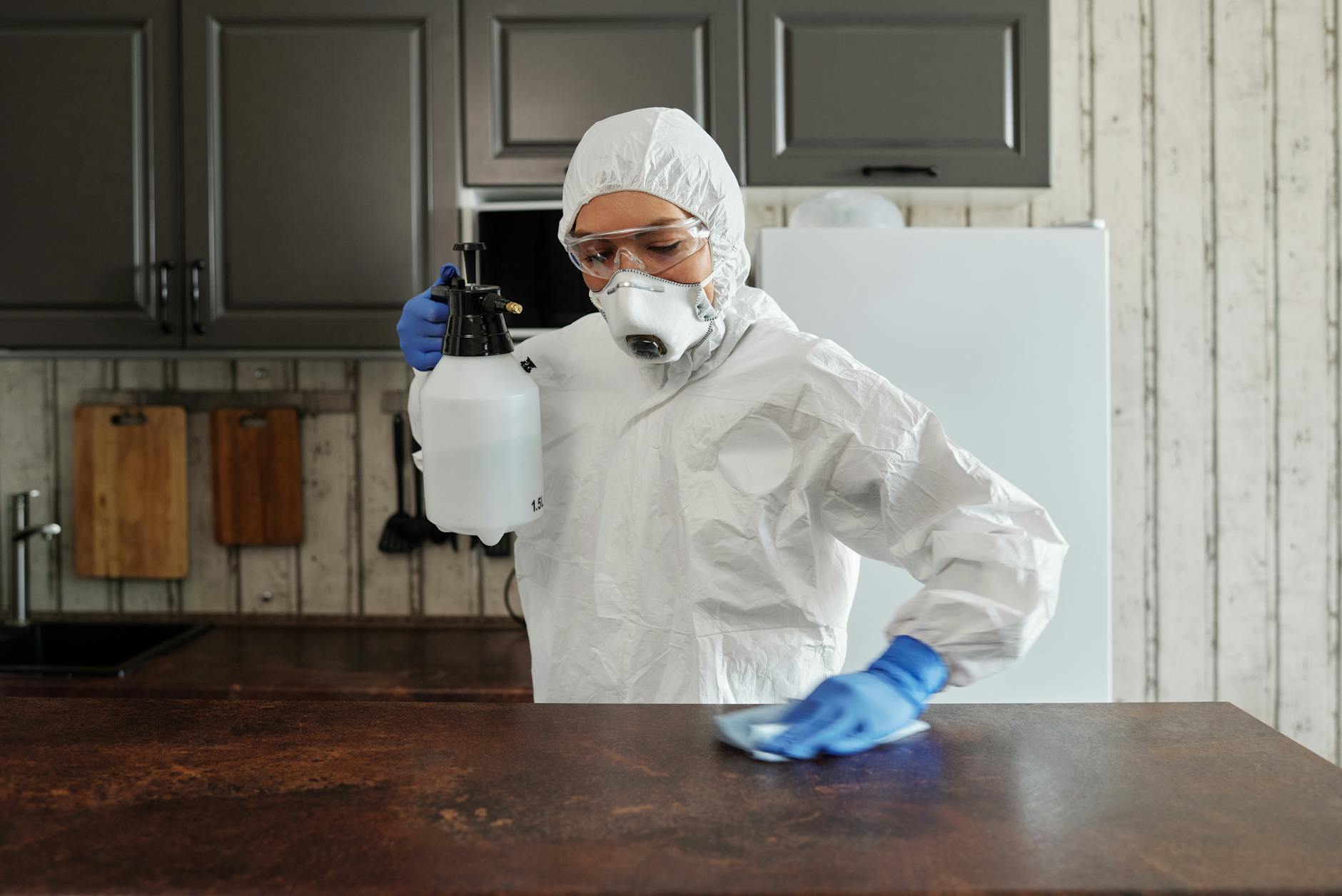
- Always wear gloves and eye protection when using disinfectants.
- Ensure adequate ventilation to avoid inhaling fumes.
- Keep disinfectants out of reach of children and pets.
- Never mix bleach with ammonia, as this can create toxic fumes.
- Test disinfectants on a small, inconspicuous area first to check for discoloration or damage.
- Consult your veterinarian for specific recommendations on disinfectants suitable for your environment.
Choosing the Right Disinfectant
Consider the following factors when selecting a disinfectant:
- Effectiveness: Choose a disinfectant specifically labeled as effective against Giardia.
- Safety: Select a product that is safe for use around pets and humans when used as directed.
- Surface Compatibility: Ensure the disinfectant is safe for use on the surfaces you need to clean.
- Odor: Some disinfectants have strong odors that may be unpleasant.
- Cost: Consider the cost of the disinfectant and the amount needed for effective cleaning.
| Disinfectant | Advantages | Disadvantages |
|---|---|---|
| Quaternary Ammonium Compounds | Effective against Giardia, readily available, various formulations | Can be irritating to skin and eyes, may require rinsing, potential for resistance build-up |
| Bleach | Highly effective, inexpensive | Can be corrosive, strong odor, may discolor surfaces, requires careful handling |
| Steam Cleaning | Environmentally friendly, no chemical residue | May not be effective on its own, requires specialized equipment |
FAQ:
What is the best way to prevent Giardia infection in dogs?
Preventing Giardia infection involves a combination of good hygiene practices and environmental control. This includes regularly cleaning and disinfecting areas where your dog spends time, promptly removing fecal matter, providing clean drinking water, and preventing your dog from drinking from potentially contaminated sources like puddles or streams.
Can I use hand sanitizer to kill Giardia on my hands after cleaning?
While hand sanitizer is effective against many germs, it’s not a substitute for thorough handwashing with soap and water after cleaning up after a Giardia-infected dog. Handwashing physically removes the cysts, while hand sanitizer might not be as effective at penetrating the protective outer shell of Giardia cysts.
How long do Giardia cysts survive in the environment?
Giardia cysts can survive for weeks or even months in the environment, particularly in cool, damp conditions. This is why thorough and regular cleaning and disinfection are crucial for controlling the spread of Giardia.
Is it safe to use bleach around my dog after disinfecting for Giardia?
After disinfecting with a diluted bleach solution, it’s essential to rinse the area thoroughly with water and allow it to air dry completely before allowing your dog access. This will prevent your dog from ingesting any residual bleach, which can be harmful. Ensure proper ventilation during and after the cleaning process.
Can Giardia be transmitted from dogs to humans?
Yes, Giardia is a zoonotic disease, meaning it can be transmitted from animals to humans. While different strains of Giardia exist, some strains that infect dogs can also infect humans. Practicing good hygiene, such as thorough handwashing after handling animals or their feces, is crucial to prevent transmission.
How do I know if my dog has Giardia?
Symptoms of Giardia in dogs include diarrhea (which may be watery, mucus-filled, or bloody), vomiting, weight loss, and decreased appetite. However, some dogs may be infected with Giardia and show no symptoms. If you suspect your dog has Giardia, consult your veterinarian for diagnosis and treatment. Fecal testing is required to confirm the diagnosis.
Will regular household cleaners kill Giardia?
Most regular household cleaners are not effective at killing Giardia cysts. Giardia cysts are resistant to many common cleaning agents. It’s essential to use a disinfectant specifically labeled as effective against Giardia, such as those containing quaternary ammonium compounds or a diluted bleach solution.
How often should I disinfect my dog’s environment if they have Giardia?
During treatment for Giardia, it’s recommended to disinfect your dog’s environment daily. This includes areas where your dog eats, sleeps, and eliminates. After treatment, continue to disinfect regularly, especially if you have other pets.
Can I use a pressure washer to clean outdoor areas contaminated with Giardia?
While a pressure washer can help remove debris and reduce the number of Giardia cysts, it doesn’t kill them. It’s best to use a pressure washer in conjunction with a disinfectant solution applied afterward for optimal Giardia control.
Are there any natural remedies that can kill Giardia in the environment?
While some natural remedies, such as vinegar or essential oils, may have some antimicrobial properties, their effectiveness against Giardia cysts in the environment has not been scientifically proven. It’s best to rely on proven disinfectants recommended by veterinarians.
What surfaces need to be disinfected when dealing with Giardia in dogs?
Any surface your dog comes into contact with that may be contaminated with feces should be disinfected. This includes food and water bowls, bedding, toys, floors, yards, and any other areas where your dog may have eliminated. Thoroughness is key to preventing reinfection.
My dog keeps getting reinfected with Giardia. What am I doing wrong?
Repeated Giardia infections often indicate that the environment is not being disinfected effectively or that your dog is being re-exposed to contaminated sources. Re-evaluate your cleaning protocol, ensuring you are using the correct disinfectant at the correct concentration and with the appropriate contact time. Consider consulting with your veterinarian to rule out any underlying immune issues that may be making your dog more susceptible to infection. Also, be mindful of potential sources of re-infection, such as contaminated water sources or contact with other infected animals.