

What Causes Bad Behaviour in Horses? Understanding the Roots of Equine Misconduct
Bad behaviour in horses stems primarily from a complex interplay of physical discomfort, inadequate training, unmet needs, and environmental factors, ultimately reflecting the horse’s attempt to communicate its well-being. Understanding and addressing these underlying causes is crucial for developing positive horse-human relationships.

Introduction: Decoding Equine Behaviour
Horses, magnificent and sensitive creatures, often exhibit behaviours that we perceive as “bad” – kicking, biting, refusing jumps, or displaying anxiety. However, it’s crucial to remember that these are symptoms of underlying issues, not simply inherent flaws in the horse’s character. What causes bad behaviour in horses? is rarely attributable to pure malice. More often, it’s a manifestation of pain, fear, frustration, or a lack of understanding. Successfully addressing these behaviours requires a keen understanding of equine psychology and a commitment to meeting the horse’s physical, mental, and emotional needs.

What colours are fish most attracted to?
Can you put your finger in a trout's mouth?
Is methylene blue anti bacterial?
Does aquarium salt raise pH in aquarium?
Physical Discomfort: The Root of Many Issues
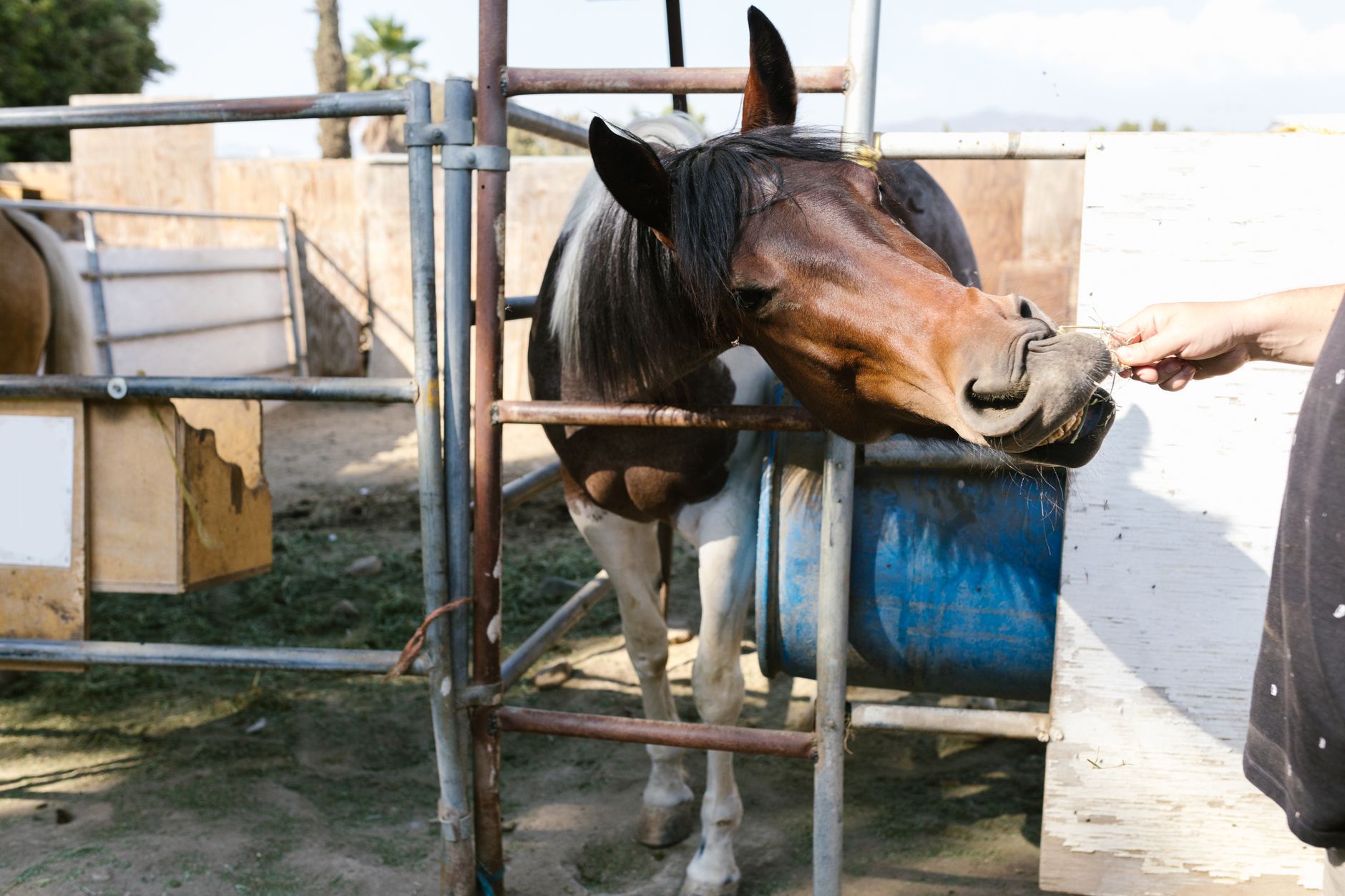
One of the most common reasons for undesirable behaviours is physical pain or discomfort. Horses are stoic animals and will often try to hide pain until it becomes unbearable.
- Saddle fit: An ill-fitting saddle can cause significant pain and pressure points, leading to resistance during riding.
- Dental issues: Tooth problems, such as sharp points or infections, can make biting, head tossing, and difficulty accepting the bit common.
- Lameness: Even subtle lameness can cause a horse to become irritable and unwilling to perform certain tasks.
- Musculoskeletal problems: Back pain, arthritis, and other musculoskeletal issues can also contribute to unwanted behaviours.
Thorough veterinary check-ups and consultations with qualified equine professionals (saddle fitters, dentists, farriers) are essential for identifying and addressing these physical problems.
Inadequate Training and Communication
Clear and consistent communication is vital in horse training. Horses learn through repetition and association, and inconsistent cues or unclear expectations can lead to confusion and frustration.
- Lack of clear cues: Inconsistent or unclear signals from the rider can confuse the horse and result in disobedience.
- Punishment-based training: Relying heavily on punishment can create fear and anxiety, leading to resistance and aggression.
- Insufficient ground work: A solid foundation in ground work is essential for building trust and establishing clear communication before introducing ridden work.
- Rushing the training process: Progressing too quickly in training before the horse has mastered the basics can lead to frustration and resistance.
A knowledgeable and patient trainer who utilizes positive reinforcement techniques and focuses on clear communication can significantly improve a horse’s behaviour and willingness to learn.
Unmet Needs: The Importance of Environment and Routine
Horses are naturally social animals with specific needs for space, forage, and social interaction. When these needs are not met, it can lead to stress and behavioural problems.
- Lack of turnout: Insufficient turnout can lead to boredom, frustration, and pent-up energy, resulting in vices like cribbing or weaving.
- Inadequate forage: Horses need constant access to forage to keep their digestive systems healthy and prevent boredom.
- Social isolation: Horses are herd animals and thrive in social groups. Isolation can lead to anxiety and depression.
- Unpredictable routine: Horses benefit from a consistent routine, and sudden changes can cause stress and anxiety.
Providing a stimulating environment with ample turnout, constant access to forage, and social interaction is crucial for maintaining a horse’s well-being and preventing behavioural problems.
Environmental Factors: Stress and Anxiety
The horse’s surrounding environment can play a significant role in its behaviour. Stressful or frightening environments can trigger anxiety and lead to undesirable reactions.
- Loud noises: Sudden loud noises can startle horses and cause them to react fearfully.
- New or unfamiliar objects: Introducing new objects or changes to the environment can trigger anxiety.
- Overcrowding: Overcrowding can lead to stress and aggression among horses.
- Poor ventilation: Poor ventilation in stables can contribute to respiratory problems and overall discomfort.
Minimizing environmental stressors and providing a safe and predictable environment can help to reduce anxiety and prevent behavioural problems.
Addressing Problem Behaviours: A Holistic Approach
Successfully addressing problem behaviours requires a holistic approach that considers all potential contributing factors. This involves:
- Veterinary examination: Rule out any underlying medical conditions.
- Saddle fit assessment: Ensure the saddle fits properly and is not causing pain.
- Dental examination: Check for any dental problems that may be causing discomfort.
- Training evaluation: Assess the training methods being used and identify any areas for improvement.
- Environmental assessment: Evaluate the horse’s environment and identify any potential stressors.
- Behavioural modification: Implement a consistent and positive behavioural modification program.
Common Mistakes: What NOT to Do
Several common mistakes can exacerbate behavioural problems in horses. These include:
- Ignoring the underlying cause: Focusing solely on suppressing the behaviour without addressing the root cause.
- Using punishment as the primary training method: This can create fear and anxiety, leading to further behavioural problems.
- Inconsistent training: Inconsistent cues and expectations can confuse the horse and lead to frustration.
- Lack of patience: Correcting behavioural problems takes time and patience.
- Ignoring the horse’s emotional state: Failing to recognize and address the horse’s fear, anxiety, or frustration.
| Mistake | Consequence | Alternative Approach |
|---|---|---|
| Ignoring pain | Worsening behaviour, chronic pain, and resentment | Thorough veterinary assessment and treatment |
| Punishment-based training | Fear, anxiety, aggression, broken trust | Positive reinforcement, clear communication |
| Inconsistent cues | Confusion, frustration, disobedience | Clear and consistent communication, repetition |
| Rushing the training process | Resistance, anxiety, increased risk of injury | Patient and gradual progression, focusing on basics |
Frequently Asked Questions (FAQs)
What are the most common signs of pain in horses?
Horses often mask pain, but common signs include changes in behaviour such as reluctance to move, altered gait, head tossing, tail swishing, pinning ears, reluctance to be touched in specific areas, and decreased appetite. Early detection is crucial to prevent chronic pain and behavioural issues.
Can diet influence a horse’s behaviour?
Yes, a horse’s diet can significantly influence its behaviour. Diets high in sugar and starch can lead to increased excitability and nervousness, while deficiencies in certain nutrients can also affect mood and behaviour. A balanced diet appropriate for the horse’s workload and lifestyle is essential.
How can I tell if my horse is bored?
Signs of boredom in horses include vices such as cribbing, weaving, stall walking, and self-mutilation. They may also appear lethargic and uninterested in their surroundings. Increasing turnout, providing enrichment activities (e.g., toys, puzzle feeders), and ensuring adequate social interaction can help alleviate boredom.
What is positive reinforcement and how does it work in horse training?
Positive reinforcement involves rewarding desired behaviours to increase the likelihood that they will be repeated. This can include using treats, scratches, or verbal praise. Positive reinforcement can create a more positive and cooperative learning environment, leading to better training outcomes.
What are some enrichment activities I can provide for my horse?
Enrichment activities can help alleviate boredom and reduce stress in horses. These can include providing access to pasture, offering toys (e.g., balls, lickable treats), using slow feeders, introducing new objects to the environment, and providing opportunities for social interaction with other horses. Variety is key to keeping your horse engaged.
How important is groundwork in addressing bad behaviour?
Groundwork is essential for building a solid foundation of communication and respect with your horse. It allows you to establish clear leadership, teach basic cues, and address behavioural issues in a safe and controlled environment before introducing ridden work.
What role does genetics play in a horse’s behaviour?
Genetics can influence a horse’s temperament and predispositions to certain behaviours. However, environmental factors and training play a much larger role in shaping a horse’s overall behaviour. While you can’t change a horse’s genetic makeup, you can manage its environment and training to minimize undesirable behaviours.
How can I establish myself as a leader with my horse?
Establishing yourself as a leader involves being consistent, clear, and fair in your communication. This means setting clear boundaries, enforcing rules consistently, and providing positive reinforcement for desired behaviours. It’s about earning your horse’s respect and trust, not dominating or bullying it.
What should I do if my horse starts bucking under saddle?
If your horse starts bucking under saddle, immediately stop riding and assess the situation. Check for any signs of pain or discomfort, such as saddle fit issues or lameness. Rule out any physical problems before addressing potential training issues. Consult with a qualified trainer to develop a safe and effective training plan.
How do I handle a horse that is afraid of new things?
Gradually expose your horse to new things in a safe and controlled environment. Start with small, manageable steps and reward the horse for remaining calm and relaxed. Avoid forcing the horse to confront its fears, as this can worsen anxiety. Positive reinforcement and patience are key to desensitizing a fearful horse.
How can I help my horse cope with separation anxiety?
Separation anxiety can be a challenging issue to address. Start by gradually increasing the amount of time your horse is separated from its companions. Provide distractions such as hay or toys to keep the horse occupied. Avoid making a big deal out of departures and returns. Consult with a veterinarian or equine behaviourist for additional guidance.
What are some red flags that indicate I need to seek professional help with my horse’s behaviour?
Red flags that indicate you need professional help include aggressive behaviours such as biting or kicking, self-harming behaviours, persistent anxiety or fear, and behaviours that are dangerous to yourself or others. Don’t hesitate to seek the guidance of a qualified veterinarian, equine behaviourist, or experienced trainer to address these issues.