

What Causes a Llama to Foam at the Mouth? Understanding Salivary Excess
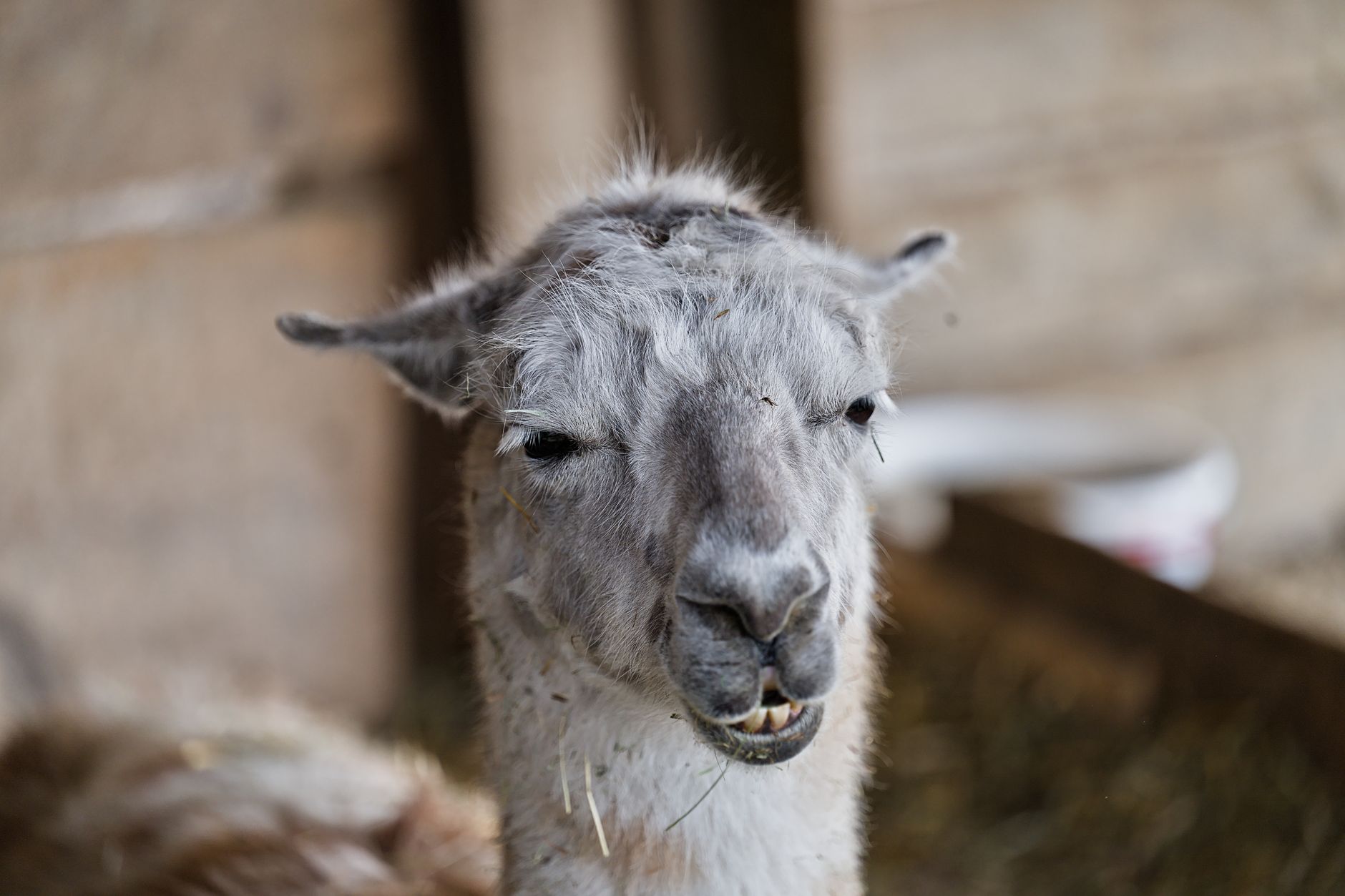
What causes a llama to foam at the mouth? Excessive salivation, often manifesting as foaming, in llamas can be triggered by a variety of factors, ranging from simple dietary issues to more serious underlying health conditions. Identifying the root cause is crucial for ensuring the animal’s well-being.

Introduction to Llama Salivation and Foaming
Foaming at the mouth in llamas, characterized by the excessive production and expulsion of saliva, is a symptom that warrants immediate attention. While it might appear alarming, it’s often a sign of an underlying issue rather than a disease in itself. Understanding the potential causes – from relatively benign situations like irritating plants to more serious concerns like neurological problems – is key to providing appropriate care and ensuring the llama’s health and comfort. This article aims to provide a comprehensive overview of the factors that can lead to this condition in llamas.
Is distilled water good for goldfish?
What colours are fish most attracted to?
Is methylene blue anti bacterial?
Does aquarium salt raise pH in aquarium?
Dietary Causes of Foaming

One of the most common reasons a llama foams at the mouth is related to its diet. This can involve various factors:
-
Irritating Plants: Consumption of certain plants containing irritants or toxins can stimulate excessive salivation. Examples include some types of bracken fern, buttercups, and certain weeds.
-
Choke: The presence of a foreign object lodged in the esophagus, often referred to as choke, can impede swallowing and lead to saliva buildup.
-
Poor Quality Feed: Moldy or excessively dry feed can also irritate the oral cavity and trigger increased saliva production.
-
Rapid Diet Changes: Sudden shifts in diet can disrupt the llama’s digestive system and lead to temporary imbalances that manifest as excessive salivation.
Dental Issues and Oral Health
Dental problems are another significant contributor to foaming in llamas:
-
Abscesses: Infections and abscesses in the mouth, particularly around the teeth or gums, can cause pain and stimulate saliva production.
-
Malocclusion: Misalignment of the teeth (malocclusion) can lead to ulcers and irritation, prompting the llama to salivate excessively.
-
Foreign Objects: Splinters or other foreign materials lodged in the mouth can also irritate the tissues and cause foaming.
Medical and Neurological Conditions
While dietary and dental issues are common, certain medical and neurological conditions can also trigger foaming at the mouth:
-
Rabies: Though rare in some regions, rabies is a severe neurological disease that can cause excessive salivation as a hallmark symptom.
-
Tetanus: This bacterial infection can affect the nervous system, leading to muscle spasms, including those that control swallowing, which can then cause pooling and expulsion of saliva.
-
Nervous System Disorders: Other neurological conditions can affect the muscles responsible for swallowing and saliva control, resulting in foaming.
-
Poisoning: Exposure to certain toxins, such as organophosphates, can disrupt nerve function and lead to excessive salivation.
The Importance of Observation and Veterinary Consultation
Accurate diagnosis relies heavily on careful observation and a thorough veterinary examination.
-
Observe the Llama: Note any other symptoms, such as difficulty swallowing, loss of appetite, head tilting, or neurological signs.
-
Inspect the Mouth: If safe, carefully examine the llama’s mouth for any obvious signs of injury, foreign objects, or dental problems. Always prioritize safety when examining an animal, and seek professional assistance if you are unsure.
-
Consult a Veterinarian: Contact a veterinarian immediately. A prompt diagnosis is essential to rule out serious conditions like rabies or tetanus and to provide appropriate treatment.
Prevention Strategies
Preventing foaming at the mouth involves several key strategies:
-
Maintain a High-Quality Diet: Provide access to fresh, clean water and high-quality feed appropriate for llamas. Avoid sudden dietary changes.
-
Regular Dental Checkups: Schedule routine dental examinations with a veterinarian experienced in camelid care.
-
Pasture Management: Carefully inspect pastures for toxic plants and take steps to remove them.
-
Vaccination: Ensure that llamas are up-to-date on all recommended vaccinations, including tetanus.
Diagnostic Procedures
When a veterinarian evaluates a llama foaming at the mouth, they may employ several diagnostic procedures:
| Procedure | Purpose |
|---|---|
| Oral Examination | To identify any dental issues, foreign objects, or injuries in the mouth. |
| Blood Tests | To assess overall health and rule out systemic diseases. |
| Neurological Exam | To evaluate nerve function and identify any signs of neurological disorders. |
| Radiography (X-rays) | To visualize the esophagus and detect any obstructions. |
| Endoscopy | To directly visualize the esophagus and stomach, allowing for biopsy if necessary. |
Frequently Asked Questions (FAQs)
What specific plants are most likely to cause foaming at the mouth in llamas?
Certain plants are known for their irritant or toxic properties, leading to excessive salivation when ingested by llamas. Examples include bracken fern, buttercups, poison ivy, and nightshade. The severity of the reaction can vary depending on the amount consumed and the individual llama’s sensitivity. Careful pasture management and plant identification are crucial for prevention.
How can I tell if my llama is choking?
Choking in llamas is often indicated by distress, coughing, gagging, and difficulty swallowing. You may also observe the llama stretching its neck and exhibiting excessive salivation or foaming at the mouth. In severe cases, the llama may struggle to breathe. Immediate veterinary intervention is necessary to relieve the obstruction.
Is foaming at the mouth always a sign of a serious problem?
While foaming at the mouth can be a symptom of serious conditions like rabies or tetanus, it is not always indicative of a severe problem. Dietary indiscretions or minor oral irritations are more common causes. However, it’s essential to consult a veterinarian to rule out any underlying health issues. Early diagnosis and treatment are crucial for positive outcomes.
Can stress cause a llama to foam at the mouth?
Yes, while not the most common cause, extreme stress or anxiety can sometimes trigger excessive salivation in llamas. This is usually a temporary reaction and resolves once the stressor is removed. However, if foaming persists or is accompanied by other symptoms, veterinary attention is recommended.
How is “choke” treated in llamas?
Treatment for choke typically involves attempting to dislodge the obstruction manually. This may require a veterinarian to carefully pass a tube down the esophagus to push the blockage into the stomach. In some cases, medication to relax the esophageal muscles or surgery may be necessary. Prompt treatment is essential to prevent complications such as aspiration pneumonia.
What are the symptoms of rabies in llamas?
Rabies symptoms in llamas can be highly variable but often include behavioral changes such as aggression or depression, incoordination, paralysis, and excessive salivation (foaming at the mouth). Rabies is a fatal disease, and immediate veterinary consultation and appropriate quarantine measures are required.
How can I perform a basic oral examination on my llama safely?
Approach the llama calmly and speak in a soothing voice. Have an assistant gently restrain the llama if needed. Carefully lift the lips to examine the teeth and gums. Look for any signs of injury, swelling, foreign objects, or abnormal growths. If the llama resists or you are unsure of what you are seeing, do not force the examination and seek professional veterinary assistance.
What are some common dental problems in llamas?
Common dental problems in llamas include malocclusion (misalignment of the teeth), overgrown teeth, abscesses, and periodontal disease. These issues can lead to difficulty chewing, weight loss, and excessive salivation. Regular dental examinations and appropriate dental care are essential for maintaining oral health.
What is the role of vaccination in preventing foaming at the mouth?
Vaccination plays a critical role in preventing certain diseases that can cause foaming at the mouth, such as tetanus. Tetanus is a serious bacterial infection that affects the nervous system and can lead to muscle spasms and excessive salivation. Keeping your llama up-to-date on its tetanus vaccination is crucial for its health and well-being. Consult with your veterinarian to establish an appropriate vaccination schedule.
How often should llamas receive dental checkups?
Llamas should typically receive dental checkups at least once a year, or more frequently if they have a history of dental problems. Senior llamas and those with pre-existing dental issues may benefit from more frequent examinations.
Is foaming at the mouth contagious between llamas?
Whether foaming at the mouth is contagious depends entirely on the underlying cause. If it is caused by a contagious disease like rabies, then yes, it is contagious. However, if it’s caused by a dietary issue or dental problem, it is not contagious.
What should I do if I suspect my llama has ingested a poisonous plant?
If you suspect your llama has ingested a poisonous plant, contact your veterinarian immediately. Provide as much information as possible about the plant, the amount consumed, and any symptoms the llama is exhibiting. Your veterinarian may recommend treatments such as administering activated charcoal or supportive care.