
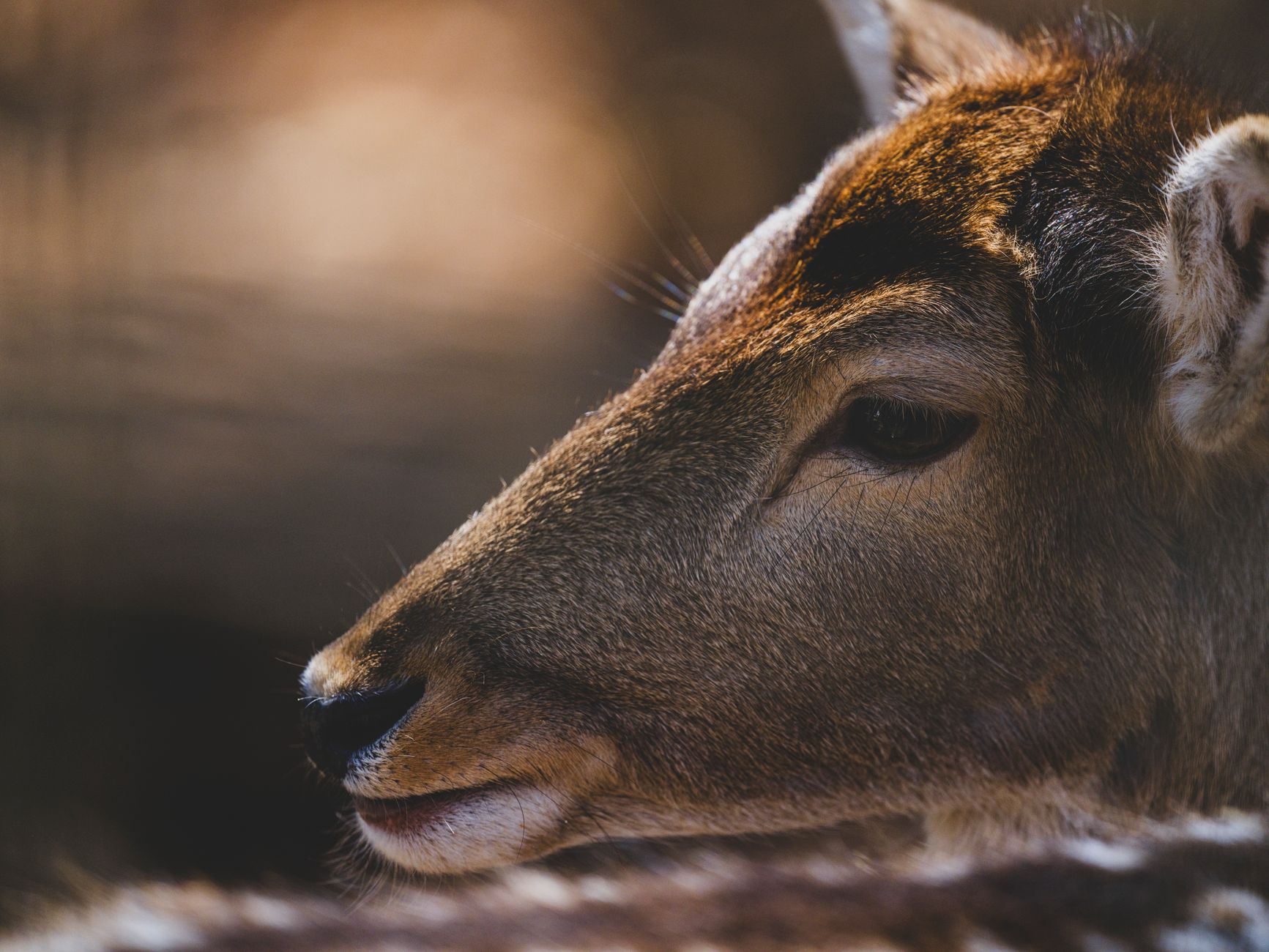
What Can You Tell From Deer Poop? Unveiling Nature’s Secrets
Deer poop, often overlooked, is a surprising treasure trove of information; analyzing it can reveal valuable insights into deer health, diet, habitat, and even the presence of disease. What can you tell from deer poop? Quite a lot – from dietary habits and seasonal changes to overall herd health.

The Silent Storyteller: An Introduction to Deer Droppings
Deer droppings, also known as deer scat, pellets, or dung, are far more than just waste; they are a biological record. For naturalists, hunters, wildlife managers, and even casual observers, understanding how to read this record can be incredibly useful. Deer, being herbivores, process a large volume of plant matter. The undigested remains are expelled as pellets, which vary in size, shape, and consistency depending on the deer’s diet and health. By examining these droppings, we can unlock secrets about the deer population and its environment.
What colours are fish most attracted to?
Can you put your finger in a trout's mouth?
Is methylene blue anti bacterial?
Does aquarium salt raise pH in aquarium?
Decoding the Deer Diet

One of the primary things we can determine from deer poop is what the deer are eating. Deer are opportunistic feeders, adapting their diets to available food sources.
- Spring and Summer: During these seasons, deer scat tends to be softer, more clumped, and less pelleted due to the high moisture content of fresh vegetation like grasses, forbs (flowering plants other than grasses), and leaves.
- Fall: As vegetation begins to dry out and fruits become available, the scat may become more segmented. Acorns and other nuts are common components during this time.
- Winter: When food is scarce, deer rely heavily on woody browse like twigs, buds, and evergreen needles. Winter scat is typically comprised of distinct, dry, and hard pellets.
Different forage types will yield different scat characteristics. For example, a diet heavy in acorns can lead to darker, more compacted scat. A diet rich in succulent vegetation can result in looser, less formed droppings. Examining the undigested plant fragments within the scat can further refine dietary analysis.
Assessing Deer Health and Disease
Deer poop can also provide clues about the health of the deer population. For example, unusually soft or watery scat could indicate gastrointestinal distress, possibly caused by parasites, bacterial infections, or dietary imbalances.
| Symptom | Possible Cause |
|---|---|
| Extremely soft scat | High moisture intake, parasitic infection, illness |
| Very dry pellets | Dehydration, lack of succulent forage |
| Blood in scat | Internal injury, severe parasitic infestation |
| Unusual color | Dietary changes, ingestion of toxins |
Note: It is important to remember that scat analysis is not a definitive diagnostic tool. Suspected health issues should be confirmed by a qualified veterinarian or wildlife biologist.
Estimating Deer Population and Distribution
The quantity and distribution of deer droppings can provide insights into deer population density and habitat use. Wildlife managers often use scat surveys as a cost-effective method for estimating deer abundance in a given area. By counting the number of scat groups within defined plots and accounting for the rate of scat decomposition, researchers can generate indices of relative abundance. However, it’s crucial to consider factors like rainfall and decomposition rates, which can vary significantly depending on environmental conditions.
Best Practices for Scat Observation
Observing and analyzing deer scat requires a keen eye and a systematic approach. Here are some best practices:
- Location: Note the precise location of the scat sample, including habitat type (e.g., forest, field, wetland).
- Appearance: Describe the scat’s color, shape, size, consistency (dry, moist, watery), and any unusual features.
- Quantity: Estimate the number of pellets within a group.
- Photography: Take clear photographs of the scat sample for documentation.
- Hygiene: Wear gloves when handling scat to prevent the transmission of parasites or diseases.
Common Mistakes to Avoid
Analyzing deer scat can be challenging, and several common mistakes can lead to inaccurate conclusions:
- Misidentification: Confusing deer scat with the droppings of other animals (e.g., rabbits, rodents).
- Ignoring Environmental Factors: Failing to account for the effects of rainfall, temperature, and humidity on scat decomposition.
- Drawing Definitive Conclusions Based on Limited Data: Relying on a single observation to make broad generalizations about deer diet or health.
- Lack of Expertise: Attempting to diagnose diseases without proper training or veterinary consultation.
Understanding What Can You Tell From Deer Poop: Beyond the Basics
What can you tell from deer poop? Ultimately, more than meets the eye. From revealing detailed insights into their diet and habitat to providing glimpses into herd health and population dynamics, understanding how to interpret deer droppings is a skill that benefits anyone with an interest in wildlife and conservation. Taking the time to learn the basics will enhance your appreciation of the natural world and improve your ability to understand the intricate lives of these majestic animals.
Frequently Asked Questions (FAQs)
What is the typical size and shape of deer poop pellets?
The size and shape of deer poop pellets can vary depending on the deer’s diet and hydration level. Generally, they are about ¾ to 1 inch long and ½ inch in diameter, cylindrical or oblong in shape. During winter when the diet is dry, they tend to be more defined and separated.
How can I differentiate deer poop from rabbit poop?
Rabbit poop consists of small, round pellets that are typically uniform in size and shape. Deer poop pellets are larger and more elongated. Rabbit pellets also tend to be lighter in color and more fibrous.
Does deer poop smell?
Deer poop typically has a mild, earthy smell similar to other herbivore waste. However, the odor can become more pungent if the deer’s diet is rich in certain foods or if the scat is old and decomposing.
Can deer poop be used as fertilizer?
Yes, deer poop can be used as a natural fertilizer, as it contains nitrogen, phosphorus, and potassium. However, it’s best to compost deer scat before applying it to gardens to reduce the risk of spreading parasites or pathogens.
How long does deer poop last in the environment?
The decomposition rate of deer poop depends on factors like temperature, humidity, rainfall, and the presence of decomposers (insects, fungi, bacteria). In moist, warm conditions, scat can decompose in a few weeks, whereas in dry, cold conditions, it may persist for several months.
Can deer poop indicate the presence of parasites?
Yes, analyzing deer poop under a microscope can reveal the presence of parasite eggs or larvae. This information can be used to assess the overall health of the deer population and identify potential disease outbreaks.
Are there any dangers associated with handling deer poop?
Handling deer poop can pose a risk of exposure to parasites, bacteria, and viruses that can cause illness in humans. Always wear gloves when handling scat and wash your hands thoroughly afterward.
Can I tell the age of a deer from its poop?
No, it is not possible to accurately determine the age of a deer solely from its poop. While the diet and therefore, the composition of the scat may change throughout a deer’s lifespan, this is not a reliable indicator of age.
How do wildlife biologists use deer poop in research?
Wildlife biologists use deer poop in various research applications, including dietary analysis, population estimation, and genetic studies. They may collect scat samples for DNA extraction to identify individual deer or track their movements.
What does it mean if deer poop is green?
Green deer poop typically indicates that the deer has been consuming a large amount of lush, green vegetation, such as grasses or alfalfa. This is common during the spring and summer months.
Does the size of deer poop indicate the size of the deer?
While there might be a general correlation, the size of deer poop is not a reliable indicator of the deer’s size. Diet, hydration, and health have a much larger impact on the size and shape of the scat.
What can you tell from deer poop regarding the sex of the deer?
It is generally not possible to determine the sex of a deer from its poop alone. Genetic analysis of scat samples can sometimes be used to identify the sex of the deer, but this requires specialized laboratory techniques. What can you tell from deer poop is limited by visual observation in regards to sex.