

What Can You Put on Pumpkins to Keep Animals From Eating Them?
Protecting your prized pumpkins from becoming a buffet for local wildlife requires strategic application of deterrents. Here are a few options, including bold and italic deterrents like cayenne pepper spray or commercial animal repellents, to ensure your gourds remain intact and display-worthy throughout the season.

Understanding the Problem: A Gourd’s Worst Nightmare
Pumpkins, symbols of fall and festive celebrations, are unfortunately also attractive to a variety of animals. From squirrels and rabbits to deer and even raccoons, the sweet flesh and seeds offer a tempting meal. These unwelcome visitors can quickly transform a perfectly sculpted pumpkin into a nibbled, unsightly mess. Understanding what attracts these creatures and implementing effective prevention methods is key.

What is the GREY African clawed frog?
Is distilled water good for goldfish?
What colours are fish most attracted to?
Is methylene blue anti bacterial?
Safe and Effective Deterrents: Your Arsenal
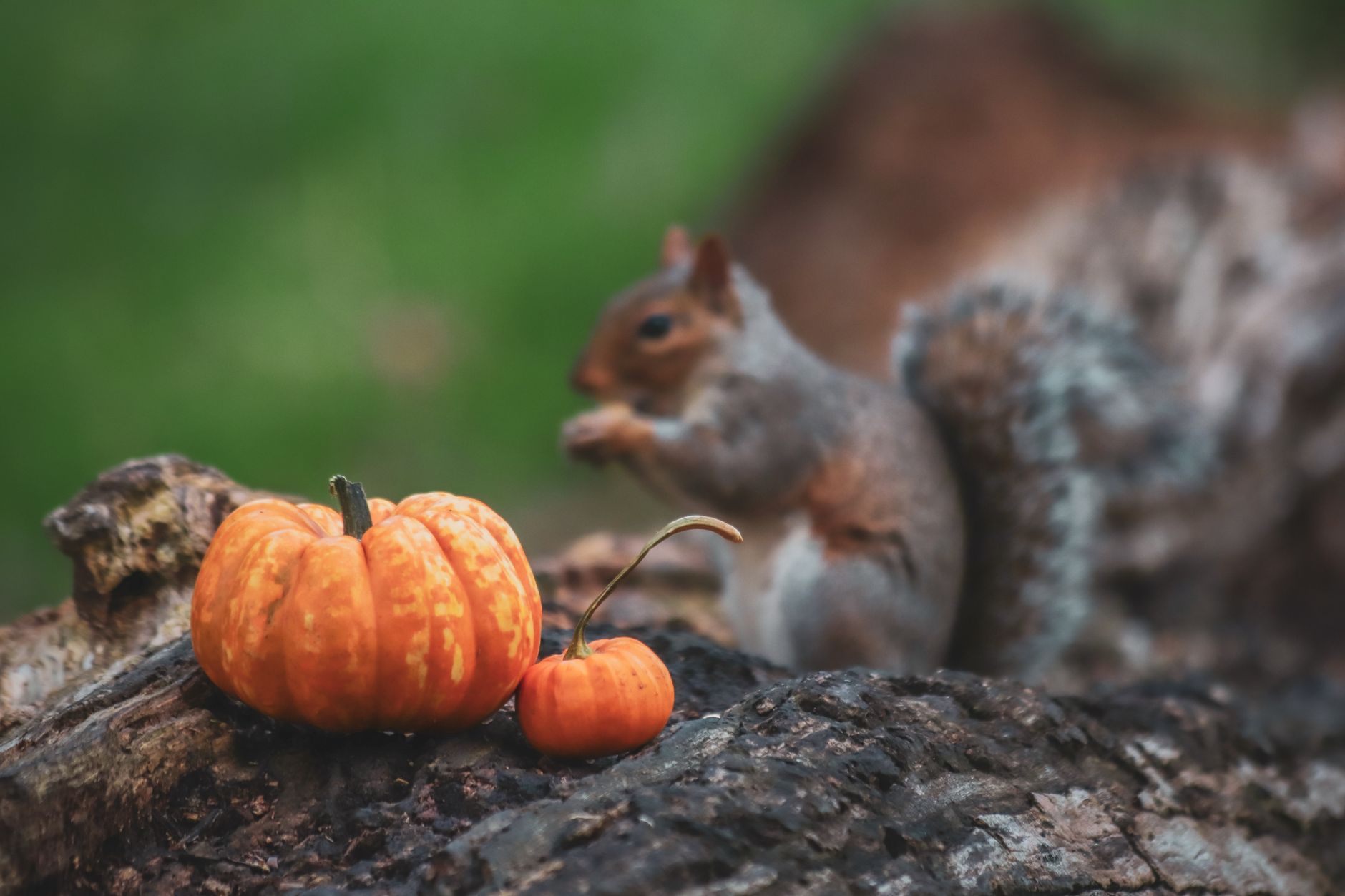
What can you put on pumpkins to keep animals from eating them? Thankfully, there are several humane and effective methods available. These range from homemade solutions to commercially available repellents. Consider the following:
- Cayenne Pepper Spray: A classic deterrent. Mix cayenne pepper powder with water in a spray bottle and liberally coat the pumpkin’s surface. Reapply after rain. Ensure to avoid getting the spray in your eyes.
- Commercial Animal Repellents: Available at garden centers, these sprays often contain ingredients like bitter taste additives or putrescent egg solids that animals find unappealing. Follow the manufacturer’s instructions carefully.
- Petroleum Jelly: Some gardeners report success with coating the pumpkin in a thin layer of petroleum jelly. Animals dislike the texture and taste.
- Vinegar: Spraying pumpkins with vinegar, especially apple cider vinegar, can deter some animals due to its strong scent.
- Hair Spray: A coating of hair spray can make the surface of the pumpkin unpleasant to touch, deterring some animals.
- Diatomaceous Earth: Sprinkle food-grade diatomaceous earth around the base of the pumpkin. It can deter slugs, snails, and some insects.
- Physical Barriers: Placing pumpkins on elevated platforms or surrounding them with wire mesh or chicken wire provides a physical barrier.
- Motion-Activated Sprinklers: These sprinklers detect movement and spray a burst of water, startling animals and deterring them from approaching.
- Noise Deterrents: Motion-activated noisemakers can scare away larger animals like deer and raccoons.
Application and Maintenance: A Proactive Approach
The effectiveness of any deterrent hinges on proper application and consistent maintenance. Here are some tips:
- Thorough Coverage: Ensure the entire pumpkin surface is coated with your chosen deterrent. Pay particular attention to areas that have already been nibbled.
- Regular Reapplication: Reapply deterrents after rain or heavy dew. The frequency will depend on the specific product and weather conditions.
- Rotation: Rotate your deterrents periodically. Animals can become accustomed to a particular smell or taste, rendering it less effective over time.
- Early Intervention: Start applying deterrents as soon as you display your pumpkins, before animals have a chance to develop a taste for them.
Choosing the Right Deterrent: Considering Your Environment
What can you put on pumpkins to keep animals from eating them? The most effective solution will depend on the types of animals you are dealing with, your budget, and your personal preferences. Consider the following factors:
- Target Animals: Identify the primary culprits. Different deterrents are effective against different animals.
- Environmental Impact: Choose deterrents that are safe for pets, children, and the environment. Avoid using harsh chemicals or poisons.
- Aesthetic Considerations: Some deterrents, like cayenne pepper spray, may slightly alter the appearance of your pumpkins.
- Cost: Compare the cost of different deterrents and choose one that fits your budget.
Common Mistakes to Avoid: Prevention is Key
- Insufficient Coverage: Failing to apply deterrents thoroughly or reapply them regularly.
- Using Ineffective Products: Choosing deterrents that are not suitable for the animals you are trying to deter.
- Waiting Too Long: Starting deterrent measures after animals have already started feeding on your pumpkins.
- Neglecting Sanitation: Leaving food scraps or other attractants near your pumpkins.
Beyond Deterrents: Complementary Strategies
While deterrents are essential, consider these supplementary strategies for optimal pumpkin protection:
- Planting Repellent Plants: Surround your pumpkins with plants that animals dislike, such as marigolds or mint.
- Providing Alternative Food Sources: Offering alternative food sources, like bird feeders or pet food, may distract animals from your pumpkins.
- Bringing Pumpkins Indoors at Night: If practical, bring your pumpkins indoors at night when animal activity is typically highest.
Frequently Asked Questions (FAQs)
What kinds of animals are most likely to eat my pumpkins?
Various animals enjoy pumpkins, including squirrels, rabbits, deer, raccoons, rats, and even some birds. The specific culprits will depend on your geographic location and local wildlife populations. Squirrels and rabbits are often the first to sample pumpkins, while deer and raccoons can cause more significant damage.
Is cayenne pepper spray safe for my pets?
While cayenne pepper spray is generally considered safe for pets, it can cause temporary irritation if it gets in their eyes or nose. Avoid spraying it directly on your pets. If your pet comes into contact with cayenne pepper spray, flush the affected area with plenty of water.
How often should I reapply animal repellent spray?
The frequency of reapplication depends on the product and the weather conditions. Generally, reapply after rain or heavy dew, and every few days for best results. Refer to the manufacturer’s instructions for specific recommendations.
Will putting Vaseline on my pumpkin actually work?
Anecdotal evidence suggests that petroleum jelly (Vaseline) can deter some animals due to its texture and taste. However, its effectiveness is not guaranteed. It can be worth trying, but be prepared to supplement it with other deterrents if necessary.
Can I use mothballs to keep animals away from my pumpkins?
Using mothballs outdoors is generally not recommended and may even be illegal in some areas. Mothballs contain harmful chemicals that can contaminate soil and water, posing risks to pets, children, and the environment. Opt for safer and more humane alternatives.
Are there any plants I can grow near my pumpkins to deter animals?
Yes, several plants are known to deter certain animals. Marigolds, mint, garlic, and onions can help repel rabbits, squirrels, and other pests. Planting these around your pumpkins can provide an extra layer of protection.
My pumpkins are already being eaten. Can I still save them?
Yes, even if your pumpkins have already been nibbled, you can still implement deterrent measures to prevent further damage. Clean the affected areas and apply deterrents liberally. You may need to be more vigilant and reapply deterrents more frequently in the beginning.
Is it safe to use hot sauce on my pumpkins?
Hot sauce, like cayenne pepper spray, can be an effective deterrent due to its spicy taste. However, exercise caution when using hot sauce, as some varieties can contain ingredients that are harmful to pets or the environment. Always dilute the hot sauce with water and avoid spraying it near waterways.
What about fences or netting? Are they effective?
Physical barriers like fences or netting can be highly effective, especially for deterring larger animals like deer and rabbits. Ensure the fence is tall enough to prevent animals from jumping over it and buried deep enough to prevent them from digging under it. Netting can be used to protect individual pumpkins.
Are there any specific smells that animals hate?
Many animals dislike strong smells like vinegar, garlic, peppermint, and citrus. You can try spraying your pumpkins with a diluted vinegar solution or placing cotton balls soaked in peppermint oil nearby.
How can I tell what animal is eating my pumpkins?
The type of damage can often provide clues about the culprit. Small, shallow nibbles are often the work of squirrels or rabbits. Larger, deeper bites may indicate deer or raccoons. You can also look for tracks or droppings near your pumpkins.
Are there any commercial pumpkin protectors I can buy?
Yes, many garden centers and online retailers sell commercial pumpkin protectors, such as sprays, netting, and cages. These products are specifically designed to protect pumpkins from animal damage. Research different options and choose one that meets your needs and budget.