
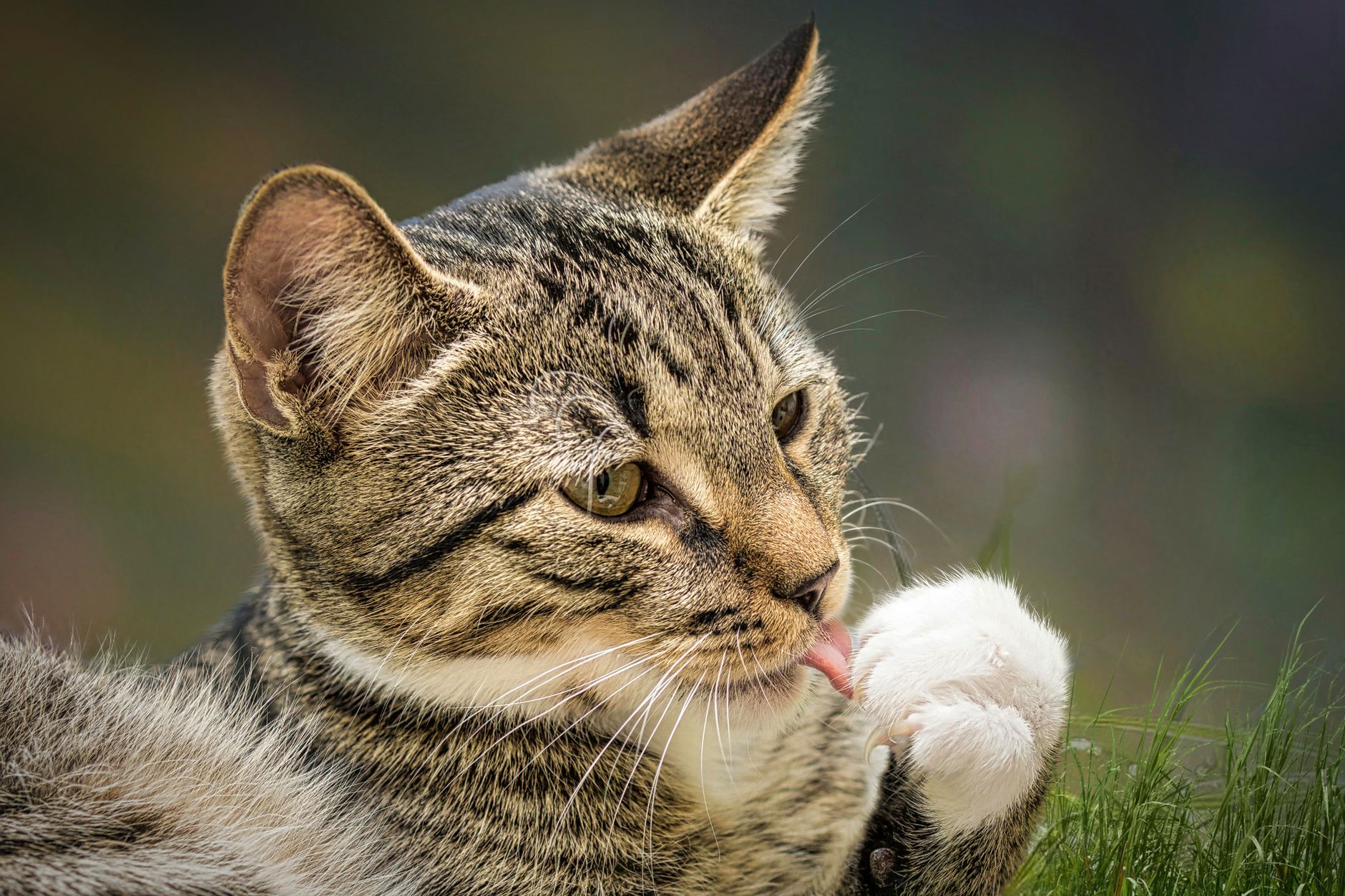
Why Cats Go Crazy for Catnip: Understanding the Feline Fascination
Why do cats get high on catnip but not humans? The answer lies in the unique way cats’ brains are wired to respond to nepetalactone, catnip’s active ingredient, a chemical that humans can’t process in the same way, resulting in distinctly different physiological effects.

The Allure of Nepeta Cataria: A Plant’s Chemical Defense
Catnip, scientifically known as Nepeta cataria, is a perennial herb belonging to the mint family. It’s native to Europe and Asia, but has naturalized in many parts of the world. The plant’s allure for cats stems from a chemical compound called nepetalactone, which acts as a volatile terpenoid oil. This oil is released when the plant is bruised, crushed, or otherwise damaged, sending a signal into the feline environment.

Why is the Chicxulub Crater not visible?
What is the GREY African clawed frog?
Is distilled water good for goldfish?
What colours are fish most attracted to?
The Feline Response: A Sensory Overload
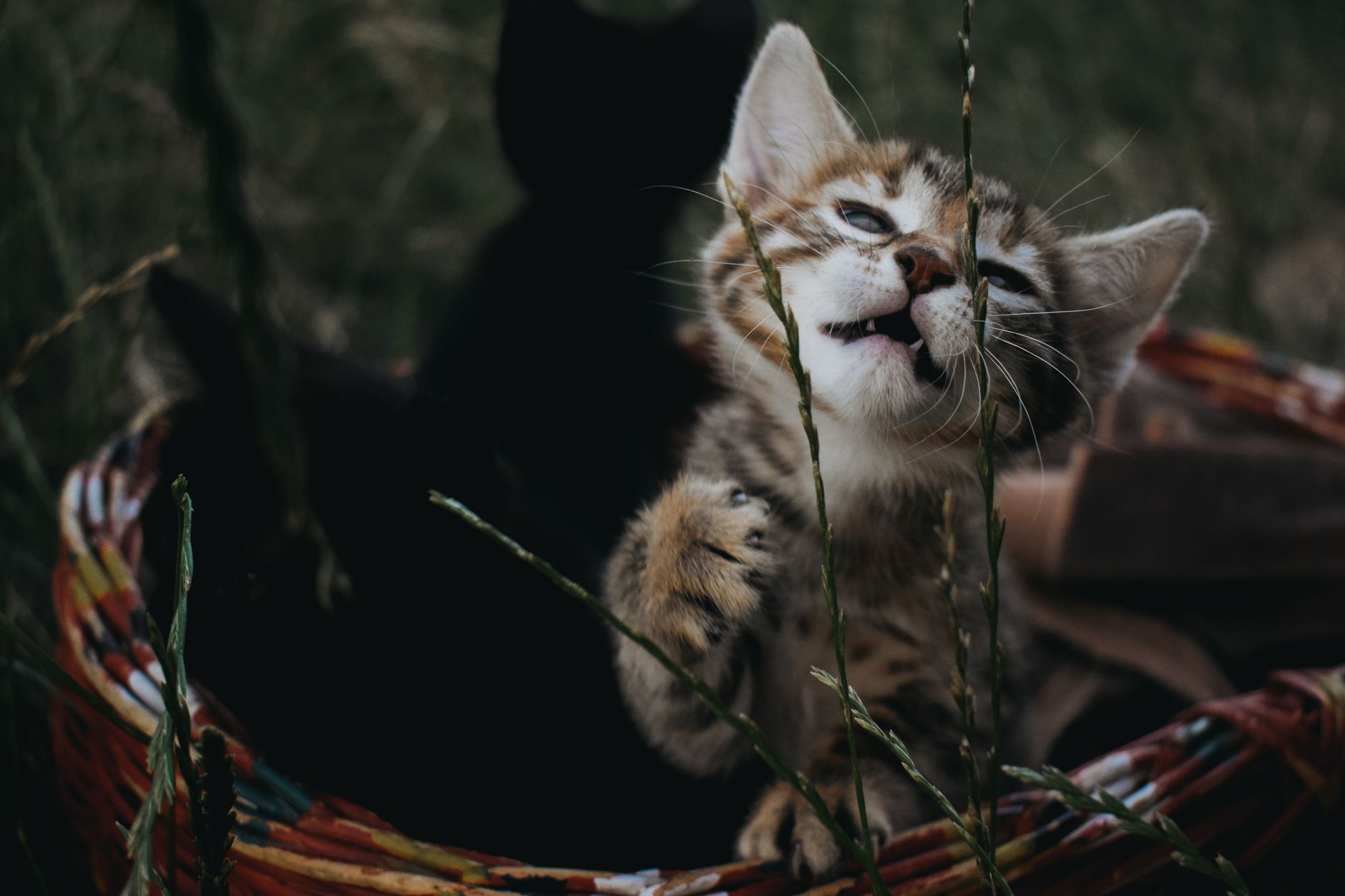
The catnip reaction is primarily driven by the olfactory system. When a cat encounters nepetalactone, it binds to protein receptors inside the cat’s nose. These receptors, in turn, stimulate sensory neurons that lead to the olfactory bulb, a structure in the brain responsible for processing smells.
From the olfactory bulb, signals are relayed to several brain regions, including the amygdala (involved in emotional responses) and the hypothalamus (which regulates many bodily functions, including temperature and hunger). This cascade triggers a complex set of behaviors in susceptible cats.
These behaviors can include:
- Rubbing against the catnip
- Rolling around on the ground
- Vocalization (meowing, purring, growling)
- Chewing or licking the catnip
- Hyperactivity, followed by relaxation
The intensity and duration of the response vary from cat to cat, but typically last for about 5 to 15 minutes. After this, cats experience a refractory period of about two hours, during which they are less responsive to catnip.
Humans and Catnip: A Different Story
While cats experience a euphoric reaction to catnip, humans do not. Why do cats get high on catnip but not humans? The primary reason is the difference in our neurobiology and the way our brains process nepetalactone.
Humans lack the specific receptors that allow nepetalactone to trigger the same neurological cascade as in cats. While humans can smell catnip, it doesn’t initiate the same type of sensory or emotional response.
- Receptor Difference: Human olfactory receptors aren’t as sensitive to nepetalactone as feline receptors.
- Brain Processing: Even if nepetalactone were to trigger some signal, human brain processing routes would likely be different, failing to trigger the euphoria experienced by cats.
Interestingly, catnip has been used traditionally in herbal medicine for its purported mild sedative and relaxant effects on humans when consumed as a tea. However, these effects are much weaker than those seen in cats.
Genetics and Catnip: Not All Cats Are Created Equal
It’s important to note that not all cats are affected by catnip. Susceptibility to catnip is thought to be an inherited trait, with approximately 20-30% of cats displaying no reaction at all. The gene responsible for this trait is believed to be dominant, meaning that a cat only needs to inherit one copy of the gene to be susceptible. Kittens typically do not respond to catnip until they are several months old, usually after they reach sexual maturity.
Here’s a breakdown of the genetic influence:
| Genetic Factor | Description |
|---|---|
| Inherited Trait | Susceptibility to catnip is largely determined by genetics. |
| Non-Responsive Cats | Approximately 20-30% of cats do not react to catnip. |
| Kitten Development | Kittens typically do not respond to catnip until they are a few months old. |
The Purpose of the Plant: An Evolutionary Perspective
Why do cats get high on catnip but not humans? From the plant’s perspective, the production of nepetalactone is believed to be a defense mechanism against insects. The chemical acts as an irritant and repellent, deterring certain insects from feeding on the plant.
While the effect on cats may seem like an unintended consequence, some scientists speculate that attracting cats to the plant might indirectly benefit it. Cats could potentially help to control populations of rodents or other pests that might damage the plant.
Potential Uses of Catnip
Beyond its recreational use for cats, catnip has several other potential applications:
- Insect Repellent: Catnip oil has been shown to be an effective repellent against mosquitoes and other insects. Some studies suggest it’s even more effective than DEET.
- Training Aid: Catnip can be used to encourage cats to use scratching posts or enter carriers.
- Stress Reducer: For some cats, catnip can help to reduce anxiety and stress, making it useful in situations like vet visits.
Frequently Asked Questions About Catnip
What is the active ingredient in catnip that causes cats to react?
The active ingredient is nepetalactone, a volatile oil found in the leaves and stems of the catnip plant (Nepeta cataria). This compound binds to receptors in a cat’s nose, triggering a series of neurological events.
Why does catnip only affect some cats?
The ability to react to catnip is largely determined by genetics. About 20-30% of cats do not possess the gene that allows them to respond to nepetalactone. This genetic trait is dominant, meaning only one copy of the gene is needed for a cat to react.
Is catnip safe for cats?
Yes, catnip is generally considered safe for cats. It is non-addictive and there are no known long-term adverse effects. However, excessive consumption may occasionally lead to mild digestive upset.
Can kittens react to catnip?
Kittens typically do not react to catnip until they are several months old, usually around the time they reach sexual maturity. This is because their olfactory systems are still developing.
How long does the effect of catnip last?
The effects of catnip usually last for about 5 to 15 minutes. After this, cats experience a refractory period of about two hours, during which they are less responsive to catnip.
Can humans get high from catnip?
No, humans cannot get high from catnip. Why do cats get high on catnip but not humans? Humans lack the specific receptors that allow nepetalactone to trigger the same euphoric neurological cascade as in cats. While catnip tea has been used for its mild sedative effects, these are significantly weaker than the reaction seen in cats.
Can catnip be used for dogs?
While catnip doesn’t produce the same euphoric effects in dogs as it does in cats, it may have a calming effect on some dogs. However, other herbs like valerian root and chamomile are generally considered more effective calming agents for dogs.
How should I store catnip to keep it fresh?
To keep catnip fresh, store it in an airtight container in a cool, dark place. Exposure to air and light can cause the nepetalactone to degrade, reducing its potency.
Can I give my cat too much catnip?
While catnip is generally safe, giving a cat too much can lead to temporary overstimulation or mild digestive upset. A small pinch or toy filled with catnip is usually sufficient.
Does catnip lose its potency over time?
Yes, catnip can lose its potency over time as the nepetalactone degrades. To maximize its lifespan, store it properly and replace it every few months. Fresh catnip is always more potent.
Can catnip be used as an insect repellent for humans?
Yes, catnip oil has been shown to be an effective insect repellent, particularly against mosquitoes. Some studies suggest it may be more effective than DEET in repelling certain insects.
Why do cats get high on catnip but not humans, and is it ethical to give cats catnip?
As detailed above, the difference in response is due to differing neurobiology. As for ethics, giving catnip to cats is generally considered ethical because it provides a safe and temporary form of enrichment and stimulation. It’s a pleasurable experience for most cats and does not cause any harm. However, it’s important to monitor a cat’s reaction and avoid excessive use.