
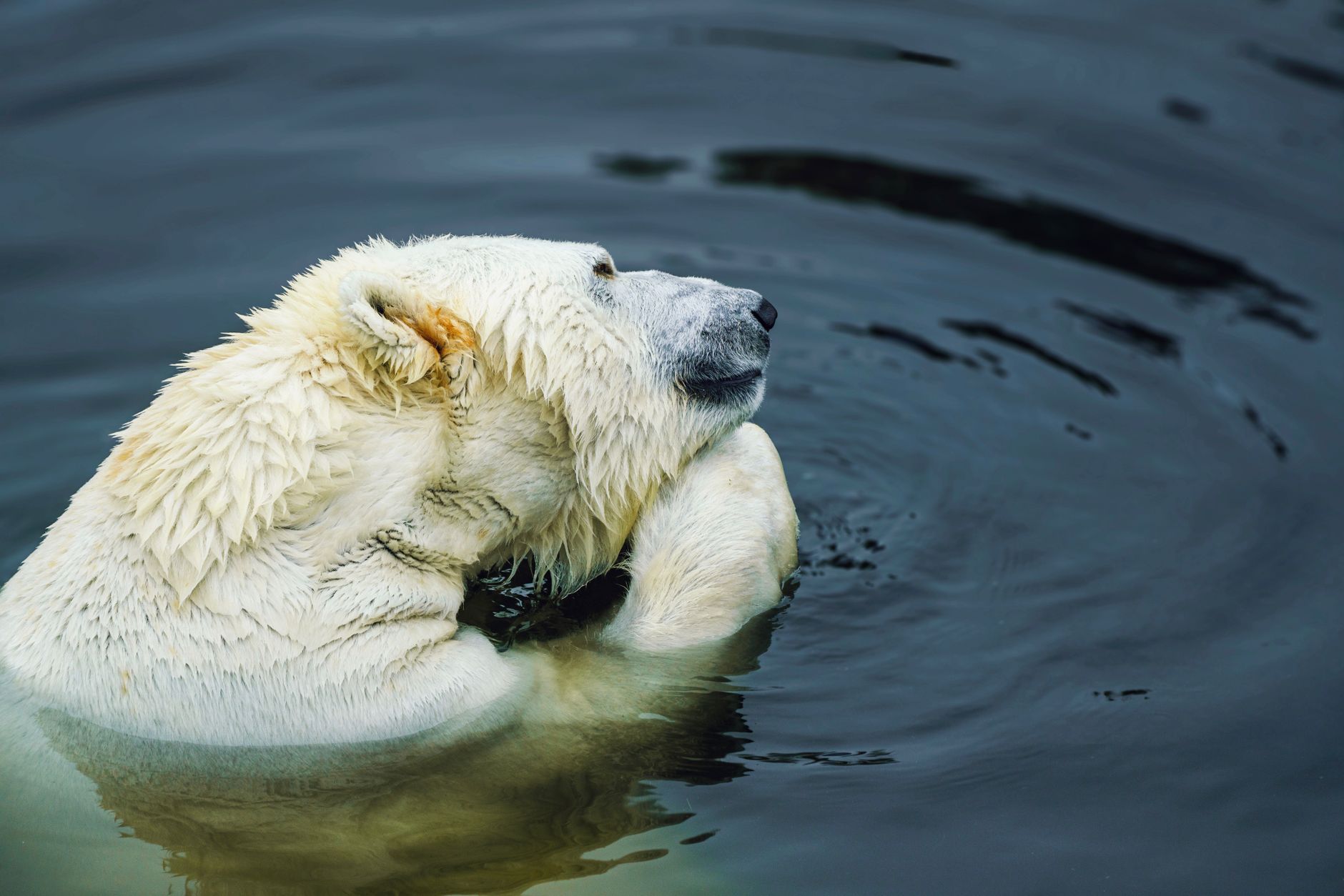
What Can You Learn From a Polar Bear?
Discover the surprising life lessons hidden within the arctic’s apex predator. Polar bears offer profound insights into adaptability, resilience, and conservation, demonstrating strategies for thriving in a harsh environment and highlighting the importance of protecting our planet.

Introduction: More Than Just a Bear
Polar bears, majestic creatures of the Arctic, are often viewed simply as symbols of the frozen north. However, a closer look reveals a wealth of knowledge applicable to human life, spanning survival skills, conservation ethics, and even business strategies. Their remarkable adaptation to extreme conditions and their crucial role in the Arctic ecosystem offer valuable lessons for navigating our own challenges. What can you learn from a polar bear? Quite a lot, actually. We can learn to adapt, persevere, and become stewards of our environment.

What colours are fish most attracted to?
Can you put your finger in a trout's mouth?
Is methylene blue anti bacterial?
Does aquarium salt raise pH in aquarium?
Adaptability: The Key to Arctic Survival

Perhaps the most striking lesson from polar bears is their incredible adaptability. They have evolved over millennia to thrive in one of the most unforgiving environments on Earth.
- Thick Fur and Blubber: These provide insulation against frigid temperatures, a lesson in insulation and efficient energy use.
- Powerful Swimmers: Their ability to navigate icy waters is a testament to their physical prowess and a reminder of the importance of physical fitness.
- Strategic Hunters: They utilize a variety of hunting techniques, constantly adapting to changing ice conditions and prey availability.
Their dietary habits are also important to note. Polar bears have an incredibly specialized diet, primarily relying on seals. This dependence highlights both the vulnerability of specialized species and the importance of maintaining healthy ecosystems that support their food sources.
Resilience: Overcoming Challenges in a Changing World
Polar bears face increasing threats from climate change, with shrinking sea ice impacting their hunting grounds and overall survival. Their struggles demonstrate the importance of resilience in the face of adversity.
Consider these challenges:
- Decreasing Sea Ice: This reduces their hunting opportunities, leading to starvation and lower reproductive rates.
- Human Impact: Pollution, oil spills, and other human activities further threaten their habitat and health.
- Starvation and Disease: As their environment changes, polar bears become more vulnerable to these threats.
Despite these challenges, polar bears continue to fight for survival, exhibiting a remarkable resilience. Their plight underscores the need for proactive conservation efforts and innovative solutions to mitigate the impacts of climate change. Observing their determination inspires us to face our own challenges with unwavering resolve.
Conservation: A Call to Action
The polar bear’s predicament serves as a stark reminder of the interconnectedness of life on Earth and the importance of conservation. What can you learn from a polar bear? You can learn that our actions have far-reaching consequences.
- Habitat Preservation: Protecting their sea ice habitat is crucial for their survival.
- Climate Change Mitigation: Reducing greenhouse gas emissions is essential to slow down the melting of the Arctic ice.
- Sustainable Practices: Adopting sustainable practices in all aspects of our lives can help reduce our impact on the environment.
Polar bears are not just an arctic species; they are indicators of the overall health of our planet. Their fate is inextricably linked to our own, and their survival depends on our willingness to act.
Strategic Planning: Lessons from the Hunt
Beyond survival, polar bears offer strategic insights applicable to various aspects of life, including business and personal goal setting.
- Patience and Observation: They patiently wait for seals to surface, demonstrating the value of observation and strategic timing.
- Adaptable Tactics: They adjust their hunting strategies based on ice conditions and prey behavior.
- Resource Management: They are skilled at conserving energy and maximizing their hunting efficiency.
These hunting strategies can be translated into business principles, emphasizing the importance of market research, adaptable business plans, and efficient resource allocation. What can you learn from a polar bear? That planning and being adaptable are keys to success.
Table: Polar Bear Lessons Applied
| Lesson | Arctic Context | Human Application |
|---|---|---|
| Adaptability | Thriving in extreme cold and changing ice conditions | Adapting to new technologies and market trends |
| Resilience | Surviving despite shrinking hunting grounds | Overcoming challenges and setbacks in personal and professional life |
| Conservation | Protecting their habitat for survival | Implementing sustainable practices and reducing environmental impact |
| Strategic Planning | Efficient hunting strategies | Developing effective business plans and resource management |
Frequently Asked Questions (FAQs)
What is the primary threat facing polar bears today?
The primary threat facing polar bears is climate change and the resulting loss of sea ice. Sea ice is crucial for polar bears as it serves as their primary hunting platform, allowing them to access seals, their main food source. As sea ice melts, polar bears have less access to food, leading to starvation and population decline.
How do polar bears stay warm in such cold temperatures?
Polar bears have several adaptations to stay warm in frigid temperatures. They have a thick layer of blubber beneath their skin that provides insulation. Additionally, they have dense fur that traps air, creating another layer of insulation. Their small ears and tails also help to minimize heat loss.
What do polar bears eat, and how does climate change impact their diet?
Polar bears primarily eat seals. Climate change significantly impacts their diet because the melting sea ice makes it harder for them to hunt seals. Seals rely on sea ice for resting and breeding, and as the ice disappears, polar bears struggle to access their prey.
Are polar bears endangered, and what is being done to protect them?
Polar bears are listed as vulnerable by the International Union for Conservation of Nature (IUCN). Various efforts are underway to protect them, including habitat conservation, climate change mitigation, and stricter regulations on hunting. International collaborations and research programs are also crucial for understanding and addressing the threats facing polar bears.
How does the behavior of polar bears impact the Arctic ecosystem?
Polar bears are apex predators in the Arctic ecosystem, playing a crucial role in regulating seal populations. By keeping seal populations in check, they help maintain the balance of the Arctic food web. Their decline can have cascading effects on other species and the overall health of the ecosystem.
Can polar bears survive without sea ice?
While polar bears can survive for short periods without sea ice, they cannot thrive or maintain healthy populations without it. Sea ice is essential for their hunting success and overall survival. On land, they struggle to find enough food to sustain themselves, especially during the summer months.
What role do humans play in the survival of polar bears?
Humans play a significant role in the survival of polar bears. Our actions related to climate change, pollution, and habitat destruction directly impact their well-being. Reducing greenhouse gas emissions, supporting conservation efforts, and adopting sustainable practices are all crucial for protecting polar bears and their habitat.
How can individuals contribute to polar bear conservation?
Individuals can contribute to polar bear conservation in several ways: reducing their carbon footprint by using less energy, supporting organizations that work to protect polar bears, and advocating for policies that address climate change. Even small changes in our daily habits can make a difference.
What are the signs of a healthy polar bear population?
Signs of a healthy polar bear population include stable or increasing population numbers, good body condition (indicating sufficient food intake), and healthy reproductive rates. Researchers also monitor the availability of sea ice and the overall health of the Arctic ecosystem.
What are the most effective strategies for mitigating the impacts of climate change on polar bears?
The most effective strategies include reducing greenhouse gas emissions through the transition to renewable energy sources, improving energy efficiency, and implementing policies that promote sustainable practices. Conserving and restoring habitats and protecting vulnerable populations are also crucial.
How has the scientific understanding of polar bear behavior and ecology evolved over time?
Scientific understanding of polar bear behavior and ecology has evolved significantly over time, driven by advances in technology and research methods. Early studies focused on basic descriptions of their behavior and habitat, while modern research utilizes sophisticated tools like satellite tracking and genetic analysis to understand their movements, diet, and population dynamics in detail.
What can you learn from a polar bear about teamwork and collaboration?
While polar bears are mostly solitary hunters, observing the way they hunt when mothers are teaching their cubs reveals important lessons. Mothers demonstrate immense patience and dedication teaching their cubs vital skills. This demonstrates the importance of mentorship and shared knowledge that applies to both professional and personal teamwork.