
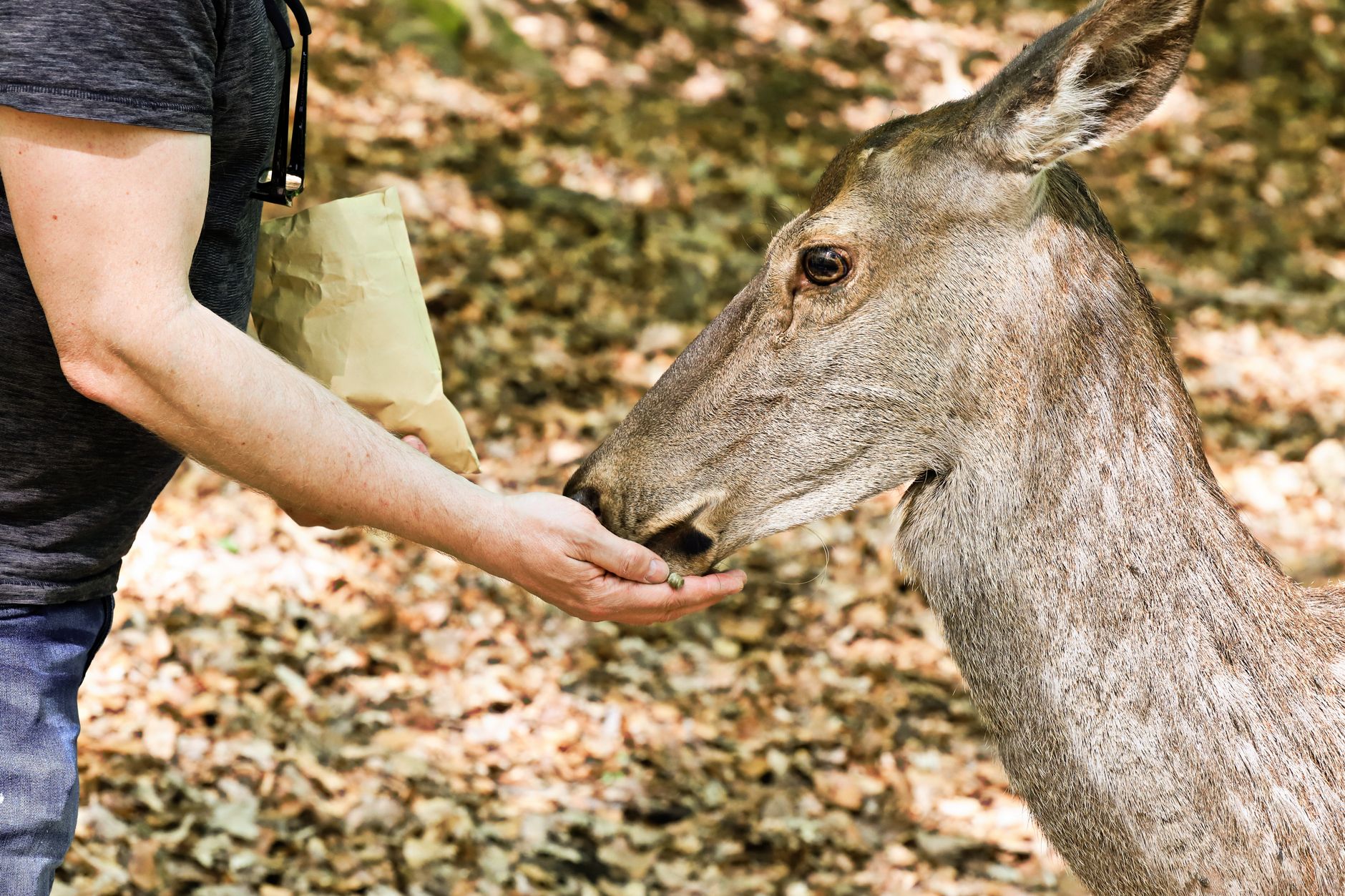
What Can I Feed Wild Deer in the UK?: A Guide for Responsible Feeding
Trying to figure out what can I feed wild deer UK? The answer is nuanced: supplemental feeding of wild deer should generally be avoided. If necessary, small quantities of natural foods, such as acorns, berries, and browse, can be offered sparingly during periods of extreme weather, ensuring you are not encouraging dependency and following guidelines set by local authorities.

Understanding the Complexities of Feeding Wild Deer
Feeding wild deer might seem like a kind act, but it can have unintended and often detrimental consequences for both the deer population and the surrounding environment. Before considering offering supplementary food, it’s crucial to understand the complexities of deer ecology and the potential impacts of human intervention. What can I feed wild deer UK? is a frequently asked question, but the more important question is should you be feeding them at all?

What colours are fish most attracted to?
Can you put your finger in a trout's mouth?
Is methylene blue anti bacterial?
Does aquarium salt raise pH in aquarium?
Why You Should Think Twice Before Feeding Deer

While well-intentioned, feeding wild deer can create a host of problems. Here’s a breakdown of the major concerns:
- Dependency: Regular feeding can cause deer to become reliant on humans for sustenance, reducing their natural foraging abilities and making them vulnerable if the food source disappears.
- Artificial Population Inflation: Supplemental feeding can artificially inflate deer populations beyond what the natural habitat can sustainably support. This can lead to habitat degradation, increased competition for resources, and higher rates of disease transmission.
- Disease Transmission: Concentrating deer at feeding sites increases the risk of spreading diseases, such as bovine tuberculosis (bTB) and chronic wasting disease (CWD).
- Altered Behavior: Feeding can alter deer behavior, making them bolder and less fearful of humans. This can lead to increased conflicts with people, such as deer damaging gardens and crops or causing traffic accidents.
- Nutritional Imbalances: Feeding deer inappropriate foods can lead to nutritional imbalances, particularly during winter when their digestive systems are adapted to a specific diet. Ruminant animals such as deer need time to adjust their gut bacteria. Offering large quantities of grain or bread, for example, can cause acidosis, a potentially fatal condition.
- Damage to Vegetation: Artificially increasing deer populations through feeding leads to overgrazing and damage to vegetation, impacting the health of woodlands and other habitats.
When Supplemental Feeding Might Be Considered (and How to Do It Responsibly)
In very limited circumstances, supplemental feeding of wild deer might be considered, typically during periods of extreme winter weather or prolonged drought when natural food sources are scarce. However, this should only be done as a last resort and with careful planning. Always consult with local wildlife authorities or deer management experts before undertaking any feeding program. If you are unsure what can I feed wild deer UK? then always seek expert advice.
-
Only in Extreme Circumstances: Feeding should only be considered when natural food sources are truly exhausted and deer are visibly malnourished.
-
Small Quantities: Offer small amounts of food to avoid creating dependency.
-
Natural Foods: Provide natural foods that deer would normally eat, such as:
- Acorns
- Berries (hawthorn, rowan)
- Browse (twigs and buds of native trees and shrubs)
- Root vegetables (small quantities of carrots or turnips)
-
Avoid Processed Foods: Never feed deer bread, grain, or other processed foods.
-
Monitor Deer Health: Regularly monitor the deer population for signs of illness or malnutrition.
-
Gradually Reduce Feeding: As natural food sources become available, gradually reduce the amount of supplemental food offered.
-
Hygiene: Keep feeding areas clean to minimize the risk of disease transmission.
Legal Considerations Regarding Deer Feeding
Before considering any form of deer feeding, it is crucial to understand the relevant legal considerations in the UK. While there isn’t a blanket ban on feeding deer, local bylaws and regulations may prohibit or restrict the practice in certain areas. Check with your local council or wildlife trust for specific guidance. Furthermore, landowners have the right to control deer on their property, and feeding deer without their permission could be considered trespassing. Always err on the side of caution and prioritize the well-being of the deer population.
Alternative Approaches to Deer Management
Rather than feeding deer, focus on habitat management to provide them with the resources they need to thrive naturally. This includes:
- Creating Diverse Habitats: Encourage a variety of native trees, shrubs, and ground cover to provide a diverse range of food sources and shelter.
- Managing Woodland Understory: Thinning the understory of woodlands can promote the growth of palatable vegetation for deer.
- Controlling Invasive Species: Remove invasive plant species that compete with native plants for resources.
- Deer Population Control: Implement sustainable deer population control measures, such as culling, to prevent overgrazing and habitat degradation. These are very controversial but can ultimately be necessary for the overall health of the habitat and the deer population.
Frequently Asked Questions (FAQs)
What are the best natural foods to feed deer?
The best natural foods to offer deer include acorns, berries (such as hawthorn and rowan), and browse (twigs and buds of native trees and shrubs). These foods provide the nutrients that deer need and are easily digestible. Root vegetables like carrots or turnips can also be offered in small quantities. Always avoid processed foods.
Is it okay to feed deer bread or grain?
No, it is never okay to feed deer bread or grain. These foods are difficult for deer to digest and can cause a life-threatening condition called acidosis. Deer are ruminants, and their digestive systems are adapted to process a diet of primarily fibrous plant material.
Can I feed deer in my garden?
While it may be tempting to feed deer in your garden, doing so can attract them to your property and lead to damage to your plants. It’s generally best to discourage deer from entering your garden by using deer-resistant plants and fencing. Consider non-toxic deer repellent sprays.
Will feeding deer make them dependent on humans?
Yes, regular feeding can make deer dependent on humans for food. This can reduce their natural foraging abilities and make them vulnerable if the food source disappears. Dependency is a major concern with supplemental feeding.
How much food should I give deer if I choose to feed them?
If you choose to feed deer, offer only small amounts of food to avoid creating dependency. A handful of acorns or a few berries is sufficient. The goal is to supplement their diet, not replace it entirely.
What time of year is it most appropriate to feed deer?
Supplemental feeding should only be considered during periods of extreme winter weather or prolonged drought when natural food sources are scarce. At other times of the year, deer can usually find enough food on their own. Do not encourage habituation during the summer.
Are there any legal restrictions on feeding deer in the UK?
While there isn’t a nationwide ban, local bylaws and regulations may prohibit or restrict deer feeding in certain areas. Check with your local council or wildlife trust for specific guidance.
What are the signs of malnutrition in deer?
Signs of malnutrition in deer include a thin body condition, visible ribs, lethargy, and a rough or patchy coat. If you observe these signs, contact a local wildlife rehabilitator.
How can I attract deer to my property without feeding them?
You can attract deer to your property by creating a deer-friendly habitat. This includes planting native trees, shrubs, and ground cover that provide food and shelter. Consider water sources as well, where legally allowed.
Is it better to focus on habitat management rather than feeding deer?
Yes, habitat management is a much more sustainable and beneficial approach to supporting deer populations than supplemental feeding. Habitat management provides deer with the resources they need to thrive naturally and helps maintain a healthy ecosystem.
What if I find an injured or orphaned deer?
If you find an injured or orphaned deer, do not attempt to care for it yourself. Contact a local wildlife rehabilitator or animal rescue organization for assistance. They have the expertise and resources to provide the necessary care.
What can I do if deer are causing damage to my garden or property?
If deer are causing damage to your garden or property, there are several things you can do to deter them. These include using deer-resistant plants, fencing, and deer repellent sprays. You can also contact a local deer management expert for advice. Remember, lethal control is an option for landowners, but consider all non-lethal measures first.