

What to Feed Your Horse for Itchy Skin: A Comprehensive Guide
Struggling with a horse that’s constantly itching? Discover the best nutritional strategies to soothe and alleviate skin irritation from the inside out, and learn what can I feed my horse for itchy skin to promote a healthy, comfortable coat.

Understanding Equine Itch: A Nutritional Perspective
Itchy skin in horses, often manifested as rubbing, scratching, and even hair loss, can be caused by a variety of factors, ranging from external parasites to allergies. While addressing external factors is crucial, nutrition plays a vital role in supporting skin health and reducing inflammation that contributes to the itch. Understanding the connection between diet and dermal well-being is the first step in providing effective relief for your equine companion. What can I feed my horse for itchy skin is a question that often has a multi-faceted answer, incorporating both eliminating potential allergens and adding supportive nutrients.

What colours are fish most attracted to?
Can you put your finger in a trout's mouth?
Is methylene blue anti bacterial?
Does aquarium salt raise pH in aquarium?
Key Nutrients for Healthy Skin
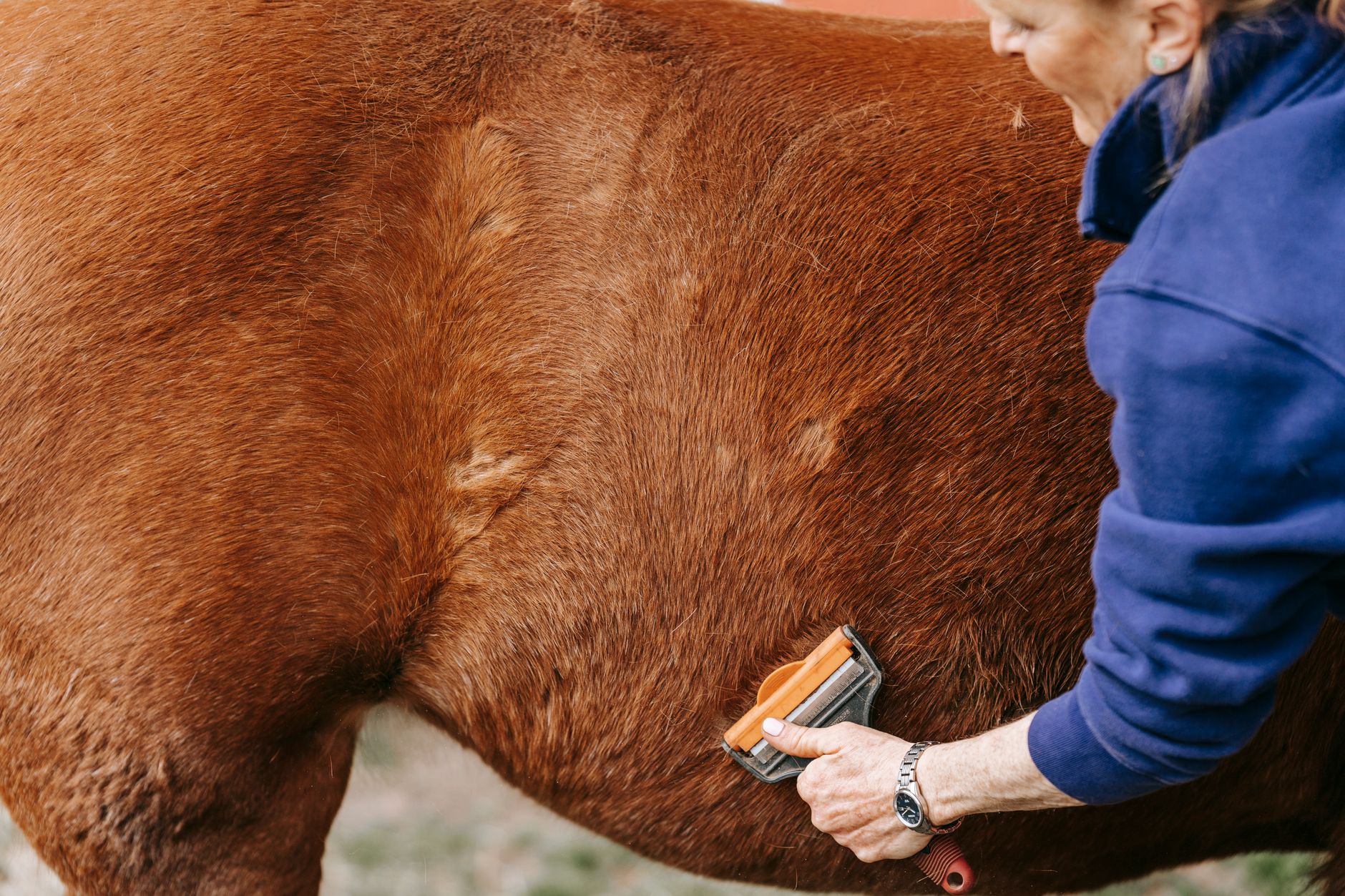
Several nutrients are particularly beneficial for promoting healthy skin and reducing inflammation. These include:
- Omega-3 Fatty Acids: These essential fats are known for their anti-inflammatory properties and can help reduce the severity of allergic reactions.
- Vitamin E: A powerful antioxidant that protects skin cells from damage and supports overall skin health.
- Zinc: Essential for wound healing, cell growth, and maintaining healthy skin. A deficiency can lead to skin problems.
- Biotin: Supports hoof and coat health, contributing to a strong and resilient skin barrier.
- Copper: Important for the production of melanin, which protects skin from sun damage.
- Vitamin A: Critical for cell growth and repair, helps maintain healthy skin and mucous membranes.
Dietary Components to Soothe Itchy Skin
Implementing these nutrients into your horse’s diet involves selecting appropriate feedstuffs and supplements. Here’s a breakdown of effective dietary components:
- Flaxseed: An excellent source of omega-3 fatty acids. Can be fed whole, ground, or as flaxseed oil.
- Chia Seeds: Another great source of omega-3s, as well as fiber and antioxidants.
- Fish Oil: Highly concentrated source of omega-3 fatty acids, providing EPA and DHA.
- Vitamin E Supplements: Synthetic or natural vitamin E supplements are readily available. Choose a reputable brand.
- Zinc Supplements: Many horse feeds and supplements contain zinc. Check the ingredient list and ensure adequate levels.
- Biotin Supplements: Commonly included in hoof and coat supplements.
- Alfalfa: Can sometimes trigger allergies in sensitive horses, observe your horse for signs of allergy.
- Beet Pulp: An excellent source of fiber and prebiotics for gut health, indirectly benefiting skin health.
Identifying and Eliminating Allergens
Food allergies can contribute significantly to itchy skin in horses. Common equine allergens include:
- Grains: Oats, barley, and corn can be problematic for some horses. Consider grain-free options.
- Soy: A common ingredient in commercial feeds, but can be allergenic.
- Molasses: High in sugar and can contribute to inflammation in sensitive horses.
- Certain Pasture Grasses: Some horses are allergic to specific grasses.
To identify potential allergens, consider an elimination diet. This involves:
- Simplifying the Diet: Remove all grains, soy, and molasses from your horse’s diet.
- Feeding a Novel Protein Source: Choose a hay source that your horse has not been previously exposed to.
- Monitoring for Improvement: Observe your horse for several weeks to see if the itching subsides.
- Reintroducing Foods Gradually: Slowly reintroduce potential allergens one at a time, monitoring for reactions.
A Sample Diet Plan for Itchy Skin
This is just a sample plan; always consult with your veterinarian or a qualified equine nutritionist to tailor a diet specifically to your horse’s individual needs.
| Feed Component | Example | Purpose |
|---|---|---|
| Hay | Timothy Hay | Main forage source |
| Omega-3 Supplement | Flaxseed Meal (1/2 cup twice daily) | Anti-inflammatory, supports skin health |
| Vitamin E Supplement | Natural Vitamin E (1000-2000 IU daily) | Antioxidant, protects skin cells |
| Zinc Supplement | Zinc Methionine (Follow manufacturer’s dose) | Supports wound healing and skin integrity |
| Mineral Supplement | Balanced mineral supplement | Provides essential minerals for overall health and skin |
| Grain-Free Senior Feed | Consult with Equine Nutritionist | Maintain weight and provide energy without common allergens |
Common Mistakes to Avoid
- Ignoring External Factors: Address parasites, allergies to fly bites, and other external causes of itching.
- Over-Supplementing: Too much of a good thing can be harmful. Consult with a veterinarian or equine nutritionist.
- Making Sudden Dietary Changes: Introduce new feeds gradually to avoid digestive upset.
- Failing to Provide Adequate Water: Dehydration can worsen skin conditions. Ensure your horse has access to fresh, clean water at all times.
- Not Consulting a Professional: A veterinarian or equine nutritionist can help you develop a personalized feeding plan for your horse.
Frequently Asked Questions (FAQs)
What is the first thing I should do if my horse has itchy skin?
The first step is to rule out common external causes of itching, such as parasites (mites, lice), allergies to insect bites (sweet itch), and fungal or bacterial infections. Consult your veterinarian for proper diagnosis and treatment.
Can sweet itch be managed with diet?
While diet alone cannot cure sweet itch (an allergic reaction to biting midges), it can help manage the severity of symptoms by reducing inflammation and supporting skin health. What can I feed my horse for itchy skin that is also dealing with sweet itch includes omega-3 fatty acids and antioxidants.
Is it possible my horse is allergic to his bedding?
Yes, horses can be allergic to their bedding. Straw bedding is a common allergen, so consider switching to shavings or paper bedding to see if it makes a difference.
How long does it take to see results from dietary changes?
It can take several weeks or even months to see noticeable improvements in your horse’s skin condition after making dietary changes. Be patient and consistent, and work closely with your veterinarian or equine nutritionist.
Are there any herbs that can help with itchy skin?
Some herbs, such as chamomile and calendula, have anti-inflammatory and soothing properties that may help alleviate itchy skin. However, always consult with a veterinarian before using herbal remedies, as some can interact with medications or have adverse effects.
Can stress contribute to itchy skin?
Yes, stress can weaken the immune system and exacerbate skin conditions. Managing stress through proper nutrition, exercise, and a comfortable environment is crucial for horses with itchy skin.
Is it safe to give my horse human supplements?
Generally, no. Human supplements are often formulated with dosages and ingredients inappropriate for horses. Stick to equine-specific supplements and consult with a veterinarian for guidance.
My horse is overweight. Can this contribute to itchy skin?
Yes, obesity can contribute to inflammation and skin problems. Maintaining a healthy weight through proper diet and exercise is important for overall health and skin health.
What are the benefits of feeding biotin?
Biotin is often associated with hoof health, but it also supports skin and coat health. It plays a role in the production of keratin, a protein that forms the structural component of skin, hair, and hooves. Therefore, what can I feed my horse for itchy skin could be as simple as adding a Biotin supplement.
How can I tell if my horse has a food allergy?
Signs of a food allergy in horses can include itchy skin, hives, digestive upset (diarrhea or colic), and respiratory problems. An elimination diet, as described above, is the best way to identify potential allergens.
If I suspect my horse has a food allergy, should I consult with a veterinarian?
Yes! Consulting with your veterinarian is crucial to rule out other potential causes of the itching and to develop a safe and effective plan for managing your horse’s food allergies.
What can I feed my horse for itchy skin that is also palatable?
Flaxseed and chia seeds are generally well-accepted by horses, and they can be mixed into their regular feed. Adding a small amount of molasses-free apple sauce can improve palatability of some supplements, but use sparingly and cautiously if allergies are suspected. Always introduce new feeds gradually.